
While it's always a delight to revel in the drama of a new series of Love Island, we have to be honest - our favourite thing about the ITV2 show is seeing Maya Jama.
Thursday night's launch was no exception, with the Bristol-born presenter looking as gorgeous as ever in a sensational white dress with daring draped sides.
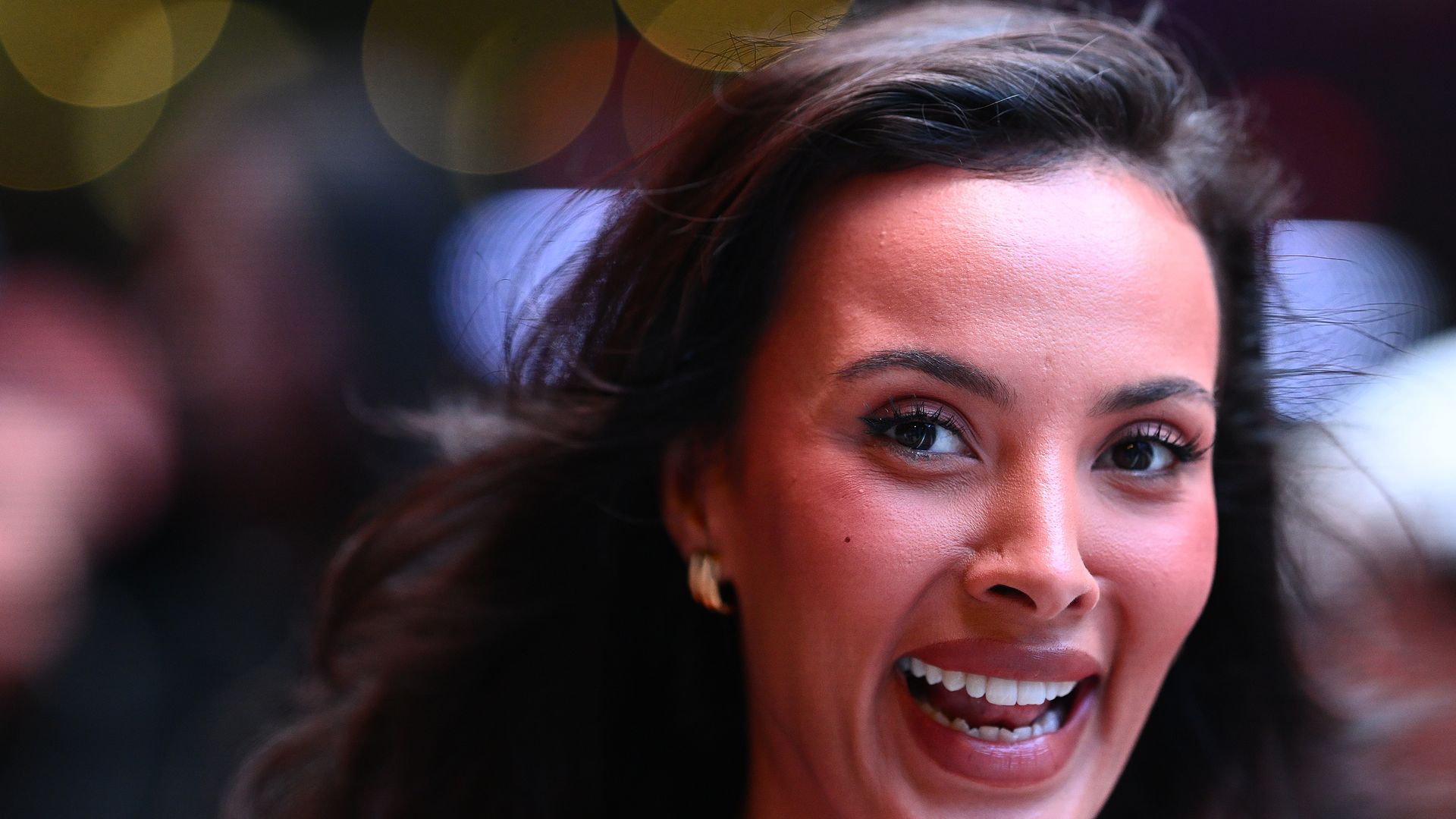
While Maya's outfit was quite the scene stealer, we couldn’t help but notice that her smile looked different, too. Curious as to what Maya Jama has had done to her teeth, we turned to her dentist, Dr. Annika Patel, at the Chelsea Dental Clinic to find out more.
 © Instagram
Maya Jama's new smile
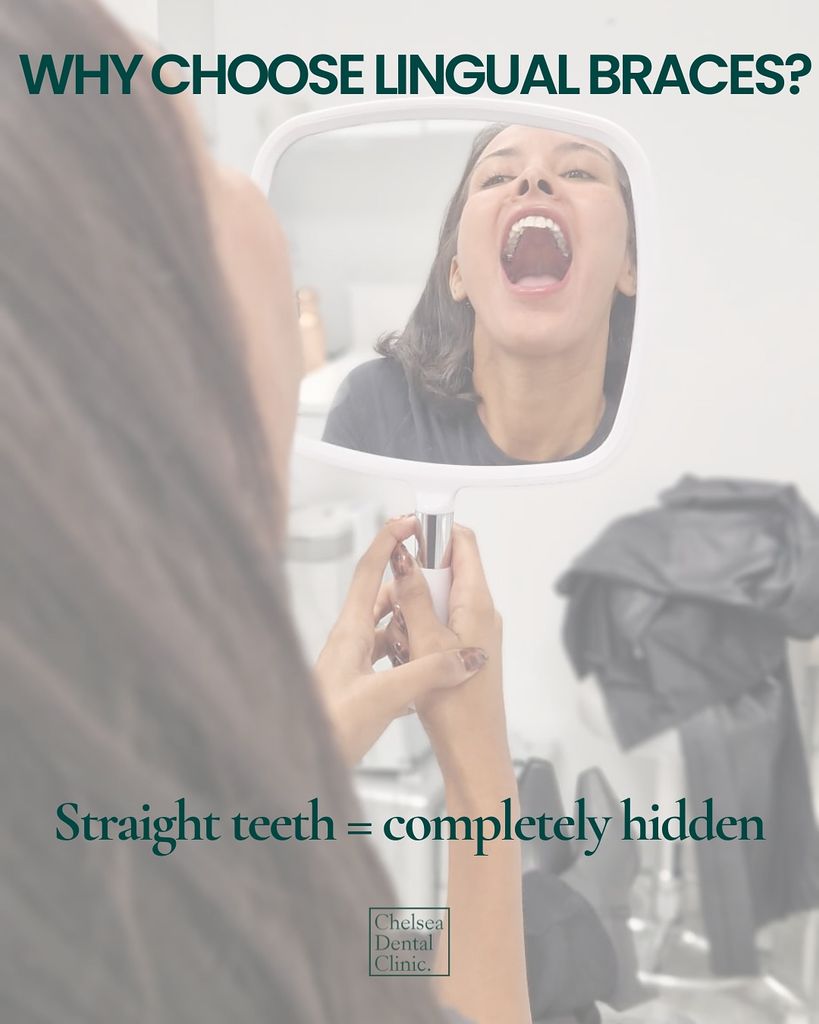
Ahead of Love Island: All Stars, Maya had lingual braces fitted, a completely invisible way to straighten your teeth from behind the surface. The price starts at £6,000.
"This advanced technique allows you to achieve beautiful alignment discreetly while maintaining your natural smile throughout treatment," the clinic writes on Instagram. The process, they say, "combines precision, artistry, and comfort to deliver truly bespoke results that feel as good as they look."
 © Instagram
What are lingual braces?
Dr. Rhona, founder of the Chelsea Dental clinic, explains that lingual braces are fixed braces that sit behind your teeth, on the tongue side, so they're completely invisible when you smile. "They work just like traditional braces, offering precise control over tooth movement but with total discretion."

Dr. Annika says of why Maya chose this method of teeth straightening: "Lingual braces are popular with public-facing individuals who want effective orthodontic treatment without visible braces. They also offer very precise tooth control, similar to traditional fixed braces."
Maya began her treatment in October 2025, with Dr. Annika Patel explaining that, on average, treatment with lingual braces takes around 12 to 18 months, depending on the complexity of the case. "Mild alignment issues can be quicker, while more complex bite corrections may take closer to two years."
 © WireImage
Why lingual braces?
Many celebrities opt for Invisalign, but lingual braces are less hassle (not having to take them out for every meal, for one thing), but Dr. Annika notes that aligners are more popular due to the marketing that surrounds them.
Dr. Annika adds that lingual braces are also great for patients with existing veneers. "We can stick the appliance to the enamel on the back of the teeth," she says.
 © Getty Images
It's unknown if Maya has had other dental work for her beautiful new smile, but Dr. Annika says that lingual braces pair well with professional teeth whitening, composite bonding for small shape refinements, porcelain veneers and gum contouring, if needed.