
In the difficult journey faced by patients with advanced illnesses, care needs to focus on not just the physical aspect, but also on emotional well-being. Psychology in palliative care plays a key role in providing support to both the patient and their families, with a clear objective: to help them face the process with a better quality of life along with as much serenity and understanding as possible. Psychological support becomes a fundamental pillar for providing comprehensive and humane care, from managing emotional pain to adapting to the new reality.
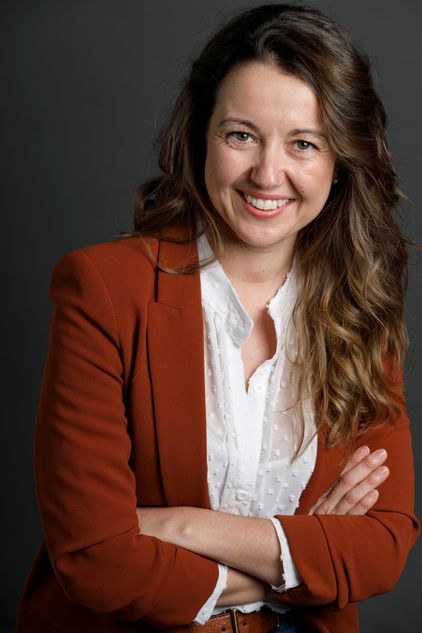
MD Anderson Cancer Centre psycho-oncologist Fátima Castaño helps us understand the process, explaining how we can support a loved one in palliative or end of life care, and shares the powerful life lessons she has learned through her work.
How can a psychologist help patients in palliative care?
"Palliative care, which is specialised patient care when there are no expectations of a cure and the prognosis is that the disease will worsen, has a tremendous emotional impact on both patients and families. Psychological care for patients and families during this time is essential because it will help manage the emotional impact, navigate the different stages and address any related psychological issues. It helps them to adapt to the patient's illness so we can work together to ensure that they have the highest level of comfort that they can."
Why are we so afraid of death and why do we find it so hard to talk about?
"The fear of death is universal. Death directly confronts our survival instinct - it's an unknown, a taboo and many people associate it with pain and discomfort. Healthcare teams strive to mitigate these fears with all of the resources at our disposal. But it's not easy to accept the reality of death. Death is connected to loss, sadness and anguish. The idea that we will longer exist, and the impact that our death might have on the people we love."
 © MD Anderson
What strategies do you use to manage the fear and anxiety that patients often have?
"It's most important to listen to the individual, their circumstances, their fears and their needs. We can't change how their illness will progress, but we can try to ensure symptom management for a better quality of life. In psychology, we try to help patients and families regain control, adjust expectations and make decisions. We work on listening, and helping them to redefine their goals which will help reduce their suffering and ensure that the patient experiences the end of their life in as much peace as possible. We want their families to have access to every resource they could possibly need to minimise their own grief and exhaustion. When medicine can no longer prolong a life, psycho-oncology can help improve its quality."
"Anticipatory grief is a natural process, but it can become harmful when it keeps you from living in the present"
How is anticipatory grief addressed in patients and their loved ones?
"Anticipatory grief is a process by which we grieve the pending loss of a loved one in advance; it's a way of protecting ourselves as we try to get used to the idea of the future may hold. It can lead people to fast-forward to events that aren't expected to happen in the very near future, and it prevents us from living in the present.
"From a psycho-oncology standpoint, we try to detect it and then evaluate the impact it's having. Anticipatory grief is a natural process, but it can become harmful when it causes distress and keeps people from living in the present. We work with patients to address it and help give them a greater sense of control. There may still be time fo them to enjoy life or do things they want to do, so we help them focus on the here and now. Our goal is providing them with the security to face their grief in the future."
 © Getty Images
What are the main concerns expressed by people in palliative care?
"People generally have a negative view of palliative care because it's associated with death. They tend to think that it's the medical approach that's taken when there's nothing more that can be done. But the reality is that for healthcare professionals like me, it's part of a continuum of care in which we offer the patient the best and most appropriate treatment at all times. If treatments can't stop the disease, the goal will be to mitigate symptoms and make sure the patient has quality of life, and of course also quality of death.
"A lot of people are still very reluctant to reach out for this type of support. We still need to educate people about it and highlight the physical and emotional benefits that this type of care can bring to patients and their families.
"Patients' concerns usually have to do with the implications that stopping treatment has. [They’re concerned about] maintaining continuity of care with their doctors, how their palliative treatments will be managed and the possibility of being able to have care at home."
 © Getty Images
How important it is to work closely with families during this process?
"It's really crucial to provide support to the entire family. This helps prevent emotional burnout, manage psychological issues as the illness progresses and ensure the whole process is handled in a more humane and healthy way."
What tools do you use to help patients express their feelings and needs?
"In difficult times, listening and empathy are essential tools. That allows us to accurately assess each patient and family's needs and then provide tailored strategies just for them."
It is normal for palliative care patients to experience depression or hopelessness? How can they be supported?
"It is normal to feel sadness and hopelessness when faced with the inevitable progression of an illness. Its important not to force the patient to feel like they should have a 'good attitude' about it. It's good to give patients and families the space to express their fears, worries and grief... Support for people at the end of life is about listening, understanding their needs, and trying to make them as comfortable as possible. Our goal isn't for them to feel 'happy' - its for them to feel comfortable and at peace."
"One of the main lessons I take away from my work every day is the enormous capacity of human beings to face even the most difficult circumstances"
Working in palliative care must have an effect on your own emotional health. Are there difficult moments to manage?
"Psychologists do have our own challenging moments, especially when a case resonates with our own personal history, or when we feel overloaded at work. It's important for us to manage our own well-being and find meaning in our work so we can continue to do a good job supporting people who are suffering."
How do you manage your own emotions when supporting patients and families in these delicate situations?
"Psychologists specialising in palliative care are trained and equipped to provide this kind of support. We're human so of course we feel emotional or sad, or sometimes even frustrated with our patients, but our job is to offer support, provide resources and be there for them - so we're always focused on offering the best care. Our goal is to be present and stay close to our patients while maintaining the professional focus we need to provide the right therapeutic support."
What is the most challenging aspect of your daily work with palliative care patients?
"Striking a balance between using our psychological skills and being emotionally open to patients without getting overwhelmed is a major challenge. Factors like a patient's medical condition or a family's personal situation can make that difficult. It's also a big challenge as a professional to manage the frustrations that can arise."
 © Getty Images/iStockphoto
What personal lessons have you learned from working with people who are at the end of their lives?
"One of the main lessons I take away from my work every day is the enormous capacity of human beings to face even the most difficult circumstances, if they have the right support. Life changes and our plans don't always work out the way we hoped but what we never lose is our ability to decide how we deal with it and what we take from it. Life is now, and we should always strive to make the present moment meaningful. Through my work I've learned to truly value a kiss, an embrace, an encouraging word and the feeling of being loved and supported.
"I learn from every patient and family I work with. They make me really reflect on how to better care for people at the end of their lives, and how to ease their emotional pain. The greatest reward is the sincere gratitude we receive each day. It's the satisfaction of knowing I've been able to help and, in some way, lighten their load."
About the expert
Fátima Castaño is a psycho-oncologist at MD Anderson Cancer Centre, Madrid–Hospiten.