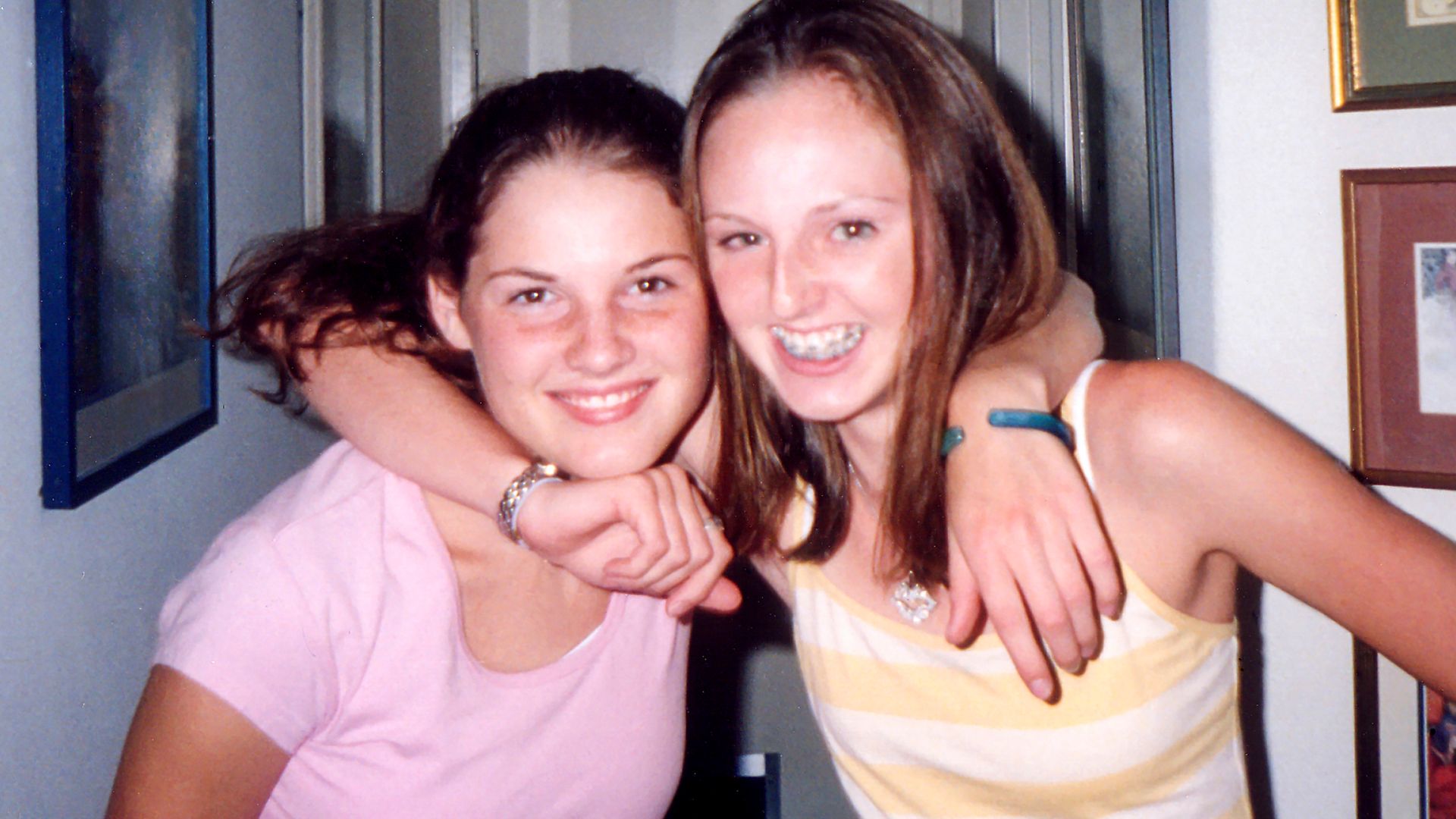

Spending a significant period living away from your original home turf often goes hand-in-hand with making certain sacrifices. Not only might it mean being a fair distance from family and missing out on important occasions, but there's also the genuine risk that childhood friendships can lose their lustre when you eventually pop back for a visit (or if you're just staying in touch via a group chat.) Perhaps this experience has rung true for you even if you stayed put where you grew up but found yourself moving in vastly different social circles than your lifelong BFFs.
Maybe you found people far more aligned with your interests during your university years or later professional life, cultivated new hobbies or unlocked an emotional or social side of yourself that you feel rather inhibited from expressing when you return to your hometown or old friend group.
As psychologist Pilar Conde notes of childhood friendships, there's often "an intense emotional memory associated with that person and the stage of life that was shared, so realising it's no longer the same can be painful." She adds: "Often, this nostalgia blends with the perception that we haven’t looked after the relationships, which can lead to feelings of guilt."
Who we were vs who we are
This is, succinctly speaking, entirely normal. Our identity is still being shaped during our younger years and many of those early relationships are arguably conditioned by our immediate environment or, as some mental health professionals suggest, by family pressure.
It's as we grow older that we truly define ourselves based on our life experience and the world we come to know.
Having spent time living elsewhere, we invariably pick up new experiences, perspectives and interests that set us apart from our previous friends. This often results in feeling somewhat out of step every time we pop back to our roots, sensing a mismatch between the person we were and the person we are now.
 © Getty Images
The emotional disconnect can sometimes lead to feeling guilty for being a different person than others expect, or that friends haven't evolved in the same way that we have. We may also feel bad for simply not wanting to share as much time as we think we should with those from our past.
The pain of shifting bonds
Childhood friendships were considerably easier to maintain during earlier phases of life, and breaking them contributes to a perception of loss. Given this personal evolution, returning to where we spent our early years can feel like a truly arduous task. We might arrive, catch up with those we knew as children and feel a profound disconnect from that familiar setting.
"[There's often] an intense emotional memory associated with that person, and the stage of life that was shared, so realising it's no longer the same can be painful"
It's actually quite common to feel this way; after all, your hometown and the people you knew have also changed over time. What once felt completely familiar inevitably feels distinctly different upon your return.
Understanding adulthood's path: Group vs individual
During childhood and adolescence, the powerful need for belonging and external validation drives us to try to share goals and interests; in adulthood, our paths become significantly more individualised. The adult journey, explains the psychologist, is "less influenced by the group, and with less need for acceptance and a feeling of belonging".
 © Getty Images
This is precisely why, if you're in this situation, you shouldn't feel guilty or upset. Instead, try to understand that nothing serious has occurred between you and your former companions; you're simply at different life stages. Some of your friends might still be studying, others might be focused on their own social lives, or conversely, completely devoted to family or career. Your core interests are simply no longer what they once were.
Should we end the relationship with our childhood friends?
Managing this situation is, understandably, not straightforward. However, we ought to view it simply as a situation that has followed the natural course of life, a frequent and perfectly normal occurrence. Unless there's an extreme case where there's a major conflict or absolutely no compatibility left in any regard, it's rarely, if ever, necessary to sever these relationships or impose a permanent break.
By adjusting our expectations, we can maintain a respectful connection with our past while fostering new connections that are more aligned with who we are now
Instead of cutting ties, you can adapt them to the current reality. This approach also permits you to, in psychologist Conde's words, "coexist with past relationships in the present with both respect and affection."
This strategy, besides helping to keep those individuals close, opens you up to new relationships that are a better fit for your current stage of life. It also allows you to avoid feelings of guilt for not maintaining the same level of commitment to your childhood friends.
 © Getty Images
The way forward: Adjusting expectations
By adjusting our expectations and accepting changes, we can maintain a respectful connection with our past friends while simultaneously fostering new connections that are more aligned with our current interests and values.
We are acutely aware that we're not the same people we once were, but we shouldn't feel compelled to eliminate everything from our lives that doesn't perfectly align with us now - and that holds particularly true for friendships.
Knowing precisely who to rely on for a particular occasion, who to confide in when things go wrong, who to enjoy a favourite hobby with, or simply who to raise a glass with is, after all, essential to keeping those we care about close at hand.


