

There really is nothing worse than a splitting headache and when it elevates into a migraine, the pain can be almost too much to bear. The doctors of TikTok think they have the answer, however, and have promised to rid sufferers of the agony associated with migraines with as little as four British pounds.
From attaching hair clips to eyebrows to snorting hot pepper and applying slices of raw potato and lime to foreheads, the internet has seen its fair share of wacky at-home migraine cures.
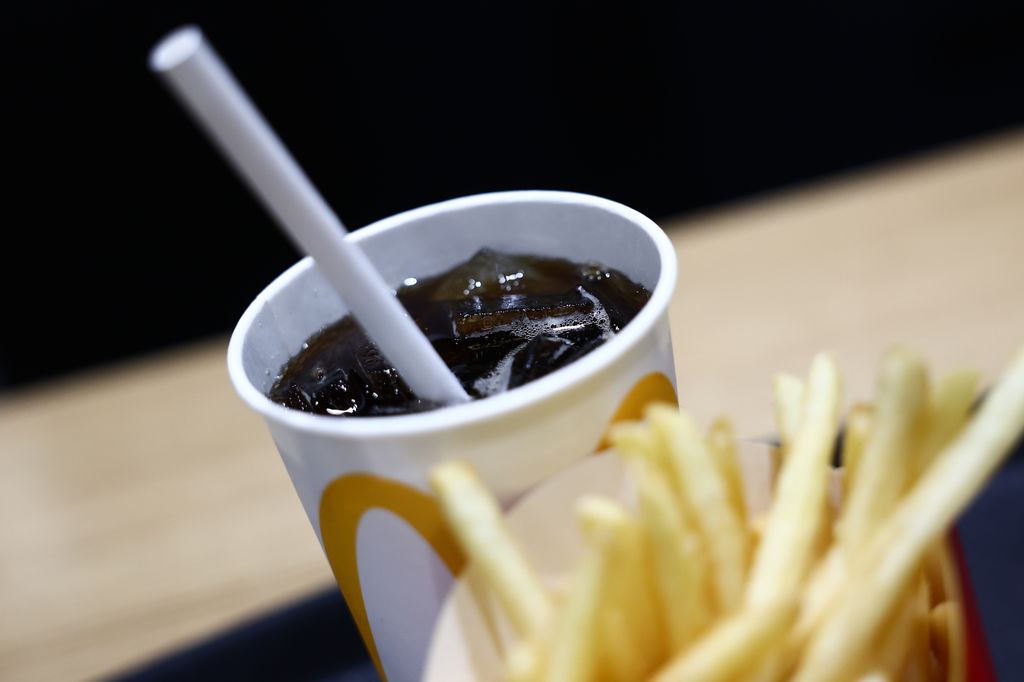
Now, a new remedy has entered the arena claiming to be the ultimate migraine quick fix. Introducing the McMigraine Meal - a combination of coca-cola and large fries that's promised to rid you from your pain, one caffeinated, salty bite at a time.
Sounds too good to be true, right? That's why I carried out a deep dive into the viral hack for HELLO! readers, so we can all figure out if the internet's gone mad again or if this really works.
How to make a migraine go away?
According to the internet, there are several hacks to try when you feel a migraine coming on, but the newest method seems to involve a trip to McDonald's for a large full-fat Coke and a portion of large fries.
The McMigraine Meal originated on TikTok and went viral after multiple anecdotal accounts dubbed it the cure to end all headaches and migraines.
It is believed to work because of the individual ingredients that make up the combination and how they interact with each other and your body.
The caffeine in the Coca-Cola is thought to help, as it is a common ingredient in over-the-counter migraine medications because it narrows blood vessels to enhance the effect of pain relievers such as ibuprofen.
This is then combined with the high salt content in the fries which acts as a kind of electrolyte. For some people, migraines are linked to electrolyte imbalances or dehydration, so the sodium could help balance and retain fluids.
Finally the mixture of sugar and carbohydrates in the snacky meal will raise blood sugar levels, which could offer relief to anyone who suffers migraines triggered by low blood sugar.
 © NurPhoto via Getty Images
Of course, these remedies are akin to old wives' tales and sometimes it is best to turn straight to traditional medicine to tackle pain immediately. Over-the-counter painkillers like ibuprofen and paracetamol are a safe bet to try first.
In cases where migraines are extremely severe, it is advised to seek medical help from a professional who may prescribe harsher medication called triptans, in particular, sumatriptan.
What are the 5 C's for migraines?
The five C's refer to foods and drinks that commonly trigger migraines, however, they are just a rough guide as these types of headaches are very unique to each person and because of this, it is difficult to nail down a single cause.
Headache specialist and leader of the Migraine and Complex Headache Service at Midland Health in Birmingham, Dr Katy Kyprianou, debunked this for HELLO! readers. She said the five C's are "sometimes used to help patients understand both common features and part of the prodromal phase of a migraine; in other words, craving these foods could mean a migraine is due to attack".
She broke them down: "These can include:
- Changes (in routine, sleep, hormones)
- Caffeine (withdrawal or overuse)
- Chocolate (a common dietary craving in the prodromal phase)
- Cheese (especially cravings of aged varieties in the prodromal)
- Citrus (another potential dietary craving in the prodromal phase)"
 © Getty Images
What is the main cause of migraines?
As we mentioned above, it is very difficult to identify exactly what causes migraines in each person but there are some common threads that might explain the reasons for your splitting headache and the other nauseating symptoms that come with it.
For some, these headaches could be the result of genetics whereas for others, it can be induced by stress or lack of sleep.
Dr Katy explained: "It's important to remember that migraine attack triggers vary greatly between individuals. Often migraine may be genetically inherited (and so it is important to explore family history during the initial consultation) but that in itself will not suffice to bring on migraine attacks.
 © Getty Images
"Epigenetics play a significant role in sparking an attack, such as:
- Sleep disturbance (oversleeping, lack of sleep)
- Dehydration
- Poor diet (including fast foods, quick release fast carbohydrate foods such as sweets)
- Prolonged fasting (this will allow the blood sugar levels to drop and in effect spark an attack)
- Hormone fluctuations
- High stress
- Alcohol intake (this can cause dehydration, diuresis and disturbed sleep)"
Sensory stimuli can also bring on an attack as strong smells, bright or flickering lights, and loud sounds trigger the brain to release too many chemicals at once, causing a throbbing headache often on one side of the head.
Debbie Shipley, Head of Information and Support at The Migraine Trust, added: "Migraine is a complex neurological condition and for those that live with it, the nerves in the brain are thought to be more sensitive than normal, meaning they can quickly become overstimulated, resulting in a migraine attack. It’s not fully understood exactly why some people develop migraines but there is known to be a strong genetic link."
The NHS recommends seeking medical help if: your migraines are severe or getting worse, or lasting longer than usual; you have migraines more than once a week; you're finding it difficult to control them; or you regularly get migraines before or during your period.