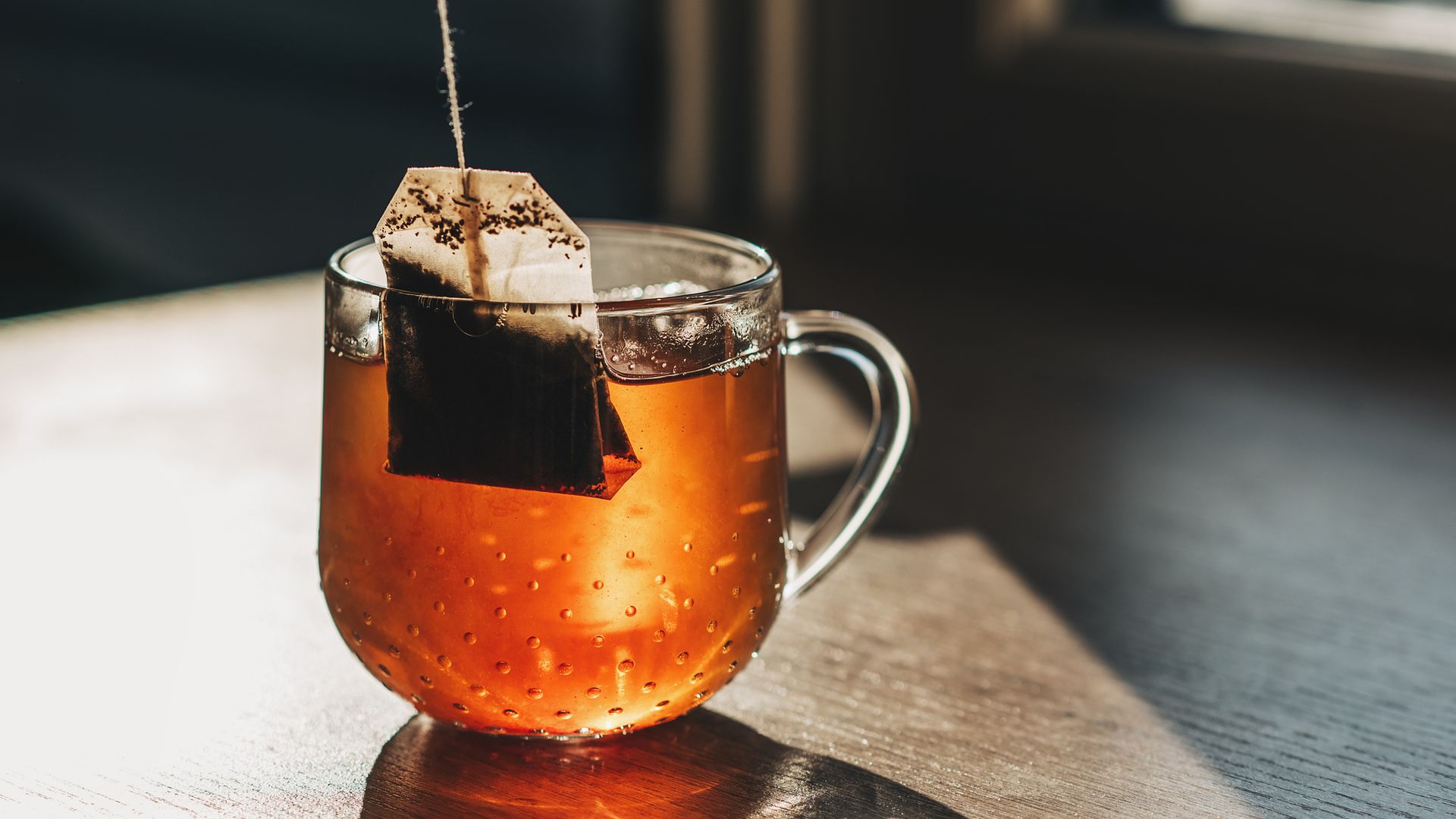

Tea has been at the centre of many a debate in Britain, whether it be putting the milk or the tea bag in first, adding sugar or no sugar, taking it black, or having it builder's style - the list goes on. However, there's new chatter emerging around tea that has nothing to do with how to brew it.
Brewing tea in the synthetic bags that are sold by supermarkets up and down the country could be having a massive impact on your health, one cup at a time.
The hidden dangers in tea bags were first explored by researchers at McGill University in Montreal, Canada, during a study titled 'Plastic Teabags Release Billions of Microparticles and Nanoparticles into Tea' that was published in the journal Environmental Science & Technology on 25 September 2019.
Shockingly, it found that one plastic tea bag releases 11.6 billion microplastics and 3.1 billion nanoplastics - meaning a single cup of tea from a plastic bag contains hundreds of thousands of times more plastic particles than a person was thought to consume in a year before the results were released.
But what does this really mean for our bodies and, more importantly, our hormonal balance? HELLO! consulted with the experts…
What are most tea bags made of?
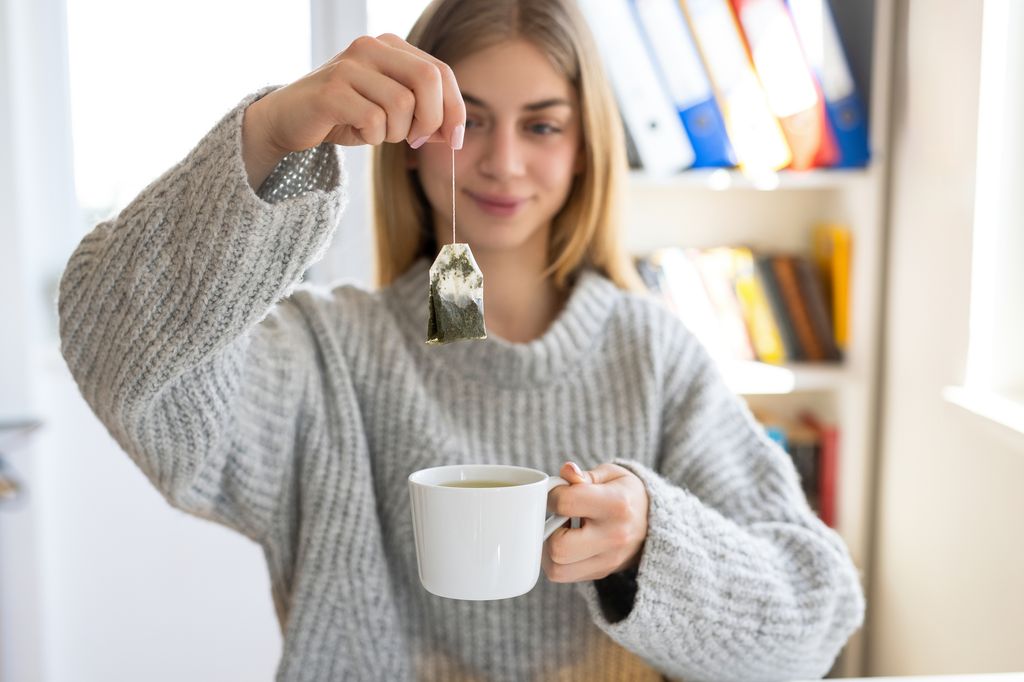
While nowadays most tea bags are made from natural plant fibres, many still contain a type of plastic called polypropylene so that they stay sealed when they come into contact with heat.
About 20-25 per cent of the traditional tea bag was made up of this plastic in the past, with some brands using plastic in the actual bag as well as to seal them shut. You will usually be able to tell if there is plastic in your tea bag by its look and feel, as it differs from that of the standard paper ones.
However, by late 2025, many major UK brands (Yorkshire Tea, PG Tips) have already switched to plant-based (PLA) sealants for their standard bags. The real danger now lies mostly in the "luxury" silken/mesh pyramid bags, which are often still nylon/PET.
What are the silent dangers hidden in tea bags?
While it may not look it, the humble tea bag might be causing you more harm than good once it hits the boiling water in your mug. As you sip on the hot liquid, you are more than likely also ingesting teeny tiny pieces of plastic, each time you swallow.
Rhiannon Lambert, leading nutritionist, bestselling author and founder of Rhitrition Clinic, has over 10 years of experience in the field. She told HELLO!: "Some tea bags, particularly plastic mesh or pyramid-style bags, are made using materials such as nylon or polypropylene, or are heat-sealed with plastic.
"Laboratory studies have shown that when these bags are brewed in hot water, small amounts of micro and nanoplastics can be released into the drink. However, it’s so important to be clear that the presence of microplastics does not automatically mean harm to us as humans."
The expert continued: "While this research highlights that these tea bags are a potential source of exposure, there is currently very limited evidence showing that the levels consumed through tea have negative health effects in humans. Health authorities continue to state that more human research is needed before firm conclusions can be drawn."
 © Getty Images
How are microplastics affecting our bodies, in particular our hormones?
Like any foreign substance or objects that enter the body, there is a degree of risk with ingesting something that is not all natural. But how much of a risk is a tea bag, and is it more scaremongering than scientific fact that these microplastics are a real danger to our health?
Rhiannon explained: "Laboratory and animal studies suggest that very small plastic particles, and chemicals associated with plastics (known as Endocrine Disrupting Chemicals (EDCs), which can mimic the body's natural hormones, may influence processes such as inflammation, oxidative stress and signalling pathways linked to oestrogen and reproductive hormones.
"These findings help researchers understand possible mechanisms, but they don’t reflect typical dietary exposure particularly well. Importantly, as previously mentioned, the human evidence isn’t currently strong enough to suggest that everyday exposures, such as microplastics from tea bags, cause this level of hormonal disruption in women."
She added: "While reducing unnecessary plastic exposure is sensible and something we could aim to do, it isn’t scientifically accurate to suggest female hormonal imbalances or reproductive health concerns are linked to tea bag use based on the science we have today."
 © Getty Images
What can we do to get rid of microplastics from our bodies?
Now that there is growing awareness of the presence of microplastics in some food and drink products, is there a way to get rid of the existing microplastics from our systems? According to the experts, in short, the answer is no.
However, Rhiannon pointed out that there are steps we can take to minimise the consumption of these substances in the future. She shared: "While we don’t yet have evidence showing we can actively remove microplastics from the body or directly 'reset' hormones, there are some sensible steps that may help reduce exposure and support the body’s natural processes.
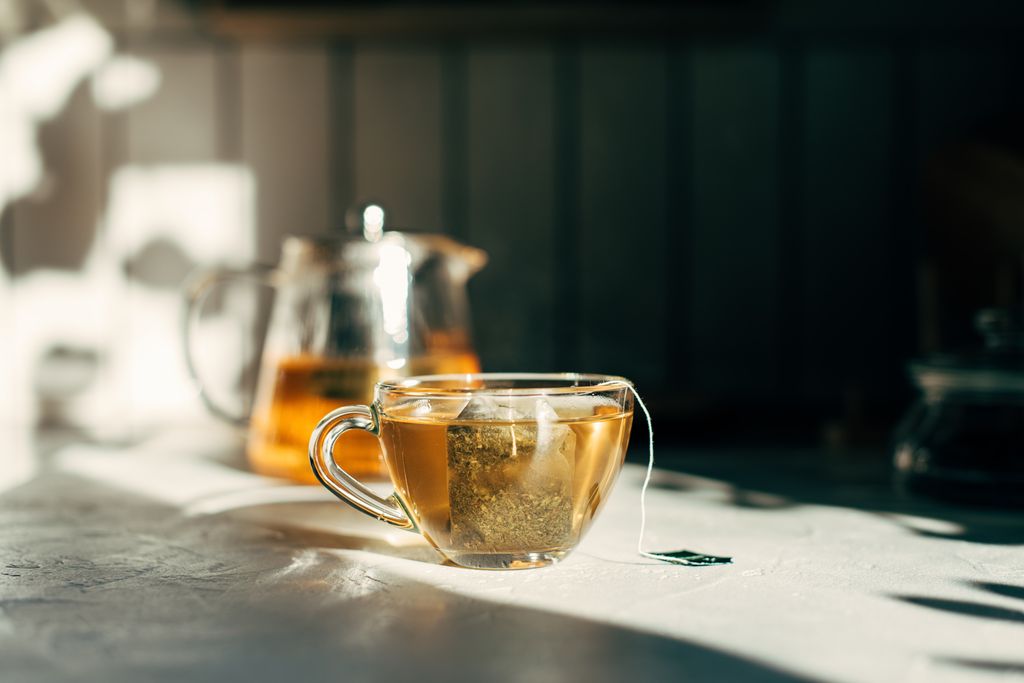
"Tea drinkers who want to minimise unnecessary plastic exposure may choose loose-leaf tea with an infuser, or opt for tea bags that clearly state they are plastic-free, rather than plastic mesh or pyramid styles."
She expanded: "The same principle applies more broadly to food and drink. Using glass or ceramic containers for hot foods and drinks, rather than heating plastic, is a simple way to reduce avoidable exposure, as heat is known to increase the migration of substances from plastics into food."
Rhiannon also explained how our diets contribute to this growing consumption of microplastics and outlined the importance of gut health when it comes to regulating our systems so they are performing at optimal rates.
"From a dietary perspective, the gut plays a central role in how ingested particles move through the body. Emerging research suggests that dietary fibre may provide some benefit in limiting how microplastics interact with the gut lining," she said.
"However, this research is still in its early stages and much more is needed to confirm this, but it reinforces the broader message that fibre-rich diets support gut function and overall health."
 © Adam Brazier
Rhiannon Lambert is a Registered Nutritionist, founder of Rhitrition, a three-time Sunday Times bestselling author and co-host of The Wellness Scoop podcast.