Victoria Beckham famously follows a rigid diet, with her husband David sharing that she eats fish and vegetables every day – and has done so since they met over 25 years ago.
While it may sound uninspired to some, a hidden health condition could be VB's reason for her regimented eating.
What health condition does Victoria Beckham have?
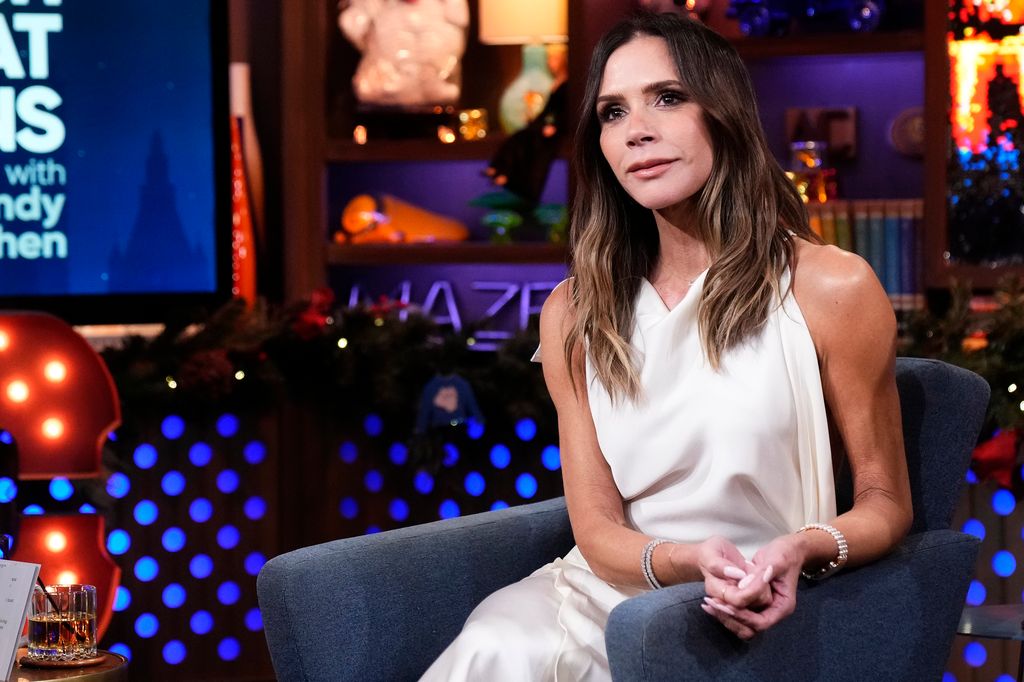
The 51-year-old fashion designer has polycystic ovary syndrome (PCOS), a condition that caused her to experience fertility issues when trying to conceive.
According to nutritionist Hannah Alderson, who has PCOS herself, PCOS is an endocrine disorder driven by an imbalance of hormones, typically producing excessive amounts of testosterone, cortisol, and insulin. "A collection of specific symptoms unique to each individual, PCOS can be linked to insulin resistance, inflammation, and high stress. Symptoms often include irregular or absent periods, fluctuations in weight, anxiety, fatigue, excess hair growth, sleep issues, and skin conditions."
Hannah notes: "The severity of PCOS can also be lessened through positive actions associated with diet and lifestyle. You cannot cure PCOS, but you can radically improve its expression and your symptoms."
With this in mind, in her attempts to manage PCOS, Victoria might have found that altering her eating habits helped to control symptoms.
Managing PCOS via your diet
When trying to control PCOS symptoms, registered dietitian and PCOS specialist Jodie Relf says your diet can make all the difference. "It can be beneficial to focus on lifestyle changes such as eating a balanced diet to work on balancing glucose levels and reducing the risk of developing type 2 diabetes. This includes including protein with most meals and choosing high-quality carbohydrates."
This advice is certainly followed by Victoria, with fish being an excellent source of protein. As for high-quality carbohydrates, this counts as broccoli, beans and lentils – making up the carb part of Victoria's meal of choice.
Jodie explains that studies have shown that individuals with PCOS tend to have low-grade chronic inflammation, which contributes towards symptoms, and inflammation can be lowered by including foods rich in antioxidants in your diet. She recommends fruits, vegetables, and wholegrain foods.
 © Charles Sykes/Bravo via Getty Im
"Healthy fats, specifically Omega 3, can help reduce inflammation so including nuts, seeds and oily fish as part of your diet can be helpful," – again all things Victoria does with her eating regimen.
Cutting out sweet treats
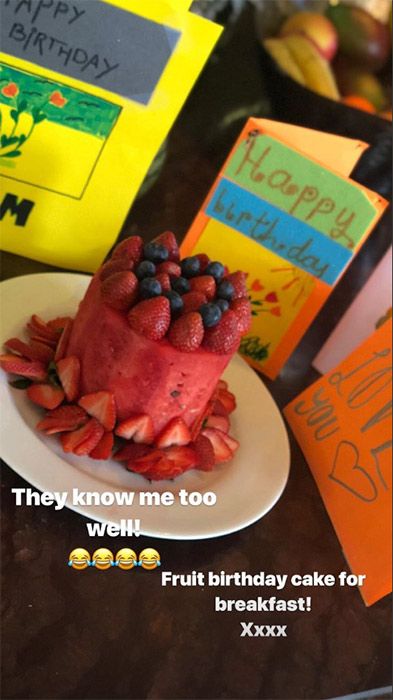
Victoria's aversion to artificial sweet treats has been spoken about over the years – mainly when she had a birthday cake made from watermelon rather than the traditional sponge, but this, too, could contribute to her managing her condition.
"Reducing your intake of very sugary foods and drinks and highly processed foods can cause improvements in the balance of gut microbiomes [easing PCOS]. A diet high in these foods can have a negative impact on our gut microbiome," Jodie adds, also noting that foods naturally containing probiotics can help – think kefir, kimchi, sauerkraut, kombucha, natural yoghurts, miso, and tempeh. "Including these in your diet as regularly as possible, ideally daily, will help increase the amount of good bacteria present."