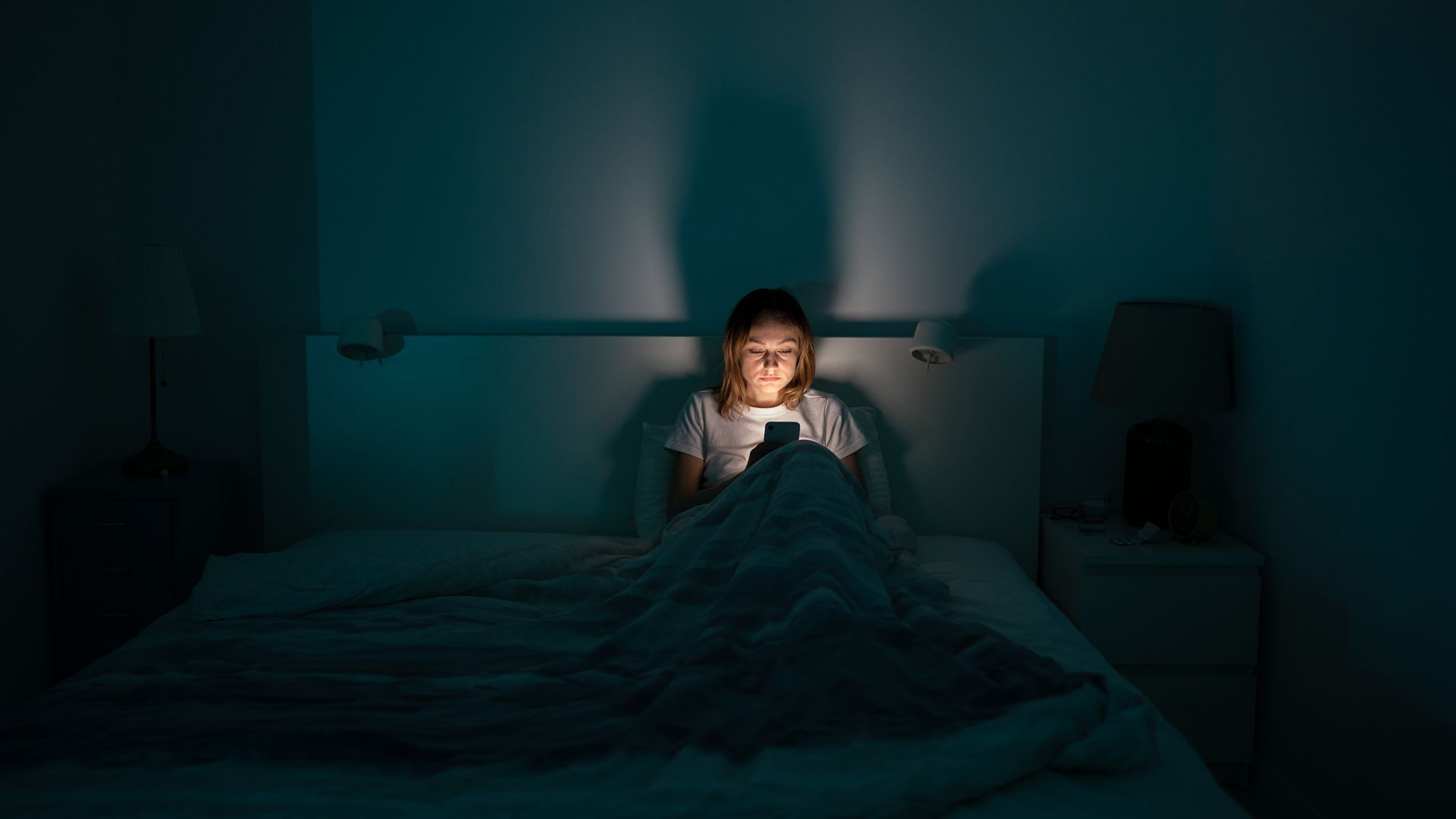

Experts recommend we take a break from screens for one to two hours before going to sleep, but if you can't resist a late-night scroll, it could say a lot about your personality.
According to a psychologist, your bedtime phone usage, including the content you look at and the way you can interact with it, can reveal anything from your mindset to your work ethic. Dr. Stefanie Mazer, a licensed psychologist, describes the different types of social media users - such as the FOMO scroller, the compulsive comparer, and the doomscroller. Which of these do you relate to?
 © Getty Images
The FOMO Scroller
"The ways people use their phones before bed can tell us a lot more about their internal worlds than their Myers-Briggs personality types can," Dr. Mazer says. "Take FOMO scrollers, for instance. These folks hate the feeling of being disconnected from their social environments. They tend to be highly socially intelligent and value relationships, so their default place of safety is to know what’s going on in the world around them."
The psychologist says that these people may use their phones as a way of feeling connected to others. "The act of setting it down feels awkward in the absence of it, not because they’re addicted to the content, but because stillness feels a little too still," she explains.
The Compulsive Comparer
Meanwhile, some people may have a tendency to compare themselves to others, which can impact mood - particularly when they may be feeling tired.
"Compulsive comparers tend to open their apps and fall into the comparison trap in the evening hours. These are usually quite conscientious, high-achieving people who set the bar high for themselves," the psychologist shares.
"The mindful focus it takes to stay on track during the day is also what keeps this kind of scrolling under control. But as the day lets up, and the guard comes down, scrolling begins to morph into comparing. Who’s doing better? Who looks happier? Who seems like they have it more together? It’s mostly unintentional, but the cycle is one of increased stimulation and self-judgment when sleep should be happening."
The Doomscroller
If you're prone to reading worrying or upsetting news, especially before bed, it may cause extra stress before you go to sleep, as Dr. Mazer explains: "Doomscrollers, as you might guess, tend to be sensitive and conscientious as well. They care about the world and have a hard time letting go of what they see happening in it. The issue is that the brain is interpreting all this bad news as information. It’s reading it as a threat. So even though they’re exhausted, the nervous system remains on high alert."
Why we may scroll before bedtime
The varied uses of bedtime scrolling may indicate different personality traits, but they all have something in common. "Self-regulation," the psychologist says.
"Almost every kind of bedtime phone use is an attempt to regulate some inner experience, whether that’s anxiety, loneliness, pressure, or mental chatter. When folks learn to stop judging the behaviour and start to get curious about the role it plays, transformation can happen."
How to change your bedtime scrolling habits
The good news is, you don't have to completely give up your bedtime scrolling if you don't want to. However, with some consideration and careful changes, you might be able to establish healthier habits around your phone use.
 © Getty Images
"The key is first identifying why you turn to your phone at bedtime in the first place. For some people, it’s loneliness. For others, it’s mental overstimulation or a need to remain tethered to the world. Once you know what the phone is doing for you on an emotional level, you can start to replace it with something that does the same thing more gently," Dr. Mazer says.
"If scrolling helps you feel connected, that might mean building in some connection earlier in the evening so bedtime doesn’t feel like a drop-off. If comparison is the issue, it helps to be aware of what you’re consuming. Not all content affects the nervous system in the same way, and curating who you follow matters more than most people realise."
Meanwhile, the psychologist says that "boundaries are more effective than willpower" when it comes to doomscrolling. "Setting a clear stopping point, even ten or fifteen minutes before you intend to sleep, gives the brain time to come down. Following that boundary with something grounding, like a few pages of a familiar book or a calm voice, helps the body relearn what winding down actually feels like," she says.
The important thing to remember is that you don't need to feel guilty about your bedtime scrolling, as the expert shares: "The goal isn’t to never scroll again. It’s to stop using your phone as the primary way you regulate yourself at night. When people focus on that shift, the habit tends to fade on its own, rather than becoming another thing they feel bad about."