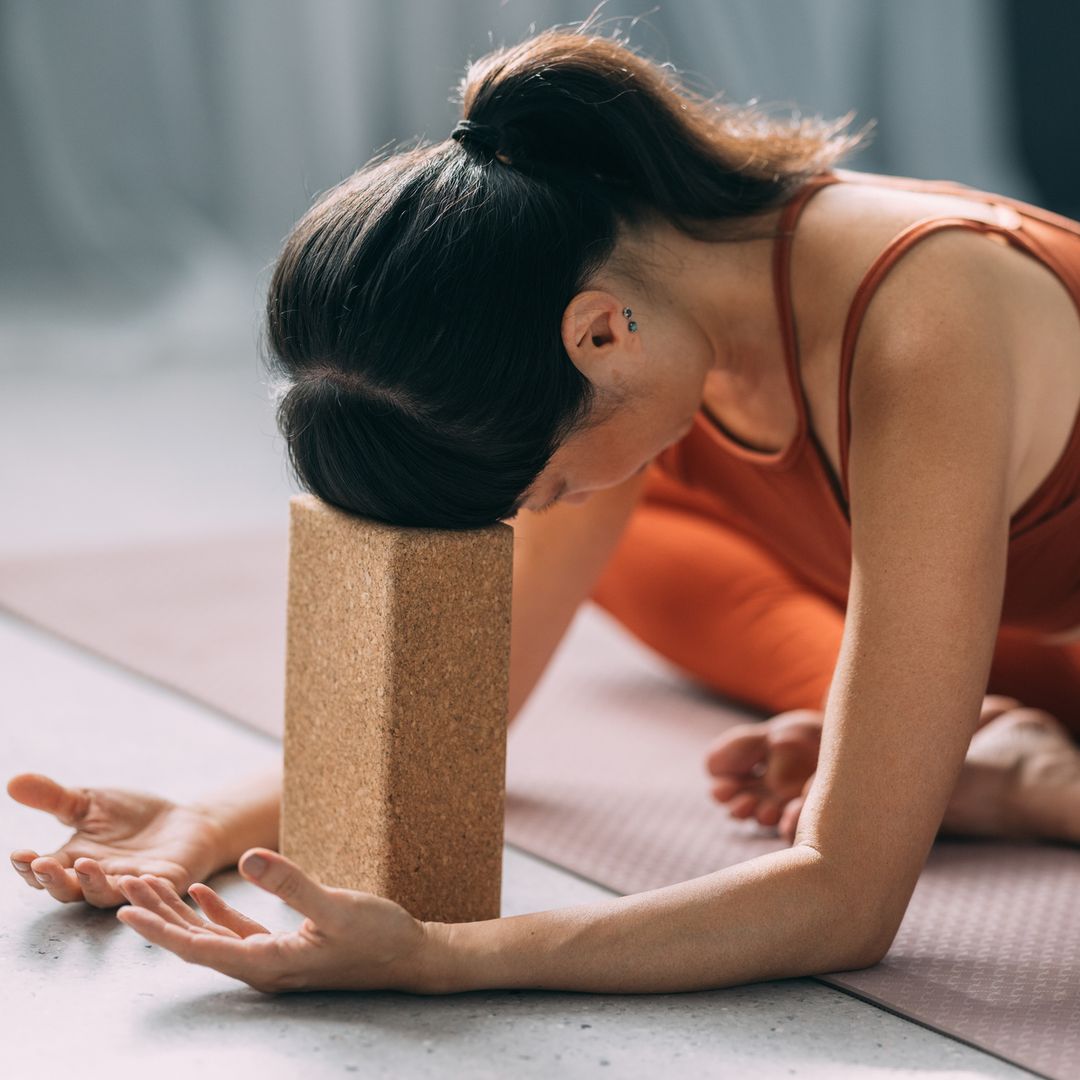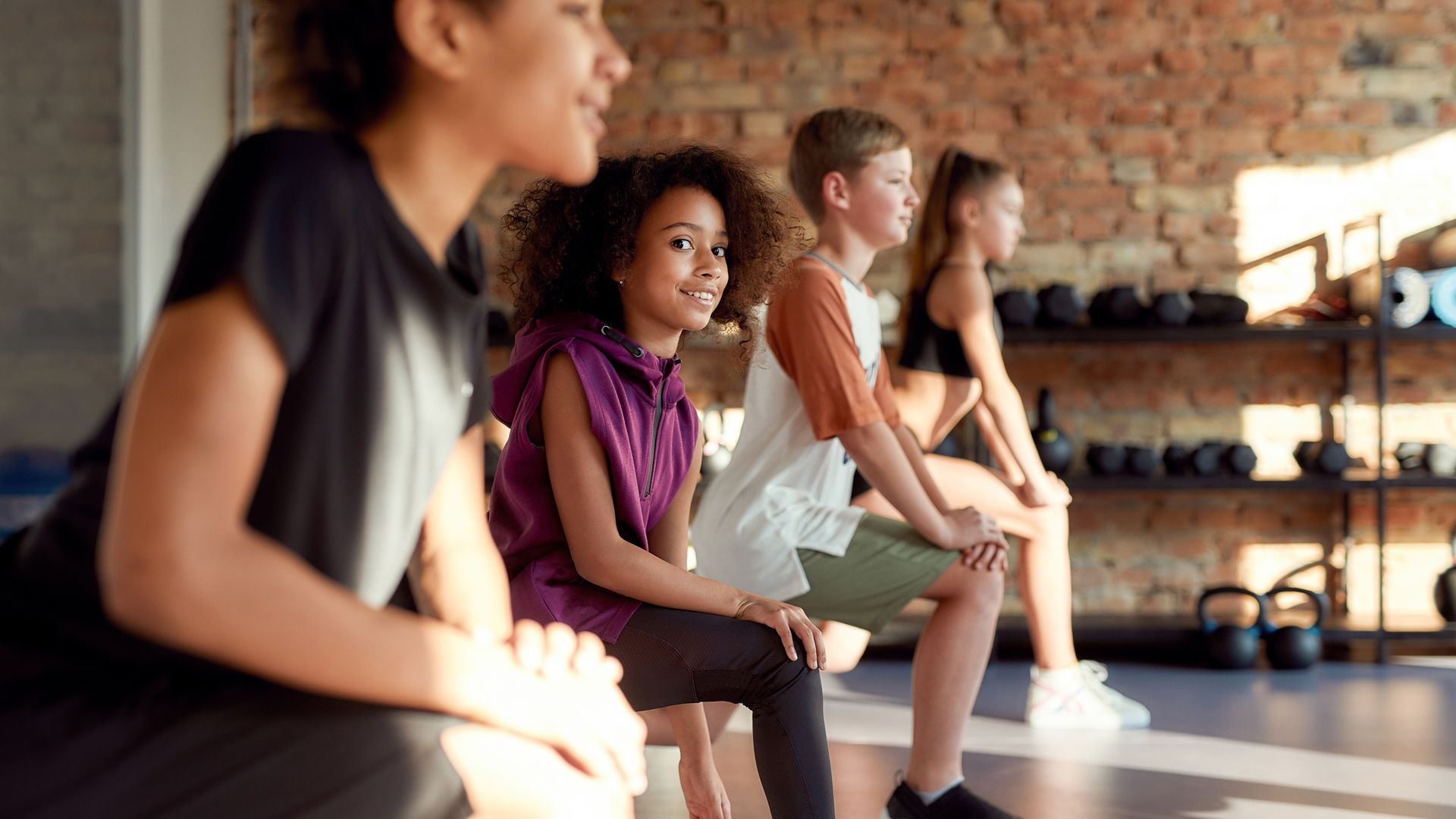

Staying active is important at any age, and for parents, keeping fit can set a good example for children and highlight the benefits of a healthy lifestyle. But at what age can kids join you at the gym? And what safety considerations should you have around workouts for children?
To get all the need-to-know answers, we caught up with Dr. Akanni Salako, a Doctor of Physical Therapy and founder of The Wellness Lab, who says that generally children should be at least 12 to be ready to use the gym - and only with supervision.
Recommended age for kids to go to the gym
 © Getty Images
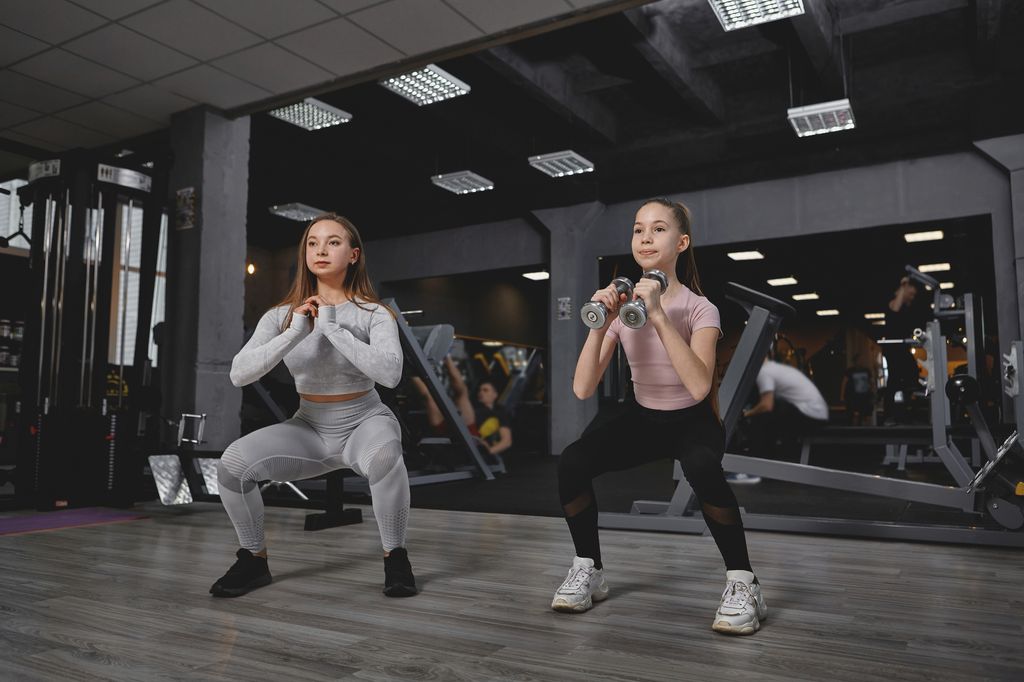
"There isn’t a one-size-fits-all age, but generally speaking, around 12-14 years old is when children can begin using a gym with proper supervision. At this stage, they typically have enough body awareness, coordination, and emotional maturity to follow instructions and respect safety rules," the fitness expert says.
However, Dr. Salako says that even if children are trusted to work out in the gym, it doesn't mean they should use all of the equipment. "That said, the focus should never be on lifting heavy weights or 'training like an adult.' For kids and early teens, the gym should be a place to learn foundational movement, build confidence, and develop healthy habits, not chase aesthetics or max lifts," he says.
"For younger children, structured activities like sports, playground play, bodyweight exercises, or youth-specific fitness programs are far more appropriate and beneficial."
Are there any equipment or movements children should avoid - and why?
Introducing children to gym equipment should be done under supervision and only with age-appropriate exercises, as the doctor says: "The biggest risk isn’t strength training itself - it’s poor technique, poor supervision, and excessive load."
Children should avoid:
- Maximal or near-maximal lifts (testing one-rep maxes or lifting to failure)
- Heavy barbell lifts without proper coaching and progression
- Machines that don’t fit their body size, which can place stress on joints and growth plates.
Instead, training should prioritise:
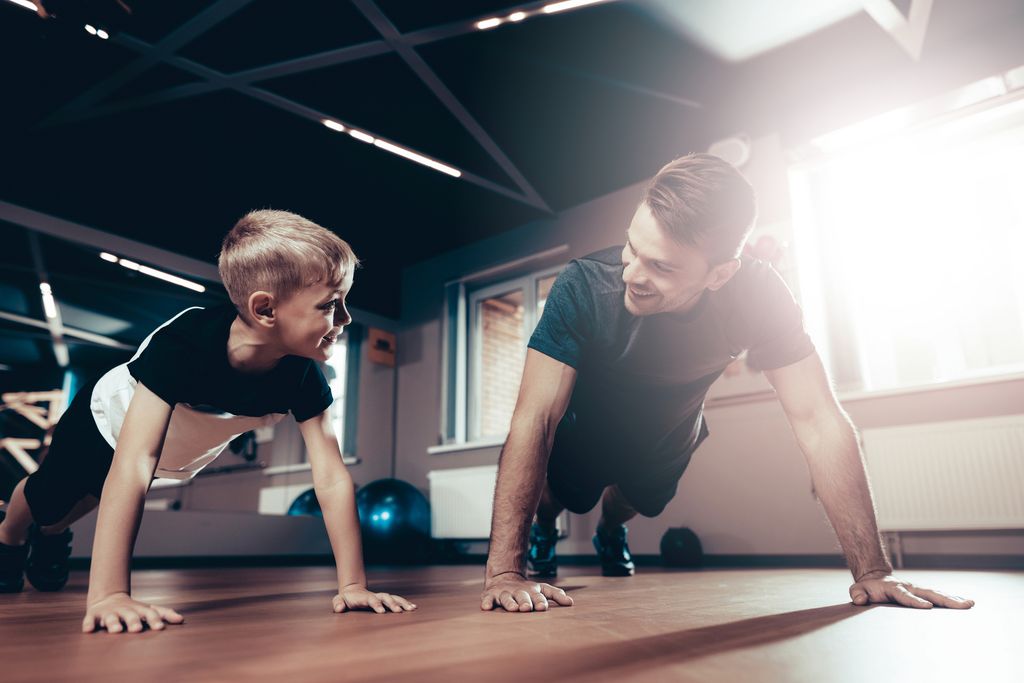
- Bodyweight movements (squats, lunges, push-ups, hangs)
- Light resistance using bands or dumbbells
- Exercises that emphasise control, balance, and coordination.
"When done correctly, strength training is actually protective; it can reduce injury risk in sports and improve posture and confidence," Dr Salako adds.
 © Getty Images
Key considerations around fitness for children
If you're considering letting your child go to the gym, you should also consider the reasons for doing so and ensure that you are sending a positive message about movement, as Dr. Salako says: "The goal of fitness for children should be long-term health, not short-term performance."
Important considerations include:
- Proper supervision from a qualified coach or knowledgeable adult
- Age-appropriate programming that matches their physical and emotional development
- Positive messaging around movement - fitness should feel empowering, not punishing
- Balanced activity, including play, sports, strength, and mobility.
Perhaps most importantly, fitness should never be tied to weight loss, body image, or comparison. Kids benefit most when movement is framed as something their body can do, not something that needs to be fixed.
The physical therapist concludes: "When children learn that exercise is about strength, confidence, and capability, not pressure, they’re far more likely to stay active for life."