
For many, autumn is considered the best season of them all. With the 'back to school' feeling in the air, bringing a sense of a fresh start and the leaves starting to turn brown, the countdown to the end of the year is well and truly on. And what's better than an autumnal walk through the park? With the air a little crisp but the sun still beaming, it's hard to find better conditions, particularly if you're a dog owner. But there are some drawbacks that come with this time of year, particularly as it's the season of horse chestnuts, which pose a risk of poisoning our furry friends.
Dr Suzanne Moyes has shared some advice for those who might be worried about their dog ingesting the toxic plant. From how to swerve the risk entirely to the immediate next steps to take if it happens, the registered veterinarian, who has partnered with Green Pantry, gives her take to HELLO! on keeping our dogs safe this season.
Are conkers really poisonous to dogs?
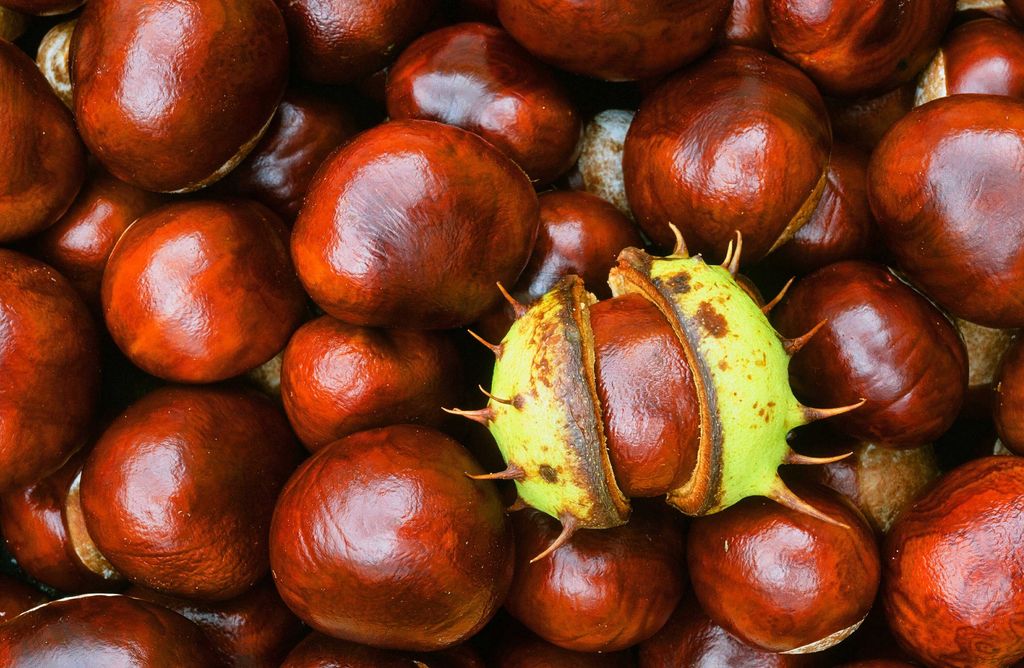
First up, the facts: conkers, which derive from the horse chestnut tree, are poisonous to dogs because of their genetic makeup. "They're poisonous because they contain a toxin called aesculin, which can cause a dog to be sick or may upset their stomach. It's not just conkers that are poisonous to dogs either, all parts of the horse chestnut tree contain the toxin, including the leaves, bark and flowers.
What makes it difficult is that it's hard to determine the levels of toxicity from plant to plant. Dr Suzanne explains: "A conker's toxicity varies from tree to tree, so how much your dog is affected by this toxin depends on their size, how much they've ingested, when they last ate, as well as if they have any other existing health issues." Therefore, it's advised to avoid altogether. The toxins aren't the only risk, however. "Conkers can also be dangerous to dogs due to their round and smooth shape, making it easy for dogs to swallow them whole. This can lead to choking or could block their gut, causing severe damage to their bowels if not removed safely."
 © Getty Images
What are the signs your dog has ingested the toxic plant?
If you've been out on an autumnal walk with your dog happily roaming free, then it's important you're aware of the signs to look out for in case they've ingested a conker without you noticing. "After eating a conker, your dog may start to become unwell and show symptoms within one to six hours after ingesting it," Dr Suzanne explains. "If you suspect your dog has ingested a conker, it's important to monitor them closely. Common signs and symptoms of poisoning to look out for include being sick, an upset stomach, dribbling, signs of stomach pain, being thirstier, a low appetite, restless, not walking in a straight line, or even shaking and being unable to move."
 © Getty Images
What to do if your dog eats a conker
If you're noticing symptoms in your dog, even if they're not severe, it's always best to seek medical advice. "Always contact your vet immediately. They will be able to provide you with guidance and treatment options as surgical removal may be required." Regardless of whether you know for certain if they have, if your pooch is unwell, it's better to be safe than sorry. A trip to the vet could save their life.
How to prevent and keep dogs safe on autumnal walks
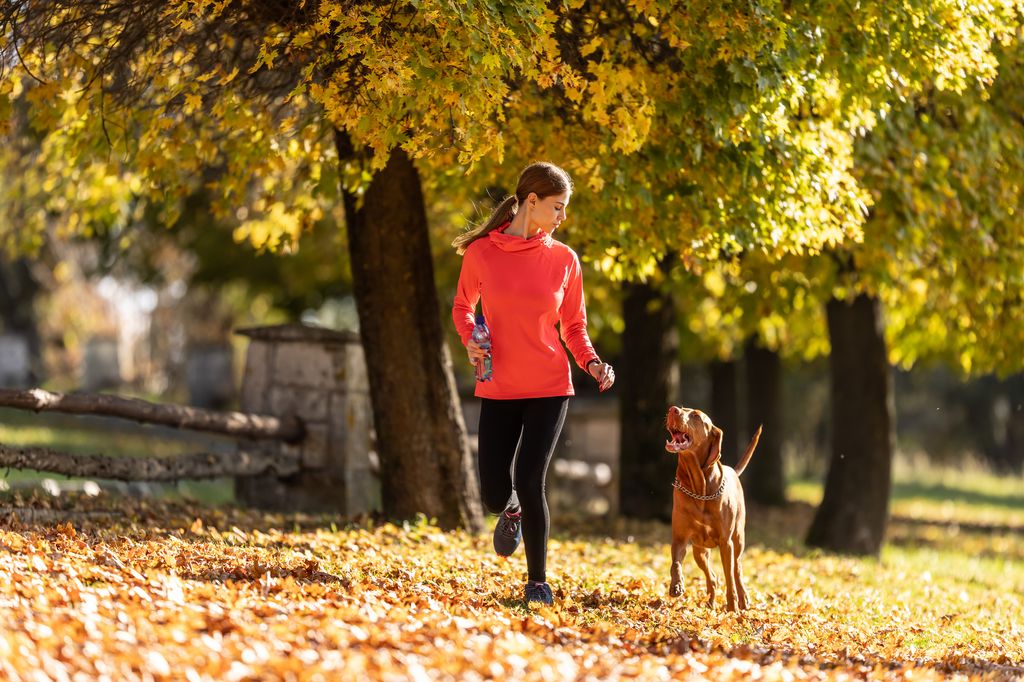
Dogs can be unpredictable, especially those who are active and require lots of exercise. It can be difficult to keep track of exactly what they're doing when they go off exploring on their adventurous walks. Dr Suzanne advises that if you're worried about them ingesting toxic conkers, it's better to be on high alert and mitigate risks as much as possible. Vigilance is key, especially when conkers aren't the only thing to be wary of.
 © Getty Images
"While autumn is a great time of year for dog walks, the season can bring with it a range of factors that can be hazardous to your dog. Similarly to conkers, acorns contain tannins, which can also cause stomach issues or in rare cases, liver and kidney damage," says Dr Suzanne. "Piles of damp leaves, often found in autumn, can also be toxic to dogs, as they foster mould growth which produces tremorgenic mycotoxins, which are very poisonous to dogs. If ingested, it can cause sickness, body tremors and even seizures."
It doesn't mean avoid outdoor walks completely, of course. It's about being aware. "To keep your dog safe during autumn walks, always steer clear of leaf piles and stick to clear paths to walk on if you can," she says. "Make sure to supervise your dog closely and keep them on a lead in areas where there isn't a clear path. Don't encourage your dog to play with conkers or sticks on the floor, and instead distract them with suitable toys to play with to keep them occupied."