
In the grand scheme of things, fashion journalism isn't exactly a taxing job. Especially when the majority of your friends are doctors, lawyers and investment bankers. I guess that’s just what you get for choosing a career based on passion over practicality.
Yet, the role isn’t without its annoyances. The demeaning remarks from middle-aged white men at family parties for one - but more commonly, the never-ending stream of Sex and the City references thrown in your face. ‘Oh, you’re the real life Carrie Bradshaw!’ is a golden oldie - but, and sorry to burst your bubble, it couldn't be further from the truth.
While myself and my colleagues would love to be swanning around New York while inhaling mimosas in flirty John Galliano newspaper print dresses, crystal-encrusted Manolos and rare sequinned Fendi Baguettes, our bank balances would rather we didn’t.
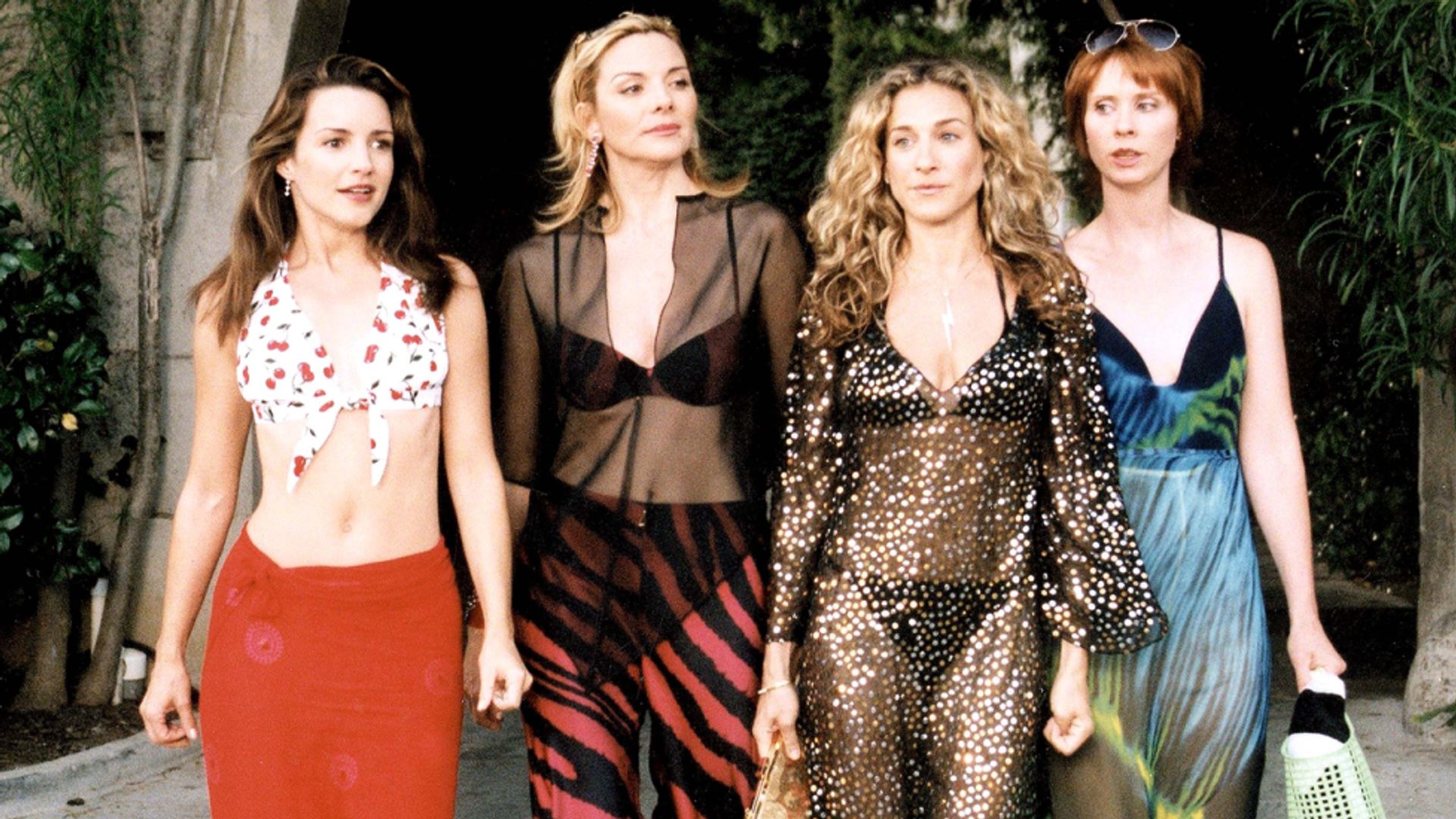
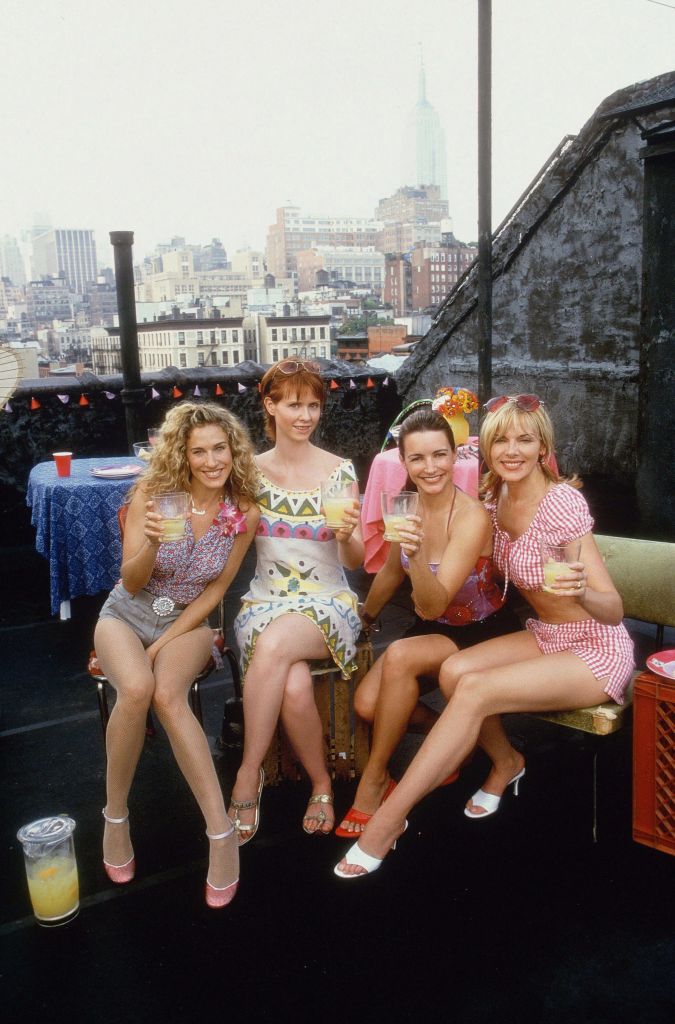
No matter, the fact remains that SATC was a mainstay of the 90s and early Aughts - and its impact on the fashion landscape cannot be understated. The show reshaped the cultural relationship with fashion, lobbing the Bechdel test out the window while transforming clothes into conversation starters and points of references for years to come. Carrie’s frothy tutus, Miranda’s tailoring, Charlotte’s feminine polish and Samantha’s unapologetic boldness gave each woman a distinct visual language, shifting wardrobes into character studies. Hats off to costume designer Patricia Field.
 © Sex And The City
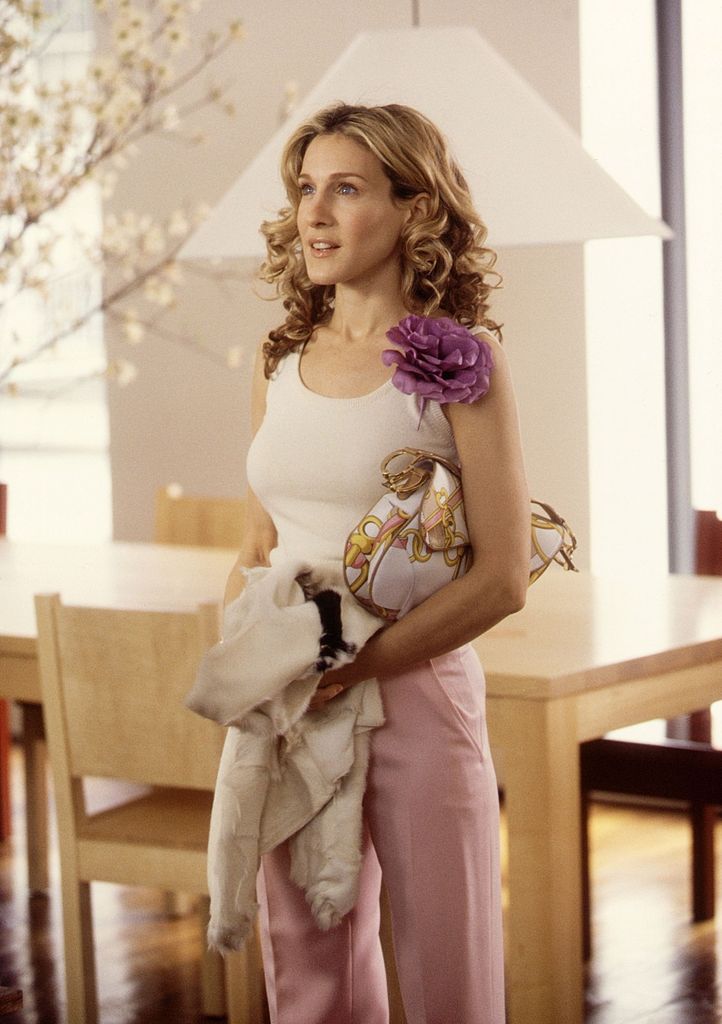
Yet, 27 years after its 1999 pilot, SATC is finally drawing to a close, with Carrie flouncing off our screens in her snakeprint boob tubes and floral Richard Tyler summer dresses one last time.
And honestly? I couldn’t be more relieved. As a firm believer in the ‘let sleeping dogs lie’ philosophy, I can’t help but feel the show drifted into the realm of flogging a dead horse. Sure, it celebrated female friendship in all its gossip-fuelled, champagne-armed glory, but it wasn't without moments of Carrie being, quite frankly, an awful friend.
This is nothing new. Carrie’s flaws have been widely unpicked, highlighted by moments such as judging Samantha for hooking up with a delivery man, pressuring Charlotte into lending her money to buy back her old apartment and relentlessly torturing poor old Natasha, whose husband she was having a steamy affair with.
 © Sex And The City
Which segues neatly into my next qualm with the show - the fashion-journalist-as-bitch stereotype. This idea that fashion writers are aloof, frivolous, and obsessed with shoes over substance was hardly challenged by Sex and the City. If anything, Carrie entrenched it. Her columns rarely extended beyond self-indulgence, her unnecessary splurges on stilettos framed fashion as superficial, and her flippant tone reduced journalism to diary entries in designer heels. Instead of complicating the cliché, she crystallised it for a generation.
Make no mistake, I appreciate that fashion journalism can be surface level at times (gotta get those clicky bikini stories wedged in somehow) and of course, we writers understand that we are not, in fact, always doing God's work. However, fashion remains the seventh-largest economy in the world, generating trillions in annual revenue, fuelling global growth, and employing around 430 million people worldwide. Plus, we’re not all Miranda Priestly. Most of the people I’ve encountered in the industry are genuinely wonderful - and the few who aren’t are hardly a secret.
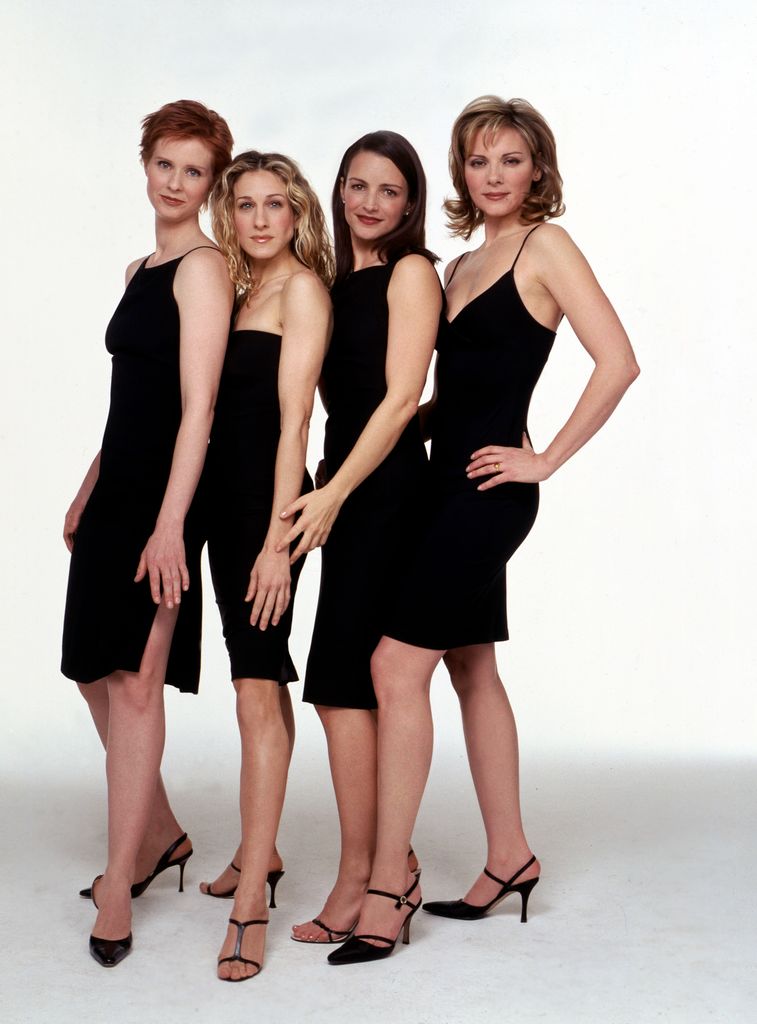 © Sex And The City
It did cross my mind that perhaps I’m deeping the situation. I was only one when the show aired, so perhaps I didn’t fully understand its millennial magic. “It’s easy to forget quite how vicious the cultural landscape was for women when the series launched, but these women were funny, had great sex, wore unbelievable clothes and loved each other with passion. Utterly inspiring stuff for a teenager growing up in a suffocating small town,” says H! Fashion Editor Clare Pennington, who I approached for a second opinion.
“After limping through not one but two series of And Just Like That, while we may love Carrie and the gang, we don’t need them anymore. It’s the realisation that Carrie was extremely selfish, and that no one should sacrifice their financial independence to own that many shoes. The magic has dulled. Not because she changed, but because we did.”
Carrie simply does not belong in an increasingly woke, Gen Z world - just take Sex And The City 2 for example. It was a car crash from a film. Marred by glaring racial stereotypes, internalised misogyny and unbelievable instances of othering while conveying the dated narrative that the West knows best, the 2008 sequel was rightly panned by critics. One British publication dubbed it ‘the most woman-hating film of the year.’ Even the most conservative of cinema-goers cringed throughout.
So yes, while the clothes were outstanding and the friendships intoxicating, Sex and the City needed to end - and did so a good few years too late. Since the girls semi-gaslit Miranda into taking Steve back after having sex with someone else (an act that would see my friends gut the man in question) and in turn, sacrifice her self-respect, I knew the gig was up.
Sex and the City will always be synonymous with iconic style - just look at the endless online coverage. But today, a killer wardrobe alone won’t get you far. As someone who adores silly little shoes and beautiful clothes, I can say this with certainty: character matters more than couture. Carrie’s flaws may have made great television, but it’s time to move on. Let’s leave her, her neuroses, and those little black dresses, firmly in the past.