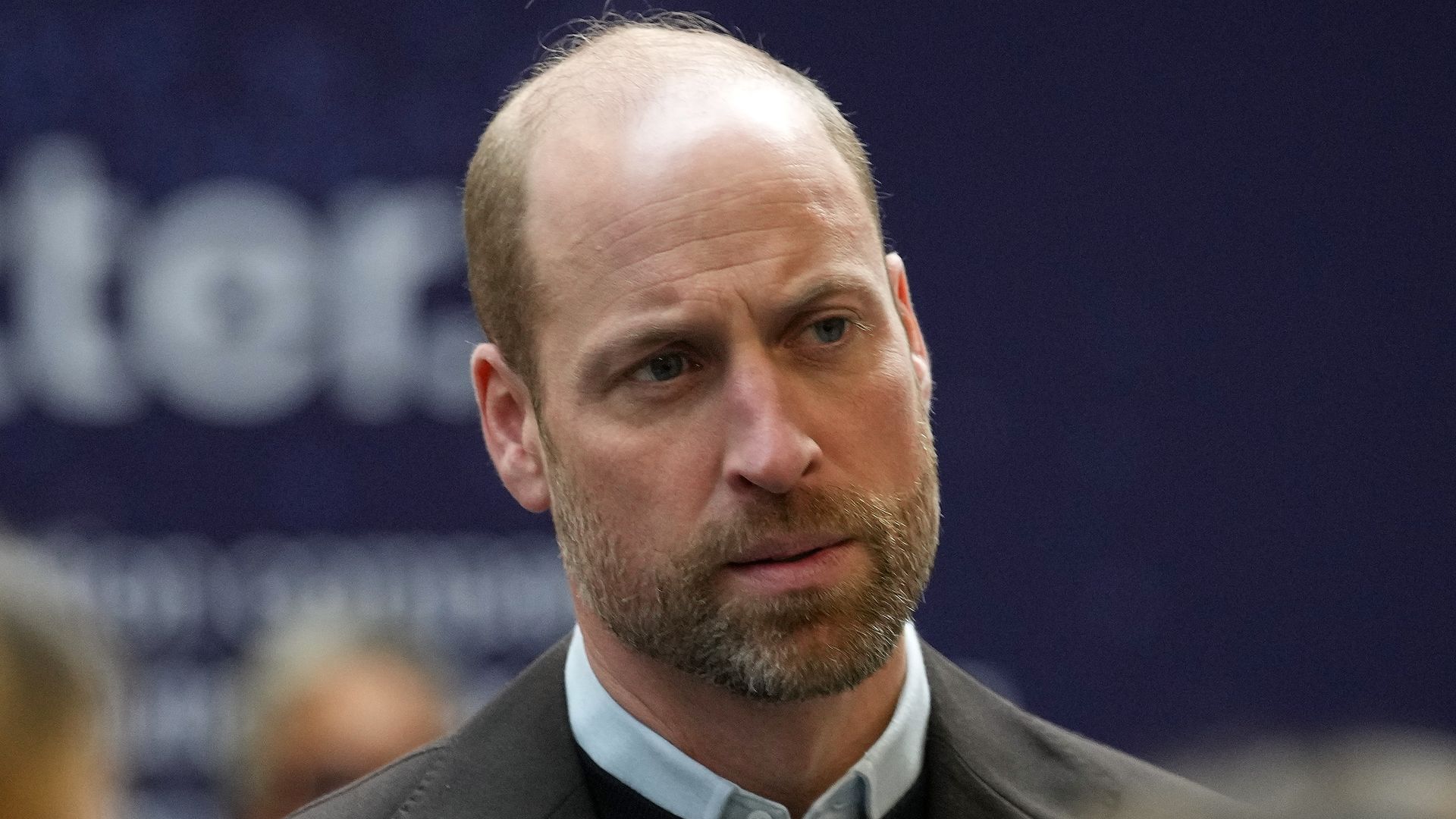
Prince William, 43, raked in an annual private income of £22.9 million in the last financial year from the Duchy of Cornwall portfolio he presides over. However, his finances could be affected by a brand-new rule set to be implemented by the UK government.
A draft of the Commonhold and Leasehold Reform Bill was published on Tuesday, and it is set to overhaul what it deems to be "the draconian system of leasehold forfeiture" and "replace it with a new, fairer and more proportionate, lease enforcement scheme".
The documentation specifically sets out plans to "introduce a cap on ground rents of £250 a year," which could affect the heir to the throne, if his leaseholders under the Duchy of Cornwall have been paying more.
William's extensive property and land portfolio extends across 23 counties in England and Wales and includes the Oval Cricket Ground and 67,000 acres of Dartmoor. The collection currently makes William the biggest private landowner in Britain.
Interestingly, King Charles' beloved country home, Highgrove House is part of the Duchy so technically Prince William is currently his own father's landlord!
The new proposed bill also explains that after 40 years of having leasehold, a £250 charge will no longer be required, instead a "peppercorn" is the payment. We've heard this term before, in reference to Andrew Mountbatten-Windsor's controversial rent at Royal Lodge.
What is peppercorn rent?
Peppercorn rent is a term used to describe a small, nominal rent, such as one peppercorn, to satisfy a legal requirement for a contract to be binding. "Technically, payment of the peppercorn is legally enforceable, though I don't think any tenant – royal or otherwise – has ever lost sleep over this obligation," explains Bryan Johnston, property litigation partner at law firm Dentons.
William to overhaul the Duchy
When William took over the Duchy, he made his eco plans clear. The Prince and Princess of Wales released a video on X in 2023, which showed David Cope, Head of Sustainability, talking to the camera about their eco plans for the Duchy of Cornwall. The representative for the organisation revealed that they are planning to reach net zero by 2030.
Sustainability is a cause close to William's heart, and he seems keen to make his mark when presiding over the Duchy. Although, this mission to be sustainable would have first been championed by his father, who is known as being a pioneer in the field.