
Whether it is through colours, lighting, furniture or textiles, the way we choose and combine our home decor clearly defines who we are – revealing our priorities, our values and how we live.
Architect Javier De la Cruz, co-founder and director of DmasC Arquitectos studio in Madrid, believes interior design and our inner selves are deeply intertwined, and that each space tells a story about the people who inhabit it.
"The spaces we live in condition how we feel, act and even relate to one another," De la Cruz explains.
"That is why it is so important to consider the emotional perspective, understanding that the environment we create can actively generate calm or tension, openness or retreat."
 © Getty Images
Deliberate design choices shape our daily routines and say a lot about our how we are deep down, too.
If you want to get to know yourself with the "bedroom rule", find out what your budget reveals about your values, or discover what your curtains say about your outlook on life, read on as we unpack those details with the expert.
Then De la Cruz helps us apply these concepts to our homes with the architect's cheat sheet on how to design a space for "real life".
8 things your home reveals about who you really are, according to an architect
1/8
 © Getty Images
Not focusing on your bedroom can mean you're not focused enough on your own well-being
The bedroom rule: What your private space says about your self-worth
As the most intimate sanctuary in the house, the bedroom is all too often relegated to the back burner. Along with the bathroom, what should be your sleep sanctuary is frequently left half-finished, undecorated or cluttered with unwanted items, featuring bare walls and temporary wardrobes.
From De la Cruz's perspective as an architect, this choice usually reflects "a lack of attention, rather than a lack of resources".
"Because the bedroom is our most private space, it easily becomes the last area we focus on. The fact that nobody else sees it means we lack the incentive to make it beautiful and cosy - which actually says a great deal about how we value our own well-being."
2/8
 © Pia Lopez Izquierdo Botin
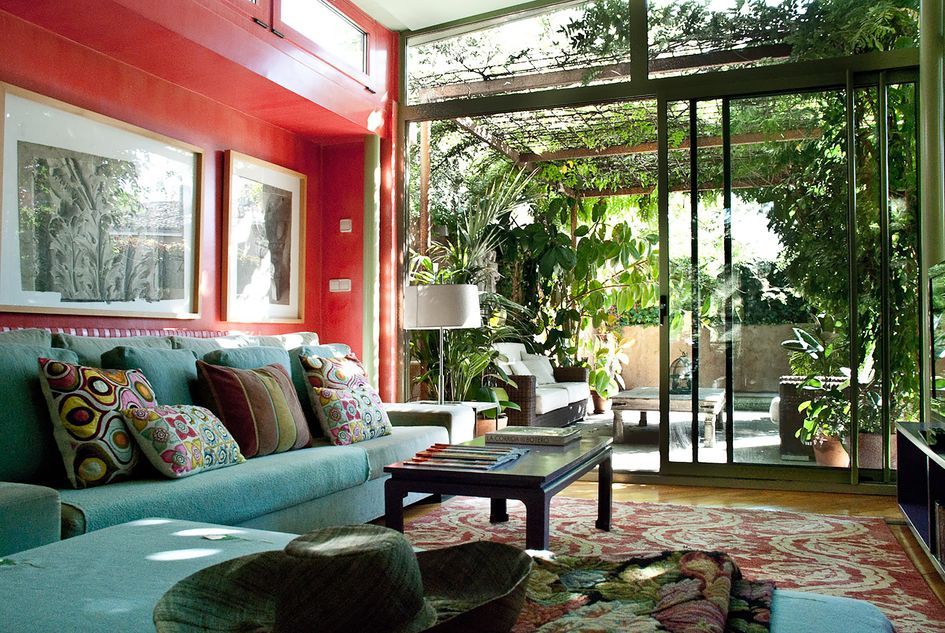
The living room is the showcase of any home
Projecting your image: Why we focus on the living room and forget the rest
As our primary social space, the living room is naturally where we tend to focus most of our attention. Quite often, we treat it almost like a stage set for visitors, curated with the furniture we love and the specific books we want to display. It is how we project our image to the world - a story we actively build about ourselves.
Because of this, it is incredibly common to pour all our energy into decorating the most public spaces in our homes. "It is so important not to overlook our more personal rooms, like the bedroom or the bathroom, because that is where our connection with ourselves actually happens," explains the architect. "True happiness is built in these private rooms; your home design shouldn't just target aesthetics created for other people."
"The bedroom and bathroom are where your well-being is nurtured, far away from the living room aesthetics that we create for others"
3/8
 © Getty Images
The choice to fill your home with sentimental pieces or go for minimalism is also a clue
Your home reflects who you want to be – not just who you are
From the textures we choose to the small ornaments we display, every design choice in our home mirrors our lifestyle aspirations and personal habits.
In many cases, a home is filled with a unique story, showcased through pieces of heirloom furniture or mementos from past travels - essentially it's a reflection of our own life's journey.
On the flip side, a house that looks picture-perfect but lacks character often suggests we are still on the way to discovering our true personal style.
4/8
 © Getty Images
Tuning into these hidden influences is the key to truly taking control of our space
Conscious vs unconscious decor: Is your sofa a memory or a choice?
Are we actively driven to reflect our true selves in our decor, or does it happen entirely spontaneously? In De la Cruz's experience as an architect creating clients' dream spaces, the process is a bit of both.
"There is certainly a conscious element at play when we choose a lamp, a piece of art or a specific layout that represents our tastes and values," the architect explains. "But there is also an unconscious dimension: many of our decisions stem from past memories, silent emotional needs or long-held habits."
5/8
 © Getty Images
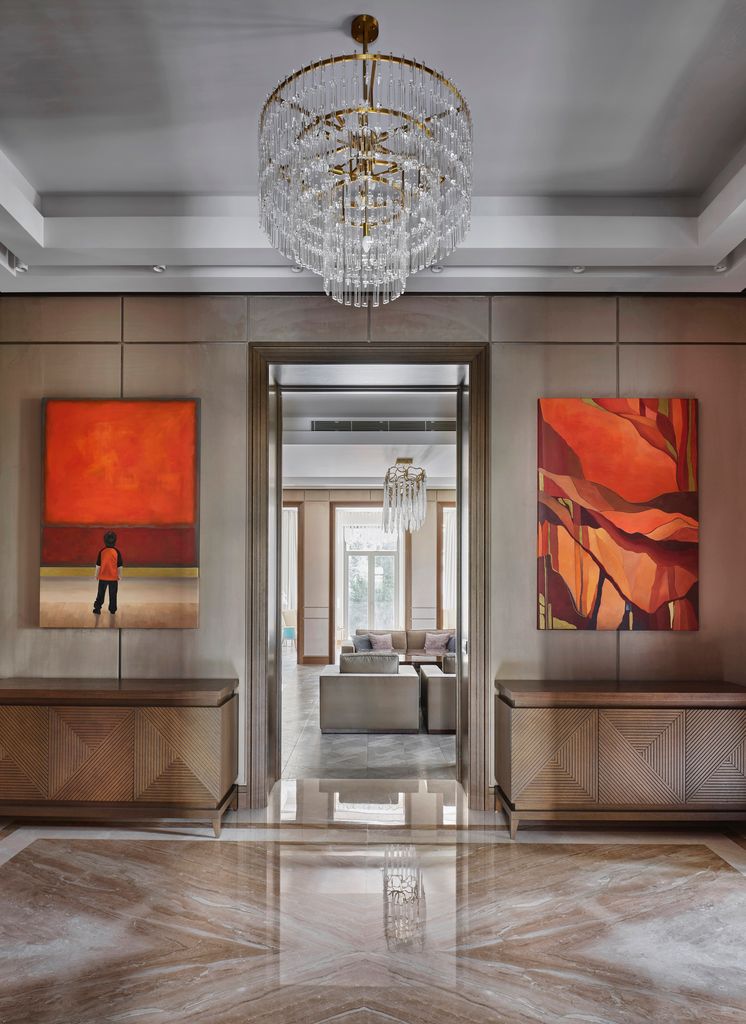
What you are willing to spend the most money on says a lot about you
The 'status symbols': What your budget reveals about your values
A home naturally reflects the socio-economic position of the people who live there; it is often the very first thing people notice. From the location and square footage to the quality of the building materials and furniture, our financial blueprint undoubtedly shapes our surroundings. But there's more to it than that.
"Beyond the money itself, what is truly revealing is how those resources are managed," De la Cruz explains - and what you splash out on reveals what you believe is most important in a home. "The ultimate goal is to create a home defined by what is meaningful to you, rather than what is simply expensive."
"Thoughtful interior design is fundamentally a tool for our happiness"
6/8
 © Getty Images
The way we invite light into our homes (or shut it out) is a powerful statement of intent
What your curtains say about your outlook on life
Yes, there's even a message behind your choice of window decor. If we constantly block out the sun by drawing thick curtains or keeping the blinds down during the day, we often project a subconscious desire to retreat, close off or keep our private lives hidden away.
On the flip side, leaving windows bare to let the sun bathe the interiors shows a natural inclination towards openness and warmth. "The way we treat lighting, both natural and artificial, profoundly reflects our personal relationship with energy, privacy and even the passage of time," says the expert.
7/8
 © Getty Images
Minimalism isn't always the best recipe for creating a home we truly love living in
Is 'less is more' actually a fear of failure?
According to the architect, countless factors shape the way we design our living spaces — not least the specific style we choose, or rather, how we interpret it.
Minimalism, the movement that famously championed 'less is more', can sometimes mask an underlying design insecurity or a fear of overdoing it. People don't always choose a minimalist look out of true conviction; sometimes, it just feels like the safer, easier option than taking a real creative risk.
8/8
 © Getty Images
Whether your house is immaculate or a bit of a chaotic mess doesn't just reflect your personality; it also says a lot about the chapter of life you are currently navigating
The clutter connection: How your emotional state dictates your mess
A cluttered room doesn't automatically mean you are a naturally disorganised person. When you are emotionally overwhelmed, finding the mental energy to tidy up is incredibly difficult. Both order and disorder can mirror our internal mood or simply be a conscious lifestyle choice.
In his experience working with clients, De la Cruz notes, "Order is a reflection of our mindset, but it is also something we actively construct... Architecture and interior design play a key role in creating spaces with organisation in mind, whether through an integrated storage solution or a clear flow of movement in your home. This is the best way to help everyone find their own unique balance."
An architect's tips to design a space for 'real life'
 © Getty Images
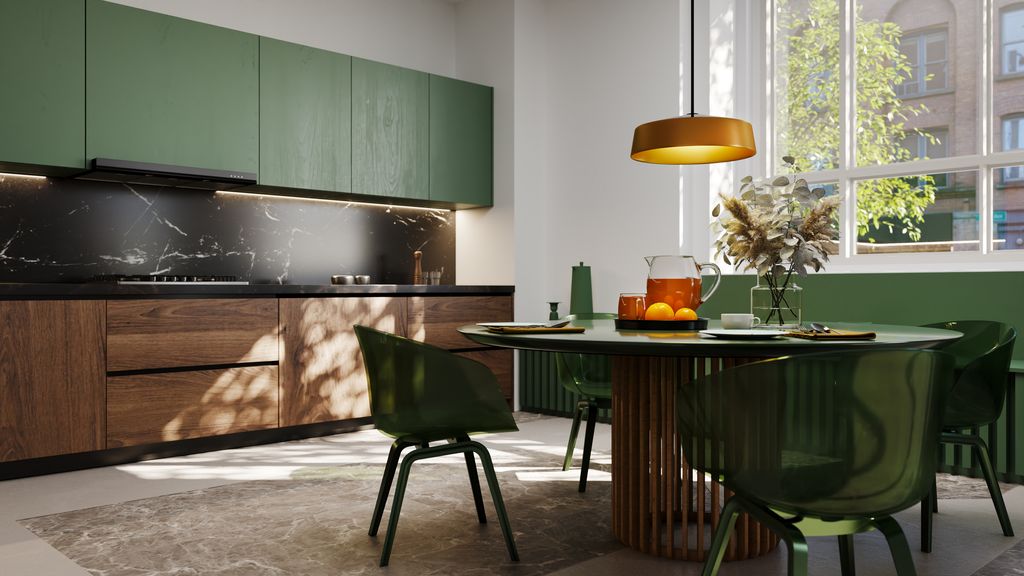
Creating spaces that truly reflect who we are, where we can find genuine wellbeing and feel entirely at ease, is no easy feat. Our expert recommends keeping the following guidelines in mind:
Connect with how you actually live: Don't design for an aspirational lifestyle; design for your real one. Observe how you truly use a space and note what makes you feel good.
Prioritise light: The quality, temperature, and direction of light can completely transform a room - and your mood.
Invest in honest materials: Choose natural, durable materials that age beautifully. Authenticity fosters a true sense of belonging.
Don't fear empty space: Negative space is essential. It gives a room room to breathe, and gives you space to move and think.
Honour your own story: Incorporate objects with a personal history - pieces that actually speak to who you are. Focus not simply on decor - consider that you want to inhabit a home with meaning.
Seek out balance: Find the sweet spot between function and emotion, order and the unexpected, and your current passions and your favourite parts of your past.
Ultimately, design for yourself. Not for Instagram, but for your everyday life.


