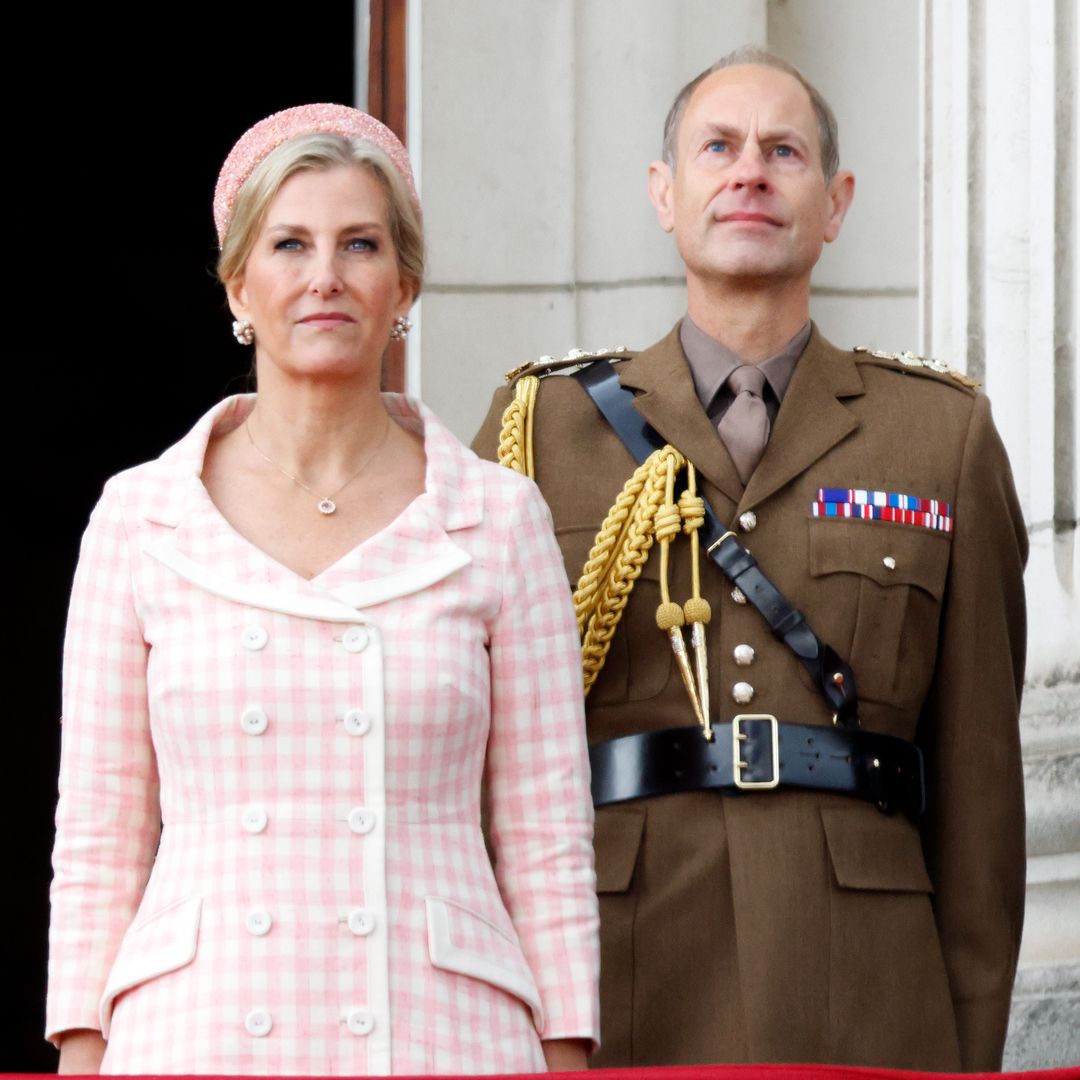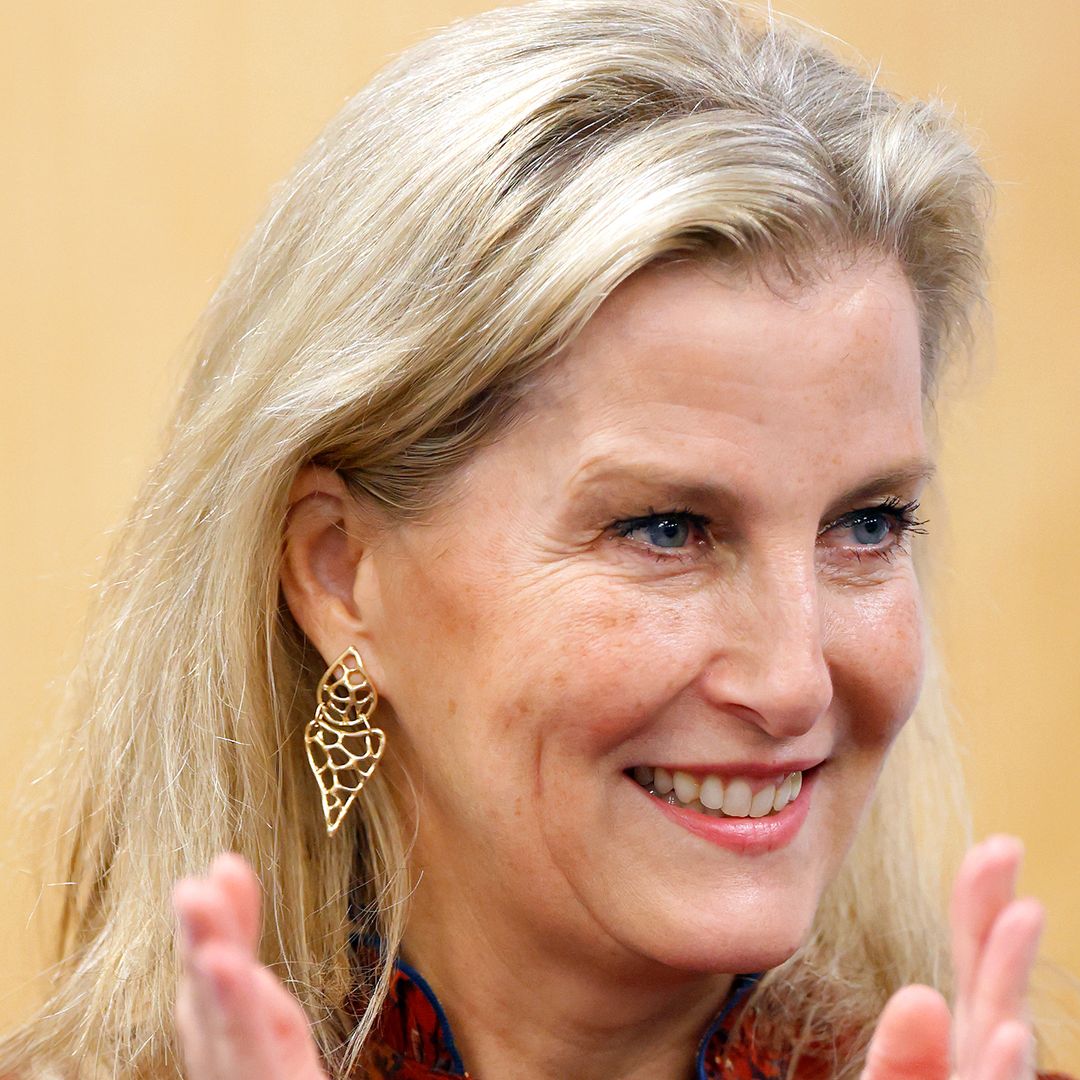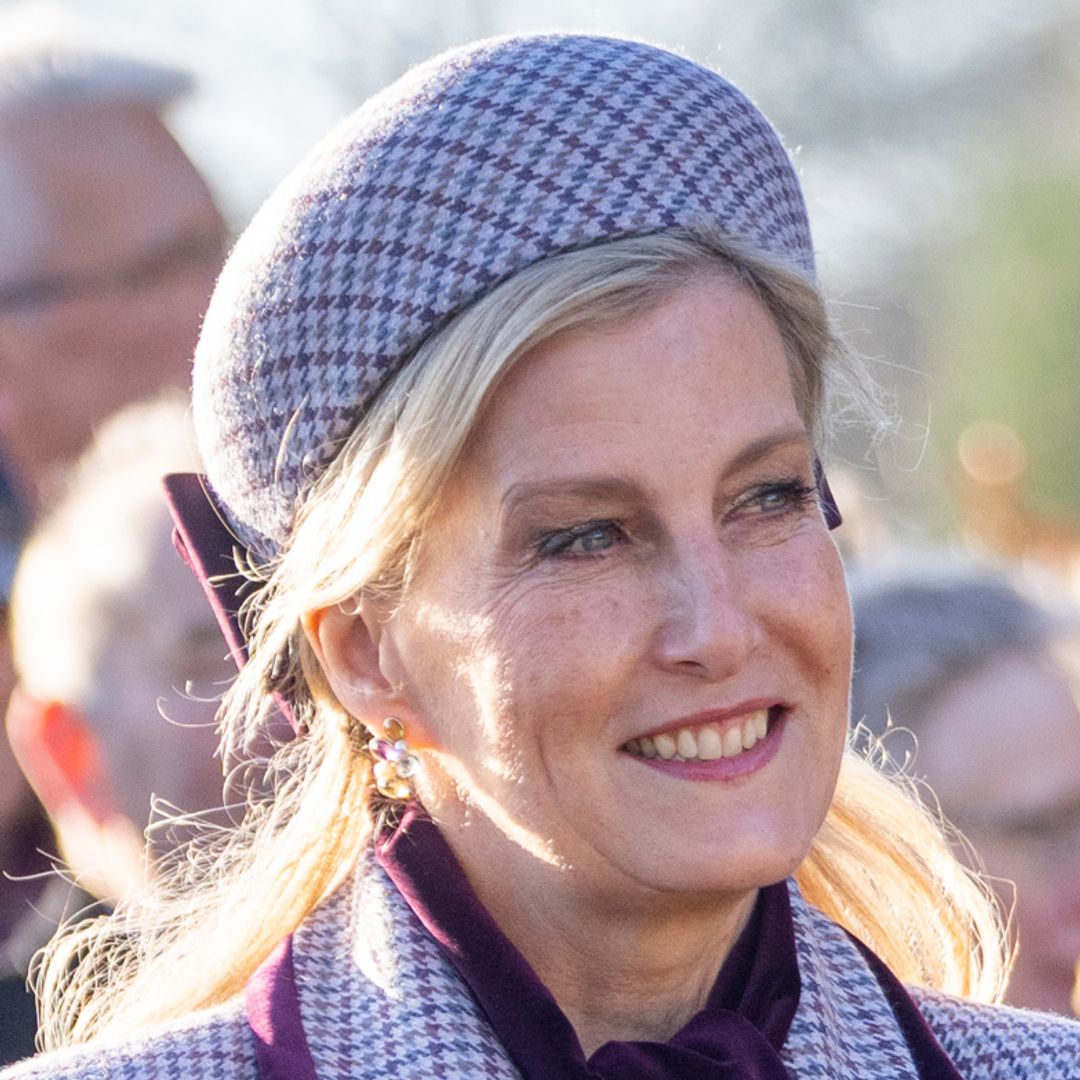

The Duchess of Edinburgh has urged the world to pay attention to the Sudan war, calling it the "most severe humanitarian crisis".
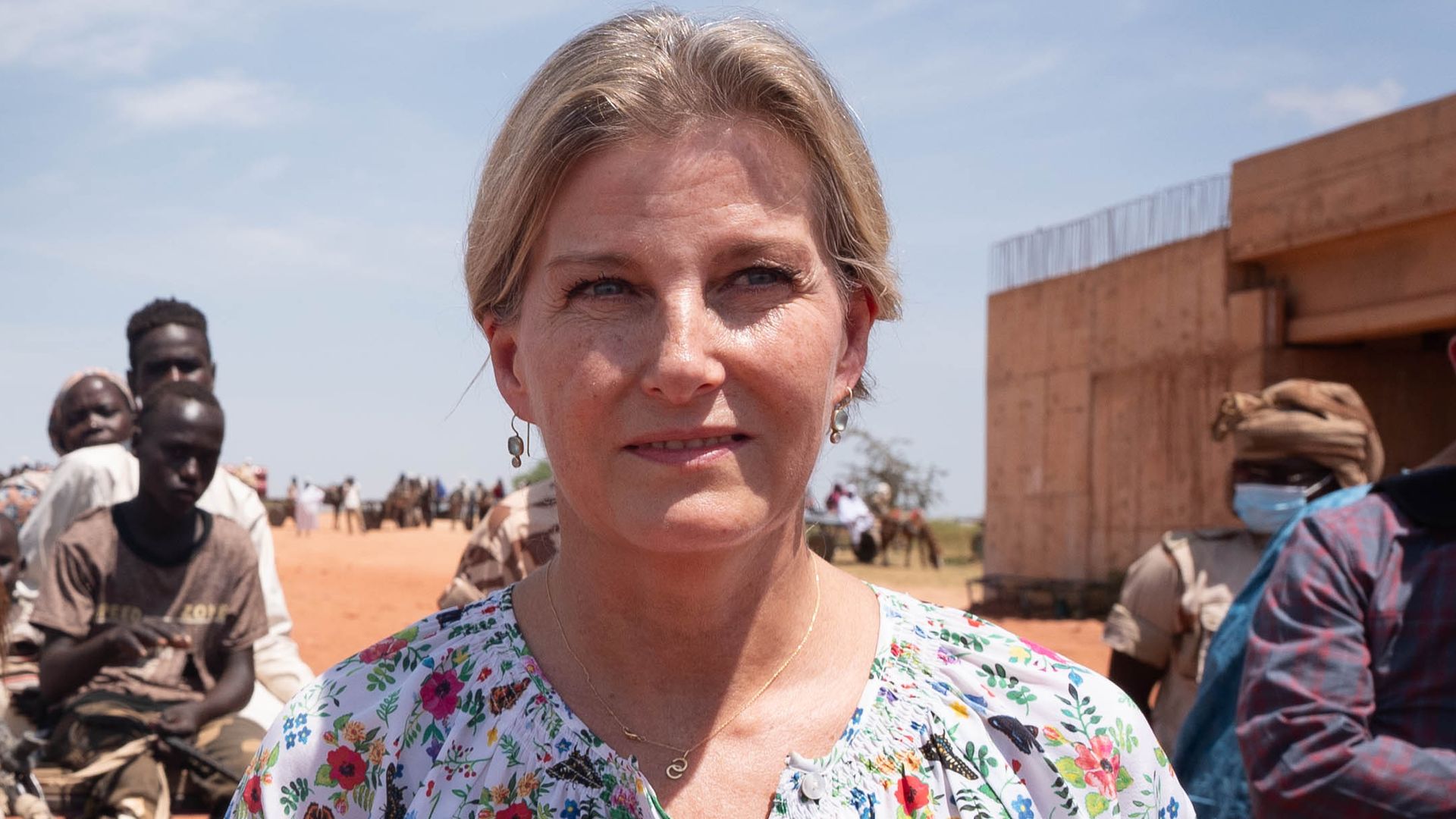
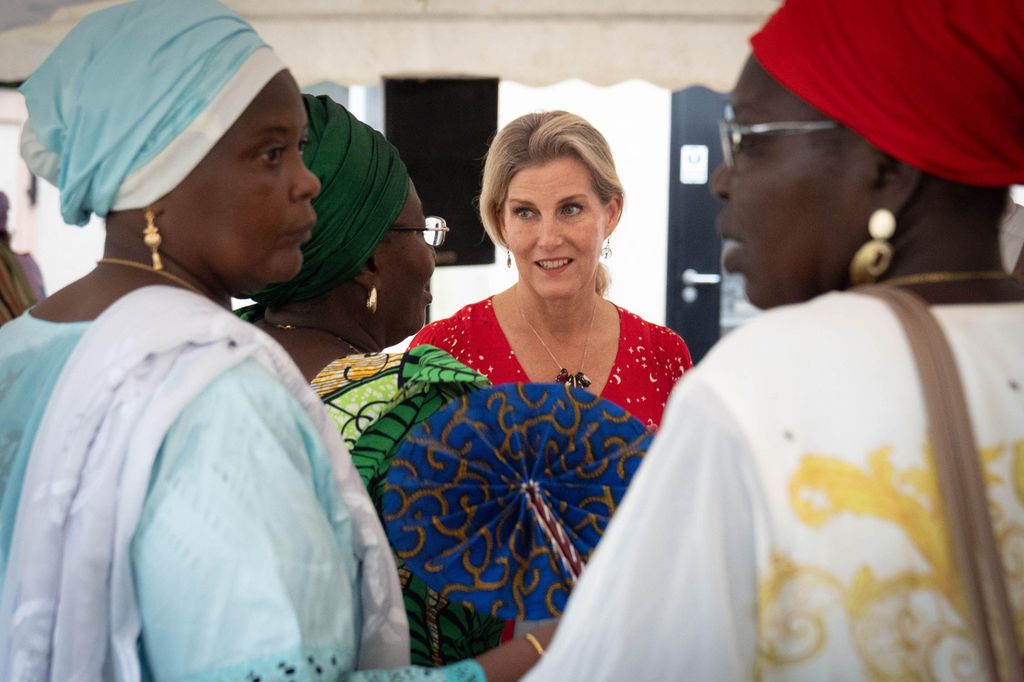
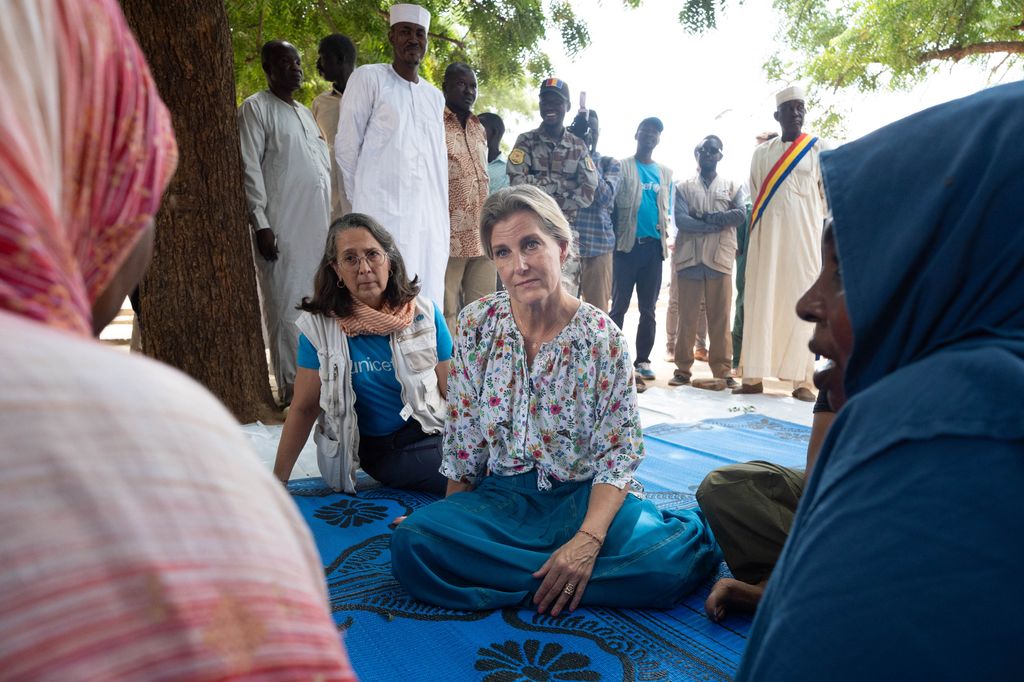
In a first-person piece for The Telegraph, Sophie, 61, reflected on her visit to the neighbouring country of Chad in Central Africa in October 2024, where she spoke to women who have escaped from the war in Sudan.
The conflict between the paramilitary Rapid Support Forces and the Sudanese Armed Forces has passed its 1,000th day of war, leaving millions deprived and displaced.
Sophie is a champion for the Women, Peace and Security agenda at home and abroad, with her work taking her to the Democratic Republic of the Congo, Kosovo, Lebanon, South Sudan and Sierra Leone.
"We cannot change the past 1,000 days, but this sobering milestone reminds us of the opportunity for organisations working tirelessly on the ground to shape what happens next," the Duchess writes. "By standing alongside these remarkable individuals, including female peace-builders and women-led organisations, we can help ensure that the voices and needs of those affected by the conflict are heard and valued. Their courage is a powerful reminder that even in the most difficult circumstances, hope can endure."
 © Alamy
She added: "The people of Sudan deserve our compassion, our attention, and our solidarity. Above all, they deserve to know that the world has not forgotten them and that the pursuit of peace remains possible."
Emotional visit to Chad
The Duchess became the first member of the royal family to make an official visit to Chad in 2024, meeting survivors of conflict-related sexual violence supported by her patronage, Plan International UK, at a hospital centre in Adre, near the border.
Sophie, who is the mother of Lady Louise Windsor, 22, and James, Earl of Wessex, 18, was in tears as she spoke to the media following the private meeting.
 © PA Images via Getty Images
She said at the time: "People are having to exchange food and water for sex, for rape. That is violence that is being enacted through conflict. It is being used as a bargaining tool.
"These women have no option but to leave. And, even then, they're lucky if some of them can get away because some of the villages and towns that they come from, they can't even leave their houses anymore. If they leave their houses they get killed."