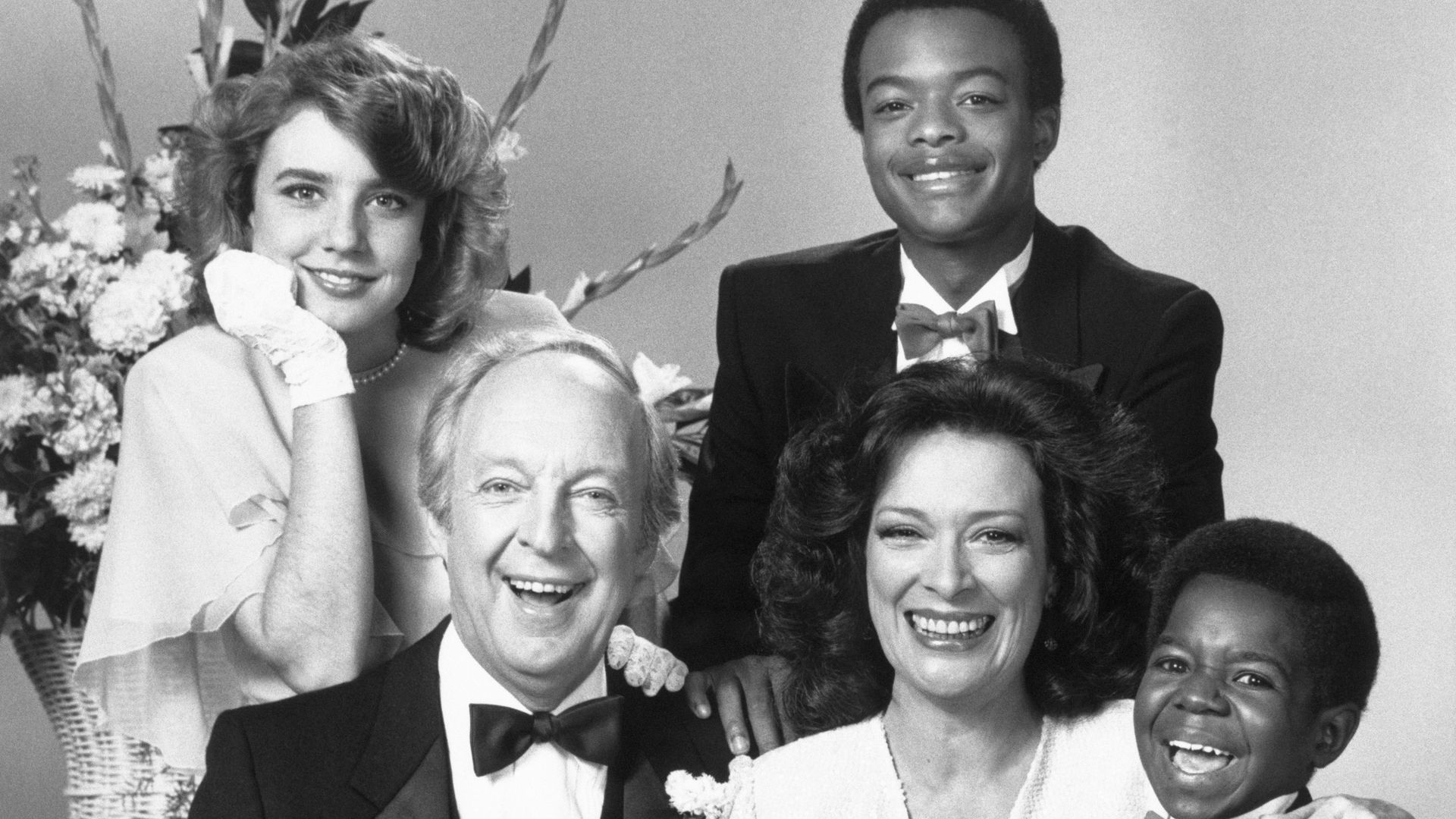
Melanie Watson, the former child actress best known for her role on Diff'rent Strokes, has died. She was 57. Melanie passed away on Friday, December 26, in Colorado Springs, Colorado, according to TMZ. Her brother, Robert Watson, told the outlet she had been hospitalised and that her condition deteriorated.
Born with Osteogenesis Imperfecta – a genetic condition also known as brittle bone syndrome – Melanie used a wheelchair throughout her life. The disorder affects connective tissue and causes bones to fracture easily.
Melanie appeared in four episodes of Diff'rent Strokes, playing Kathy Gordon, a character introduced in the sitcom’s third season. Her storyline was considered groundbreaking at the time for its portrayal of disability on network television. Diff'rent Strokes was one of the most culturally significant American sitcoms of its era, quietly reshaping what diversity looked like on prime-time television.
Airing from 1978 to 1986, the show followed two Black brothers from Harlem who are adopted by a wealthy white businessman on Manhattan’s Upper East Side – a premise that allowed it to explore race, class, adoption and family dynamics in a way few mainstream comedies had attempted before. Led by the late Gary Coleman as the scene-stealing Arnold Jackson, alongside Todd Bridges and Dana Plato, the series blended humour with social commentary, often tackling serious issues beneath its laugh track.
In later years after leaving the show, Melanie channelled her advocacy into real-world impact. She founded Train Rite, an organisation dedicated to training shelter dogs to assist people with disabilities. She was also briefly married to Robert Bernhardt between 1994 and 1996.
Reflecting on her career in a 2020 interview with IndieWire, Melanie spoke candidly about her experience on the show and praised producer Norman Lear for challenging television norms around disability representation.
"I'm proud of Norman for going against the norm and doing something," she said, while also laughing at her younger self, admitting she had been "a pill" on set, often distracted by her yo-yo or Walkman.
Melanie later reflected on the significance of her role, saying she hadn’t fully grasped its importance at the time. "I didn't realise what a gift it was to be the first one out there," she said. "If I had to do it all over again, I would have stayed in the business."