
If you often work through your lunch break or find yourself struggling with an energy slump every afternoon, a few simple changes could make a huge difference to your well-being, according to a dietician. Laura Tilt, a dietician and nutritionist, says that prioritising lunch can not only help you to be more productive, but also help you to feel energised throughout the afternoon when many of us may feel tired and sluggish. "There is a natural dip in our circadian rhythm between 2pm and 4pm, which reduces alertness, so it’s partly down to the normal workings of your body clock. However, this slump can be exacerbated by food choices too!" Laura says.
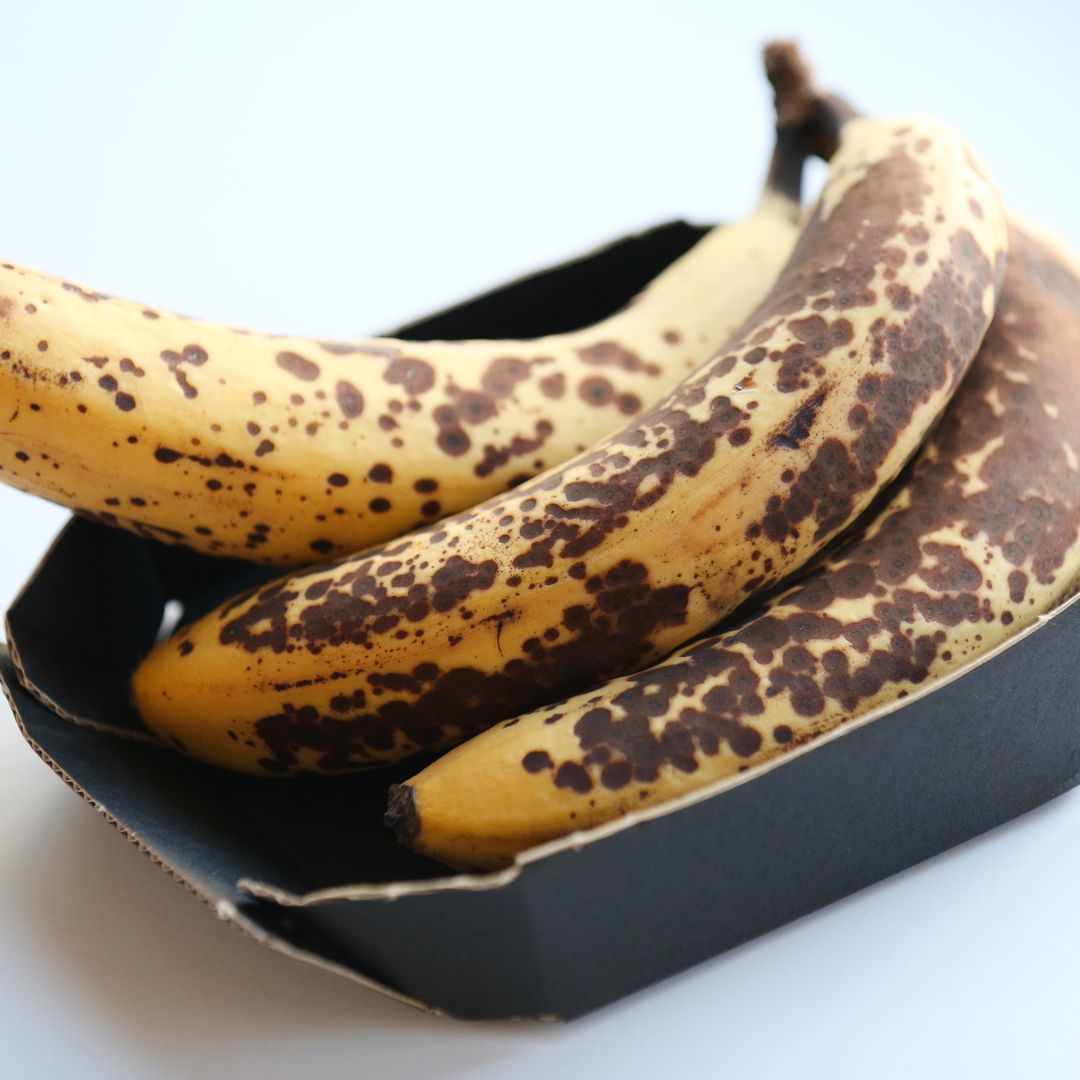
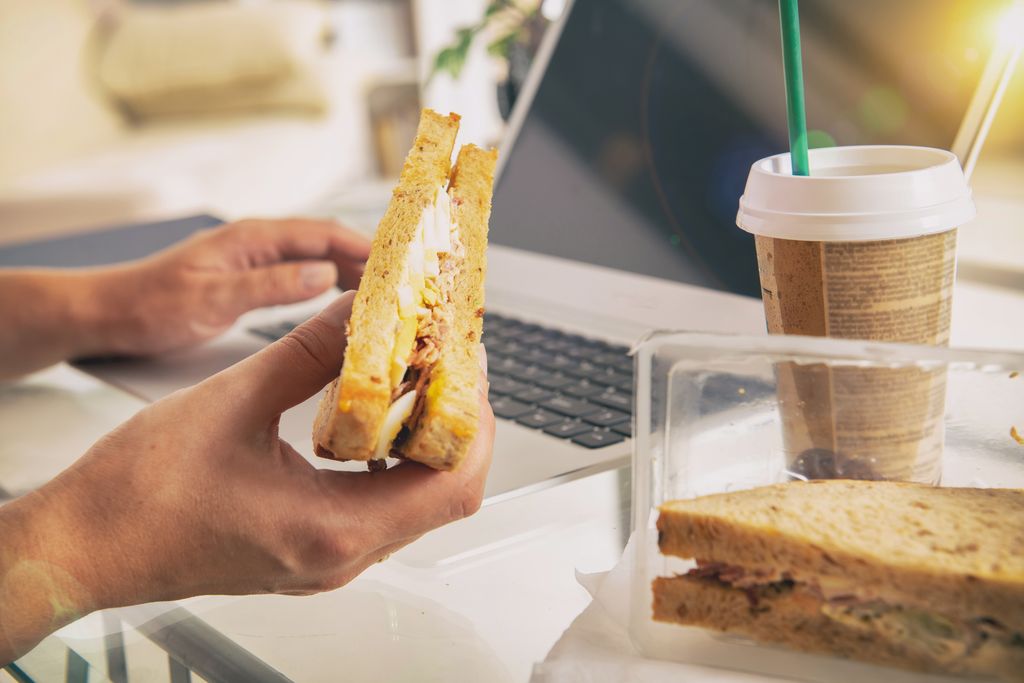
"Carbohydrates are our main source of energy, but not all carbs are digested at the same rate. The Glycaemic Index (GI) measures how quickly carbohydrate-containing foods raise our blood glucose after eating. Foods with a high GI, like white bread, cakes, and biscuits, raise blood glucose quickly. That gives us a short burst of energy followed by a quick crash or slump.
 © Getty Images
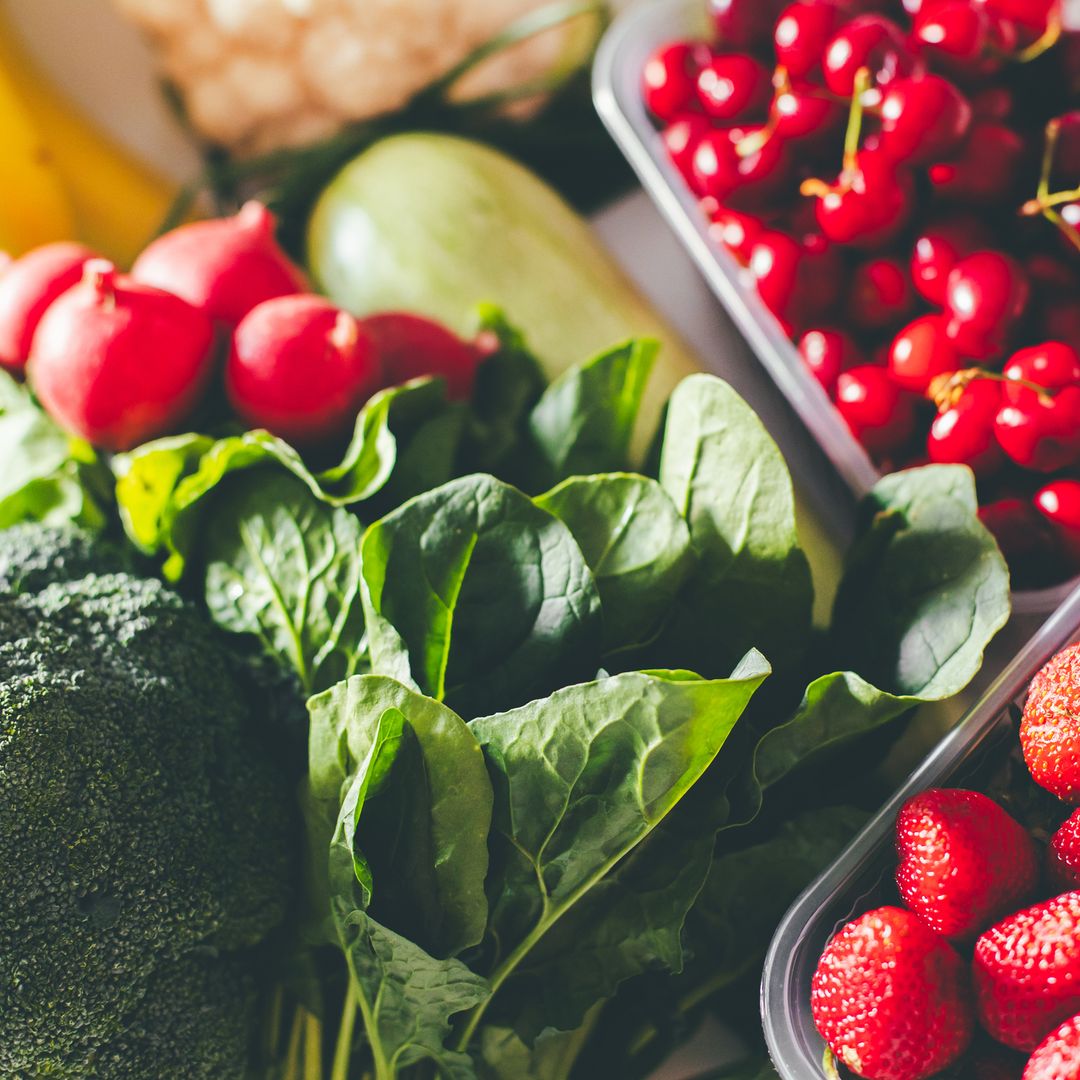
"By contrast, foods with a low GI - like most fruits, vegetables, beans, lentils, nuts, and wholegrains - release energy more slowly, giving us steadier focus and fewer dips. Pairing carbs with a decent portion of a protein-rich food helps too, as it slows down energy release and can help us stay feeling fuller, longer."
The lunch break sweet spot
Laura has conducted research with Gosh! that shows that almost 60 per cent of Brits feel too busy to eat lunch properly, and says that people are either taking much shorter lunch breaks or skipping them entirely. However, the dietician claims that the optimum lunch break should be precisely 37 minutes long.
 © Getty Images
"The 37-minute formula breaks down into three parts: 20 minutes to eat (allowing time for your gut to communicate fullness to your brain), ten minutes to move (which is really important if you’ve been sitting for hours), and seven minutes to mentally reset. If you can do that outdoors in green space, even better - nature is a natural mood booster," Laura explains.
The importance of fibre
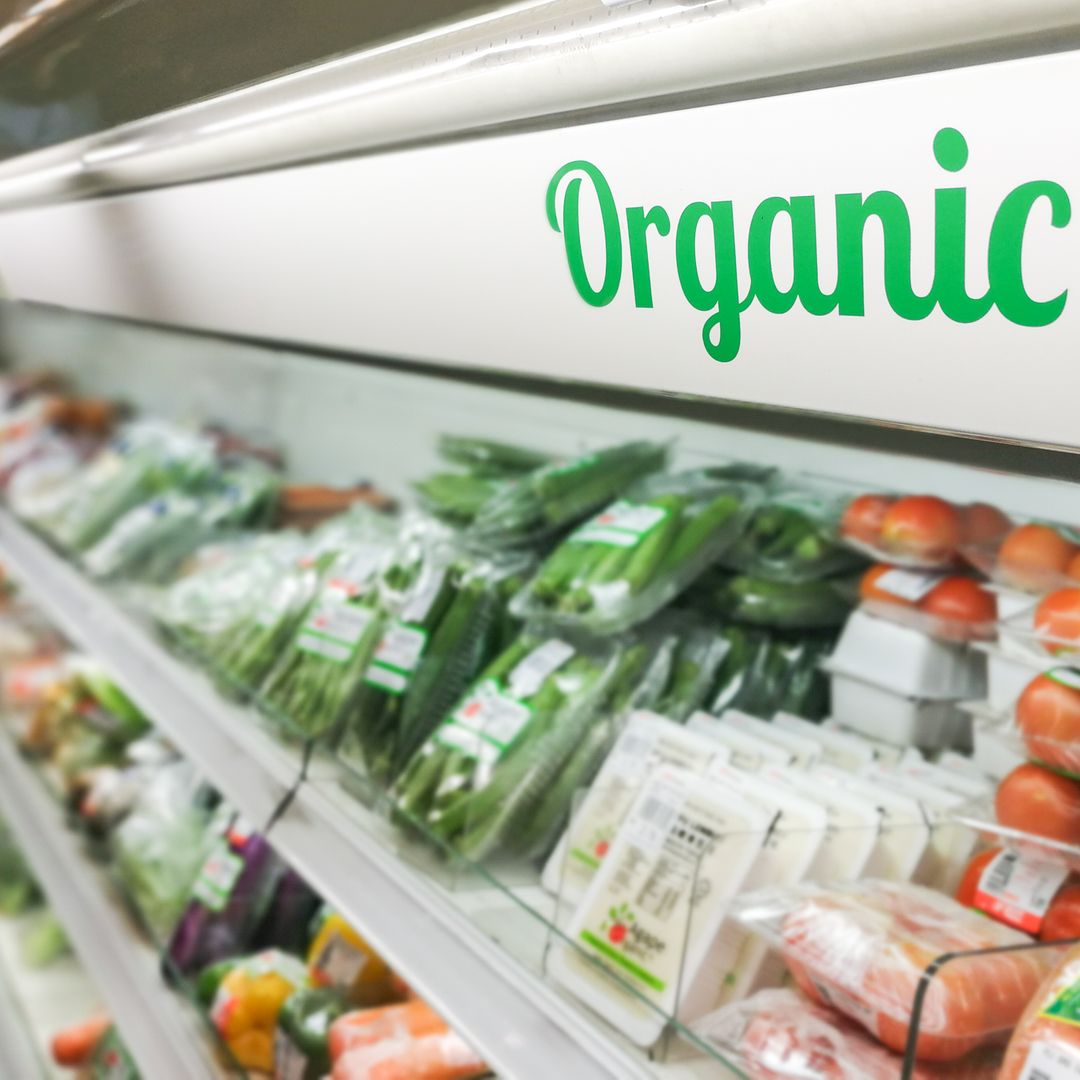
But don’t rely on the convenience of supermarket meal deals or on-the-go lunch options too often if you can help it. These are often high in carbohydrates, contain ultra-processed ingredients and leave us well short of our daily recommended fibre intake, so Laura says not to overlook the humble packed lunch.
"Lunch is often a meal we buy on the go - with research showing a quarter of our calories come from food eaten outside of the home. But most food-to-go options, like sandwiches or pasta salads, tend to be low in fruit, vegetables and fibre - all the things we need to be eating more of!" Laura explains. "As lunch is one of our three main meals, we ideally want it to deliver a good proportion of the nutrients we need each day. Fruit and vegetables are a key source of vitamins and minerals needed by our bodies to function well, and they’re also a good source of fibre, which supports gut health and helps lower our risk of a range of chronic health conditions."

The dietician continues: "Most of us aren’t eating enough fibre - on average, we fall about 14 grams short of the 30 grams recommended each day. Gosh! Falafels and Veg Bites are a great example of a delicious, easy lunch option that’s high in fibre. They score highly on plant points - a simple way of tracking the variety of plants we eat each week. Eating a wide variety of plants is another way we can support gut health."
The packed lunch formula
 © Getty Images
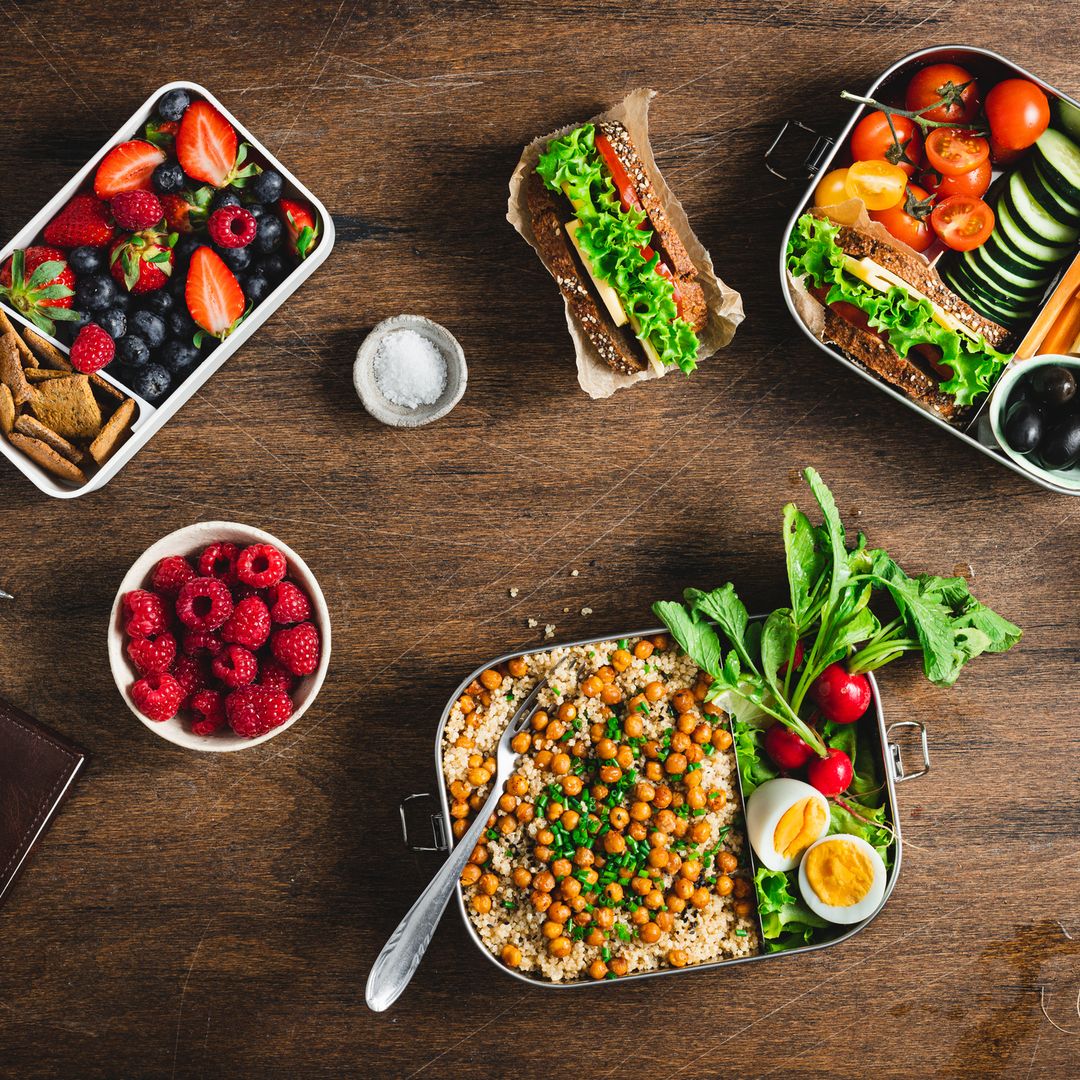
So what should you be preparing for a tasty and balanced packed lunch? "Try a straightforward formula to build your lunch: a high fibre carb + a protein + a big serving of veggies, then add a piece of fruit on the side. That could look like some brown rice or a mixed grain pack for the carbs, 4 x Gosh! falafels and a spoon of hummus for protein and extra fibre, and a big colourful salad, for example," Laura suggests.
Take a break from screens
Finally, don’t fall into the trap of believing you’re too busy to take a break. "The first step is flipping the mindset - a lunch break makes you more productive, not less. Even 20–30 minutes away from your desk can ease stress and refresh your focus,” the dietician explains. “Pick one non-negotiable for your break - whether that’s a nutritious high fibre meal, fresh air, or a mental reset - and build around it. For example, prepare a lunch you can bring from home, or commit to eating outside in a green space. Once you’re in the rhythm, you can layer on a short walk or stretch."