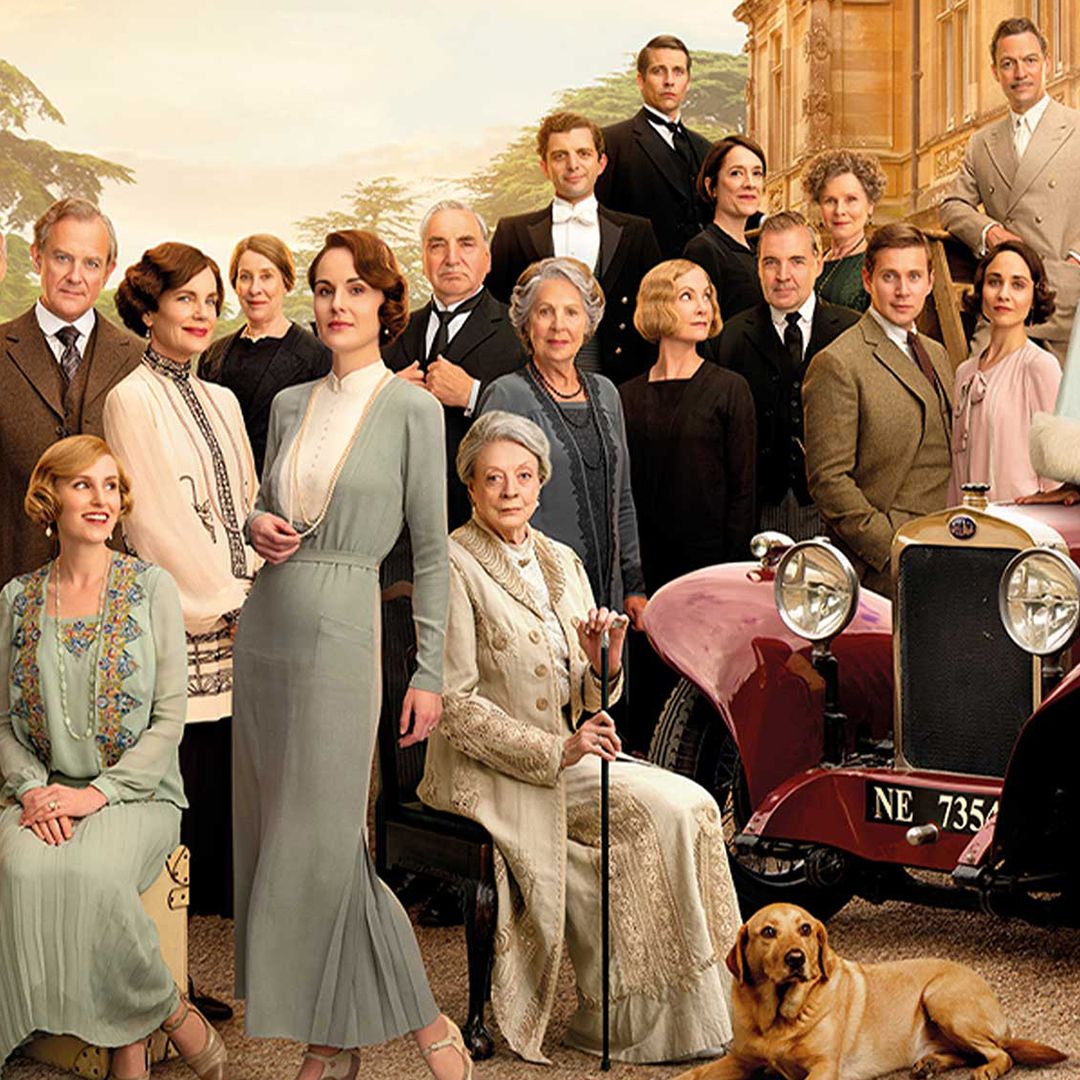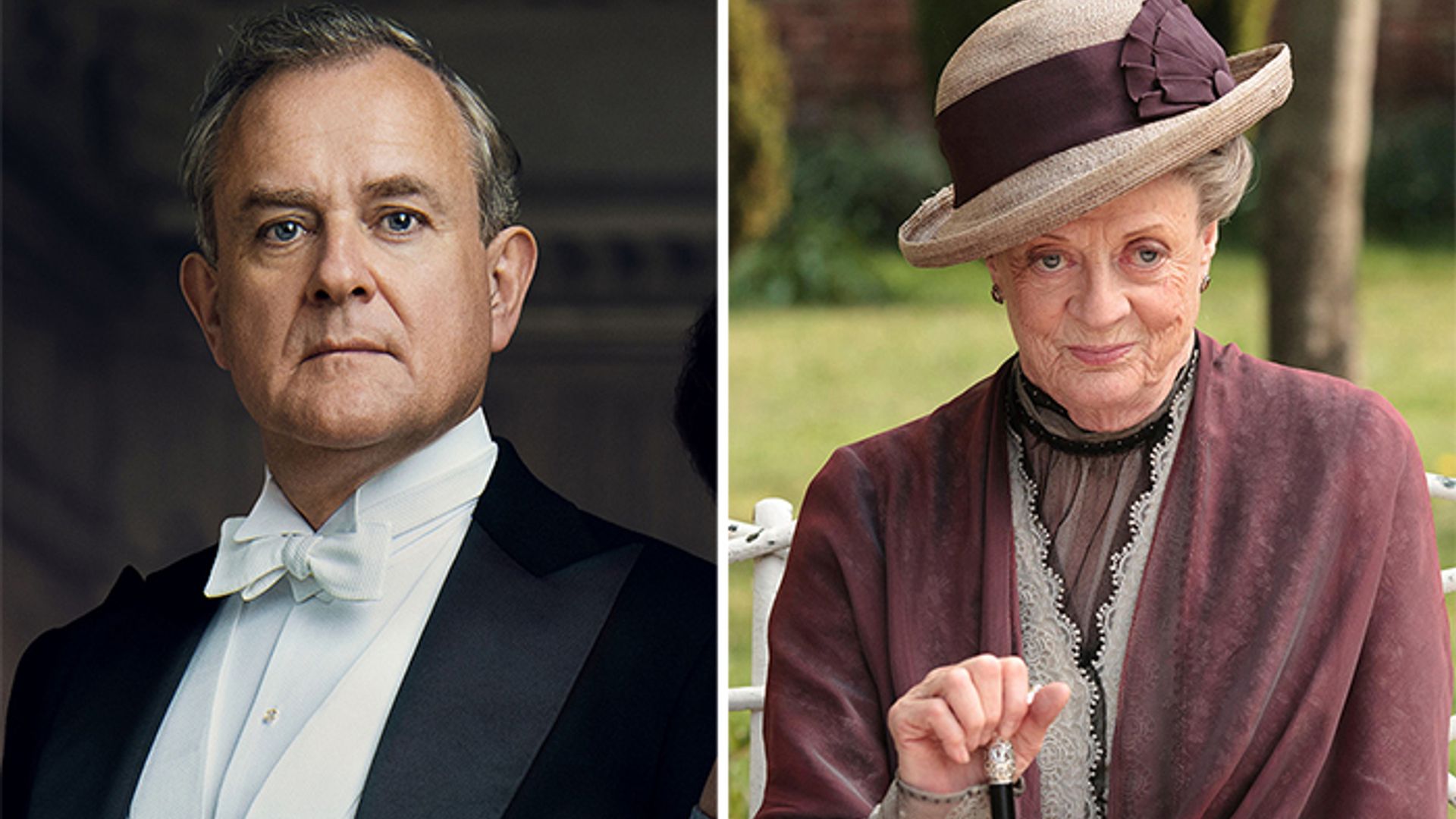

It’s hard to believe that this iconic period drama, which first graced our screens 15 years ago in 2010, is coming to a close with the September 2025 release of Downton Abbey: The Grand Finale.
Over the years, audiences have followed the Crawley family and their loyal staff through love, loss, war, and societal change – all set against the backdrop of a rapidly evolving 20th-century Britain. With so much ground covered across six seasons and (soon to be) three films, we’re breaking down the entire Downton Abbey timeline to help you revisit every pivotal moment before the final film, from the sinking of the Titanic to the final chapter.
Warning: potential spoilers ahead
 © Sky
© SkySeason 1 – 1912–1914 (2010)
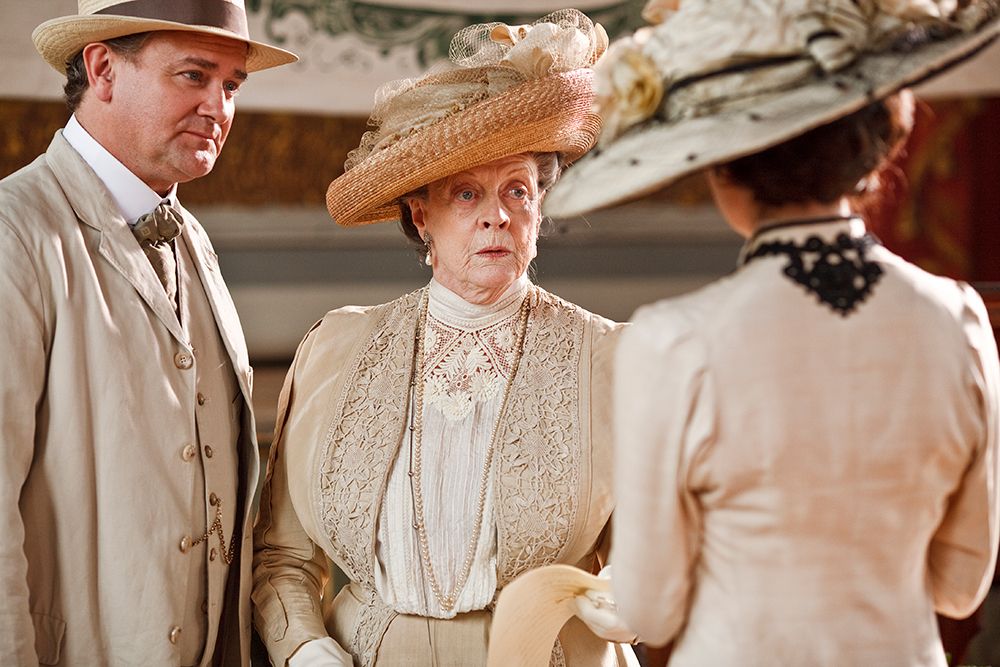
Downton Abbey opened its grand doors in Season 1 with all the elegance and scandal you could ask for in Edwardian England. The story begins in 1912, just after the Titanic sinks – taking with it the heirs to the sprawling Crawley estate and plunging the aristocratic family into an inheritance crisis. With no sons of their own, the Crawleys must turn to a distant upper-middle-class cousin, Matthew Crawley (Dan Stevens), to secure the family legacy, forcing the old aristocracy to grapple with the rising middle-class influence.
Matthew’s arrival stirs the pot upstairs and down. While Lady Mary Talbot (Michelle Dockery), the sharp-tongued eldest daughter, resists her new suitor, sparks begin to fly – despite a scandal involving a dead Turkish diplomat in her bed (yes, really). Meanwhile, younger sisters Edith (Laura Carmichael) and Sybil (Jessica Brown Findlay) carve out their own paths, with the latter embracing progressive causes and advocating for women's rights - a reflection of the suffrage movement sweeping early 20th-century Britain. Observing it all with withering wit is Violet Crawley, Dowager Countess of Grantham (Maggie Smith), whose old-world values make her both a formidable matriarch and an unexpected source of comic relief.
Downstairs, the staff are navigating their own struggles amid rigid class divisions. New valet Mr. Bates (Brendan Coyle) tries to outrun his troubled past while winning the heart of compassionate housemaid Anna (Joanne Froggatt), all under the watchful eyes of schemers Barrow (Rob James-Collier) and O’Brien (Siobhan Finneran). And in a small but significant win for progress, maid Gwen (Rose Leslie) lands a secretary job with Sybil’s support.
Season 1 concludes with the outbreak of World War I, arriving at a time when the old English world is already shifting. As Downton has made clear, no one – aristocrat or servant – is immune to change.
 © © Carnival Films / ITV
Season 2 – 1916–1920 (2011)
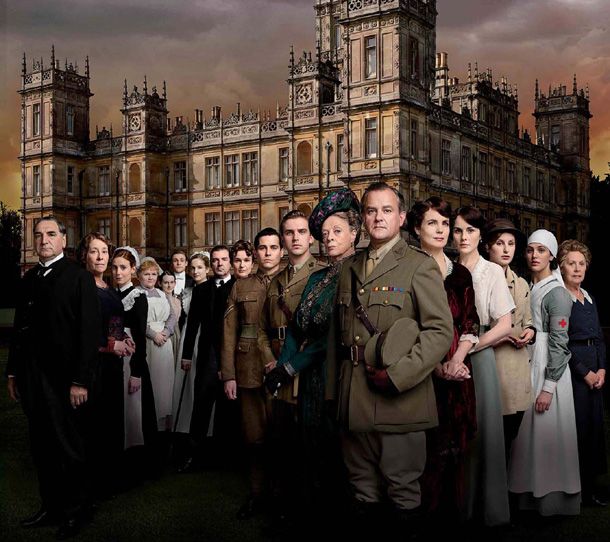
The second season of Downton picks up in the thick of World War I, a conflict that radically reshapes the British aristocratic way of life. As the war drags on, the Downton estate is transformed into a convalescent home for wounded officers, pushing the family into unfamiliar roles.
With Matthew Crawley serving on the front lines and Lady Sybil training as a nurse, the class lines start to blur. Lady Mary is also forced to grapple with both her love for Matthew and the guilt of her past. Meanwhile, a presumed-dead cousin reemerges under mysterious circumstances, and Edith finally begins to step out of Mary’s shadow.
Downstairs, the war brings opportunity and heartbreak. Anna and Bates try to build a future despite legal and personal barriers, while Barrow returns from the front lines wounded in more ways than one. O’Brien shows rare glimpses of remorse, and new maid Ethel tests the house’s boundaries with a scandal of her own.
As the war draws to a close, the devastating Spanish Influenza pandemic sweeps through the country, threatening both Downton’s family and staff. The season culminates with Downton’s first Christmas special, set in late 1919, which brings with it both joy and heartbreak.
 © Joss Barratt
Season 3 – 1920–1921 (2012)
Season 3 unfolds in the immediate post-World War I period and the tail end of the pandemic. The war left Britain with massive debts and inflation, with the landed aristocracy facing financial upheaval due to rising taxes (like the introduction of estate duties) and failing investments. Meanwhile, Britain is also grappling with the ongoing Irish War of Independence, reflecting a nation in transition.
Robert Crawley, the 7th Earl of Grantham (Hugh Bonneville) risky investments in the Grand Trunk Railway, result in total losses, putting Downton’s future in jeopardy, as the family fights to save the estate from being sold.
Matthew Crawley and Lady Mary’s engagement brings hope but is complicated by secrets from Matthew’s past and unresolved tensions from the war. The family also mourns the loss of Lady Sybil, who passed away from eclampsia after giving birth.
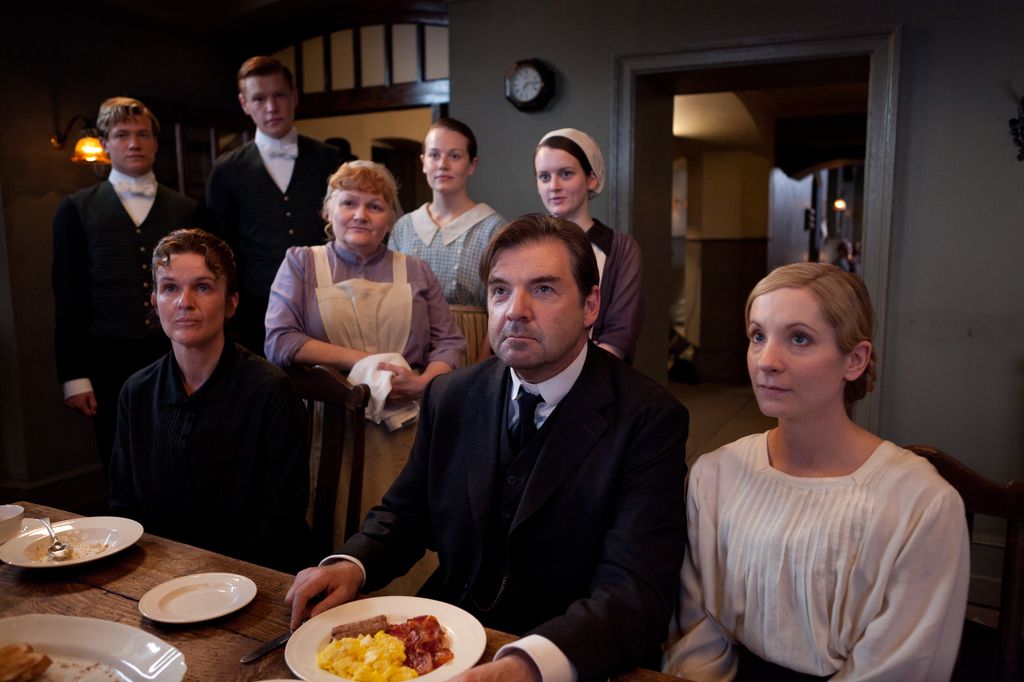
Downstairs, Bates struggles with his troubled past and eventual imprisonment, with Anna’s loyalty tested. Barrow schemes to improve his position amid the household upheaval, as the postwar period sparks an increased interest in socialism and workers’ rights for some.
The Season 3 Christmas special offers a joyous but bittersweet respite before the season concludes amid ongoing challenges for Downton.
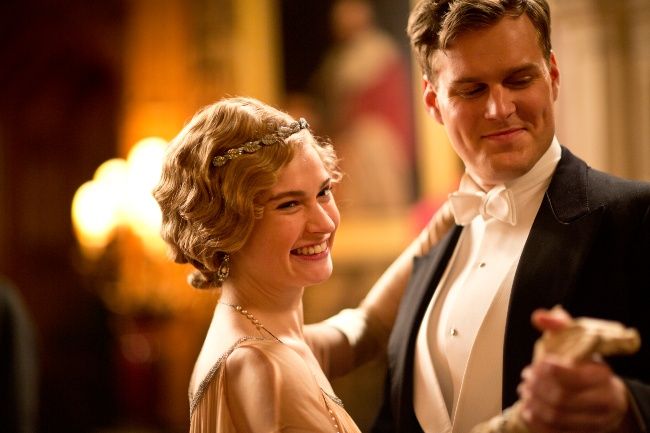 © Photo: Sky
Season 4 – 1922–1923 (2013)
Season 4 picks up in 1922 after the Conservative Party’s return to power amidst continued economic uncertainty, changing the face of postwar Britain. The show sees the Downton clan navigate these changes alongside copious amounts of personal drama.
Lady Mary grapples with grief and new romantic entanglements, while Edith increasingly asserts her independence amid the evolving role of women in society.
Downstairs, the servants face their own challenges, including new staff dynamics and Barrow’s continued scheming. Class divisions begin to soften slightly, though tensions remain, reflecting broader societal shifts.
In the Christmas special, the family travels to their London residence for Rose’s (Lily James) coming out in society, while unexpected revelations set the stage for challenges ahead.
This season is rich with family drama, set against a backdrop of Britain slowly recovering from the upheavals of war and looking ahead to a new era.
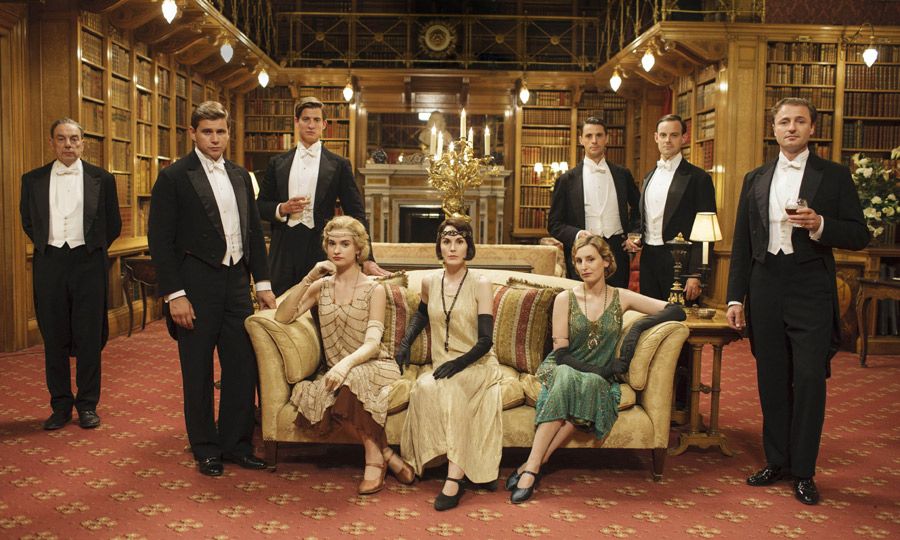 © Photo: ITV
Season 5 – 1924–1925 (2014)
While Season 5 encompasses just one year, it’s still packed full of drama and tension. While the Conservative Party remains in power, the growing influence of the Labour Party is beginning to reflect increasing working-class assertiveness and social change. This political backdrop fuels generational clashes and challenges to the traditional aristocratic order.
At Downton, Lady Mary increasingly takes the reins of the estate, often at odds with her father as they clash over the future of their ancestral home, while Edith strives to establish herself as a successful businesswoman in the world of publishing. Meanwhile, the younger generation, including Rose, navigates the complexities of modern society, balancing tradition with newfound freedoms.
The household also contends with new staff joining and some shifting loyalties, highlighting the changing nature of service work in the 1920s.
The season culminates in a Christmas special where the festive mood is undercut by serious tensions and personal struggles that threaten the future of the Downton household.
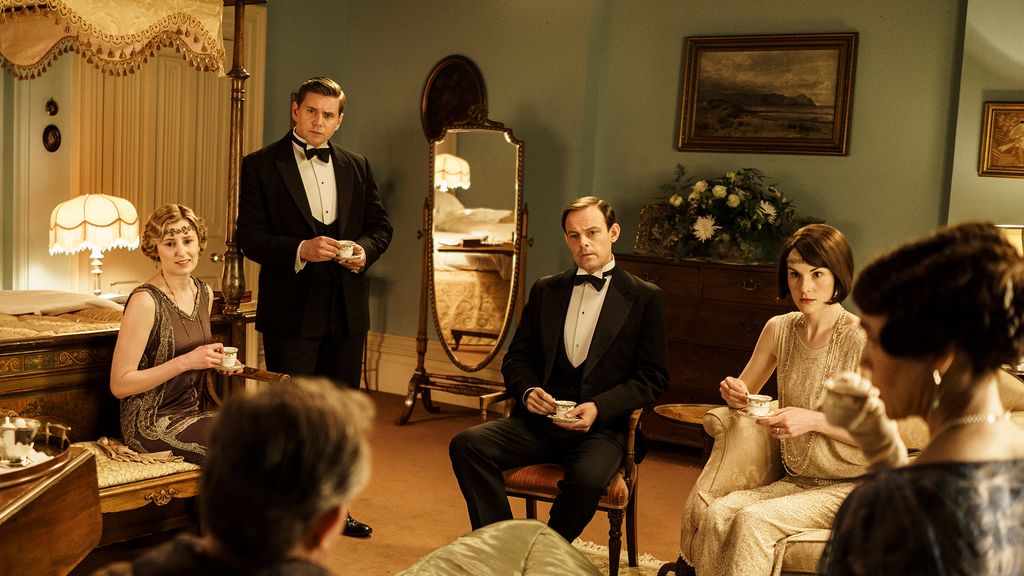 © Sky
© SkySeason 6 – 1925–1926 (2015)
The final season unfolds amidst ongoing social change in Britain, with the Crawley family facing serious financial difficulties. Bankruptcy is looming over Downton, and to save their beloved estate, they explore new ways to generate income, including opening the house to the public and modernising estate management.
Lady Mary grapples with grief and responsibility, while Edith fights for independence and a secure future for her daughter.
The season – and the series – concludes with a two-hour-long Christmas special that brings closure to many of the storylines of the Crawley family and their staff.
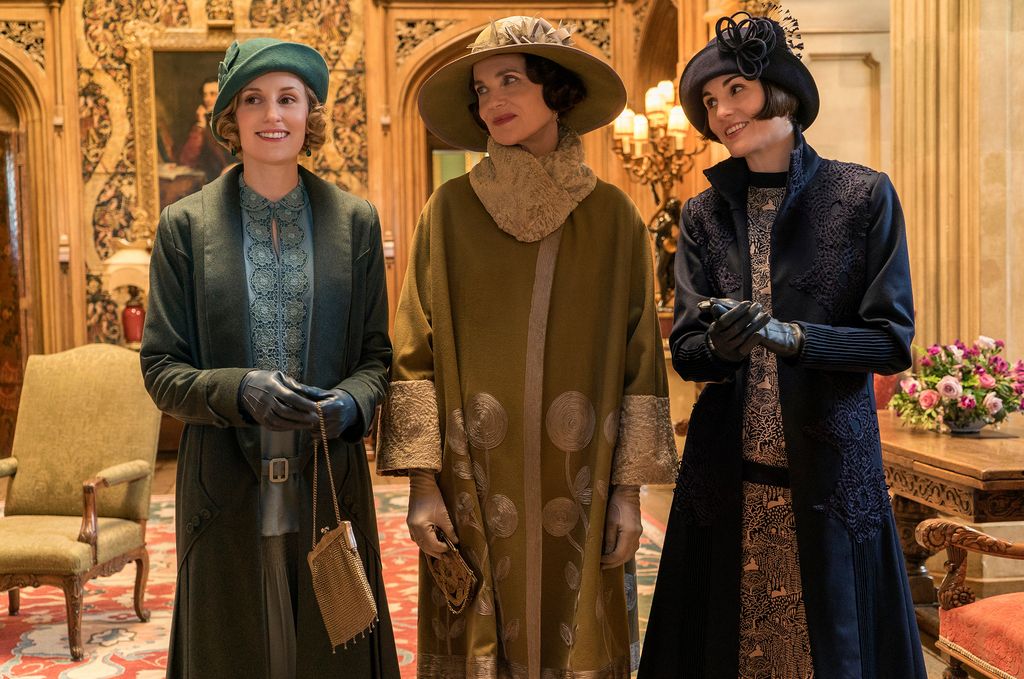 © Liam Daniel / Focus Features
Downton Abbey – 1927 (2019)
Set a year and a half after the series finale, the Crawley family faces a new challenge when a royal visit from King George V and Queen Mary to Downton Abbey throws the estate into a whirlwind of preparation and social upheaval. The occasion brings prestige but also intense pressure, revealing hidden tensions and old rivalries among family and staff alike.
Though fictional, the premise is historically plausible – royal visits to aristocratic estates occurred during this period, particularly for politically connected or socially prominent families. These visits were often ceremonial and required strict adherence to royal protocol.
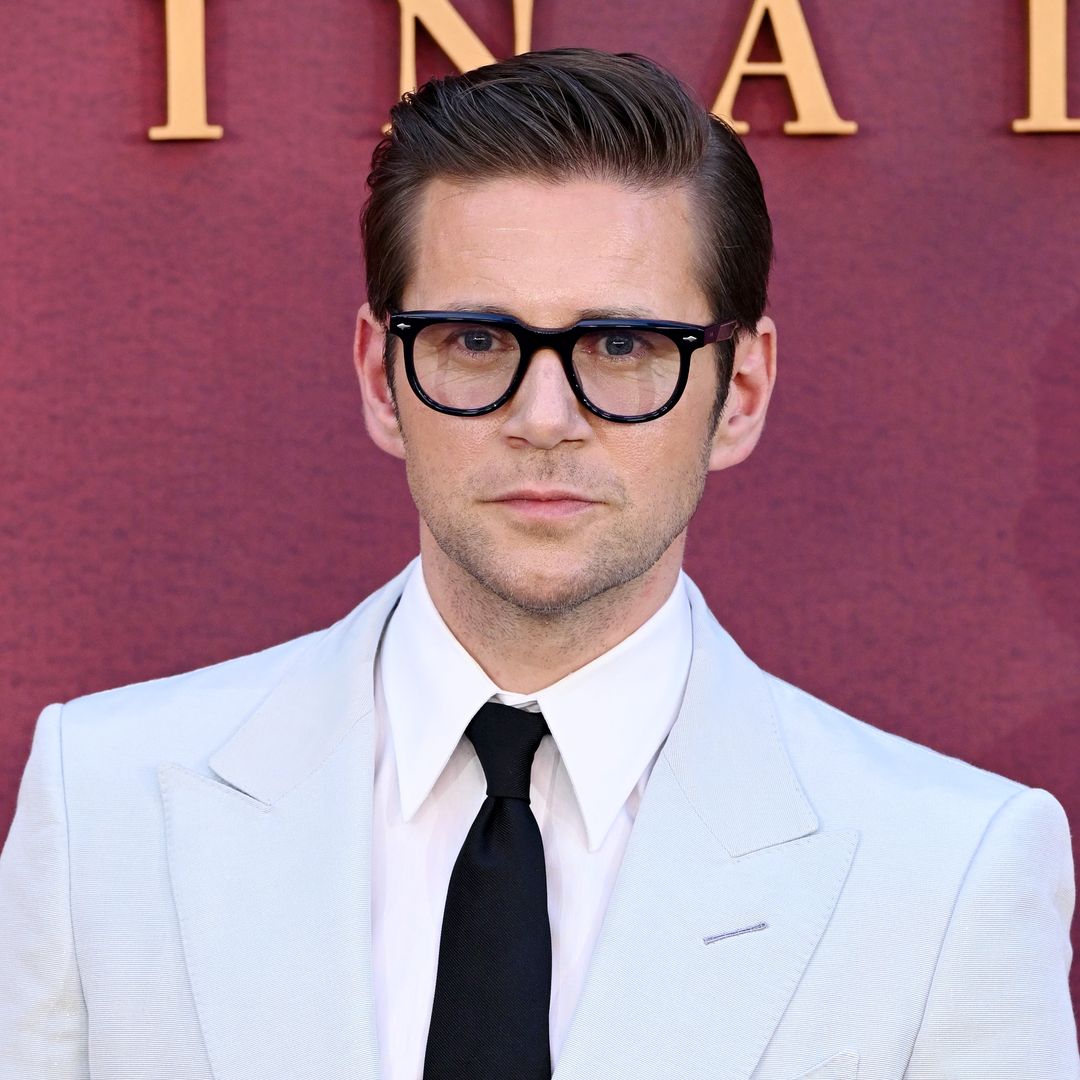
Tensions rise when the royal household staff arrives and pushes the Downton servants aside, prompting quiet rebellion downstairs and the return of veteran butler Mr. Carson (Jim Carter) to restore order. Meanwhile, Tom Branson (Allen Leech) finds himself entangled in both royal romance and danger, ultimately preventing an assassination attempt on the King.
 © Sky
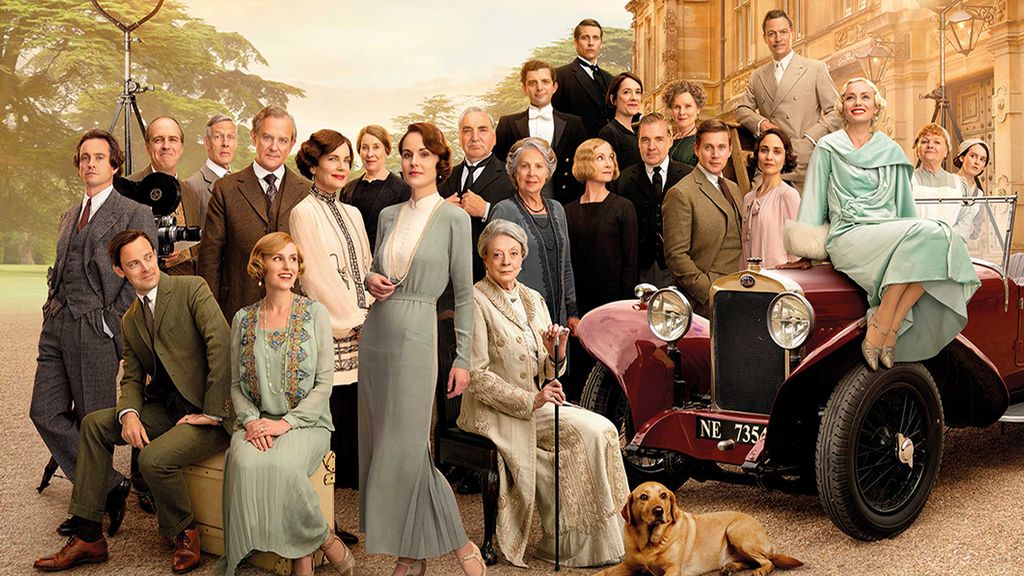
© SkyDownton Abbey: A New Era – 1928 (2022)
Set roughly a year after the events of the 2019 film, Downton Abbey: A New Era finds the Crawley family navigating two transformative developments that underscore both personal change and broader cultural shifts.
Violet Crawley inherits a villa in the South of France, which the family investigates while considering its future as an heirloom for her great-granddaughter, Sybbie.
Meanwhile, back home at Downton, a silent film production descends upon the estate, offering much-needed funds to repair the leaky roof while stirring a mix of disdain from the upstairs elite and excitement amongst the servants.
The silent-versus-talkie film subplot echoes the real-life film industry's seismic shift in the late 1920s, and Downton’s drama was inspired by the real-life drama around the making of Alfred Hitchcock’s 1929 thriller Blackmail.
 © Universal Pictures UK
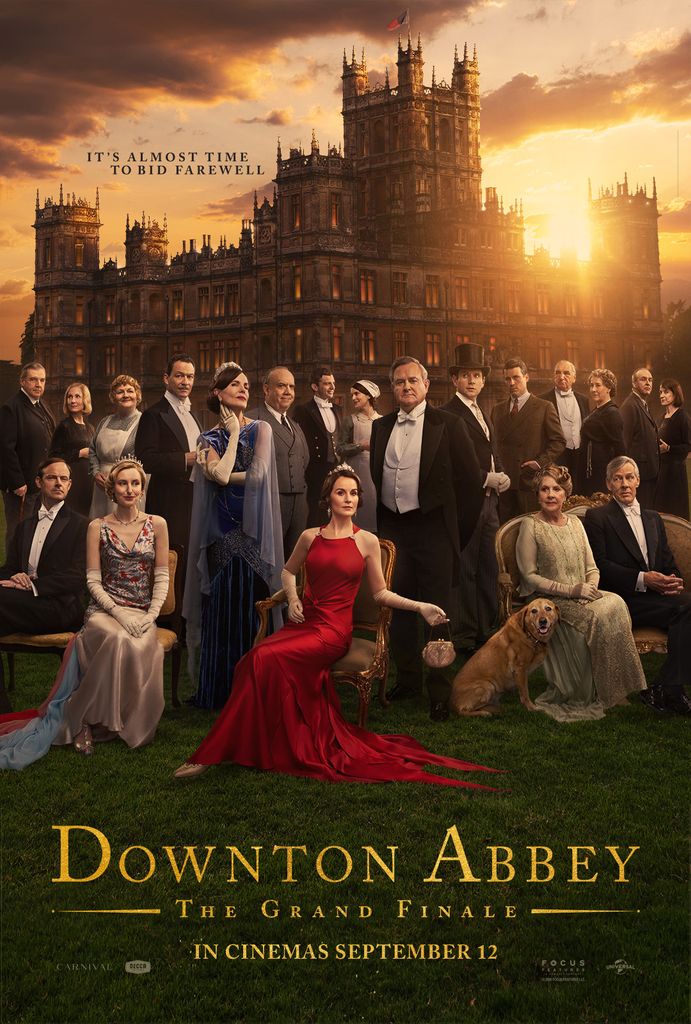
What can we expect from Downton Abbey: The Grand Finale (2025)?
Downton Abbey: The Grand Finale will release in cinemas on Friday, 12 September 2025, with creator Julian Fellowes confirming it will be the last film featuring the original cast. The upcoming installment sees the Crawley family in the 1930s, where they must navigate a disastrous social scandal amid the cultural shifts of the new decade. The question remains as to whether Downton Abbey can withstand the forces of modernity.
Original cast members Hugh Bonneville, Michelle Dockery, and Elizabeth McGovern are set to reprise their roles alongside a slew of new faces like Joely Richardson, Arty Froushan, and Simon Russell Beale.
We’re also expecting to see a tribute to Dame Maggie Smith, who sadly passed away in 2024 and whose portrayal of Violet Crawley became synonymous with the franchise’s enduring charm.
If, like us, you’re already anticipating your next Downton fix, creator Julian Fellowes has dropped a hint that the show could potentially cross over with another of his hit period dramas.
Speaking to TV Line about the opportunity for a Downton Abbey and The Gilded Age crossover, with Gladys (Taissa Farmiga) having married into British nobility, the creator said: “Well, obviously there’s an opportunity to [stage a crossover], because they are both in England. We can bring a conjunction whenever we wish, really, but we haven’t got one planned yet, so we’ll have to see.”