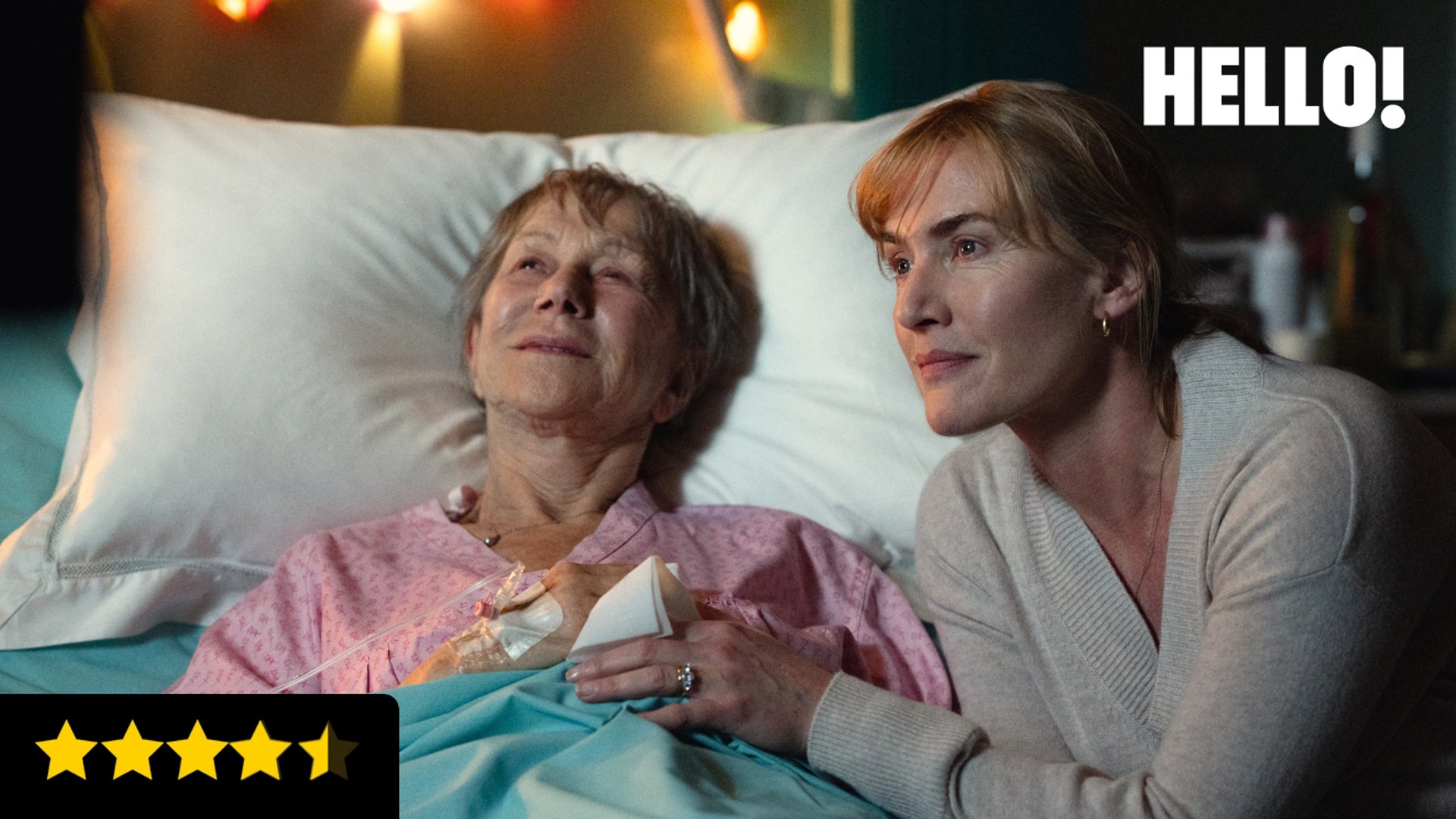
It took all of ten minutes before my eyes were glassy and tears threatened to break the dam of my lower eyelid as the opening scenes of Goodbye June flashed across Screen One in London's Curzon Mayfair.
Netflix's latest offering is billed as a contemporary family drama, but it is so much more than what those simple words describe. Written by Joe Anders, a 21-year-old actor, budding screenwriter, and son of Oscar-winning star Kate Winslet, this story is the most real depiction of a family anticipating grief I have seen in a long time.
A far cry from a blockbuster, the simplicity and intentional rawness of the project gave it its undeniable charm and relatability, something that was achieved through both its script and its direction - a remarkable feat given it was Kate's directorial debut after years of nudges from her friends in Hollywood.
With so much to unpack from the one hour and 54 minutes I sat crying and laughing in the cinema in equal measure, here's my attempt at breaking down the beautiful film that I'm sure will be the talk of awards season next year - can you tell I'm a fan?
What is Goodbye June about?
A tale as old as time, the drama centres around a family of grown-up siblings who are thrust together after various separations to care for their elderly mother, whose health takes a turn for the worse.
Cutting straight to the point, the opening scenes show June, played by Dame Helen Mirren, collapse while making tea. The next scenes introduce each sibling in an erratic sequence symbolic of the family's dynamic.
We meet the perfectly together Julia, played by Kate, vegan, holistic Molly, played by Andrea Riseborough, lost, lonely, fragile Connor, played by Johnny Flynn and Toni Collette's Helen, the hippy, pregnant sister living abroad.
The family's head, Bernie, played by Timothy Spall, buries his head in the sand and leaves his children to steer the ship as he struggles to deal with the news that his wife, June, potentially won't make it to Christmas Day. Each character mirrors a very real family archetype that most people in the audience, including myself, can relate to someone they know in their own family structure.
The storyline weaves through the various stages of early-onset grief associated with a worsening illness, while the siblings take turns to visit their mother in the hospital as her body threatens to lose its three-year-long battle with cancer. Set mostly against the background of June's hospital room, through twists and turns, we witness heartbreaking moments of sadness, reconciliation, pure joy and unconditional love.
Throughout her stay with the NHS, June is kept entertained by her children's efforts, her husband's lack of acknowledgement of the situation and her own personal mission to reunite her daughters before it's too late.
When eye-wateringly good words meet stellar performances
Of course, it helps having two Hollywood legends as your parents when you are making a writing debut, but this nepo baby proved he was more than just someone's famous offspring when he penned this script.
From the intimate moments of reconciliation to the frank, honest confrontations between family members, I couldn't help but feel like I was watching my own family interact with each other on the big screen. As someone who experienced the same scenario as June's family, I appreciated the authentic depiction of ugliness, struggle and need for comedic relief that comes with the realisation that someone's time might be running out.
Joe's script did just that and then some. The injections of funny lines and comedic moments via the film's younger cast broke the tension and deep sorrow beautifully, and the timing, both from the rhythm of the dialogue and the direction, was executed well, meaning the story moved along at a digestible pace rather than drowning in the heaviness of the subject matter.
Despite seeing the famous cast in many other projects, for the almost two-hour running time, I could picture them as nothing other than the family fighting in front of my eyes. The performances were raw, heartfelt and pretty much perfect with each actor slotting into the part as if it was made for them.
Most memorable moment goes to…
While many scenes had me blubbering into my popcorn, one moment stuck with me long after I had left the darkness of the cinema. When a film features Dame Helen, there's bound to be moments of acting excellence, and I can assure you that this project was no different for her.
The scene takes place in her hospital room after her children and grandchildren have left her alone to sleep for the evening, having caused glorious chaos all afternoon. We see the star roll over in her bed and stare out the window.
Having remained stoic and unwavering in her positivity thus far in the film, we finally catch a glimpse of June's true feelings and watch as one solitary, heart-shattering tear slides down her cheek. The vulnerability of Helen's acting is awesome, and this simple display of emotion is potentially the hardest scene to watch in the entire movie.
A bitter-sweet ending
I'm not going to spoil the ending for you completely, but word of warning - it's rough. In keeping with the rest of the film's style, it is simple yet oh so effective and replicates exactly how these situations happen in real life.
Ultimately, this story isn't anything we haven't seen before, but the portrayal of anticipating potential grief - whether it be waiting for the inevitable or coming to terms with reality, to me anyway, was groundbreakingly honest and marvellously authentic.
My only point of contention with this film is its streaming release date. Due to hit Netflix on Christmas Eve, while it is set during the festive season, it is not one that'll get you in a jolly mood while waiting for Santa Claus to arrive.
I wholeheartedly recommend giving this one a watch, but maybe skip the 24th and stick it on after the turkey's been demolished to avoid a big, fat cry the night before Christmas!
Subscribe to our What to Watch newsletter to read HELLO!'s reviews early.