
Retinol is the overachiever of the skincare world. This powerhouse multitasker not only dusts off pigmentation, ramps up skin renewal and supports collagen, it blitzes blemishes too.
Most active ingredients started life in the dermatologist's clinic, and this vitamin A derivative – aka the gold standard in anti-ageing – is the one that experts agree gives unrivalled clinical, #nomakeup results. And yet, despite a slew of ever-more sophisticated iterations drawing on technology such as encapsulated retinaldehyde to assuage irritation, it seems that many of us are still (wrongly) under the impression that it's off-limits during the summer, making it a somewhat controversial ingredient.
Myth busting
"It's one of many retinoid myths that you can't use this ingredient in the hotter months," says Dr. Sam Bunting, founder of Dr Sam Bunting + Associates on Harley Street and her eponymous skincare brand Dr Sam's.
"It's absolutely fine to continue using your retinoid throughout the summer, as long as you're diligent with your SPF."
How to use retinol in summer
Although we're all about eliminating fear to ensure you glow all summer long, this potent active still commands respect.
 © Getty Images
"Retinol is a powerful ingredient and must be used correctly to avoid irritation," says Dr. Anjali Mahto, consultant dermatologist and founder of Self London. "The golden rule is to start slowly and build tolerance. Begin with a low concentration [0.1% to 0.3%] and use it only twice a week, gradually increasing the frequency as your skin adapts."
Anjali recommends looking out for hydrating and soothing ingredients such as hyaluronic acid, niacinamide or ceramides to counteract potential dryness, and opting for a gentle, encapsulated retinol if your skin is sensitive.
"Cream-based retinols tend to be less irritating than serums due to their moisturising properties," she says.
 © Getty Images
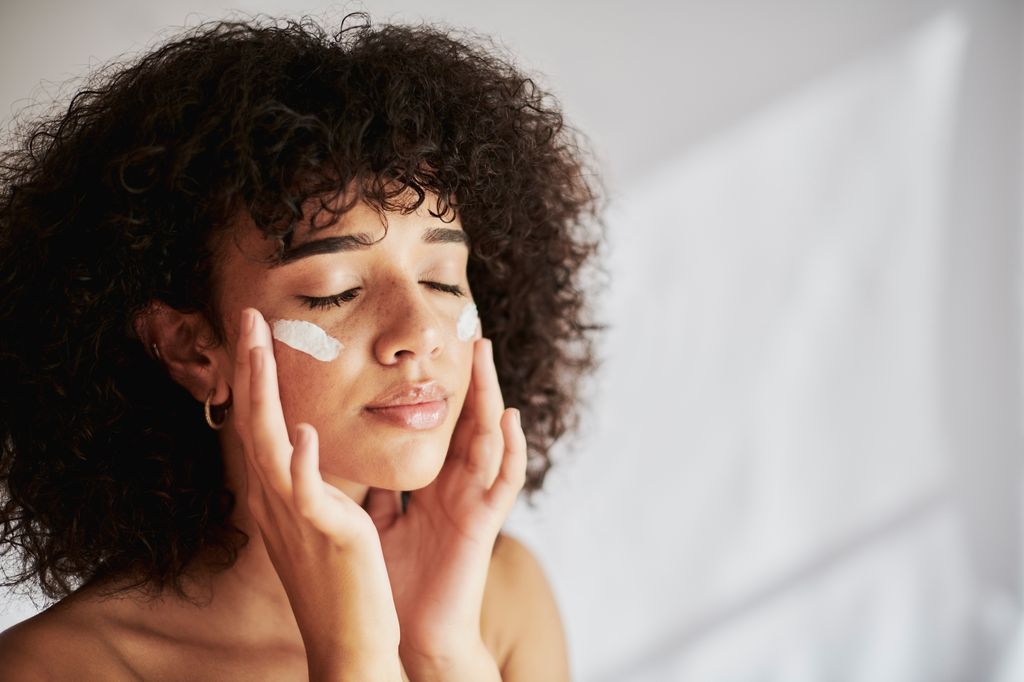
Less is more when it comes to application, too, according to Sam, who advises taking your regimen back to basics. "When starting out with retinoids, I recommend using no more than a pea-sized amount, applied using my 13 Dot Technique for even distribution and to minimise the risk of irritation hotspots around the eye, creases of the nose, lips and neck," she says.
"Even if you’re a seasoned user, there will be days when applying your retinoid full strength onto freshly cleansed skin is going to be too intense. In these instances, apply your moisturiser first as a buffer – a technique that's a retinoid-starter saviour."
Nighttime application
Application is also down to timing, so although retinol is an all-season event, it is best applied at night, Anjali says, as it breaks down in sunlight and can make the skin more sensitive to UV damage.
 © Getty Images
Which retinol to try
"The best thing with retinol is balance and intelligent formulation," says Sarah Chapman, skin expert and founder of Skinesis. "It's not about the highest percentage in a formula, as this can cause irritation and a disrupted skin barrier.
"It's about choosing a well-formulated product that uses delivery systems to ensure the retinol reaches the deeper layers of the skin without being broken down in the surface layers. This enables you to use a lower percentage to the same, if not better, effect.
"Advanced formulations also ensure maximum results without compromising your skin barrier's health."
According to Sarah, retinoids are great combined with ceramides to support the skin barrier and peptide growth factors, which can boost natural retinoic acid in the skin
Summer retinol rules
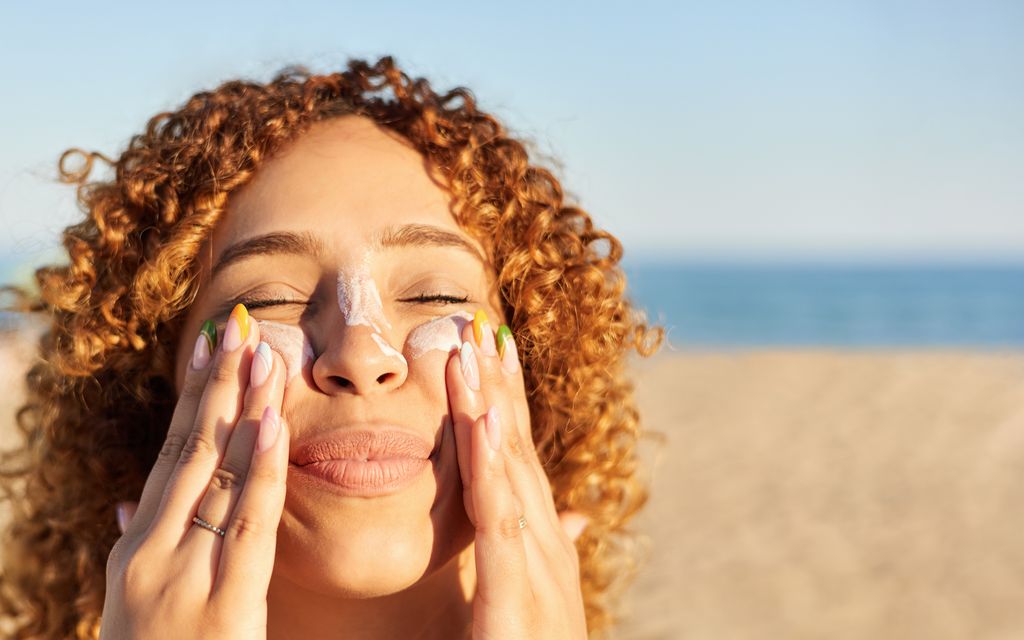
"The most important thing is to make sure you have a broad-spectrum SPF and apply it in the correct quantity," Sam says.
"You need half a teaspoon for your face and neck, which should be reapplied every two hours. Wear a hat and avoid the strong hours of the sun, between 11 am and 3 pm."
 © Getty
It's a sentiment shared by all three experts, with Anjali noting that as retinol increases sensitivity to the sun, you may want to avoid using it on days when you'll be subject to intense exposure, such as boat trips on holiday.
"If your skin is well adapted to retinol, there's no need to adjust the percentage. Just ensure that you never skip sunscreen [SPF 50], and consider adding antioxidants such as vitamin C to your morning routine for extra UV protection," she says.
And for novices? Our experts note that avoiding prolonged exposure to the sun will help protect your skin while you build tolerance, but if you find that managing the transient dryness makes observing the SPF rules tricky, or if irritation occurs, it may be worth reducing the frequency, switching to a lower-strength formula or taking a break until the autumn.