Semi-permanent makeup, or PMU, which includes popular techniques like microblading and micropigmentation, uses fine needles to deposit pigment into the skin, giving you a polished look that lasts for years - and the eyebrows are one of the most requested treatments.
If you're reading this, you're likely in one of two camps: either you're a first-timer curious about the long-term results, or you've already tried microblading and realised your eyebrows need a little refresh to stay perfect.
Expert technician Mónica Aránguez, founder of her namesake salon in Madrid, shares what you need to know about the eyebrow retouching process. She also explains why experts often suggest a few laser sessions first.
This "clean slate" approach ensures the new pigment looks crisp and vibrant, rather than muddying up old work.
 © Launchmetrics Spotlight
How often do you need a microblading retouch? (Oily vs dry skin)
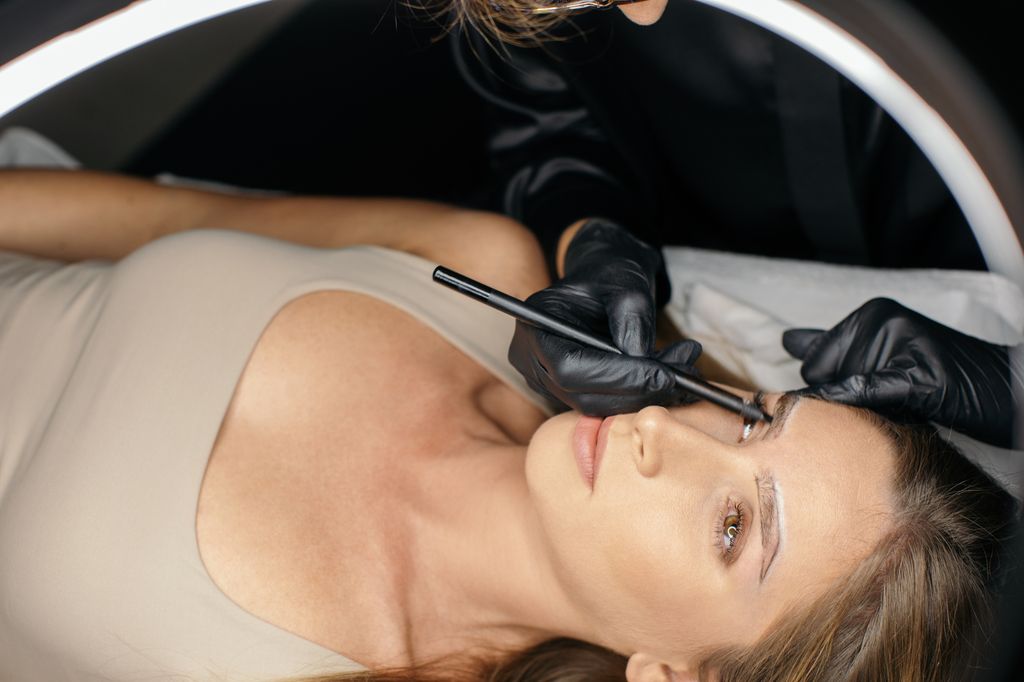
"How long will my brows last?" is one major question Mónica gets about retouches. Her answer? "One of the factors determining timing is your skin type and how it holds the pigment over time," she explains.
"Theoretically, dry skin holds the pigment for longer, around two to three years, while oily skin may require more frequent retouches (every one to two years) because excess sebum can cause [the pigment] to fade more quickly," the expert notes.
However, while these are the standard guidelines, every retouch is a customised process tailored to your unique skin.
 © Getty Images
Can you change eyebrow colour during a retouch?
We also asked Mónica what would happen if you switch up your hair colour and want your brows to match. The good news? It’s entirely possible.
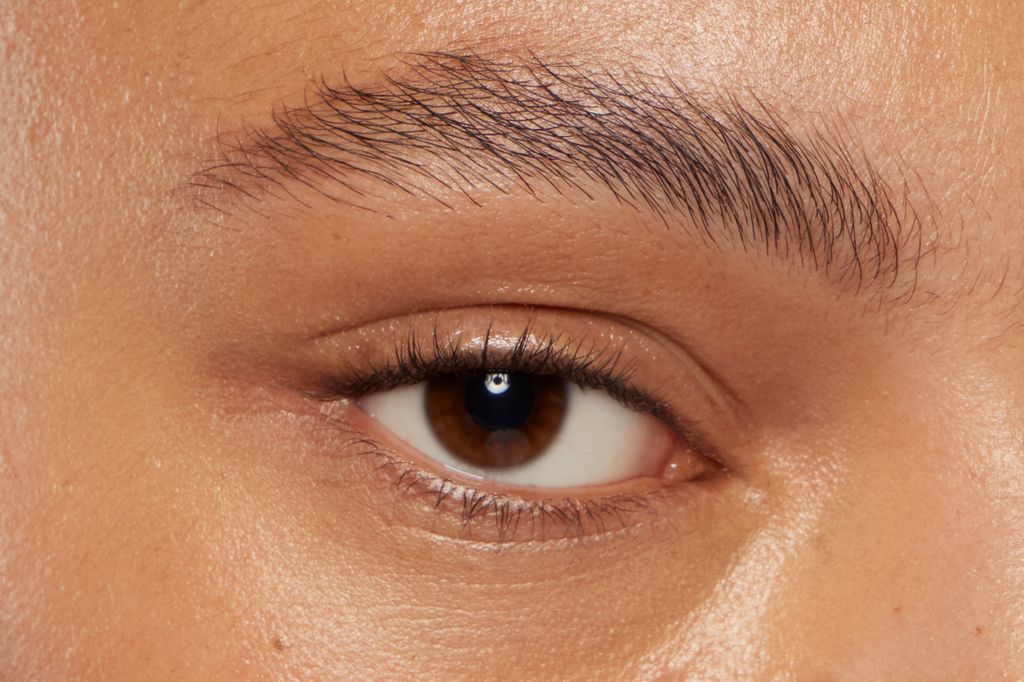
The expert explains: "Pigments can be adjusted during eyebrow retouches, but always in a way that ensures the client's overall look is harmonious and enhances their features." She also stresses that this process "requires a careful assessment of your skin tone and your natural brow hair colour to ensure the final result looks seamless."
Why retinol is the enemy of PMU: An expert warning
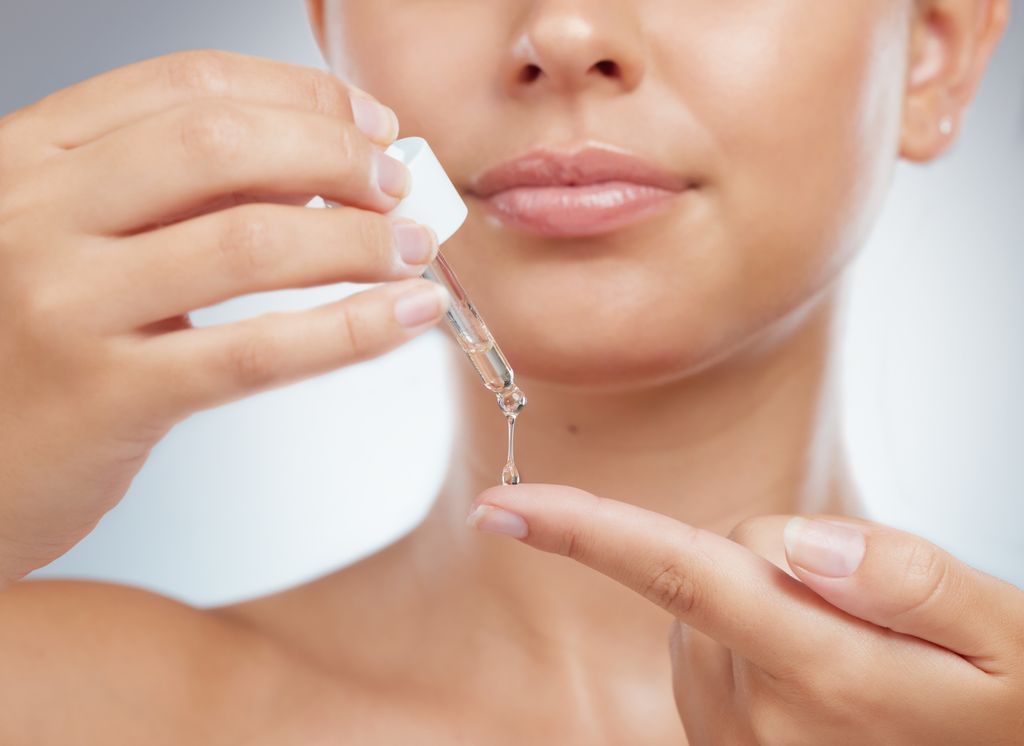
If retinol is the star of your skincare routine, you’ll need to be strategic about using it if you want to protect your brows. Mónica warns that this powerful active ingredient is one of the leading causes of premature fading, significantly reducing the lifespan of your brow pigmentation.
"Retinol speeds up cell turnover, directly impacting how quickly the pigment fades. That's why I recommend that if you use retinol, you should avoid applying it over the micropigmentation to make the treatment last longer," the expert assures. "To prevent retinol from affecting the treatment, it's important to ensure you keep it away from [your forehead and brow area]."
 © Shutterstock / PeopleImages
While Mónica often recommends laser depigmentation to clear out old residue before a fresh treatment, she’s quick to clarify that it isn't always mandatory. "We only recommend laser when we need to correct a major irregularities, like a distorted shape or a particularly stubborn, unnatural shade," she explains.
The path to a 'clean slate': Is laser necessary for removal?
"Micropigmentation is not permanent, so ideally, if the work was done correctly with high-quality pigments, it should fade naturally over time without needing help." However, if the pigment is too deep or saturated, a laser becomes the best tool for the job. "Several sessions are generally required to completely clear the pigment from the skin," she adds.
"Micropigmentation is not permanent, so ideally, if the work was done correctly with high-quality pigments, it should fade naturally over time without needing help"
What to expect during removal
She explains that "the number [of sessions] required will depend on the intensity of the pigment, how long it has been since your treatment and your skin's response." Mónica notes, "Although we can't guarantee an exact number of sessions, a straightforward case usually requires two to four sessions; and more complex cases may need six or more."
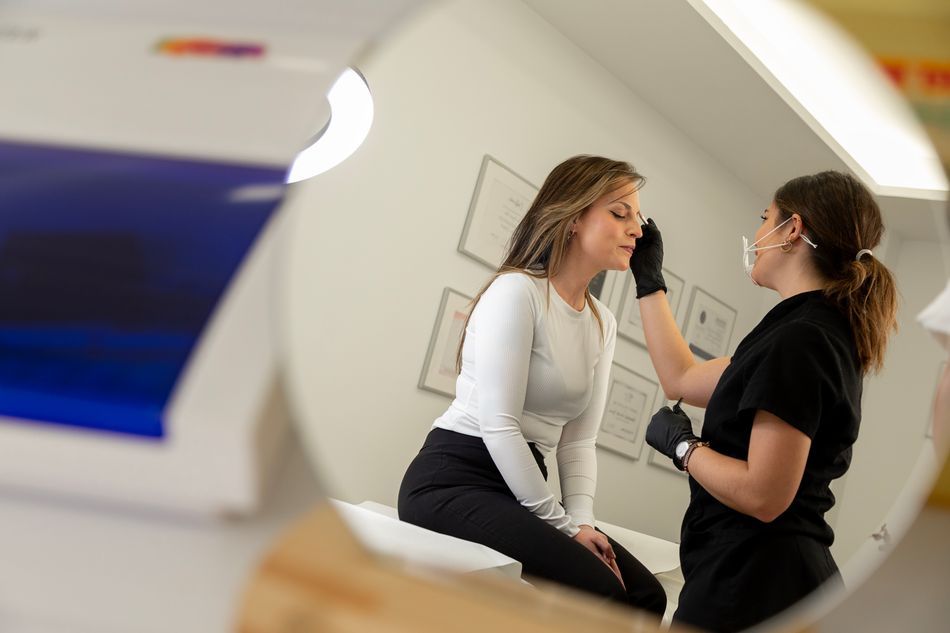
If you do need laser, don't let the word "laser" intimidate you. Mónica describes the sensation as "warm pricks" that are very bearable - many clients find the process surprisingly painless. "Some tell us they didn't feel a thing during their depigmentation session," she reveals.
 © Instagram/@monicaaranguezmicro
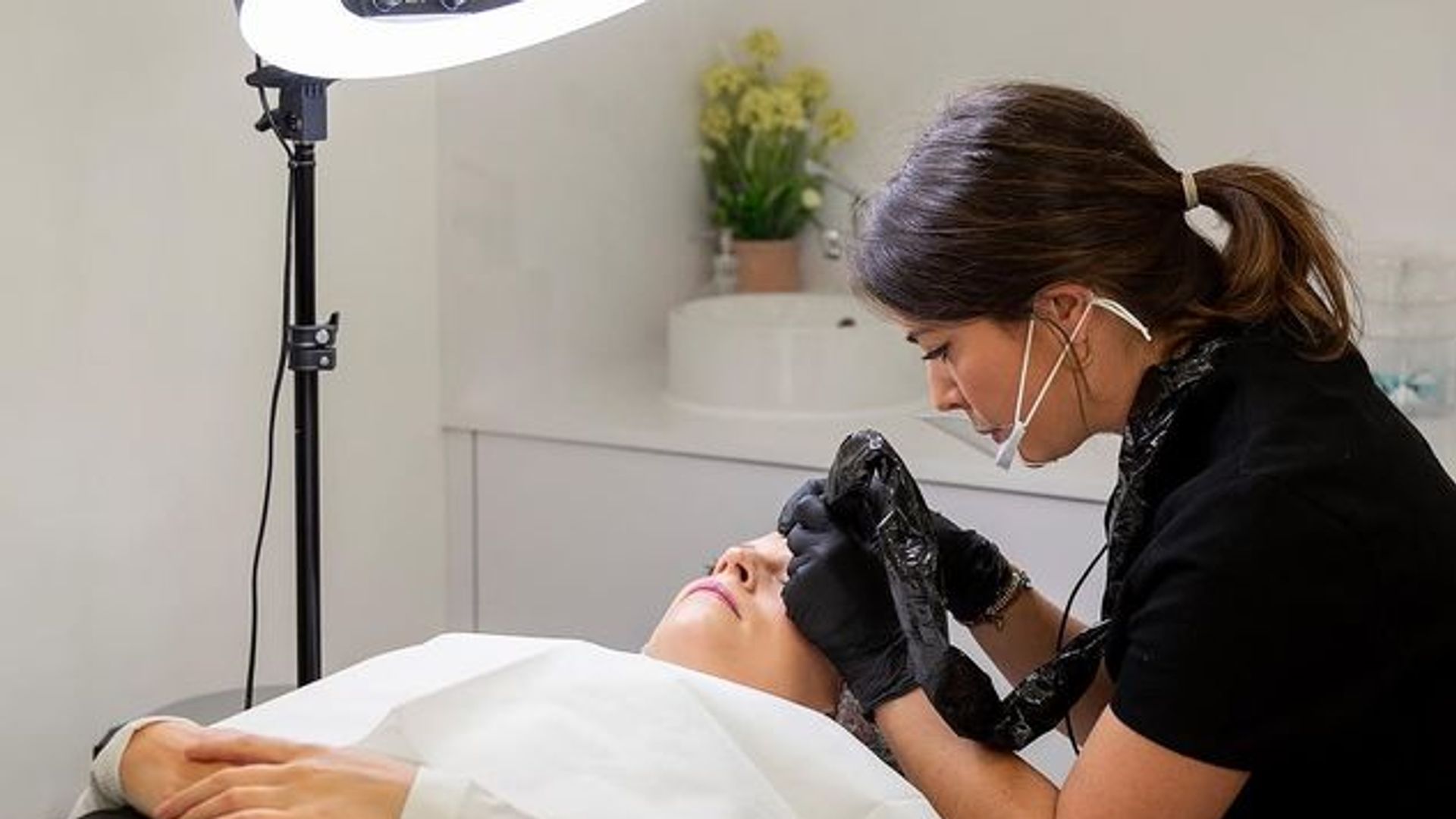
She most commonly uses the Q-Switched laser, which emits rapid pulses to shatter pigment particles into tiny fragments that the body naturally clears away, all while leaving the surrounding skin perfectly safe.
Patience is key, though. The expert says it's "crucial" to wait four to six weeks between sessions to give your skin time to recover and be properly reassessed.
Maintaining your brows in between laser sessions
It’s natural to worry about how your brows will look while you're in the middle of the removal process. Immediately after a session, the skin usually stays red and slightly swollen for a few hours. You might also notice your eyebrow hairs looking lighter - don’t panic, this is a temporary effect of the laser.
Avoid intensive treatments like brow lamination while you're going through the laser removal process
To keep your look polished between sessions, Mónica suggests using "brow gels, shadows, or pencils to balance the tone". However, she warns against more intensive treatments like brow lamination, a process that makes your brows look thicker.
Because the skin needs time to heal, you must avoid chemical treatments like lamination for the same four- to six-week window you'd wait before your next PMU session. A skilled technician will ensure your skin stays healthy while achieving the best possible fading.