

King Charles delighted the nation on Friday night when he appeared on Channel 4's Stand Up To Cancer TV programme, sharing the news that his "schedule of cancer treatment can be reduced in the New Year."
Buckingham Palace elaborated: "His Majesty has responded exceptionally well to treatment and his doctors advise that ongoing measures will now move into a precautionary phase. This position will be continuously monitored and reviewed to protect and prioritise his continued recovery. As The King has said, this milestone on his recovery journey is 'a great personal blessing.'"
King Charles initially shared that he had been diagnosed with cancer in February 2024, and after an initial break for treatment, Charles returned to work and balanced his duties alongside his ongoing recovery. Both he and his wife, Queen Camilla, shared that his treatment has been going well, and following his statement on Channel 4, Buckingham Palace attributed his busy schedule to keeping him well.
"The King has taken great comfort and encouragement from being able to continue leading a full and active life throughout his treatment, while always heeding the advice of his medical team. His ability to uphold all of his State duties, and to continue with public engagements and overseas tours, has helped greatly with the positive mindset that, as many families will know, is such a vital a part of the recovery journey."
While the monarch has remained upbeat for the majority of his treatment, things took a turn in March 2025 when His Majesty suffered side effects from his chemotherapy, which saw him admitted to hospital, before heading to his beloved Highgrove Estate, to recuperate. Following his hospitalisation, the King cancelled several planned engagements, but just two weeks later he returned to work, embarking on state visit to Italy with Camilla.
The King's diagnosis
The Palace's initial statement announcing the King's diagnosis read: "During the King's recent hospital procedure for benign prostate enlargement, a separate issue of concern was noted. Subsequent diagnostic tests have identified a form of cancer."
"Cancer diagnosis typically involves a combination of imaging and biopsy procedures," explains Professor Ramia Mokbel, a consultant dermatologist with a special interest in skin cancer and screening, and the founder of the London Skin and Mole Clinic at HCA Healthcare.
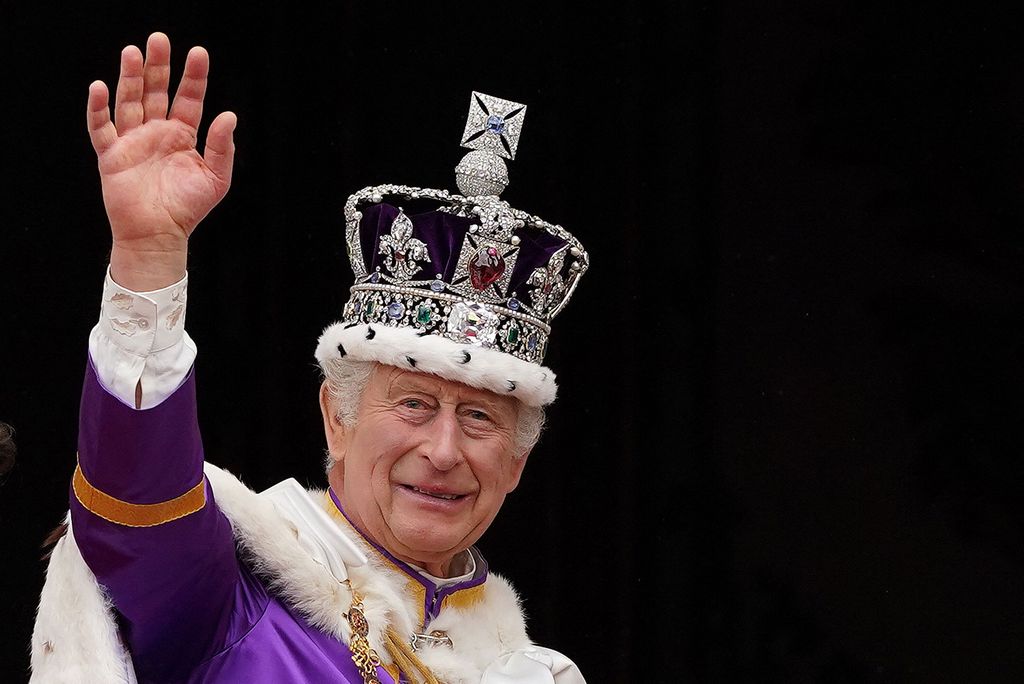 © STEFAN ROUSSEAU
"Effective cancer screening methods include colonoscopy for colorectal cancer, lung scans for lung cancer, PSA blood tests and MRI for prostate cancer, and cervical cell sampling for cancer of the cervix along with mapping and biopsy for melanoma detection."
How is the King coping with his diagnosis?
Stoic as ever, His Majesty appears to be in good spirits during his public engagements, which he was keen to get back to as soon as possible following his diagnosis and further setbacks.
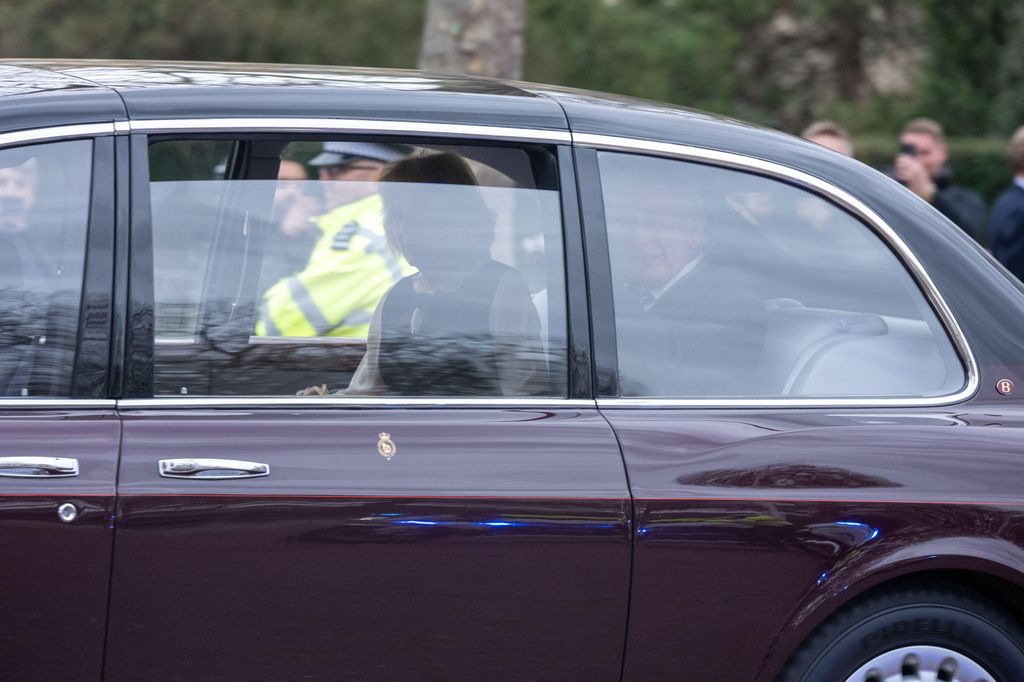 © Alamy Stock Photo
The palace's initial statement said of King Charles' plans: "His Majesty has today commenced a schedule of regular treatments, during which time he has been advised by doctors to postpone public-facing duties. Throughout this period, His Majesty will continue to undertake State business and official paperwork as usual."
It continued: "The King is grateful to his medical team for their swift intervention, which was made possible thanks to his recent hospital procedure about his treatment and looks forward to returning to full public duty as soon as possible.
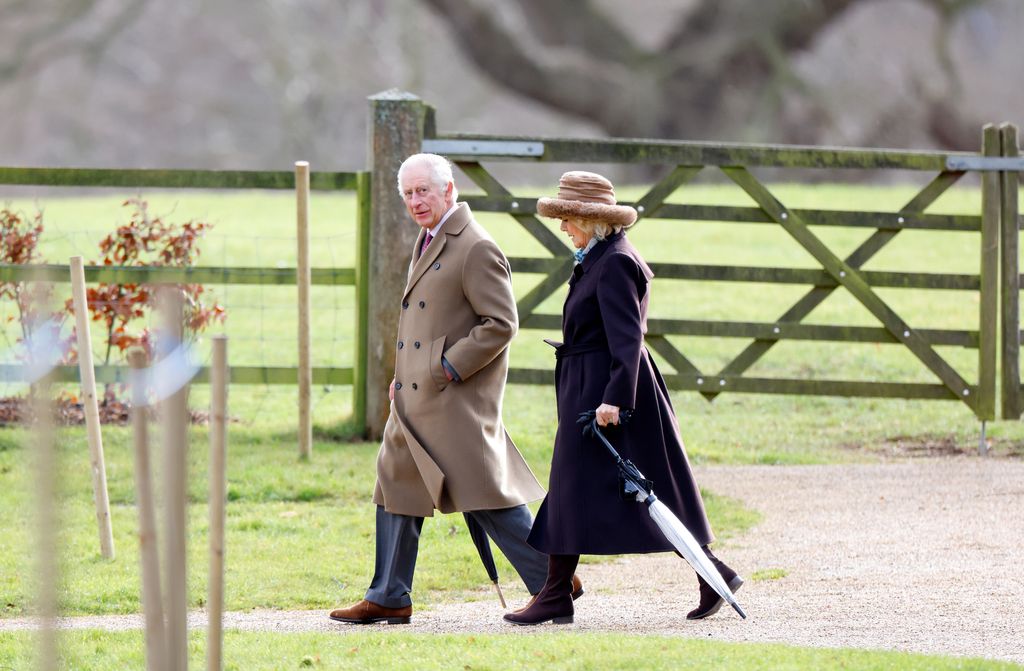 © Max Mumby/Indigo
Queen Camilla gave an update on her husband's health several days after his treatment began, saying: "He's doing extremely well under the circumstances, he’s very touched by all the letters and the messages the public have been sending from everywhere – that's very cheering."
The Queen joked last year that the King is "doing fine", but that he "won't slow down and won't do what he's told."
"The thing you learn about this illness [cancer] is that you just manage it. And that's what he does. Medical science has made incredible advances and I genuinely see no difference in him," a senior royal aide told HELLO! during the King's trip to Canada.
"As long as you just do what the doctors say, just live your life as normal as possible and that's exactly what he is doing. "It's no secret that he is still having treatment but because he is incredibly fit, he is just dealing with it all incredibly well. As everybody knows he is driven by duty, so he just gets on with it."
Side effects
King Charles has spoken about his experience, telling the public that he has lost his taste due to chemotherapy, but hasn't mentioned any other symptoms.
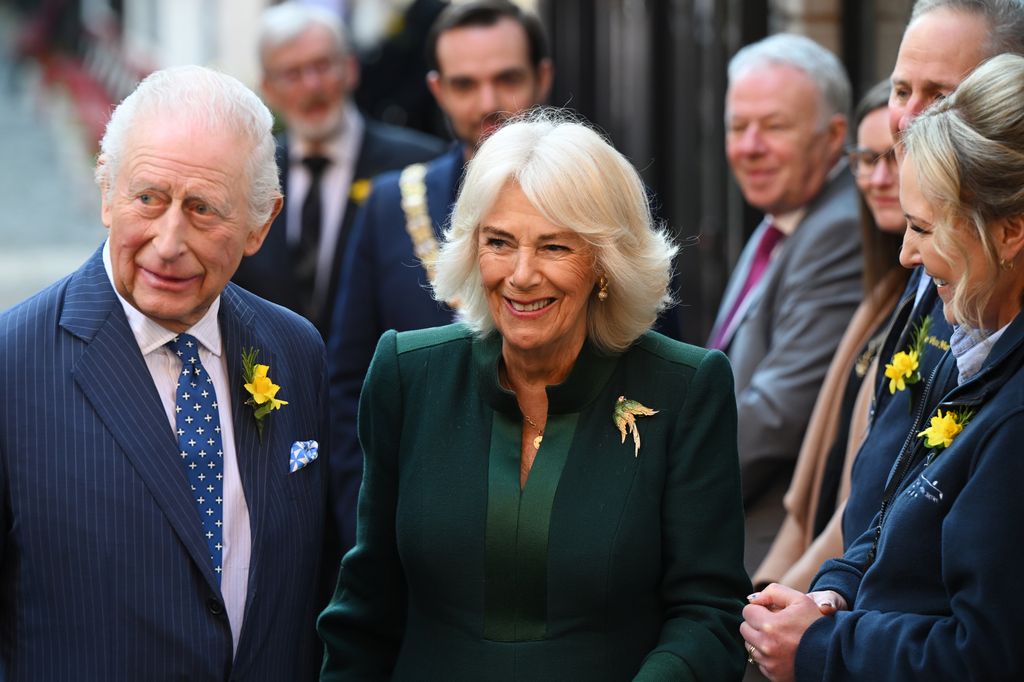 © Getty Images
During a trip to Northern Ireland in March, Charles spoke to people living with cancer, and asked whether they were managing to "survive the side effects alright?" before adding sympathetically: "You just have to push on, don't you?"
During the King's last hospitalisation, it wasn't revealed which side effect the royal had suffered from the treatment. A statement from Buckingham Palace said: "Following scheduled and ongoing medical treatment for cancer this morning, The King experienced temporary side effects that required a short period of observation in hospital. His Majesty's afternoon engagements were therefore postponed."
What does King Charles' cancer treatment look like?
The palace has not disclosed what kind of treatment the King will have but his comments on chemotherapy seemingly confirm his treatment plan. Professor Ramia explained of cancer treatment: "Each type of cancer requires a tailored multimodal treatment plan, developed and endorsed by a team of specialists from various disciplines.
 © Getty
"While some cancers respond well to surgery alone, many necessitate supplementary interventions such as radiation therapy, chemotherapy, immunotherapy, and hormonal therapy to ensure comprehensive management and improved outcomes."
How long will the treatment last?
"Cancer treatment duration can vary, but typically lasts around six months for a combination of surgery, radiation therapy, and chemotherapy," explains Professor Ramia Mokbel.
"However, hormone therapy for hormone-sensitive cancers such as breast and prostate cancer may be required for several years or even lifelong, depending on the cancer stage and individual response to treatment. Patients need to maintain a balanced lifestyle with regular exercise, proper nutrition, and adequate rest to minimise the impact of treatment on daily life."
Who is in charge of King Charles' treatment?
The King's Serjeant Surgeon is Ranan Dasgupta, a urologist who specialises in a treatment for enlarged prostates. He is based at the London Clinic. The head of the Medical Household is Michael Dixon. The former GP was appointed in 2022.
 © Getty Images
In December 2024, Charles honoured Dr. Douglas Glass, otherwise known as the apothecary to the King, and his physician, Professor Richard Leach in the 2025 Honours List. Both men were recognised for their personal service to the monarch and the royal family.


