

Something strange happens to the body after 50. You are eating the same meals, moving in the same way, and yet the weight creeps on. For many of my clients, it feels like their body has turned against them. But it hasn’t. It is just operating under a new set of rules, and most of us were never given the manual.
At midlife, the old diet tricks no longer work. In fact, they can backfire. That punishing gym routine or low-fat snack habit that kept you in shape a decade ago may now be working against you. Hormones shift, metabolism slows and the way we process food and stress changes.
Here are five common habits that I see time and again in my clinic, behaviours that are making weight loss harder, not easier, after 50.
1. Skipping meals
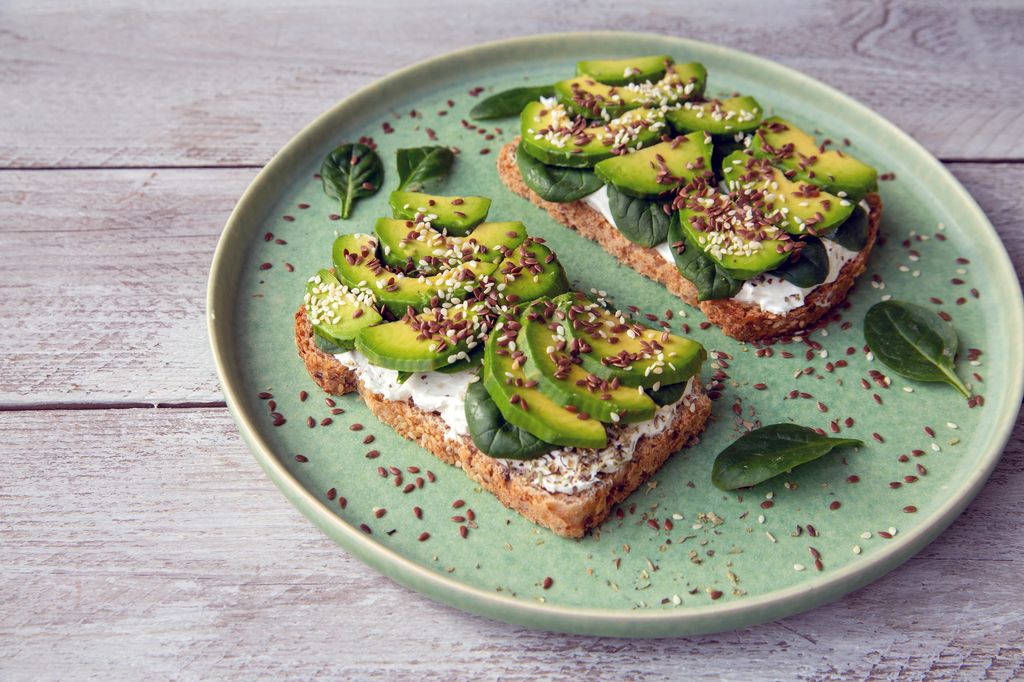
It sounds counterintuitive, but skipping meals can stall weight loss. Many over-50s try to cut calories by skipping breakfast or lunch. But this often leads to low blood sugar, brain fog and overwhelming hunger later in the day. That’s when the biscuits come out. Your body also interprets skipped meals as a stress signal, raising cortisol, which encourages fat storage around the middle.
The key is not to eat more, but to eat strategically. Prioritise a protein-rich breakfast and space your meals evenly. This keeps your metabolism steady and reduces cravings.
 © Getty Images
2. Eating too little protein
Protein is not just for bodybuilders. After 50, we lose muscle mass more rapidly, and protein helps preserve it. Less muscle means a slower metabolism, and that translates to fewer calories burned at rest.
Yet I often see midlife clients subsisting on toast, soup or salads with barely any protein. Every meal and snack should include some. Eggs, Greek yoghurt, tofu, beans, fish and lean meats are easy wins. Aim for at least 25–35 grams per meal.
 © Getty Images
3. Sitting too much
You do not have to run marathons to lose weight, but sitting all day will not help either. Sedentary behaviour becomes more common with age, especially after retirement. Even with a daily walk or gym session, sitting for long stretches slows calorie burn and weakens the body’s ability to manage blood sugar.
Simple changes help. Take phone calls standing. Stretch between meetings. Walk after dinner. It all adds up.
 © iStock
4. Over-relying on ultra-processed foods
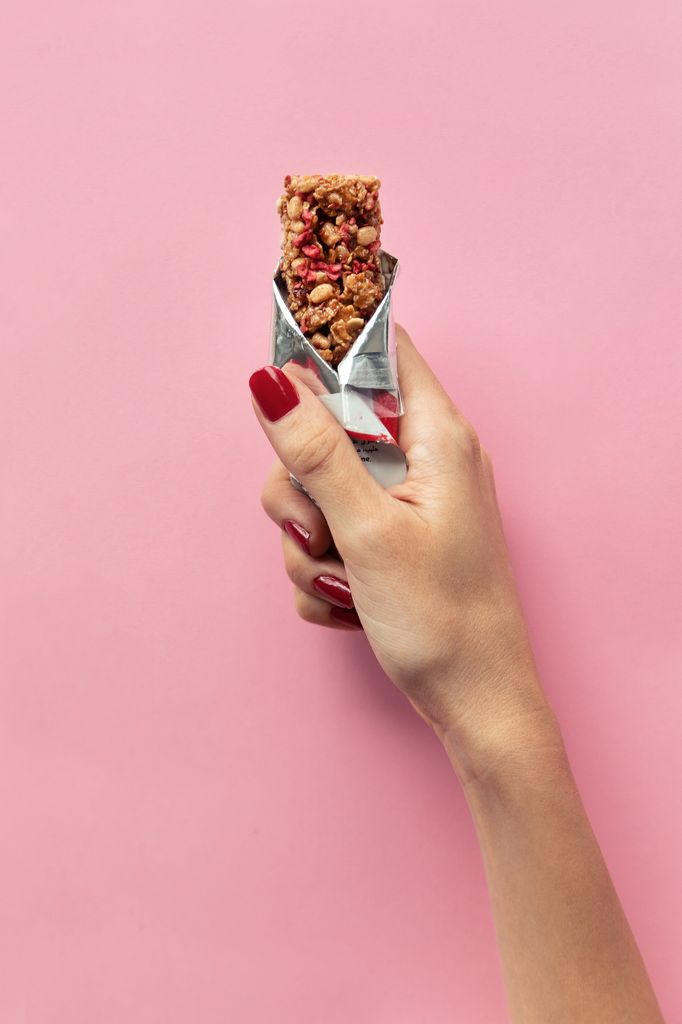
It is easy to fall into the convenience food trap, especially when cooking for one or two. But many so-called healthy options, protein bars, diet yoghurts, low-fat snacks, are heavily processed. They spike blood sugar and leave you hungry again an hour later.
What your body needs now is nutrient density. Whole foods that provide fibre, protein, healthy fats and slow-release carbs. Swap the cereal bar for a boiled egg and fruit. Choose real yoghurt with chia seeds instead of a low-fat version with added sugar.
 © Getty Images
5. Not managing stress and sleep
Stress is not just in your head. It drives up cortisol, which encourages fat storage, especially around the abdomen. And poor sleep interferes with appetite hormones, increasing hunger and reducing satiety.
Many over-50s are juggling ageing parents, work pressures and hormonal changes, all of which affect sleep. Prioritising rest is essential. Cut back on screens in the evening. Try magnesium-rich foods like almonds, dark leafy greens or pumpkin seeds at dinner. And create a calm bedtime routine that supports quality sleep.
Faye James is a Sydney-based accredited nutritionist and author of The 10:10 Diet, The Menopause Diet, The Long Life Plan and her latest book The Perimenopause Plan.