
Hormones play an incredibly important role in our bodies, impacting everything from our energy levels to our mood, weight, skin and sleep. Each hormone plays its own role within the body, but when one becomes out of balance it can soon impact the others, leading to far-ranging symptoms. There can be a lot of confusion and misinformation about hormonal imbalances, so to clear things up we consulted top women's health experts to compile this need-to-know guide covering everything from the causes and symptoms to the support options to restore balance in the body.
What is hormonal imbalance?
Hormonal imbalance occurs when there is too much or too little of one or more hormones within the body, causing systems to go off track. It commonly impacts sex hormones like oestrogen, progesterone and testosterone, but other hormones that may go out of balance include thyroid hormones, insulin and cortisol. While we all experience hormonal fluctuations both throughout the day and our menstrual cycle, hormonal imbalances are different to these natural rhythms, as Dr Fiona MacRae, a specialist in integrative women's health and bioidentical hormone balancing for the Marion Gluck Clinic, explains.
 © Me dia
"Hormones naturally rise and fall through the menstrual cycle, the daily circadian rhythm, puberty, pregnancy, and menopause. These changes are predictable, time-limited, and usually not a cause of major disruption to daily life. An example would be feeling more energetic mid-cycle when oestrogen peaks; or mild pre-period bloating," Dr Fiona says. "Hormonal imbalance occurs when a hormone is consistently too high, too low, or out of sync with the body's needs. Symptoms are persistent, severe, or disproportionate compared with normal cyclical changes. This can disrupt multiple systems (mood, weight, energy, fertility, skin, metabolism). An example would be ongoing heavy, irregular bleeding from unopposed oestrogen activity; or weight gain and hair loss from an under-active thyroid."
She continues: "Hormonal imbalances are persistent: symptoms last weeks or months, not just days. Hormonal imbalances are disruptive and affect daily life, relationships, or work. This signals a problem and may mean a medical condition or ongoing stress is affecting hormonal balance."
Signs and symptoms
Hormonal imbalance can look different for women and men, however, there are many shared symptoms to look out for, including anxiety, mood swings, weight loss or weight gain, digestive issues and sleep deprivation. Meanwhile, women may observe changes to their menstrual cycle, including changes to cycle length, anovulation, spotting or heavier or lighter periods.
Symptoms will differ depending on which hormones are out of balance, and can sometimes give an indication of what is happening in the body. For example, weight loss, anxiety, and a rapid heartbeat could be an indication of hyperthyroidism, while irregular periods, oily skin and thinning hair may be a sign of PCOS. It is important to work with a professional like a GP to identify any imbalances and access the best treatment.
Causes of hormonal imbalance
Hormonal imbalance may be due to medical conditions or lifestyle factors, and Dr Fiona MacRae has shared some expert input on different causes to be aware of. "Medical conditions causing hormone imbalance include: Thyroid problems (too much or too little thyroid hormone), Polycystic ovary syndrome (PCOS), Diabetes or insulin resistance, Adrenal conditions (e.g. Cushing’s, Addison’s), Pituitary disorders (e.g. raised prolactin)," she says. "Lifestyle factors causing hormone imbalance include: high stress and cortisol, lack of sleep, poor diet or under-nutrition, excess alcohol, smoking, caffeine, over-exercise or inactivity."
Environmental triggers have also been linked to hormonal imbalances. These could include everything from cleaning products to plastics and personal care items, which can contain harmful endocrine disrupters that impact hormonal health.
Diet and lifestyle for hormonal support
Diet and lifestyle choices can have a big impact on hormonal balance, and focusing on eating enough fibre and healthy fats is a good place to start. Supporting blood sugar balance and eating a diet of healthy whole foods can also be beneficial in supporting hormonal health, naturopathic nutritionist Jessica Shand previously told HELLO! The Mediterranean diet, with its focus on healthy eating and antioxidant-rich foods, is ideal for supporting your hormones and is easy to try at home. It is one of the best anti-inflammatory diets to try, with benefits to longevity and brain health alongside hormonal balance. Meanwhile, inflammatory foods, including refined carbohydrates, processed meats and ultra-processed foods should be kept to a minimum.
 © Getty Images
Meanwhile, you shouldn't dismiss the importance of things like sleep, stress management and your activity levels in supporting your hormonal health. Women's health expert Dr Fiona recommends the following:
- Balanced nutrition (adequate protein, healthy fats, fibre; avoid extreme restriction).
- Regular exercise (improves insulin sensitivity, reduces stress hormones).
- Stress management (mindfulness, CBT, yoga, breathing exercises).
- Good sleep hygiene (7–9 hours, consistent routine).
- Reduce alcohol, caffeine, smoking — all can affect cortisol, insulin, oestrogen metabolism.
Natural remedies
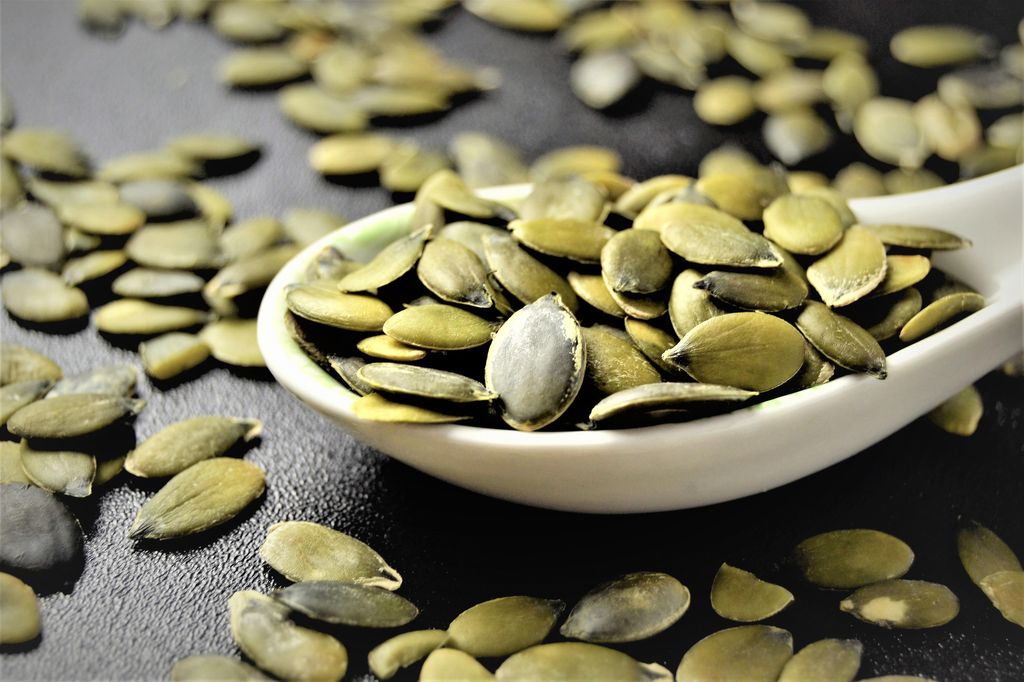
Meanwhile, supplements may also be beneficial to ensure you are getting the nutrients needed for healthy hormones. These may include magnesium, vitamin B6, zinc and Omega-3s, depending on the imbalances you are experiencing. Jessica Shand also recommends seed cycling as a way of supporting hormonal balance. "Seed cycling is an Ayurvedic practice that involves consuming specific seeds at different phases of your menstrual cycle to nourish the body with key nutrients and support your natural hormonal rhythms," the naturopathic nutritionist explains, along with sharing more information about what seed cycling is and how to do it.
 © Getty
Treatment
Dr Fiona explains that treatment options for hormonal imbalances depend on the cause and as well as the lifestyle changes above, medical treatments may include:
- Targeted hormone therapy
- Thyroid replacement for hypothyroidism.
- Combined hormonal contraceptives for cycle regulation in PCOS.
- Oestrogen and progesterone (HRT) for menopausal symptoms.
- GnRH agonists/antagonists (e.g., Prostap) in select conditions.
- Non-hormonal medications
- Metformin for insulin resistance in PCOS.
- SSRIs for PMS/PMDD when mood is strongly affected.
- Surgical interventions in rare cases (e.g., pituitary tumour).
Meanwhile, monitoring and support may include blood tests, imaging, and symptom diaries to help distinguish between normal and pathological patterns. Regular review is essential, both to assess benefit and prevent side effects.
Key details to remember
It is important to remember that hormones are always fluctuating, but while normal fluctuations are expected and cyclical, imbalances are persistent and disruptive. If you're concerned about your hormonal health, it is important to seek medical advice if your symptoms are persistent or severe, or if lifestyle changes don't make a difference. The treatment for hormonal imbalance depends on the cause, and while some medical imbalances may require medication or further treatment, lifestyle changes can be all that is required to overcome other imbalances.