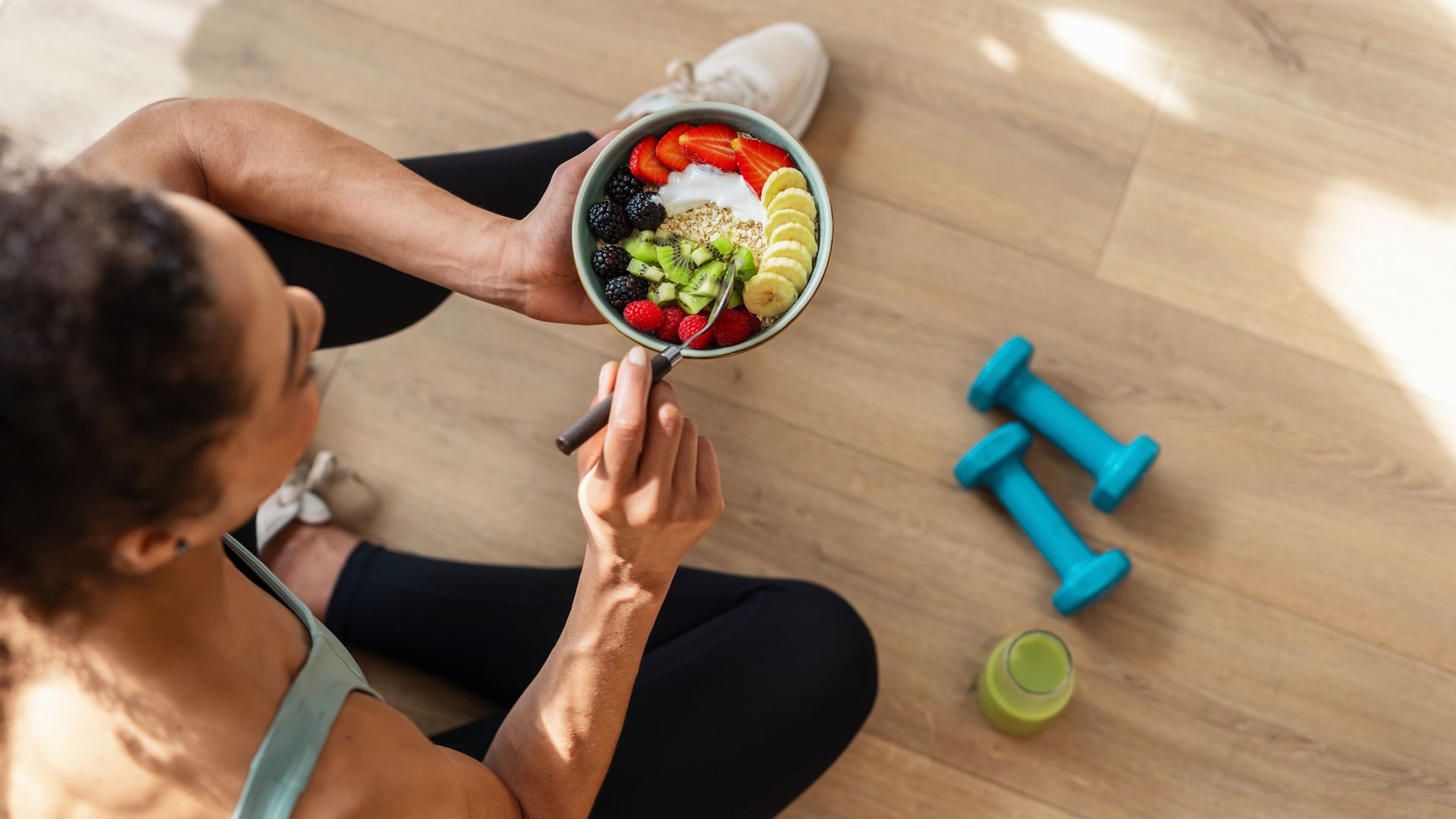
Inflammation in the body is a normal response to things like injury or infection, but when this occurs in healthy tissues or lasts for too long, it can cause damage throughout the body. Chronic inflammation can last for months or years and is linked to conditions like autoimmune diseases, gastrointestinal diseases, and mental health conditions like depression and anxiety. However, lifestyle changes, including eating a healthy diet and stress management, can be a game-changer when it comes to reducing inflammation and reversing symptoms.
We spoke to two doctors to understand more about the effects that chronic inflammation can have and the lifestyle changes that mitigate it. They have shared the practical steps we can take to reduce inflammation and prevent further damage, and the good news is, by focusing on these three key areas, you will feel the benefits in both your body and mind.
What chronic inflammation does to the body
You may not initially realise that you are experiencing chronic inflammation, but if it goes unmanaged for a long time, you may start noticing anything from digestive issues to joint pain, which indicate that your body needs more support. "Chronic inflammation is a long-lasting, non-silent riot of immune-response activity in which the body is in a continual state of guard. Over time, this 'low-grade fire' can be harmful to blood vessels, joints, and tissues," Dr. Blen Tesfu, a Physician and General Practitioner with Welzo, says.
"It also plays a role in the development of chronic diseases like cardiovascular disease, diabetes, and some digestive conditions by disrupting how cells function and repair themselves. The toll of chronic inflammation also speeds biological ageing, suppresses immunity, and leaves the body more vulnerable to infections and slower to recover from injuries."
Food swaps that lower inflammation
The food we eat can play a big role in inflammation levels throughout the body. The Mediterranean diet is an example of an anti-inflammatory diet, thanks to its focus on whole foods, healthy fats and lots of fruit and vegetables. Meanwhile, Dr Asimah Hanif, a GP in the NHS, recommends swapping inflammatory foods, including refined carbohydrates and sugar, for anti-inflammatory alternatives.
- Swap refined carbs (white bread, pastries) for whole grains (oats, quinoa, brown rice): "High fibre stabilises blood sugar and supports gut health," she says.
- Replace sugary drinks and sweets with fresh fruit or unsweetened berries: "Antioxidants and polyphenols reduce oxidative stress," the GP explains.
- Trade fried foods and processed snacks for nuts, seeds, avocado and olive oil: "Healthy fats (omega-3s) lower inflammatory markers."
- Swap red and processed meat for fatty fish like salmon or sardines, and legumes: "Omega-3s and plant proteins reduce cytokine production."
- Avoid excess alcohol and swap for green tea or herbal infusions: "Polyphenols support liver function and reduce systemic inflammation," the NHS doctor says. "Other inflammation-fighting foods include turmeric, ginger, garlic, leafy greens, colourful veggies, and fermented foods like yoghurt or kimchi."
Movement and stress management
Your exercise levels and the way you manage stress also shouldn't be overlooked when you're trying to reduce inflammation. "Frequent movement - whether walking, swimming, cycling, or taking a dance class - cuts fat tissue that releases inflammatory chemicals and leads cells to be more sensitive to insulin and better able to metabolise sugar," Dr. Blen explains. "The nervous system, when it gets calm from exercises such as meditation, deep breathing, or yoga - all of which can also serve to reduce overall stress – ends up lowering cortisol levels and keeping cortisol from extending inflammatory cycles."
Prioritising sleep
Last but not least, sleep must be a priority to help your body rest and repair. "By consistently valuing quality sleep, you play into the body’s ability to repair tissues, maintain healthy hormone levels, and regain homeostasis - all of which reduce the risk for chronic inflammation," the physician adds.