
Do you want to revitalise your brain and boost your cognitive function? Thanks to breakthroughs in neuroscience and regenerative medicine, anti-ageing your brain is no longer just a dream. There are practical strategies and cutting-edge treatments to help you fight brain aging and enhance your mental performance. We'll share expert insights from Dr. Estela Lladó-Carbó, a leading specialist in neurosciences and longevity, who explains how to delay cognitive decline and optimise brain health even as we get older. Discover how to rejuvenate your brain with four slightly strange brain-boosting tricks and learn more about how unlock your full cognitive potential.
What is neurolongevity?
What's the use of living until you're 100 if your quality of life isn't thriving, too? "Longevity isn't just about adding years to your life, it's also about maintaining an extraordinary quality of life right up until the end," says Dr. Estela Lladó-Carbó.
This means slowing down you brain's ageing process and acting in ways that are optimal for preventing cognitive decline. It's not enough to live longer - we also want to maintain our memory, concentration, mood and decision-making skills.
"Each of our organs ages at a different rate, and the brain needs a specific type care to stay in shape," she says. Neurolongevity is one new frontier of medicine that goes beyond treating diseases to also focus on keeping your brain healthy for the rest of your life.
 © Getty Images
Why does our brain age?
Genetics influences around 50% of our brain's ageing, while the other half depends on our habits. "Sleeping well, exercising, eating a healthy diet, controlling your stress and maintaining positive social relationships are key to healthy brain ageing," she explains. On the other hand, isolation, apathy and chronic stress can negatively affect brain health, and accelerate the loss of neuronal connections.
It's known as epigenetics - the study of how your environment and lifestyle can change how our genes work. "Many people who live to be 100 have certain routines in common, like reading the newspaper daily or having an active social life. Those types of habits stimulate neuronal plasticity," she says.
4 neuro gymnastic exercises to slow down cognitive decline
The good news is that you don't need to rely on technology to have brain that's in good shape. There are some somewhat silly sounding actions you can take - and they're absolutely free! - to keep your brain healthy.
 © Getty Images
For example:
- Brushing your teeth with your non-dominant hand
- Walking backwards
- Eating with your eyes closed
- Getting dressed in the dark
"These are 'neuro gymnastic exercises' that activate different areas of the brain," explains the doctor.
These actions encourage neuroplasticity - they stimulate new neural pathways, promote neurogenesis and improve sensory coordination. The more demanding a task is for the brain, the more it activates it. "Intellectual boredom ages us as much as physical inactivity does," says Dr Lladó-Carbó.
In people with mild cognitive impairment, aromatherapy is used as a tool to reinforce memory recall and improve mood
And there's another unusual ally: your sense of smell. "The olfactory system is connected to the hippocampus, the memory region. Aromatherapy not only relaxes, it also activates memories and neural connections," says the expert.
Essentially, using natural essential oils can help activate brain areas linked to emotions and autobiographical memory. In people with mild cognitive impairment, it's used as a tool to reinforce memory recall and improve mood.
What other therapies rejuvenate the brain?
The doctor uses pioneering technologies in her practise, including transcranial magnetic stimulation or non-invasive brain neuromodulation.
"I work in intraoperative monitoring, helping neurosurgeons pinpoint which brain areas can be resected [removed] and which cannot. I've seen firsthand how the brain, when faced with a tumour, can naturally reorganise its functions. For example, the brain might shift language to another area of the brain to avoid the growing mass. Using transcranial magnetic stimulation, we can non-invasively help this process along, temporarily shifting a functional area away [from the tumour]. This allows the surgeon to safely remove the tumour, and the relocated function then often returns to its original spot. It's extraordinary."
 © Getty Images
Another innovative therapy is intermittent hypoxia, which simulates being at high altitude. "We temporarily lower the oxygen a person breathes until their blood oxygen level drops to between 75% and 85%. This process activates [the body's natural] anti-inflammatory mechanisms that act as antioxidants and widen blood vessels. Then, we switch to a hyperoxia phase where the person breathes pure oxygen. This gives the cells a boost, making them work better and helping to get rid of zombie cells that are a main cause of aging."
The combination of hypoxia and hyperoxia stimulates the production of new mitochondria, enhances cell repair and improves brain oxygenation for more mental clarity.
"The purpose of knowledge isn't to generate fear, but to help you take action before any damage appears."
A therapy called plasmapheresis is also a possibility. "We could metaphorically call it a cellular reset," says the doctor. "We extract the blood, then filter toxins and heavy metals, and reintroduce it back to the patient. I've seen spectacular improvements in patients with autoimmune diseases and memory disorders," she states. Plasma cleansing helps reduce systemic inflammation, improves mental clarity and decreases symptoms associated with mild cognitive impairment.
Predicting the onset of brain diseases
A key part of neurolongevity is knowing if you have a genetic risk for certain diseases and then carefully managing your lifestyle to either delay their onset or prevent them altogether. "It's not enough to just look at a patient's current glucose level. You have to also try to find out if that person might have Alzheimer's in 10 years," she argues. In her practice, she analyses inflammatory markers and performs genetic tests such as APOE4, related to neurodegeneration. "The purpose of knowledge isn't to generate fear, but to help you take action before any damage appears."
 © Getty Images
She also uses indicators such as fructosamine, which reflects the average glucose of the last few weeks and allows early detection of metabolic risks. With the help of this data, medical experts can design a personalised preventive strategy.
"Intellectual boredom ages us as much as physical inactivity does"
But everything we do for our brain will be of little use if we do not also take care of the rest of our body. A healthy diet, exercise and, above all, staying connected through quality relationships, are key to living longer and better.
About the expert
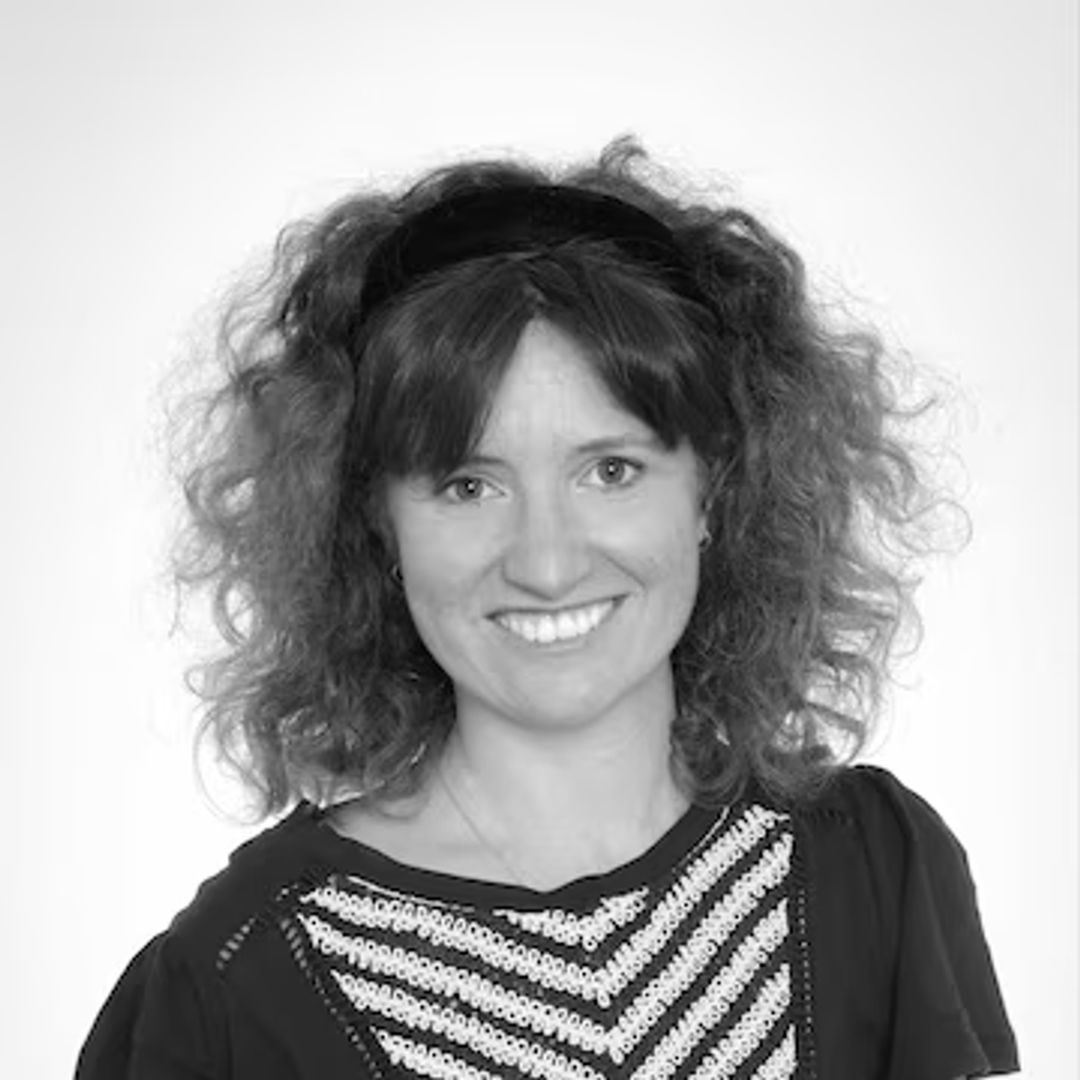
Dr. Estela Lladó-Carbó is a medical specialist in neurosciences and longevity at Barcelona's Monarka Clinic.