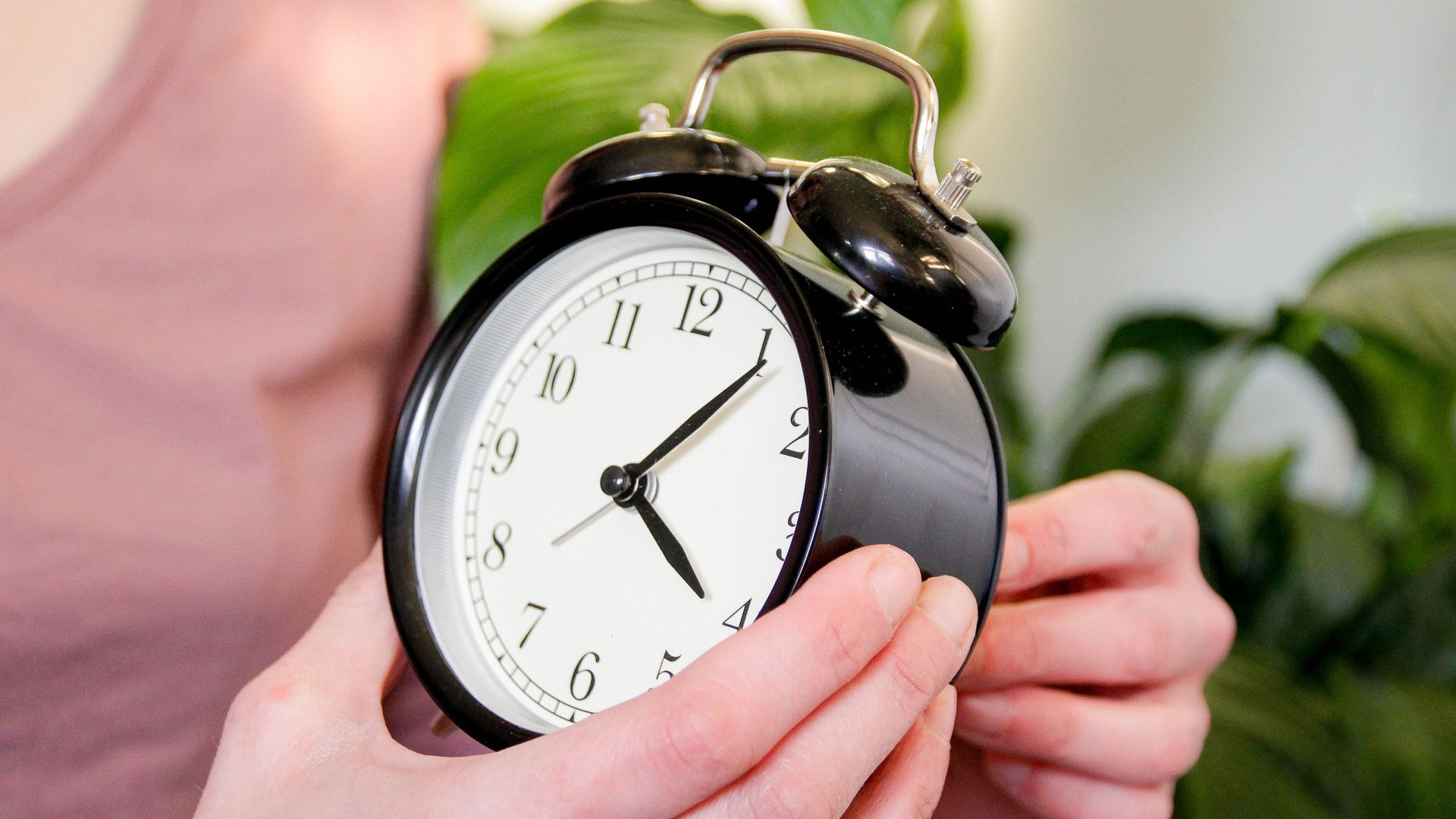
On Sunday 26 October, daylight saving time comes to an end, and winter truly begins: as the clocks go back, the sun sets even earlier, we're all feeling a bit burnt out, and it's pitch black by the time you leave the office in the evening. Until Sunday 29 March next year, when we go back to British Summer Time, we'll simply have to do what we can to get through the shorter days. To this day, a lot of myths still fly around about why daylight savings even happens in the first place – but why do we really change the clocks?
Why we actually change the clocks
The idea of moving the clocks forward has been thrown around since the 18th century, but it really took off when a builder called William Willett campaigned for the idea in the early 1910s; it is believed that he was annoyed his golfing would be interrupted by the sun going down. Unfortunately, his efforts were not successful, and he passed away with influenza in 1915.
In the spring of 1916, it was implemented by the German army, which moved its clocks forward as a way of conserving energy, and was soon followed by many other European countries, and is now a mechanism to make the most of increased summer hours.
However, in the Royal Observatory, they never change the clocks! Louise Devoy, curator of the Royal Observatory, says: "We deliberately keep most of our historic clocks on GMT all year round as they were mainly used before the first daylight saving came into effect in 1916. Visitors arriving at the Observatory in the summer are often confused by the apparently delay shown on the Shepherd Gate Clock but as Britain's first public clock to show GMT, we're proud to continue this tradition." Scroll down to find out more about the myths that some people still believe…
Myth 1 – it's for the farmers
Many people circulate the rumour that the clocks are changed because of the farmers, but this is actually completely untrue. If anything, the changing of the schedules can be incredibly disruptive to a farmer's schedule.
Myth 2 – it's to give us more sunlight in winter
Though it is true that daylight savings does serve the purpose of giving us more hours of sunlight during the evening hours, it was introduced for the spring and summer months, rather than the colder months – if anything, winter days feel even shorter! With fewer hours of sunlight and much lower temperatures, the winter can feel a little depressing, but there are many ways to beat those December blues.
Myth 3 – it's a modern invention
Even though, in the grand scheme of things, it's a relatively new concept, daylight saving time has been implemented all over the world for the last 100 years! It was first introduced in 1916 by the German army before many other European countries, and eventually other countries around the world.
Myth 4 – the UK might scrap it soon
Daylight savings is a rather controversial concept in the UK: according to a YouGov poll from 2024, 46 per cent of Britons think we should continue to implement it, while 42 per cent are actively opposed to the concept. Meanwhile, across the Atlantic, Donald Trump has expressed his support for ending it in the United States.
However, the UK government currently has no public plans to abolish or end the practice in any shape or form, so the lovers of long summer days have absolutely nothing to worry about!
How to adjust your sleep
To prepare for the change early, or to make sure that your sleep isn't disrupted when the clocks finally go back, there are a few habits you can start now. In the nights leading up to the time change, try to get to bed 15 to 20 minutes earlier each night, building up to the change, and making sure that you are getting at least seven hours per night. It's also advised to slightly shift other daily routines such as your skincare and mealtimes to help you body prepare. On the morning of Sunday 26 October, immediately expose yourself to bright, natural light to wake yourself up completely and help your body clock adjust.