

The popularity of weight-loss injections like Ozempic, Wegovy and Mounjaro has skyrocketed over the past two years, but alongside the impressive before-and-after results, a new question is emerging: do these medications cause muscle loss? While the drugs can lead to significant fat reduction and improved metabolic health, experts say there are important nuances to understand about how they affect muscle, metabolism and overall strength. HELLO! speaks to nutritionist and exercise scientist Amelia Phillips and GP Dr Crystal Wyllie for the low down on the side effects.
 © Getty Images
What happens to your body on Ozempic
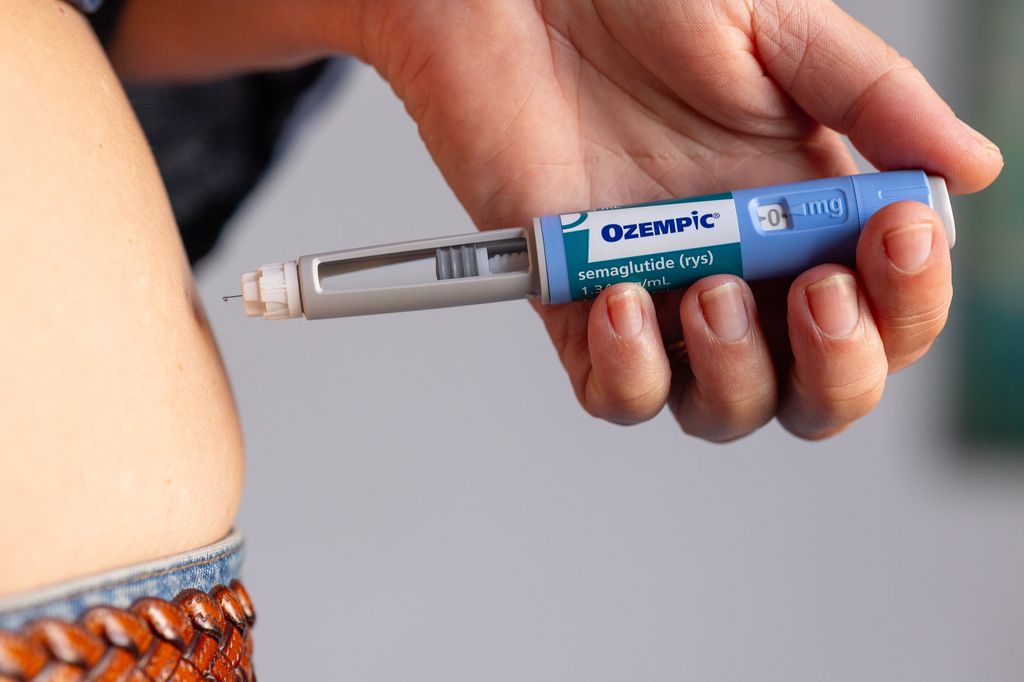
"Ozempic (semaglutide) mimics the gut hormone GLP-1, which slows gastric emptying, reduces appetite and improves insulin release, helping to stabilise blood sugar and curb cravings," explains registered exercise scientist and nutritionist Amelia Phillips. "These effects lead to an overall reduction in calorie intake and weight loss, primarily from fat, especially visceral fat. However, we do see a loss in lean muscle tissue as well."
She references a major 68-week clinical trial of more than 1900 people, in which semaglutide led to an average 15 percent body weight reduction, with approximately a 19.3 percent drop in total fat mass and a 3.5 percent decrease in lean muscle mass. "While the fat loss is beneficial for health, the drop in muscle mass is concerning because muscle supports metabolism, strength, mobility and glucose regulation, helping to prevent frailty, chronic disease and age-related decline."
Why muscle loss can happen during rapid weight loss
According to both Phillips and GP Dr Crystal Wyllie, muscle loss is not unique to Ozempic users - it’s a known side effect of rapid weight loss in general. "Rapid weight loss, even without the use of medications, can result in a significant loss of muscle mass, especially if you are not getting adequate nutrition or doing exercises to support strength," says Dr Wyllie. "Other potential side effects of weight-loss medications, like nausea, dizziness and fatigue, can make physical activity feel harder, especially in the first few weeks of treatment or when increasing your dose."
Phillips explains that the body enters a catabolic state when calorie intake is too low. "During rapid weight loss, the body not only burns fat but also breaks down muscle protein to provide amino acids for energy and vital organ function," she says. "Low protein intake, lack of resistance exercise and hormonal changes, such as lower insulin or testosterone, all make it harder to preserve muscle while promoting fat loss."
 © Corbis via Getty Images
How much muscle loss is typical (and when to worry)
In the 68-week semaglutide study, participants lost on average 3.5 percent of their muscle mass — roughly 1.5 to 3 kilograms of metabolically active lean tissue. "Even a relatively small loss of muscle can slow metabolism and contribute to gradual weight regain over time," Phillips notes. "That’s why resistance exercise and adequate protein intake are crucial during weight loss."
Dr Wyllie says that while it can be tricky to measure muscle changes, there are signs that may indicate excessive muscle loss. "Feeling tired and sluggish day-to-day, or finding it harder to complete regular activities like chores and exercise, can suggest you’re losing too much muscle," she says. "Surprisingly, mood swings, anxiety and stress can also occur due to hormonal changes and reduced activity. If you notice these symptoms, see your GP to rule out other causes."
 © AFP via Getty Images
The health risks of losing muscle too quickly
Muscle mass plays a critical role in maintaining stability, metabolism and long-term health. "Our metabolic rate, how much energy we burn at rest, is determined by how much muscle and fat we have," says Dr Wyllie. "Loss of muscle not only slows metabolism but can also increase the risk of falls and fractures, especially as we get older. Reduced strength can lead to decreased activity, which further compounds the problem."
Phillips agrees. "Losing muscle, whether slowly or quickly, can negatively affect metabolism, blood sugar regulation and overall vitality," she says. "We naturally lose about one percent of muscle each year from midlife, so it’s crucial to prevent additional loss."
How to protect your muscle while using Ozempic
The encouraging news is that muscle loss is not inevitable. "To protect yourself while using Ozempic, it’s essential to follow your doctor’s advice, stay hydrated, eat a diet rich in protein and include resistance training in your routine," says Dr Wyllie. "These strategies can help mitigate muscle loss and dehydration while on medication."
Phillips adds that the most effective approach is a structured strength training plan. "Aim for at least three sessions per week of 20 to 40 minutes using heavy weights," she advises. "Focus on compound movements like squats, deadlifts, bench presses and rows, using enough weight that you reach near-failure by the sixth to tenth rep. Repeat for three to six sets."
She also recommends consuming one to 1.5 grams of protein per kilogram of body weight per day. "For a 70-kilogram person, that’s 70 to 100 grams daily," Phillips explains. "A protein shake can help meet your target, especially when your appetite is suppressed."
 © Getty Images
When to speak to your GP or trainer
Both experts agree that ongoing monitoring is key. "Speak to your doctor as soon as you notice changes in strength or function," says Dr Wyllie. "Your GP can adjust your treatment or recommend diet and exercise modifications. If you’re over 60, it’s especially important to consult your doctor because older adults are at higher risk of sarcopenia, or age-related muscle loss."
Phillips adds, "A DEXA scan is an excellent way to track changes in body composition. Get one at the start of your journey and retest every four months until your weight stabilises. This allows you to monitor fat, muscle and bone health as you lose weight."
The bottom line
Ozempic can be a life-changing, and even life-saving, medication for people struggling with obesity or insulin resistance, but experts caution that protecting muscle should be a priority. "Ozempic can transform metabolic health, but it’s not a magic bullet," says Phillips. "Maintaining muscle through strength training and nutrition is what turns weight loss into long-term health."
Dr Wyllie agrees. "For the best outcomes, always pair medical treatment with healthy lifestyle habits," she says. "That’s what ensures you not only lose weight safely but also stay strong, resilient and energised for life."
Expert bios
- Dr Crystal Wylie is UK based GP and Asda Online Doctor
- Amelia Phillips is a Australian based nutritionist and exercise scientist and founder of Inner Vitality