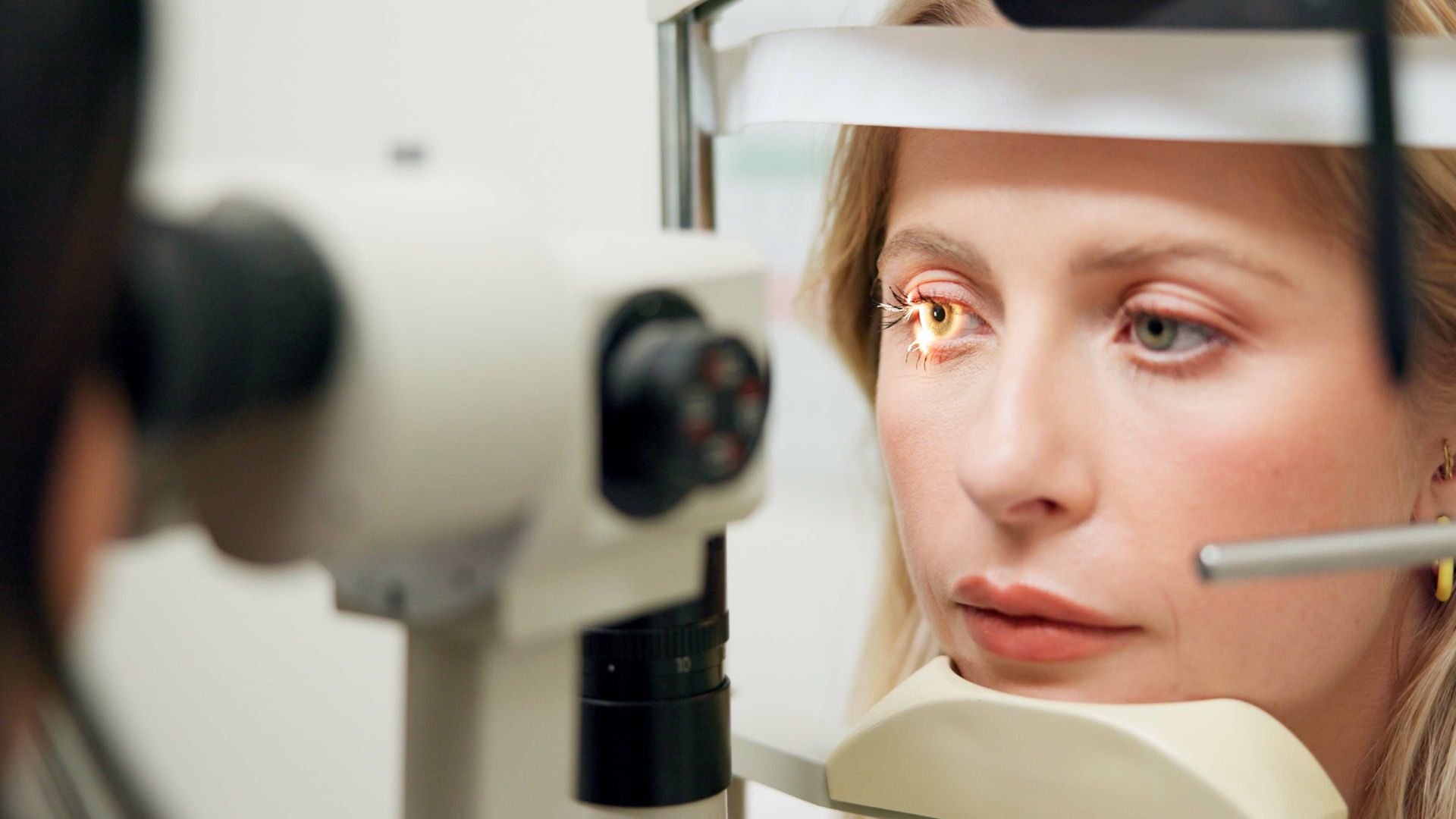

Our eyes are truly amazing: beyond simply allowing us to perceive our surroundings, they also provide valuable insights into something else - our overall health. Yes, it's true - your eyes can give hints and signs of problems happening elsewhere in the body, making it a key diagnostic indicator for problems that extend far beyond our eyesight.
As ophthalmologist Dr José Luis Mendoza explains: "It's important to note that our eyes can often provide clues about our general health. They are, effectively, the windows to our internal system; their blood vessels, nerves and connective tissues offer a wealth of information.”
The eyes are directly connected to the rest of the body on vascular, neurological and immunological levels. "The optic nerve is an extension of the central nervous system, while the retina and other eye structures are highly vascularised, meaning they are fully integrated with other organ systems," he says.
"This means that any change we observed in the visual system may also indicate a systemic disease, sometimes even before the general symptoms of the illness appear."
That's why identifying pathologies through an eye exam is crucial for the prevention and early detection of disease, and determining their subsequent treatment. For patients already diagnosed with certain illnesses, eye exams are essential for monitoring disease progression and spotting potential complications before they become serious.
 © Getty
Common health conditions that manifest in your eyes
Which common systemic diseases manifest through the eyes? The specialist details them below:
- Diabetes: A build-up of sugar in the blood can damage various body tissues, including the retina, causing what is known as diabetic retinopathy. This is considered the most common cause of legal blindness among 20 to 65-year-olds in industrialised countries.
- High Blood Pressure: Hypertension can damage the blood vessels in the retina, leading to haemorrhages or swelling of the optic nerve.
- High Cholesterol: Dyslipidaemia (an increase in cholesterol and fats in the blood) can affect visual health to varying degrees. It may cause a decreased ability to differentiate colours due to issues in the cerebral cortex caused by excess blood cholesterol. Additionally, visible signs can appear, such as xanthomas (fatty deposits), xanthelasmas (yellowish patches around the eyelids), and the corneal arcus (a greyish ring around the cornea).
- Autoimmune Diseases: Conditions such as lupus or rheumatoid arthritis can trigger eye inflammation, including uveitis and dry eye. In many instances, uveitis - a general term for inflammation of the uvea -the vascular middle layer of the eye, consisting of the iris, the ciliary body, and the choroid - can be the first sign of the disease.
- Thyroid Disorders: Conditions like hyperthyroidism can cause thyroid ophthalmopathy, which manifests as eyelid retraction, bulging eyes (proptosis), or inflammation of the eye muscles.
- Infectious Diseases: Viruses such as herpes, or parasitic infections like toxoplasmosis - as well as less common diseases like syphilis or tuberculosis- can cause eye damage that often presents as a sensation of a foreign body or floaters in the eye.
Dr Mendoza also mentions that a range of other conditions can manifest through vision problems, including:
- Liver or biliary issues: In these cases, jaundice, which gives a yellowish tone to the sclera (the white of the eye), is a clear visible sign of liver dysfunction.
- Vitamin deficiencies: “A Vitamin A deficiency can lead to a dryness and issues with night vision, making it difficult to see in the dark. A lack of certain B vitamins has also been linked to eye strain, dry eye, blurred vision, inflammation, light sensitivity or even degenerative diseases such as glaucoma or Age-Related Macular Degeneration (AMD).”
How vascular diseases impact your vision
Vascular diseases stand out among the conditions that present symptoms in the eyes. Ophthalmologist Dr Lucía González Buendía explains that the retina - responsible for turning light into electrical impulses that the brain interprets as images - is highly vascularised.
High blood pressure can damage the veins and arteries of the retina, leading to hypertensive retinopathy
"The retina contains an extensive network of blood vessels which are susceptible to changes in circulation that can be caused by disease," she explains. "Alterations in these vessels, such as thickening, ruptures or narrowing, can reflect underlying diseases in the cardiovascular or metabolic systems."
She adds that diabetic retinopathy, which harms the retinal blood vessels, can be identified early by an ophthalmologist, sometimes even before the patient is aware they have diabetes.
Similarly, high blood pressure can damage the veins and arteries of the retina, leading to hypertensive retinopathy.
Early detection of these signs allows for more effective management of the broader condition and helps prevent irreversible damage to your eyesight.
 © Getty Images
How brain health and immunity affect your eyes
Dr González Buendía explains that certain neurological disorders can be reflected in the state of the optic nerve. Conditions such as increased intracranial pressure - often caused by a brain tumour or haemorrhage - can lead to papilloedema (swelling of the optic nerve).
As the optic nerve is part of the central nervous system and is responsible for carrying visual signals from the retina to the brain, its health is a critical indicator of neurological function.
Furthermore, autoimmune diseases such as sarcoidosis, Behçet's disease, and Multiple Sclerosis (MS) - as well as infections affecting other parts of the body - can manifest in the eye.
These complications often attack ocular structures, causing inflammation in the retina, uvea or optic nerve, and can serve as an early warning system for underlying pathologies.
 © Getty Images
The eyes as a warning sign for cancer: Detecting tumours through vision
Due to the optic nerve's direct connection to the brain, conditions such as aneurysms, brain tumours, or certain types of cancer (including leukaemia and lymphoma) can often be detected through an eye examination.
The growth of many tumours can be painless and go unnoticed until symptoms present themselves. It is worth noting that vision loss can indicate tumours that either directly affect ocular structures (such as the retina or the orbit) or originate in organs like the brain or lungs.
According to ocular oncology expert Dr José García-Arumí: "It is not uncommon for different types of tumours to metastasise to the eye."
After the age of 50, you should visit an ophthalmologist every two years, especially if you wear glasses or notice any decrease in visual acuity
This frequently occurs with lung cancer; in many cases, an ophthalmological diagnosis is what reveals the existence of a previously unknown primary tumour. Dr García-Arumí also notes that breast cancer is another neoplasia that commonly spreads to the eye, alongside less frequent tumours of gastrointestinal, renal or cutaneous origin.
Cerebral tumours can also directly disrupt the structures that transmit visual stimuli from the retina to the brain. Depending on their location, they can cause blurred vision, double vision or a reduced visual field.
The importance of early detection lies not only in improving the patient's general prognosis but also in preventing irreversible vision loss, as the nerve fibres of the optic nerve cannot regenerate.
 © Getty Images
Eye symptoms you should never ignore
What signs should alert us to a potential health issue? Generally, a wide variety of symptoms can help identify the presence of a visual or more general health problem. Key warning signs include:
- Blurred vision
- Flashes of light
- Floating spots or 'floaters'
- Sudden loss of vision
- Difficulty seeing at certain distances (near or far)
- Double vision (diplopia)
- Eye pain
- Changes in colour perception
- Watering or dry eyes
- Tunnel vision or blind spots
- Bulging eyes (exophthalmos)
Dr González Buendía stresses that it is often possible to spot signs of various pathologies simply by looking at the eye.
"Changes in the colour of the sclera (the white of the eye), the cornea, the iris, or even the shape of the eye can reflect both ocular and systemic conditions," she explains. "For example, jaundice - a yellowish tint to the sclera - is caused by an excess of bilirubin in the blood, usually related to issues with the liver, bile ducts, or haemolysis (the abnormal destruction of red blood cells)."
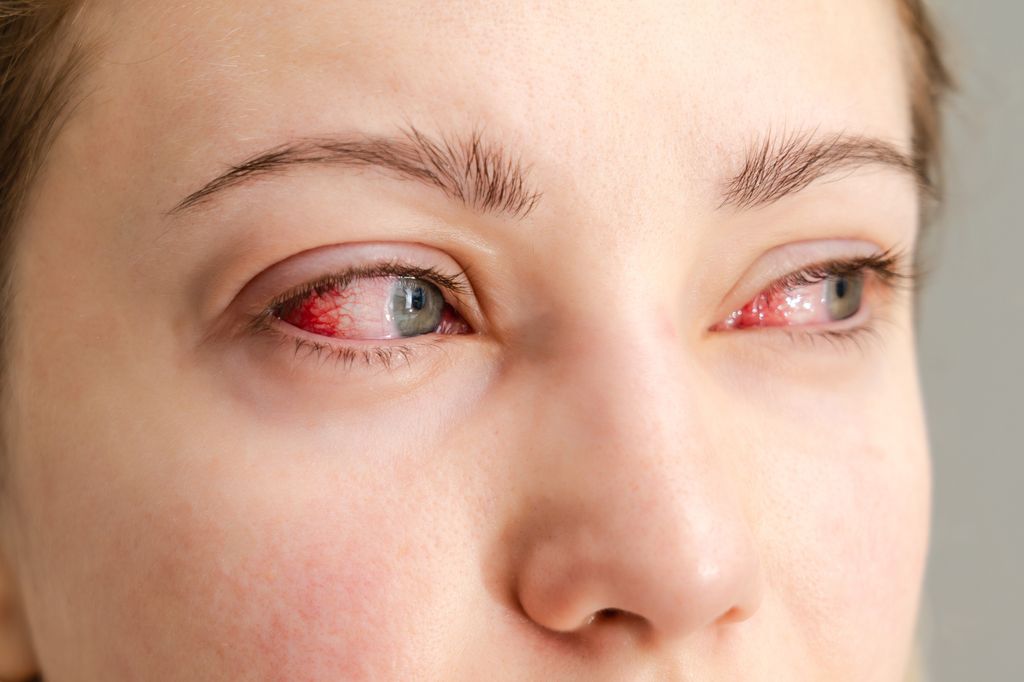
Another visible sign is eye redness, which occurs when blood vessels on the surface of the eye dilate. This can be attributed to factors ranging from conjunctivitis and eye strain to acute glaucoma.
In cases where eyes appear prominent or 'bulging', the patient may be suffering from a thyroid issue such as Graves' disease. Finally, changes in pupil size can indicate neurological problems or even poisoning.
 © Shutterstock / Tolmachov Vision
How often should you visit the ophthalmologist?
The recommended frequency of visits to an ophthalmologist depends on a person's age and clinical history.
"To maintain good visual health, regular ophthalmological check-ups are essential," says Dr Mendoza. "Many conditions are difficult to spot and even harder to diagnose, but if caught in their initial stages, they can be treated and often cured. According to the WHO, 80% of blindness cases are preventable with treatment when detected early. The best way to prevent eye problems is to attend annual check-ups."
For adults up to the age of 50, it is advisable to visit an ophthalmologist every two years, especially if you wear glasses or notice any decrease in visual acuity.
"It has also been proven that people with high blood pressure and diabetes often start developing visual problems between the ages of 40 and 60. So it's important to schedule an ophthalmological check-up during these years," he advises.
The doctor emphasises that only an eye exam can reveal high intraocular pressure, because it's a condition that presents no initial symptoms. Seeing a specialist is vital to diagnose and treat pressure issues before they lead to serious conditions like glaucoma.
You should also book a check-up if you have multiple visual symptoms that could indicate a systemic disease, or following a recent diagnosis of one, to assess any potential eye damage.
 © Shutterstock / PeopleImages
How eye exams detect 'silent' diseases
In most routine eye exams, the main focus is on identifying vision-related problems. However, ophthalmologists may carry out additional tests when systemic diseases are suspected or when the initial exam suggests anomalies that require investigation. These tests are key to identifying health conditions that might otherwise be overlooked.
Generally simple, quick and non-invasive, these tests are highly accessible diagnostic tools. One of the most important is the fundus examination (examining the back of the eye), where the retina and optic nerve are assessed.
This test allows doctors to observe signs of diseases affecting other parts of the body, particularly the blood vessels, and can be essential in the early detection of hypertension, diabetes and neurological disorders.
Including this eye exam in routine check-ups is particularly recommended for people over 40 and for patients with risk factors such as high blood pressure, diabetes or a family history of ocular disease.
 © Getty Images
Essential habits for maintaining eye health
Specialists summarised the following advice to help prevent potential eye problems and protect long-term vision:
- Follow a nutrient-rich diet: A diet rich in vitamins A and C is essential for optimal ocular function. Asparagus, dairy products, fruit and carrots are just some of the foods that should be included in a diet designed to support eye health.
- Protect against sun and pollution: Exposure to UV rays can damage your eyes, so it is vital to protect them all year round, not just during the peak summer months. When choosing sunglasses, ensure the lenses have the correct solar filter and colour, are free from damage, and are purchased from certified opticians or retailers that meet safety standards. Pollution can also cause irritation, burning, redness and watering - so, along with wearing sunglasses, try to keep your eyes hydrated and ensure air conditioning filters are clean to reduce particulate matter indoors.
- Manage seasonal allergies: During spring, pollen allergies can cause redness, itching, stinging or light sensitivity, so avoid contact with triggering allergens as much as possible, limit outdoor activities on high-pollen days and strictly avoid rubbing your eyes.
- Stay hydrated: Central heating, air conditioning, prolonged reading and the extensive use of digital screens can dry out the eyes, leading to redness, watering or even infections. Counteract this by keeping the eyes moist with lubricating eye drops and, where necessary, using humidifiers in the home or office.
- Practise strict eye hygiene: Keeping your eyes free of irritants is key to preventing infections. Pay special attention to make-up: avoid getting products inside the eye and ensure you remove every trace of make-up before sleeping to prevent blocked pores and bacterial build-up.
About the experts:
- Dr José Luis Mendoza is an ophthalmologist at Spain's Baviera Vigo Clinic.
- Dr Lucía González Buendía is a specialist in the diagnosis and treatment of retinal and macular conditions at Spain's Miranza Eye Clinics.
- Dr José García-Arumí is an eye surgeon and expert in ocular oncology at Miranza Eye Clinics.