If there's one thing experts in a field like foot reflexology agree on, it's that it's far more than just a simple foot rub. That's the view of Tamara Fernández, trained medical doctor and CEO of Madrid's School of Reflexology, who tells us all about the fascinating principles of the practice.
For those who aren't yet familiar, the concept is as straightforward as the expert explains. "Reflexology is a therapeutic technique based on the stimulation of reflex points located on the feet that are connected, via the nervous system, with different organs and structures of the body," she explains.
"By pressing these pinpointed areas, we generate a response in the body to promote its balance and self-regulation."
Scientific studies focused on areas such as pain management, stress, anxiety and symptoms related to digestive or hormonal disorders, point to the clear benefits of reflexology, particularly when it's used as a complementary therapy. "It's not magic," says Fernandez. "It's physiology."
You may also like
The science of the 'sole': How your feet map to your internal organs
If you're curious about how - and why - reflexology helps with a host of health issues, Fernández has the answers in our Q&A.
Reflexology is a science-backed technique that can help with everything from gum health to hormonal symptoms
How exactly do the different points on the foot relate to other parts of the body?
"Essentially, every part of the foot corresponds to a specific area of the body. To give you an idea: the toes represent the head and senses, the arch relates to the chest and abdomen and the heel maps to the lower digestive system. If you look at the inner edge of the foot, that's where you’ll find the entire spinal column. It's effectively a miniature map of the whole body, right there on your soles."
For people who haven't tried it, what is a foot reflexology session like?
"Usually you'll lie on a couch, barefoot, in a tranquil setting. The therapist will first examine your feet and then apply a massage that follows a specific protocol, addressing the reflex points and adapting the intensity to each particular case and issue. Most of my clients describe the experience as deeply relaxing, even when I've had to work on sensitive areas. It doesn't hurt at all!"
How long does it usually take to notice a positive effect after a foot reflexology session?
"It depends on each person and the reason why they need the therapy. Some people notice immediate relief, especially when it comes to stress or gut problems, while others don't feel the changes until after several sessions. In those cases, it's likely they are dealing with deeper or chronic issues."
What are the main benefits of foot reflexology?
"It’s brilliant for promoting deep relaxation and helping you get a decent night's sleep. Beyond that, it's great for shifting physical and emotional tension, while helping to balance your nervous system and hormones.
'Reflexology works directly on the nervous system, helping dampen the body's stress response... Not only does this help you get a better night's sleep, but it might even shift your entire outlook on life'
"Many people find it really aids digestion and gives the immune system a bit of a boost, too. Ultimately, we want to bring the body back into a state of equilibrium and support your overall wellbeing. It really is a simple yet remarkably powerful therapy."
Debunking the 'woo-woo': The truth about common reflexology myths
While it's much more than a foot massage, reflexology is relaxing and 'doesn't hurt at all'
Can reflexology help treat anxiety and depression?
"It can be a wonderful tool for managing anxiety, and many people find they notice a real difference in quite a short space of time. When it comes to depression, reflexology is a fantastic complementary therapy, but it should never be used as a replacement for professional medical advice or treatment."
So this technique can complement conventional medical treatments?
"Absolutely. Reflexology doesn't interfere with any medical treatments you might be receiving. In fact, many healthcare professionals now integrate it as a supportive therapy for patients undergoing oncology care, or recovering from digestive, hormonal or functional issues. The key is the approach: we don't want to replace conventional medicine, just work alongside it to support your recovery."
In the case of depression, reflexology should only be used in conjunction with a psychiatrist's or psychologist's advice or treatment plan
What do you think are the most common myths surrounding reflexology?
"Foot reflexology is burdened with quite a few misconceptions, largely due to a lack of clear information. Here are the five most common myths I’d like to put to bed once and for all:
'It’s just a fancy foot massage.' It actually isn't a massage at all. It’s a therapy based on stimulating specific reflex points that have a direct impact on the nervous system. The effects reach deep into the body’s organs and functions - it goes far beyond just 'feeling relaxed' for an hour.
'You just press a few points and you're done.' If only it were that simple! A professional session requires a deep understanding of which areas to target and the right pressure to use. We don't use guesswork; we follow clinically-informed protocols tailored to each individual.
'It’s "woo-woo" or esoteric.' This is perhaps the most damaging myth. Reflexology has nothing to do with magic or 'energy rituals.' It’s rooted in neurophysiological mechanisms - there is a clear physiological reason why pressing certain points on the foot triggers a reflex response elsewhere in the body.
'Anyone can be an expert after a weekend course.' Absolutely not. To practice safely and effectively, you need extensive training, supervised practice and a solid grasp of anatomy. We need to treat reflexology as a serious profession. That's why we focus on training therapists who work with clinical discernment, ethics and a sense of responsibility.
'No pain, no gain.' This is a total misconception. Pain isn't a badge of effectiveness. The pressure must be tailored to each person; a session can be both deeply pleasant and highly effective. Knowing how to balance pressure without losing the therapeutic benefit is where the art meets the science."
"There's no need for mysticism here. Reflexology involves scientific rigour, evidence-based practice and properly qualified professionals"
Can you share a case where foot reflexology actually made a difference in a patient's life?
"Yes, absolutely - and it's one I’ll never forget. One of my clients had been living with fibromyalgia for years. For her, even a short walk was a massive ordeal; she had to stop and rest every few yards, and once she got home, she'd be wiped out in bed for two days with muscle pain. She was stuck in a cycle of frustration, anxiety and quiet resignation.
"We started regular reflexology sessions and, bit by bit, that constant muscle discomfort almost entirely cleared up. These days, she can walk as far as she likes without stopping and has truly got her life back. She's moving without pain and, most importantly, she's found her spark again. She told me she finally feels 'alive' for the first time in years.
"With the help of reflexology, not only did her flare-ups become much less frequent, but she also started sleeping better and managing stress in a completely different way. It was a total holistic shift in her wellbeing."
"Avoid reflexology therapy if you’ve recently had a thrombosis, or if you're suffering from a high fever or an acute infection. That’s why we always carry out a thorough consultation and medical history before any treatment"
Beyond Relaxation: 5 surprising health benefits you didn't know about
The expert highlights several issues that can be supported with this therapy - some of which might come as quite a surprise.
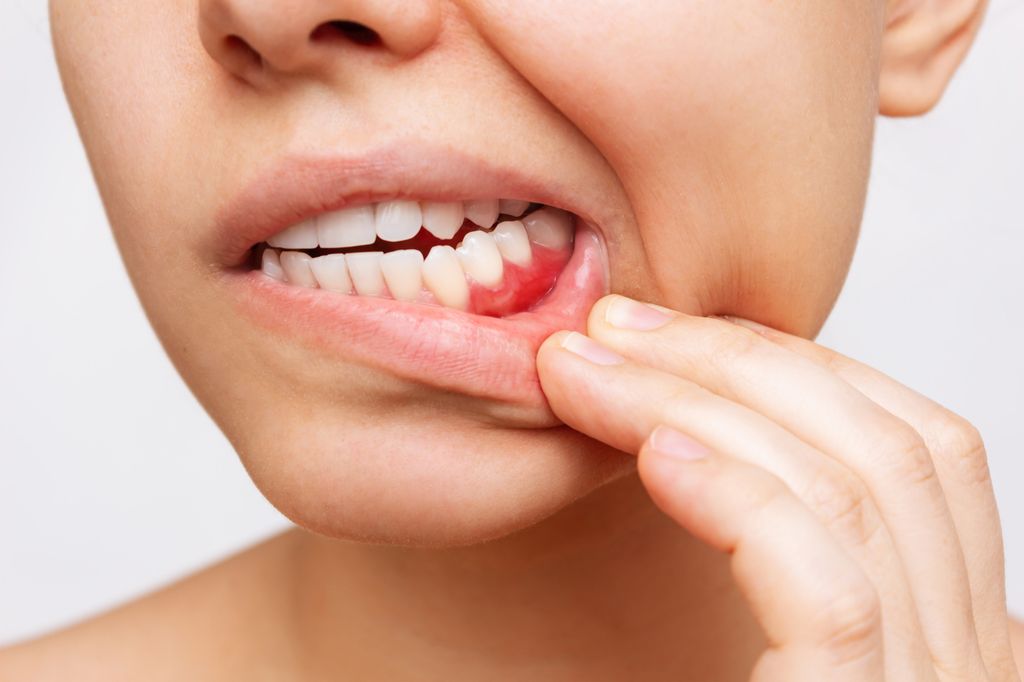
1. Promoting oral health. It may sound surprising, but reflexology can actually help support your teeth and gums. "There are specific reflex points on the feet corresponding to the mouth. Stimulating these areas can help boost local circulation and strengthen the immune response, which can aid in preventing infections," Fernández explains.
2. Balancing hormones. Research suggests that stimulating specific reflex points can promote hormonal equilibrium, benefiting those with conditions such as hypothyroidism or PCOS (Polycystic Ovary Syndrome). "By helping to stabilise the endocrine system, we can significantly improve the quality of life for those struggling with hormonal imbalances," says Fernández.
3. Boosting productivity. Excessive stress has a direct impact on our focus and concentration. Reflexology works on the autonomic nervous system to help regulate cortisol levels and encourage a state of deep relaxation. "This sense of balance helps to clear the mental fog and improves performance, allowing both mind and body to function more efficiently."
4. Supporting mental health. Reflexology targets specific zones linked to the production of neurotransmitters like serotonin and dopamine, making it a fantastic complementary therapy for those managing anxiety or depression. "Reflexology helps us address emotional wellbeing from the ground up, helping to stabilise the body and foster a sense of calm," says Fernández.
5. Improving Self-Esteem and Confidence. Our emotions are often held in our feet; reflexology can help clear 'emotional blockages' that may be denting your self-esteem. By releasing deep-seated tension, it helps to build personal confidence. The expert notes: "It's a holistic treatment that helps you manage your emotions, leaving you better equipped to handle life's challenges."
The therapy also may aid in boosting productivity and self-esteem
And what does Fernández think the future of foot reflexology holds? "I believe it will become an increasingly vital part of the healthcare landscape, especially when it comes to preventative care and general wellbeing," she says.
"People are searching for natural, safe, and effective options; reflexology, when backed by rigorous training and applied correctly, has so much to offer. The future lies in a more clinical, evidence-based approach that earns the recognition it deserves within the wider medical world."
About the expert:
Tamara Fernández is the CEO of the School of Reflexology and also trained in General Medicine and Surgery at Spain's University of Alcalá. Combining her clinical background in anatomy and physiology with her expertise as a Master Therapist, she focuses on professionalising reflexology through evidence-based training and a holistic approach to patient recovery.
A psychologist reveals why choosing your own company over a busy social calendar is often a key indicator of high emotional intelligence and self-regulation

 © Universal Images Group via Getty
 © Getty Images
 © Getty Images
 © Getty


