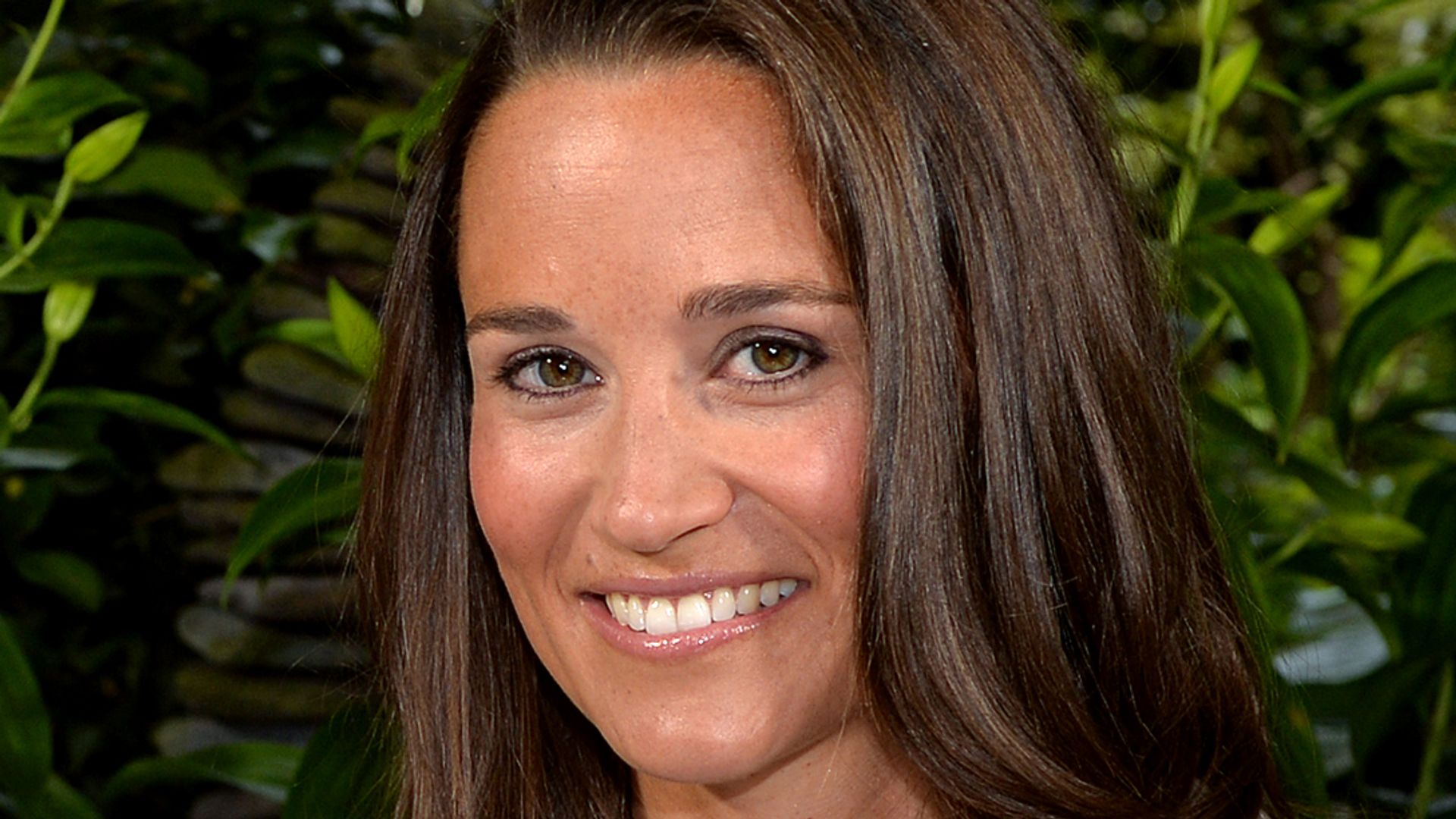

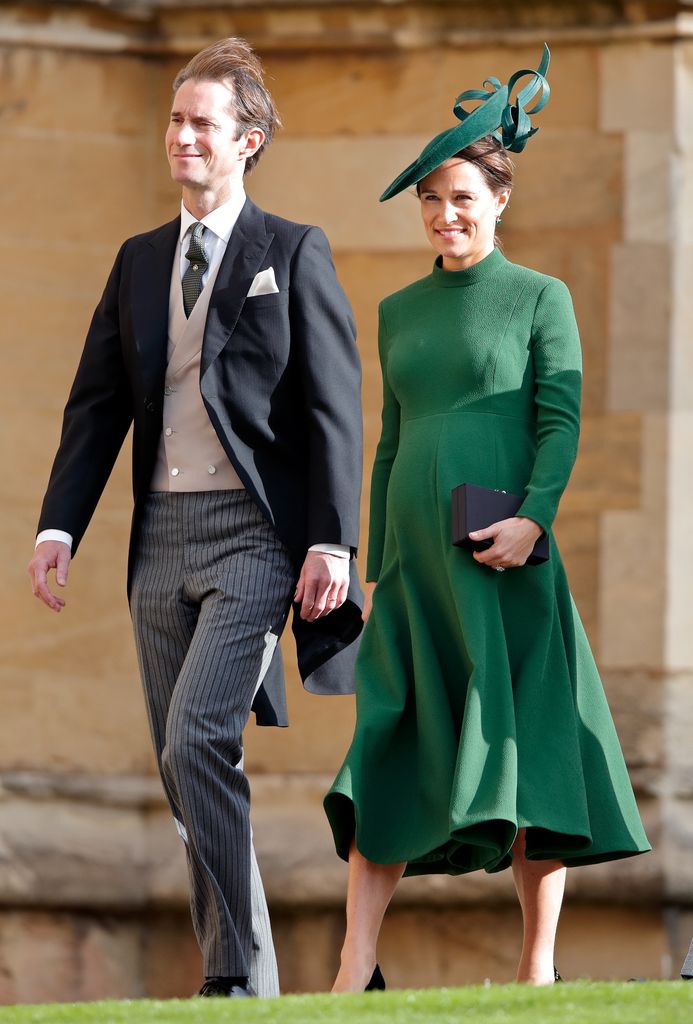
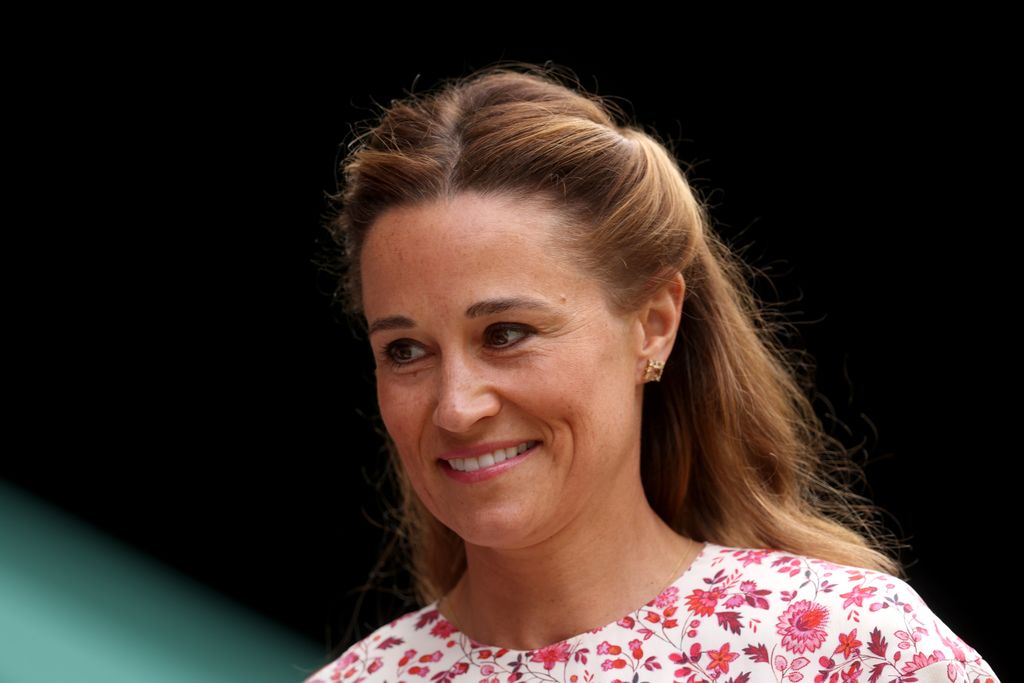
The festive season is upon us, and Pippa Middleton is getting in the spirit. The Princess of Wales' younger sister, 42, owns Bucklebury Farm in Berkshire with her husband, hedge fund manager James Matthews, and on 9 December, the site's official Instagram page hinted at the magical Christmas tradition their children, Arthur, seven, Grace, four, and Rose, three, would love.
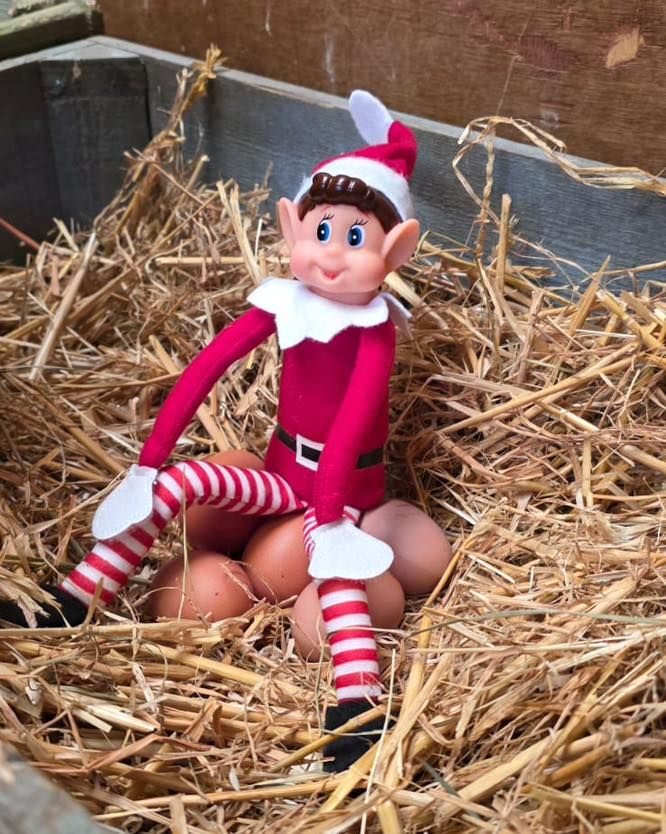
Since 1 December 2025, a photo has been posted every day showing their Elf on the Shelf, Buddy. The toy elf has been moved to a different part of the farm each day and has featured on Instagram alongside a light-hearted caption. On 10 December, the elf sat in a bale of hay on a pile of eggs. "Buddy's on farm duty today, he's tucked himself into the hen house and is very proudly keeping the eggs warm for the chickens," the caption read. "Such a helpful little elf!"
 © Getty
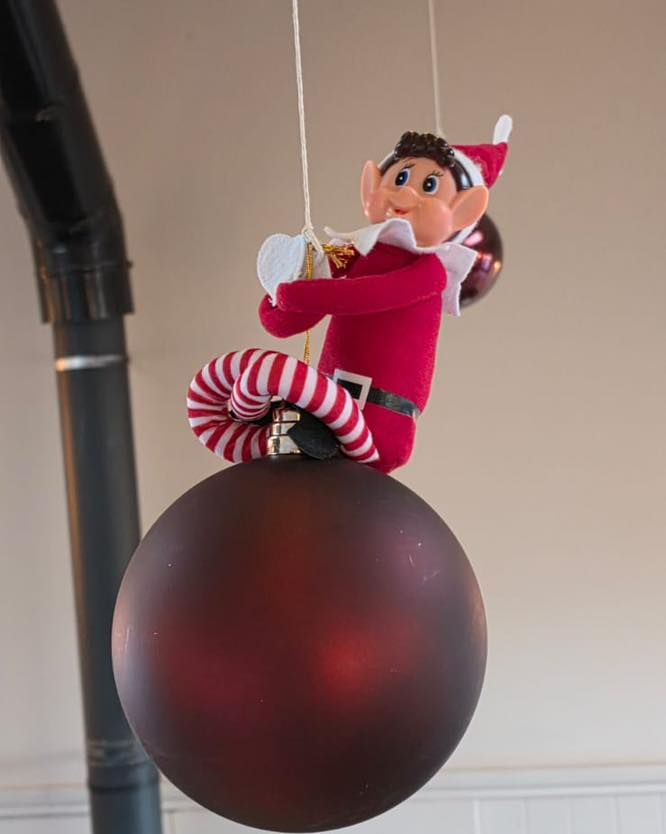
On previous days, the elf has appeared alongside a cup of hot chocolate, swinging on a bauble, and posed with a gingerbread man and icing kit. The posts hinted at the Christmas tradition that Pippa and James may well have started with their three children at their £15 million Berkshire mansion.
What is Elf on the Shelf?
The Elf on the Shelf tradition started all the way back in 2007 when Carol Aebersold and her daughter Chanda Bell self-published a book with the same title and an accompanying elf doll, based on their own family tradition.
 © Instagram
The idea is that parents tell their children that the elf watches over the household and reports to Santa back in the North Pole. Each night, the parents move the elf so that when their children wake up each morning, it is hidden in a new spot in the house waiting to be discovered.
The elf encourages good behaviour in the lead-up to Christmas and brings a touch of festive magic into the home. The only rule where this tradition is concerned is that the children are not allowed to touch the elf, as, according to Aebersold's book, it will lose its magic. On Christmas Eve, the elf 'flies back to the North Pole' and the tradition starts all over again the following December.
Why is Elf on the Shelf beneficial for children?
Dr Sasha Hall, a HCPC-registered senior education and child psychologist, says that Elf on the Shelf isn't just a cute tradition; it also has developmental benefits. "Elf on the Shelf can be a lovely tradition for many families, particularly when it is introduced in a way that matches a child's developmental stage," Dr Sasha tells HELLO!.
"Toddlers tend to interpret situations very literally, so the idea of a character watching them can sometimes feel confusing or frightening. As children move into the preschool years, they usually become more confident in symbolic play. At this age, many children can hold two truths at once. They recognise that the scenario is make-believe while still enjoying the sense of magic, which allows them to engage with the tradition in a playful and positive way."
How Elf on the Shelf encourages children's imaginations
She continues: "For children who are ready for it, the activity can support a range of developmental skills. Talking about what the elf has been doing encourages imaginative thinking, conversation and early storytelling.
 © Instagram
"Children often want to share the elf's adventures with grandparents, friends or peers, which can build social communication skills." Dr Sasha also explains that the daily reveal can strengthen anticipation, curiosity and simple problem-solving because children think ahead to what might happen next.
 © Getty Images
Why do parents enjoy the Elf on the Shelf tradition?
It is also an activity that parents can enjoy getting stuck into. "For parents, it can also bring moments of shared creativity," Dr Sasha tells HELLO!. "Planning the elf's next move often becomes a joint activity, which can support family connection. There is usually an immediate sense of delight from children, which can feel rewarding for adults and helps keep the magic of the season alive throughout the whole month, rather than focusing all excitement on a single day."