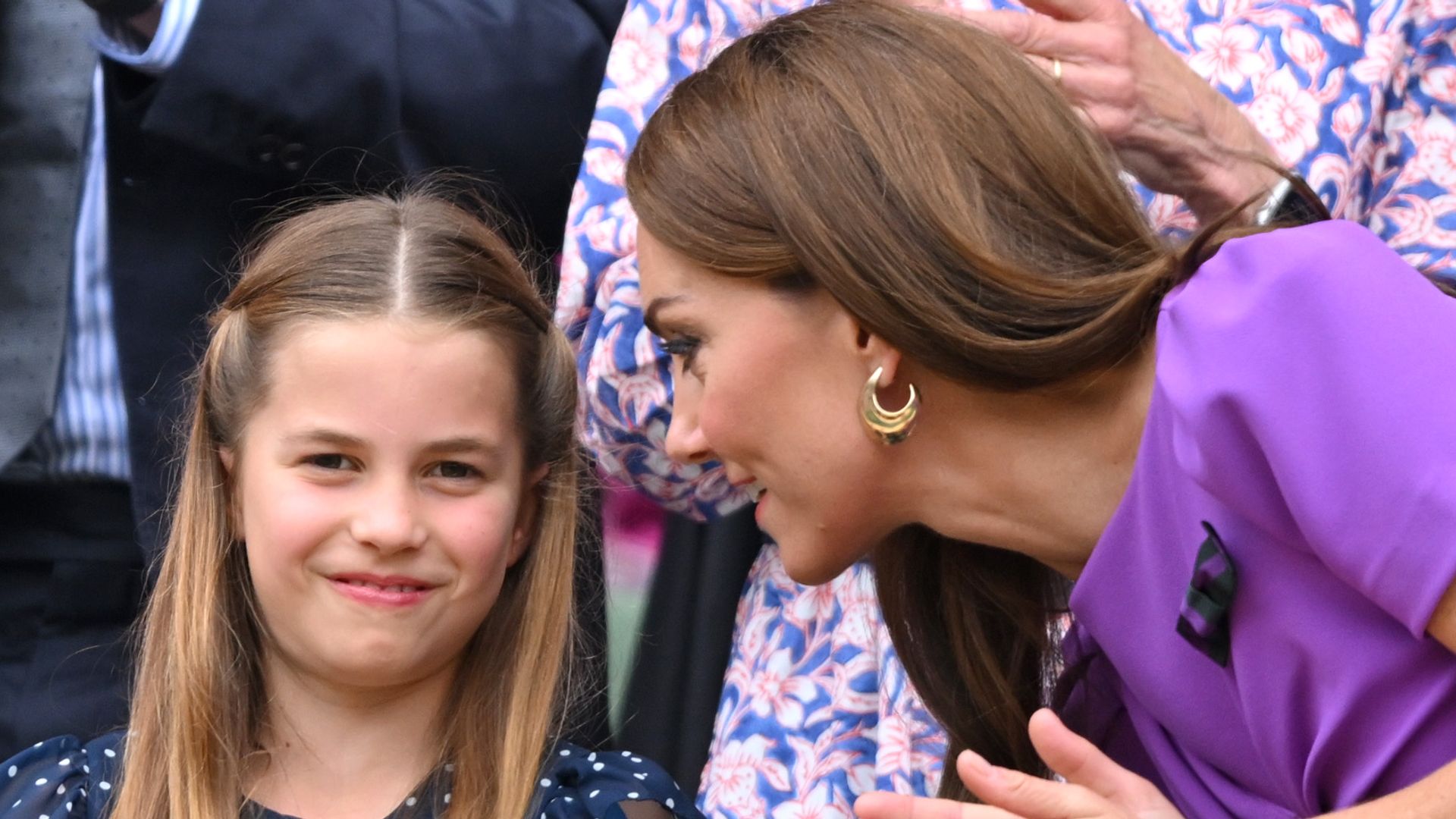

The Princess of Wales is busy raising three children and puts their close bond on full display when Prince George, Princess Charlotte and Prince Louis join her on royal outings. Princess Charlotte will turn 11 in May, and it is increasingly clear that she is becoming more independent with subtle body language in public that is easily overlooked.
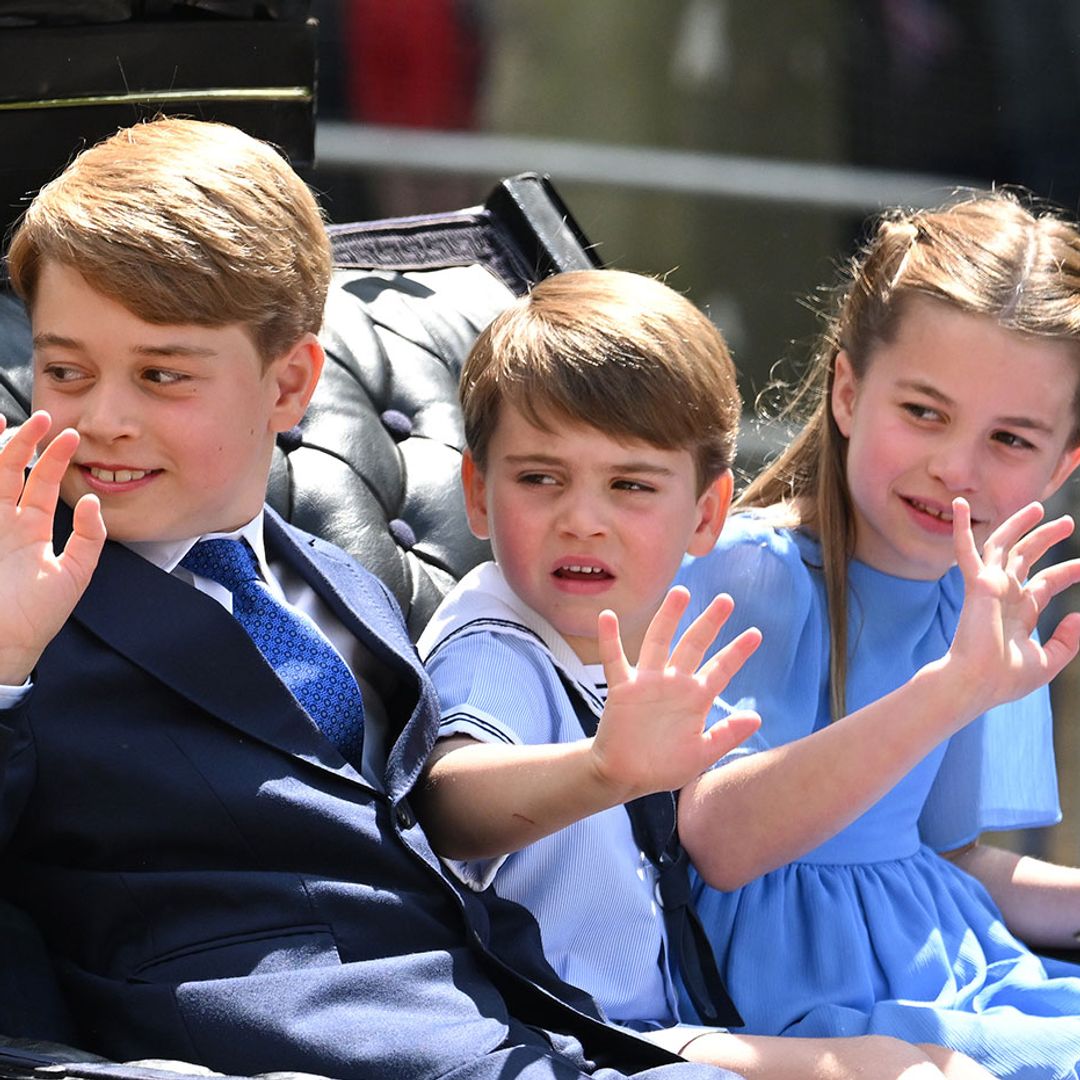
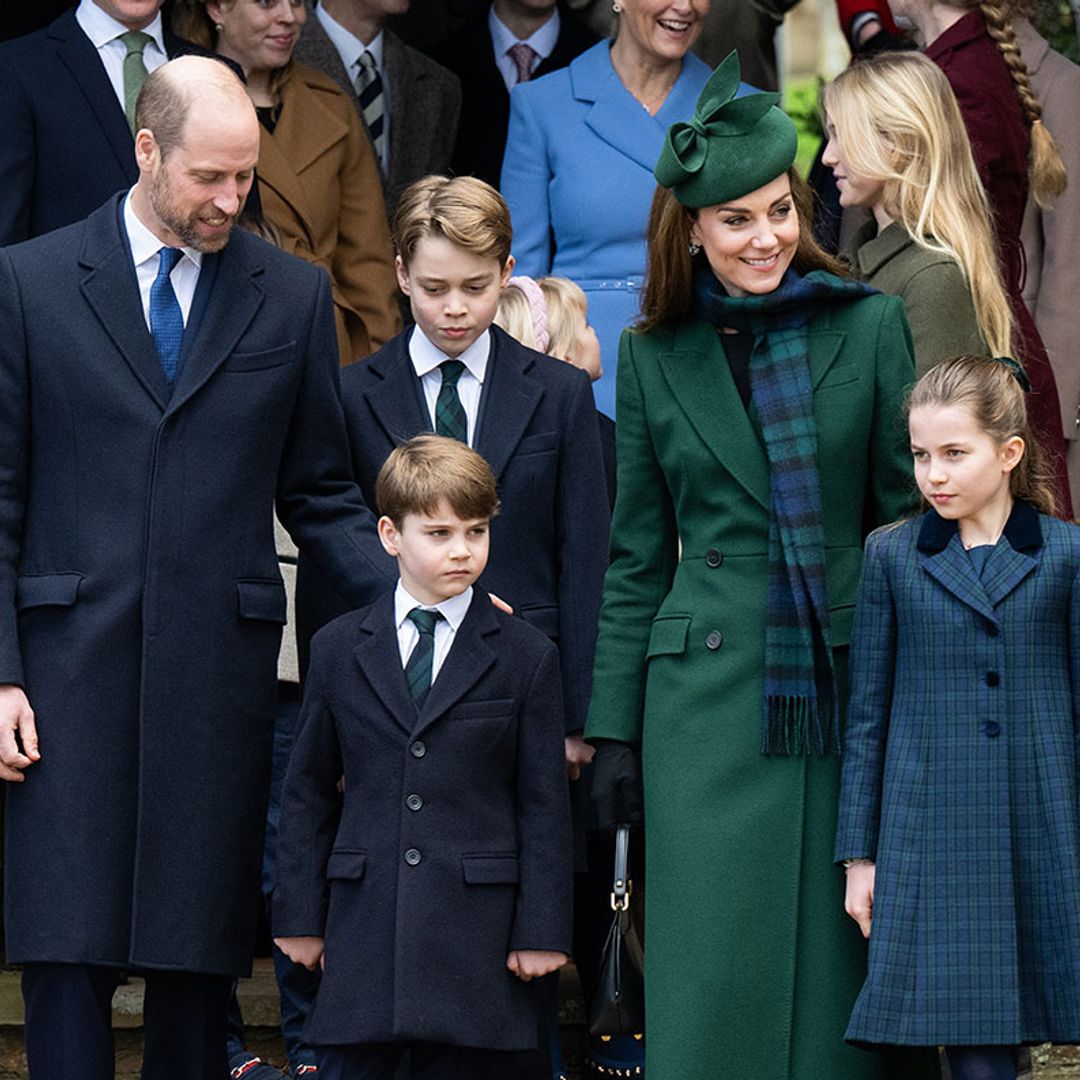
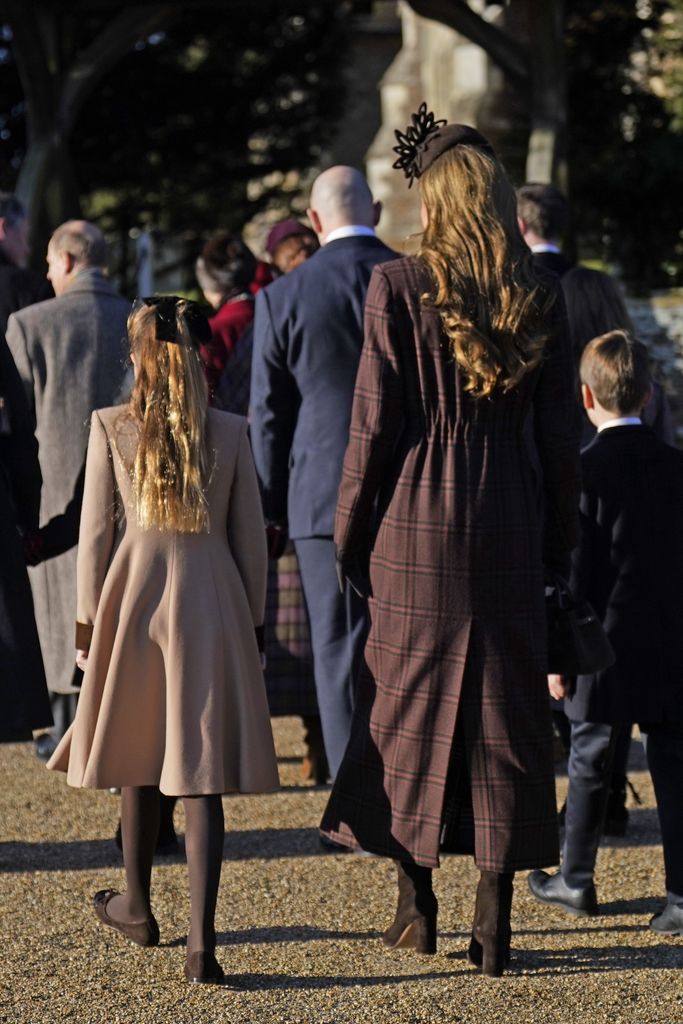
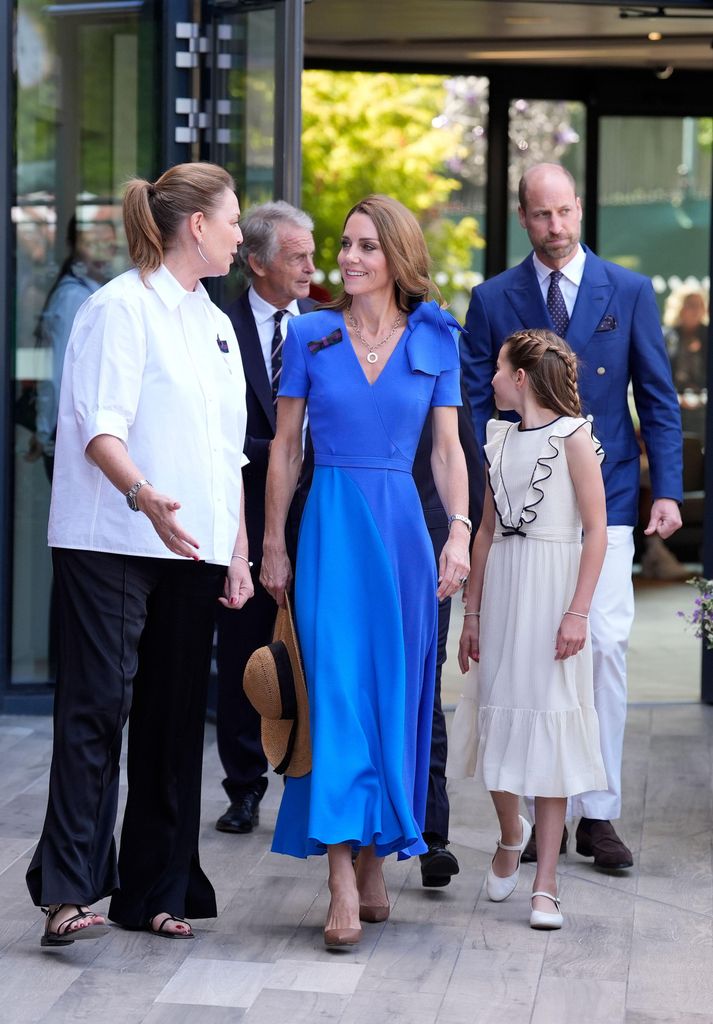
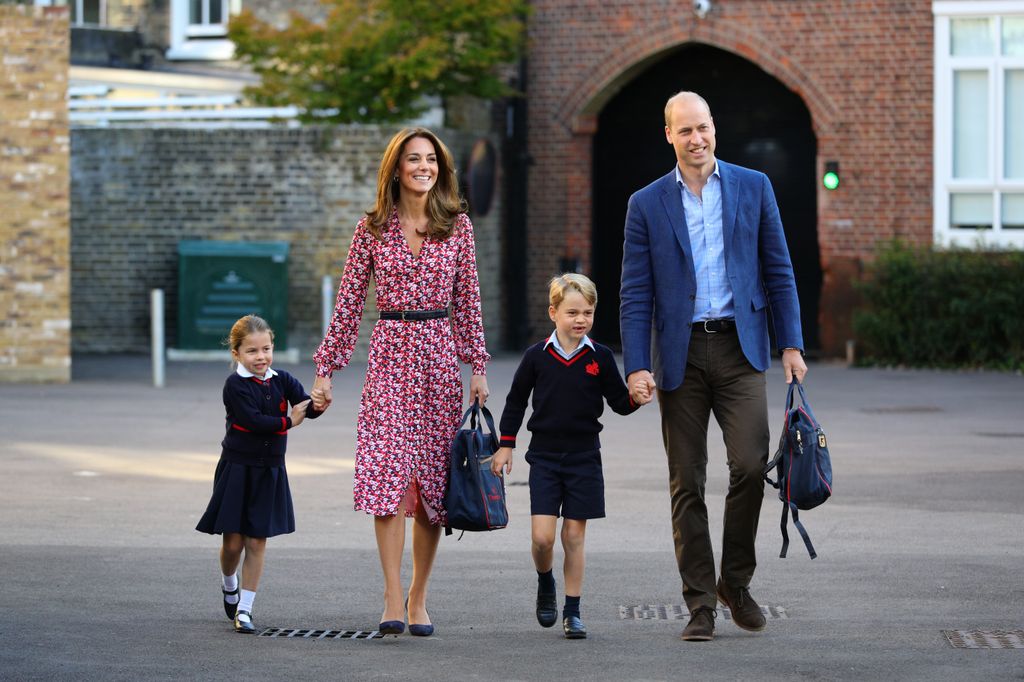
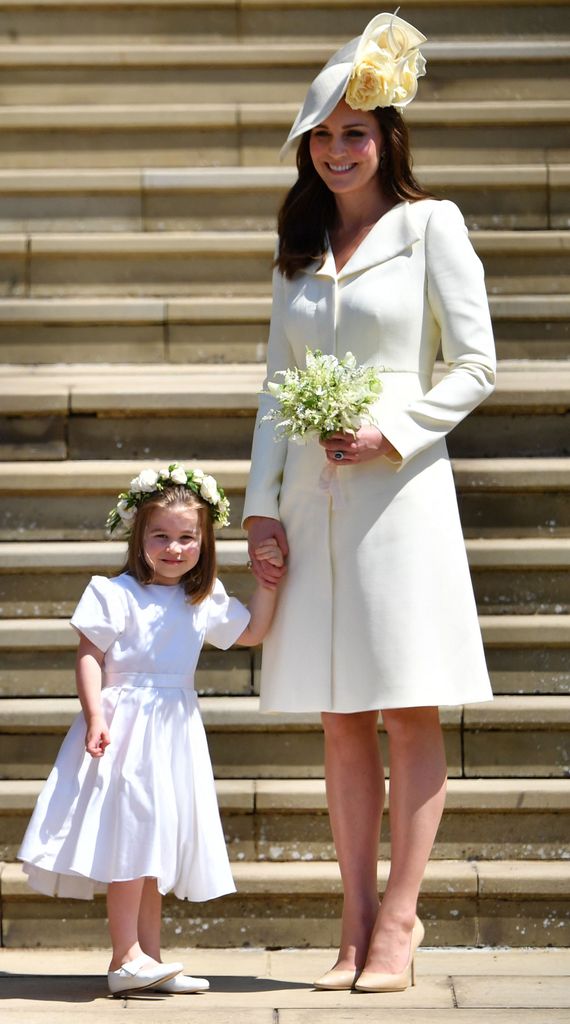
Upon arrival at an outing with her mother, Princess Charlotte would often hold her mother's hand and walk alongside her. However, the young royal is starting to drop this behaviour and has been seen recently walking confidently by herself, from her appearance at Wimbledon last summer to her attendance at the Christmas Day walkabout at Sandringham in December.
Princess Charlotte's growing confidence
 © PA Images via Getty Images
It's a subtle change in behaviour that Dr. Patricia Britto, a Harley Street-based psychologist who holds a Doctorate in Professional Educational, Child and Adolescent Psychology (DEdPsy) from the UCL Institute of Education, says is a positive sign.
"At this age, children naturally start to take small steps toward independence, not because they feel less close to a parent, but because they feel secure enough to explore," she says.
 © Getty Images
"In psychology, we talk a lot about secure attachment: the idea that a child feels safe because they trust their parent is there if they need them. When a child is comfortable walking independently in a busy, public setting, it suggests they’re regulated and confident, and can manage the environment without needing constant physical reassurance."
Charlotte's subtle body language on royal outings
 © Alamy Stock Photo
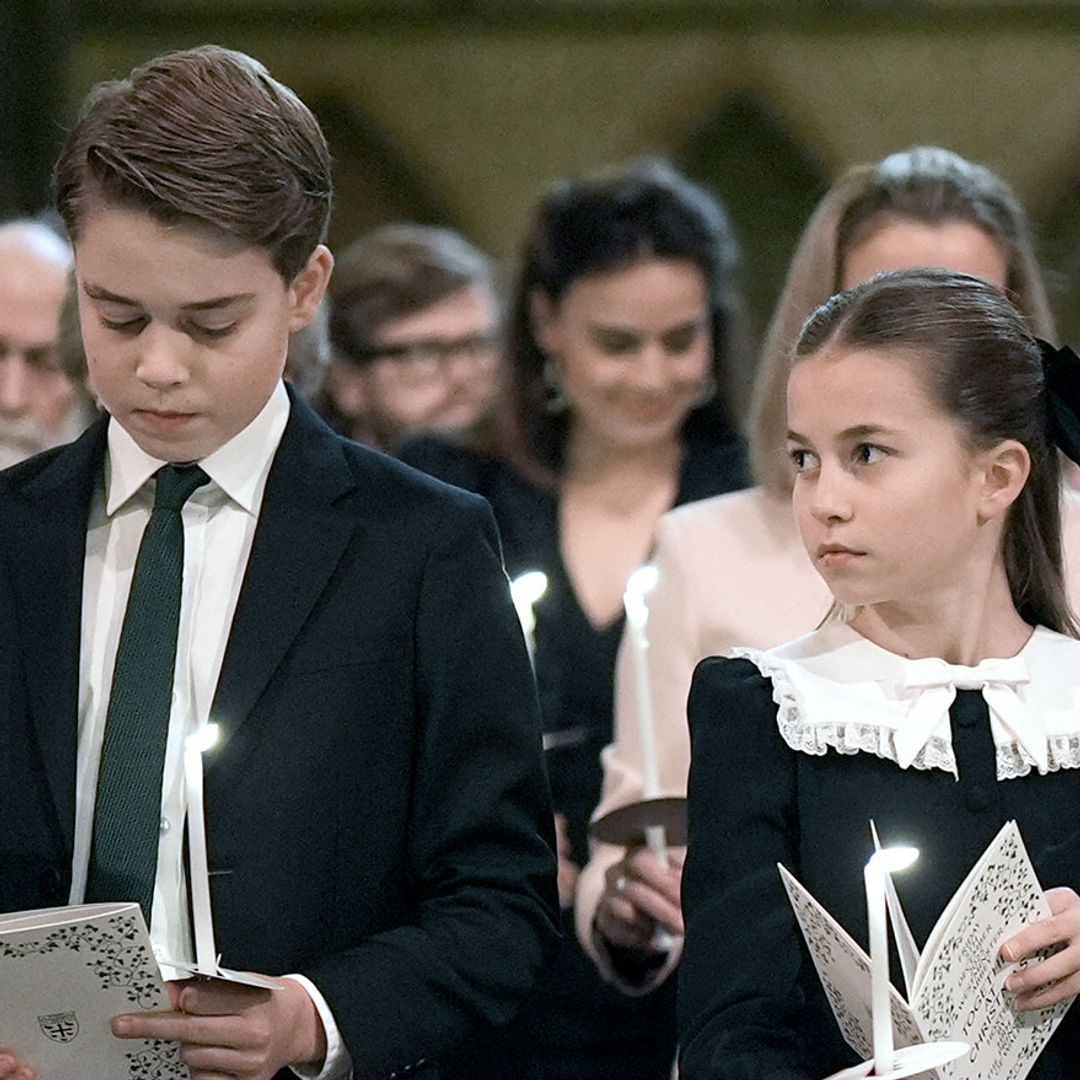
The psychologist says Charlotte's body language is even more telling of her confidence and her secure relationship with her mother when she is out in a public setting. "There's more pressure, more people, and more sensory input," Dr Patricia says of this scenario.
"Walking calmly beside a parent rather than being guided can indicate a child feels steady internally and capable of coping, while still staying emotionally connected. And when we see this kind of behaviour across different outings, it points to a consistent pattern of growing confidence rather than a one-off moment."
Princesses Kate and Charlotte display their bond
While it is clear Princess Charlotte is flourishing into a confident little girl, she isn't doing it all on her own.
 © Getty Images
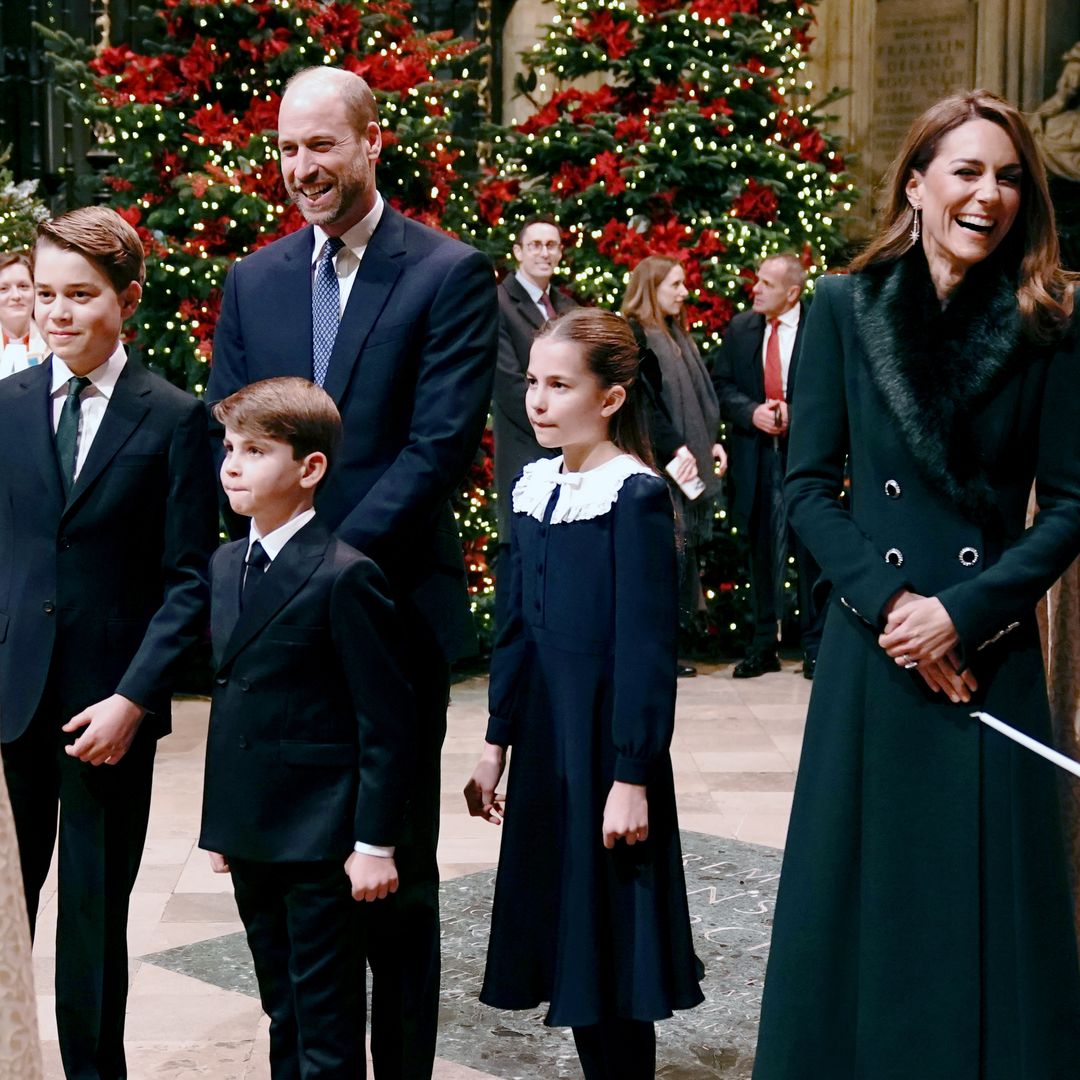
"Princess Kate's role is key here. She appears to offer what psychologists would call a 'secure base', staying close, attentive, and emotionally available, while allowing Charlotte to take the lead," the psychologist adds. "That balance of warmth and gentle autonomy-building is exactly what helps children develop self-belief and resilience. They learn, 'I can do this, and if I need support, it's right there.'
 © Getty
She concludes: "So this isn't about distance at all. In many cases, it's actually the opposite: a strong parent-child bond that gives a child the confidence to step forward, stay composed, and gradually build a stronger sense of self."