
There are lots of reasons why people suffer from skin redness. Those who have particularly sensitive skin know that it doesn't take a major trigger to notice the effects, and will likely be well-versed on what to swerve to avoid a flare-up. And since there are many causes of redness (hormonal changes, acne, rosacea, for example), it can be difficult to recommend a blanket routine that will solve every major skin problem. Everyone will have different needs, and what works for some might not work for others. We're all unique after all.
Fortunately, however, there are some daily habits that almost everyone can incorporate into their routine to ensure their skin is calm, hydrated, and free of unwanted flare-ups.
 © Getty Images
Daily habits that can help reduce redness
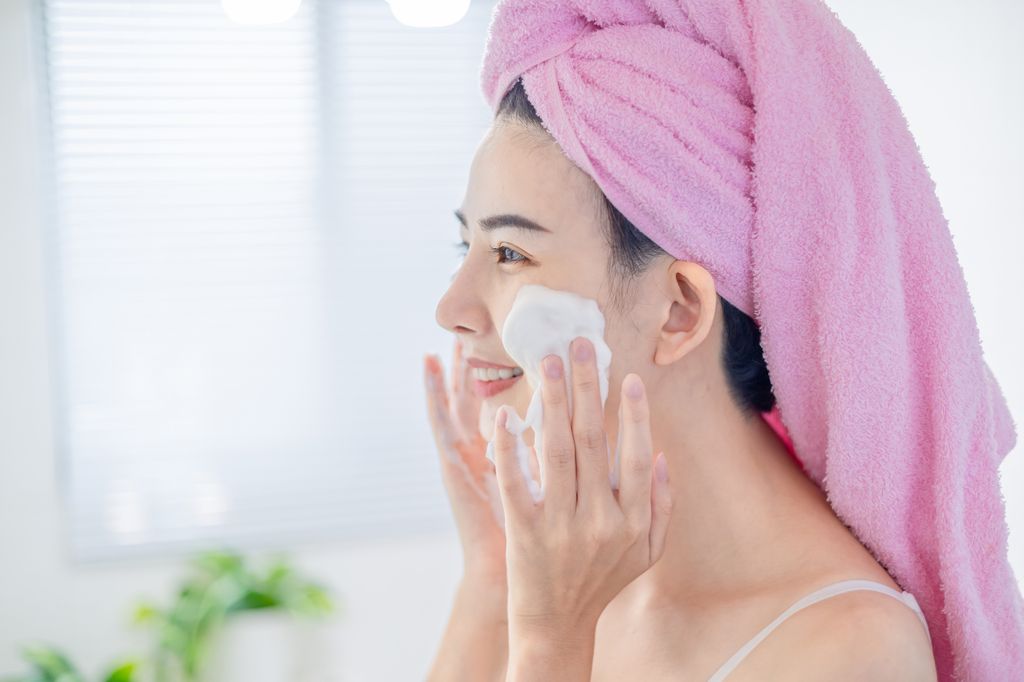
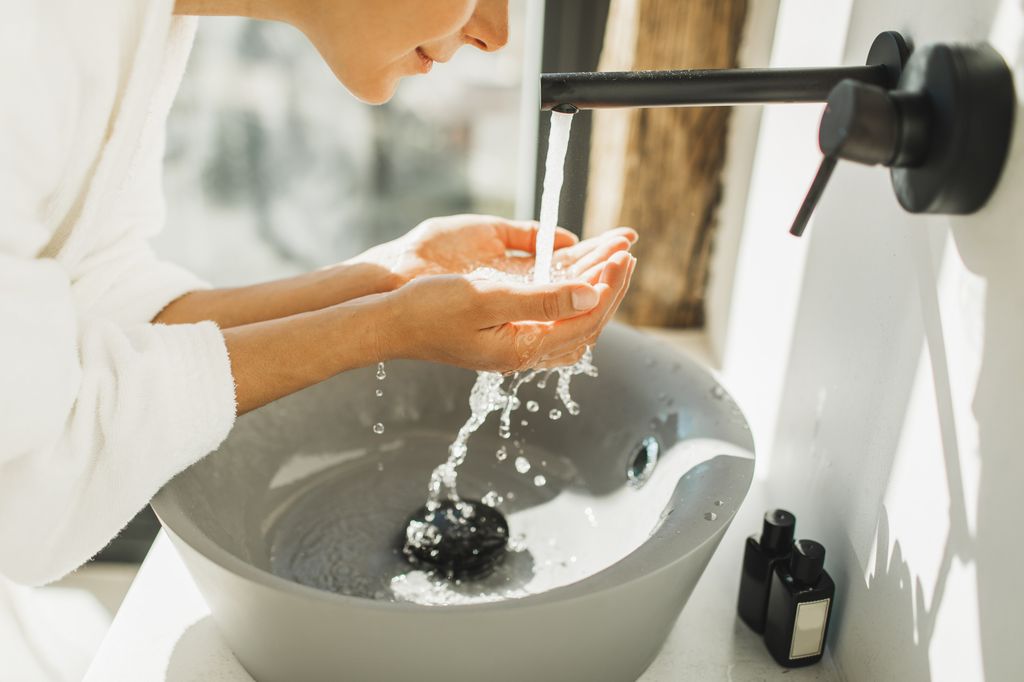
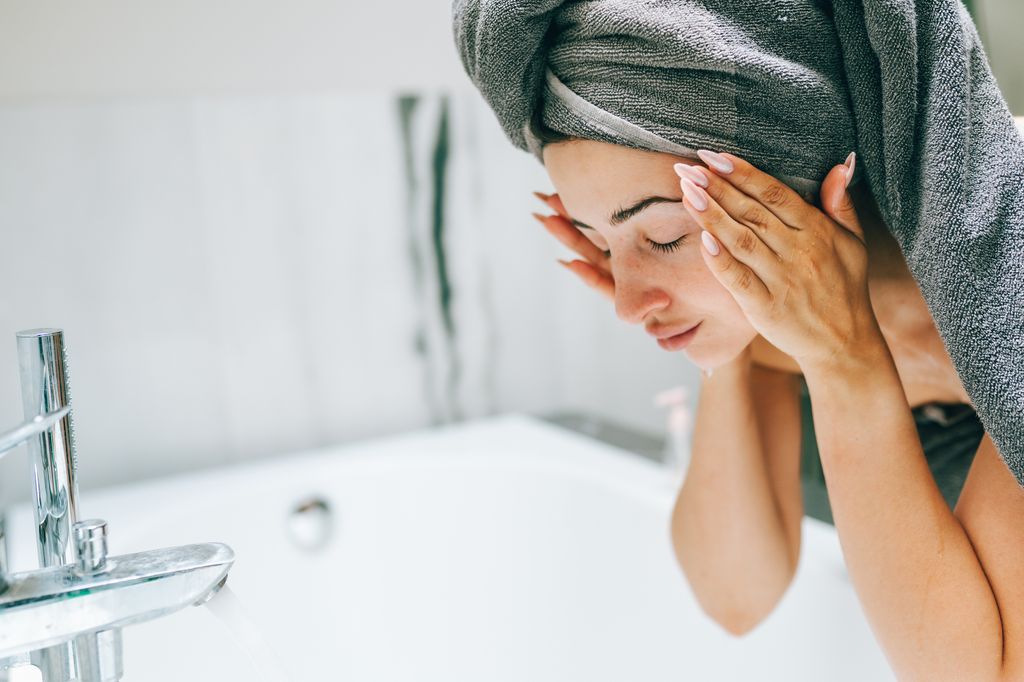
If you do suffer from redness, regardless of the cause, any dermatologist worth their salt will advise you to use products that are gentle on the skin and hydrating. Cleansing twice a day and moisturising morning and night will ensure you're on the right track to keeping your skin happy.
In a similar vein, cleansing twice a day must also incorporate removing makeup. Failing to remove makeup will encourage redness, blocked pores, and overall be a nightmare for those who suffer from acne-prone skin (me!). And, while it might sound obvious, our skin responds directly to how we treat our bodies, so getting lots of water and prioritising a good sleep routine will do wonders for our complexion.
What to avoid if you suffer from redness
It's a good idea to swerve products that are heavy on fragrances if you're prone to redness.
Meanwhile, if, like me, you suffer from rosacea (more on that later), then there are some products you should be avoiding and some you should be targeting. Dr Anjali Mahto, Consultant Dermatologist & Founder of Self London, previously spoke to HELLO!'s Contributing Head of Beauty, Cassie Steer, about rosacea, particularly for those in perimenopause.
"For moisture, look for ceramides and hyaluronic acid to support the skin's barrier. Skincare for rosacea should be simple, fragrance-free, and barrier-focused, ideally introduced one product at a time to monitor for any reactions."
 © Getty Images
My personal journey with reducing redness
A while ago, during a skincare appointment, the therapist pointed out the redness on my cheeks. "Francesca, are you aware that you're having a rosacea flare-up?" I was not. Truth be told, I had no idea I had rosacea. I had always suffered with problem skin, but rosacea is often mistaken for acne, especially type two rosacea.
After follow-up chats with a dermatologist, I began learning more about a specific type of rosacea, also known as papulopustular rosacea, that presents itself as red bumps (papules) and often pus-filled spots (pustules). For the life of me, I couldn't work out why I was getting recurrent redness in the same area and spots always in the same place – then it all clicked.
 © Getty Images
Research has yet to find a definitive cause for rosacea (although I do have a family history of it), and it's not curable, but there are ways to lessen the symptoms. I was advised to incorporate azelaic acid into my skincare routine (which is found in lots of different products on the market), and I cannot stress enough how much of a difference it has made. Azelaic acid and niacinamide won't ever leave my bathroom cabinet now.
According to Dr Debra Jaliman, dermatologist, cited by Paula's Choice skincare: "In detail, azelaic acid is a skin-friendly dicarboxylic acid with unique properties, working to decrease misbehaviour on and within the skin's uppermost layers.
 © Getty Images
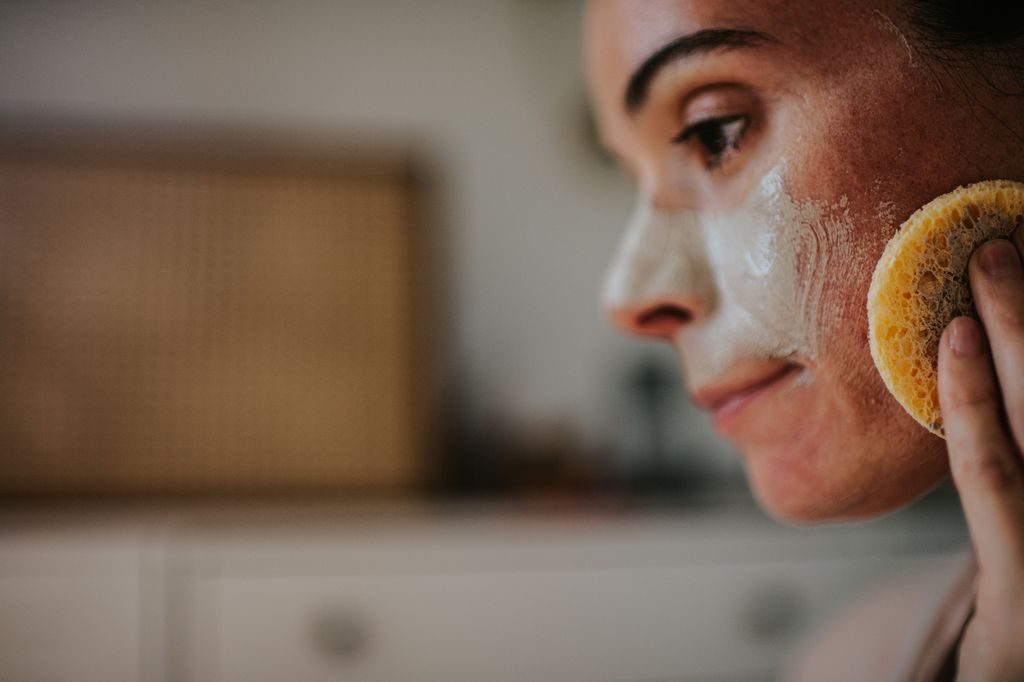
"You can use this ingredient to tackle uneven tone, as well as calm redness and smooth the skin. Depending on the percentage of azelaic acid, you can opt for either prescription or over-the-counter skincare products. This multitasker is also routinely used to help soothe and calm the redness that's often associated with irritation and sensitivity. Thankfully, it is suitable for rosacea- and eczema-prone skin."
Whether you think you have rosacea or another skincare condition, it's always best to chat to your GP and a registered dermatologist, who can recommend specific ingredients and products to help target the issue.