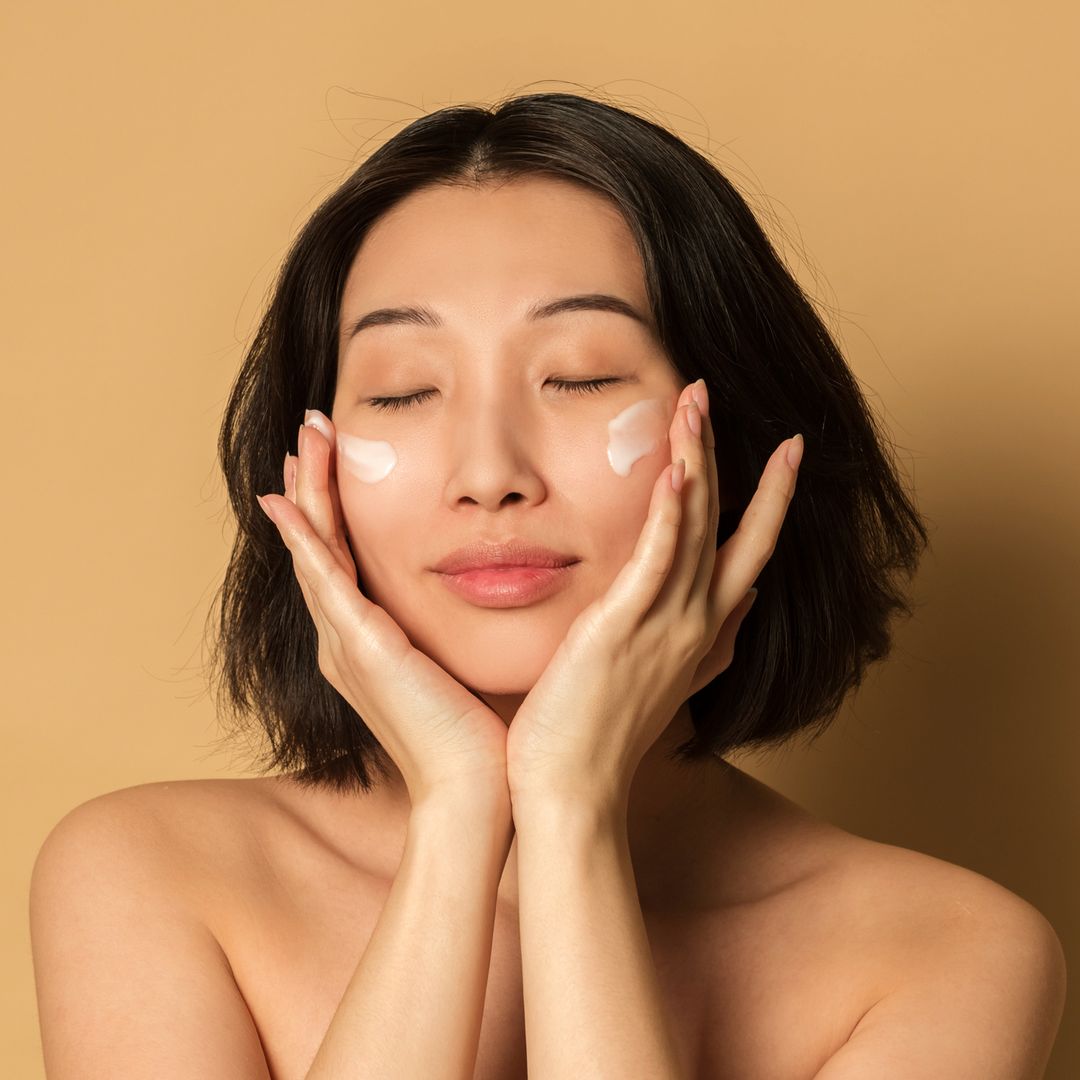

January - the month which entails rolling out of bed every morning and dragging oneself to the bathroom only to look in the mirror and think ‘eurgh.’ Britain’s vitamin D deficit equals translucent skin, purple-tinted eye bags and breakouts - not to mention the endless stream of sniffles and snivels. Kleenex must be making a killing.
Thanks to its undying love of internet-ready slang, Gen Z has officially dubbed this seasonal slump the ‘winter uglies.’ It’s pretty self-explanatory. Across social media, content creators have been documenting their experience with the ‘winter uglies’ for all to sympathise with. In an attempt to curb the unwanted feeling, many are jetting off to far-flung tropical destinations, yet this isn’t always a viable option. For those who are resigned to in-office life (armed with chapstick, hand cream and concealer to hide the burnout), hopping on a plane to LAX isn't justifiable every time we need our insecurities to defrost.
So, what to do? I’ve certainly been feeling aesthetically sub-par, desperately craving a glorious tan and the feeling of sand between my pedicured toes.
Cue the therapy session; (oh, how I love a therapy season!) in which I offloaded my wintertime woes to Dr Sarah Boss, Clinical Director of the Balance Rehab Clinic, which specialises in mental health, addiction and eating disorder recovery. Below, the expert details how to manage the 'winter uglies' and what it truly says about out state of mind.
What do the ‘winter uglies’ mean to you?
When people talk about the 'winter uglies,' they’re usually describing a mix of feeling worse internally and perceiving themselves as looking worse externally during the winter months.
 © The Princess Diaries
Clinically, what’s happening underneath is often a combination of reduced sunlight, lower vitamin D, less movement, less social interaction, and more isolation. We’re outside less, exercising less, socialising less, and many people drink more during the winter months. All of this accumulates and impacts our mental health and self-image.
We all have predispositions for different climates. Some people prefer the warm, some people prefer the cold. Some individuals are more sensitive to shifts in climate, especially the colder and darker months. But sun is one of the best anti-burnout treatments for a reason, and it’s normal to not feel as energised or upbeat during the winter months.
Why do we feel uglier in winter, and how does this affect mental health?
From a biological perspective, a lack of sunlight directly affects vitamin D, which plays a major role in mood regulation, energy levels, immune function, and even skin health. When vitamin D drops, people often feel more tired, emotionally flat, and less resilient.
Light exposure, especially morning light, is also crucial for regulating our circadian rhythm. Many people go to work when it’s still dark and return home when it’s dark again. That constant greyness can affect how we feel internally, which then shapes how we view ourselves.
There are also behavioural factors. During winter, we wear more layers and feel less connected to our bodies. We’re not in flowy, looser clothing. We don’t feel the sun on our skin. We have less natural glow due to the lack of sunlight. Our skin becomes drier due to heating and cold weather. We move less and sit more, screen time increases, and social withdrawal becomes easier. All of this accumulates. When we don’t feel good internally, it’s natural that our self-image would be affected.
It’s also very individual. Some people have a seasonal predisposition, possibly linked to biology, upbringing, or what climate they’re accustomed to. Interestingly, some research and clinical observation suggest that people born in winter or late autumn sometimes tolerate it better, perhaps because they’re more adapted to those rhythms, whereas others struggle much more.
What activities can help us beat the winter uglies?
The goal in winter isn’t to force summer energy, it’s to work with the season intentionally. There are small behavioural shifts that can make a massive difference to our mental health during the winter months. We need to get outside in the morning even if it’s grey and cold. Morning daylight, natural light, is incredibly important for mood and energy regulation.
We need to stay active. That doesn’t mean intense exercise. It can be walking, yoga, chi gong, stretching — whatever keeps you connected to your body to combat low mood and withdrawal.
 © Barbie
Winter makes isolation easier, but it’s one of the biggest drivers of low mood. Schedule social contact, and see people you love more often.
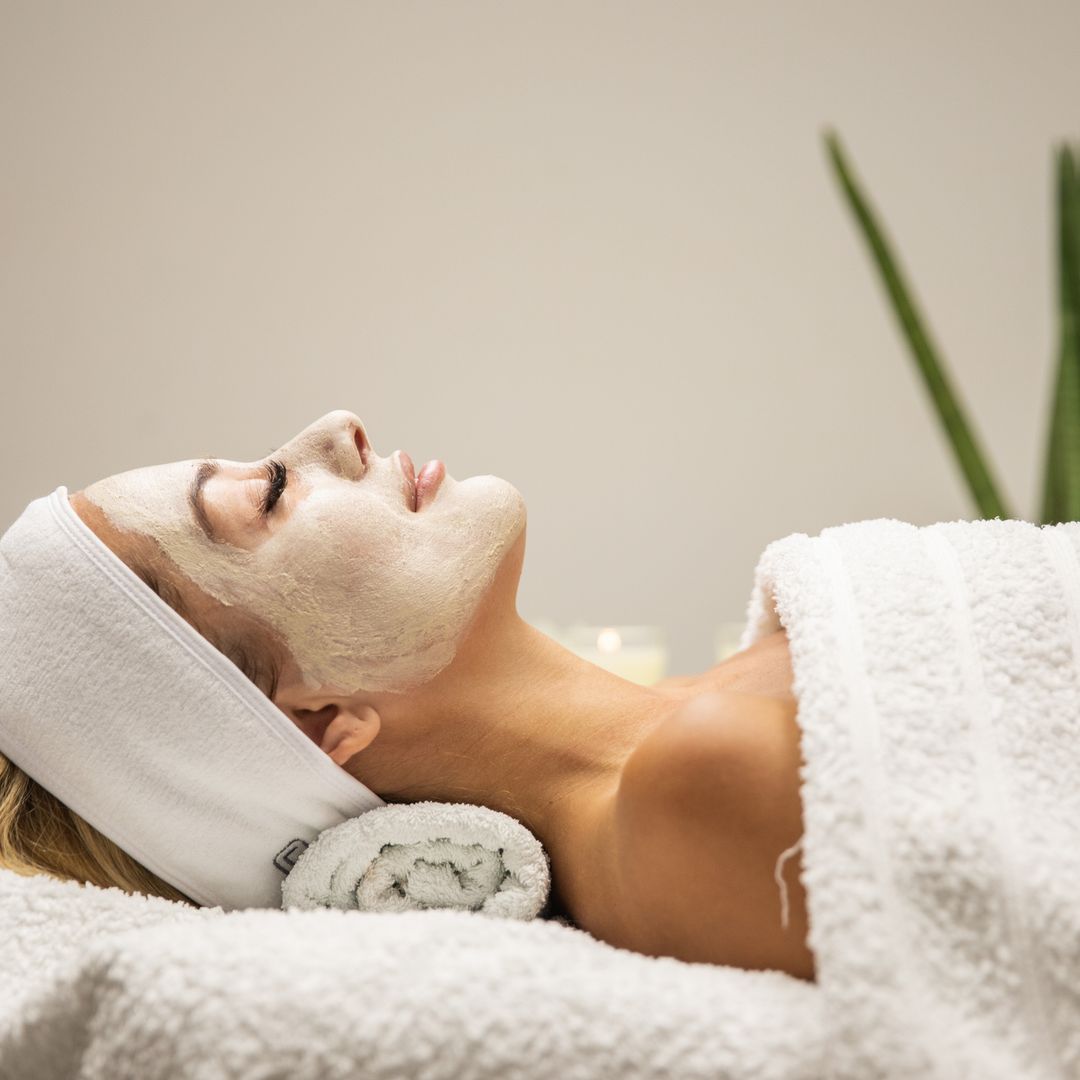
Winter may keep us inside more, but that can also mean more self-care. Do little rituals to embrace the season. Things like candles, fireplaces, baths, herbal teas, warm lighting, and comforting routines make all the difference. All of this makes the colder months more bearable and keeps the nervous system regulated. Warm movement practices, if they are available to you, can be especially helpful in winter.
What should we tell ourselves to help overcome the winter uglies?
First, nothing is 'wrong' with you, and you aren’t your thoughts. Winter is genuinely harder for many people. You are responding to environmental changes. It’s temporary, and there are ways to counteract the effects and shift perspective.
Focus on supporting your internal state. For many people, vitamin D is essential in winter, alongside vitamin C, magnesium, and sometimes probiotics to support immunity and overall wellbeing. This should always be tailored individually, but it’s often a foundational piece.