

The old saying goes: 'You're never more than six feet away from a rat.'
And while this haunting measurement, thankfully, has been debunked as an urban myth, if you're anything like me, you'll find it a deeply unsettling thought worthy of night sweats and a potential move to Antarctica.
So, naturally, finding out how to prevent your house and garden from becoming infested with these pesky rodents might be quite high on your agenda.
The plot thickens, however. Rats are – apparently – getting "bigger" and "bolder". Oh, good.
Derek Hales from the SMSTS Course, who has decades of experience working on-site (where pest risks are higher), has outlined key indicators of how to prevent "cat-sized" rodents from bothering houses and gardens.
Derek also shares the unexpected signs they might already be lurking. Don't say we didn't warn you…
How to stop rats from getting into the home and garden
Despite these rodents boasting sizes I'd rather not think about, these nimble and nifty creatures only need a gap the size of a thumb to squeeze through brick holes, pipes or broken vents. Not only that, but they are "excellent swimmers".
So we're dealing with a bunch of contortionists with Olympic-level talent in the water. How does one compete with such robust creatures?
 © Getty Images
"If there's a break in your pipework or your toilet isn't sealed properly, they can come up the pipes. Even new-build homes can have unfinished spaces behind cupboards that rats love to nest in." Cheers, Derek, new fear unlocked.
Derek offers three preventative measures that actually work. "Firstly, use wire mesh on external openings, especially around vents and pipe outlets," he says, adding: "Check your garden because overgrown plants, compost heaps, and even bird feeders can attract rodents."
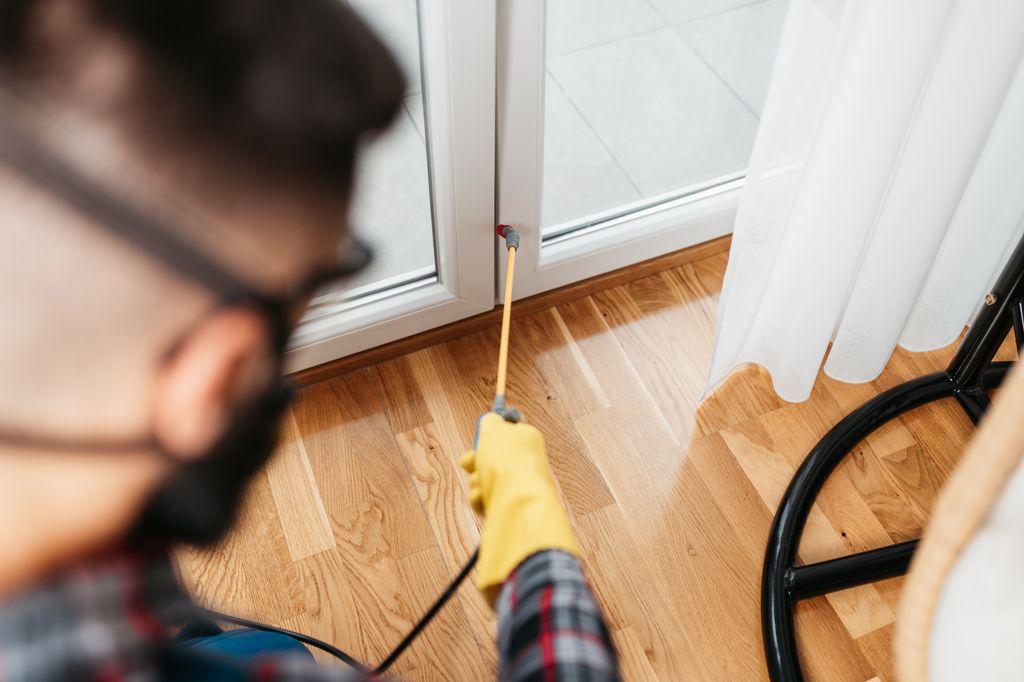
"Don't rely on poison alone. If you're seeing droppings or hearing noises, get professional advice. Laying poison might kill one, but it doesn't stop them getting in."
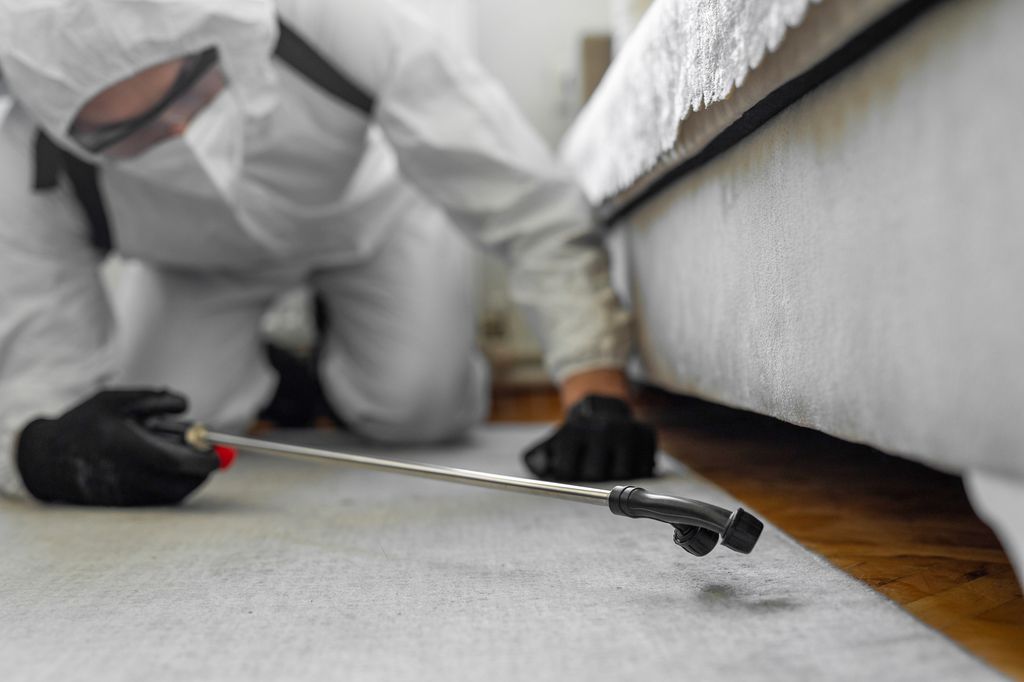
The third measure, and overall bottom line, is to seek professional advice who will tackle the issue ethically, effectively and safely.
 © Getty Images
Signs you already have rats
If these lesser-known signs are familiar, I hate to break it to you, but you might have rats. But don't panic!
Derek outlines some signs to look out for, and if you're unsure, always consult a professional.
Firstly, greasy smudge marks on skirting boards are one sign to look out for, says Derek. "Rats tend to run the same routes over and over, and their fur leaves oily trails along walls."
 © Getty Images
Chewed cables in lofts and underfloor voids are tell-tale signs as well as being a potential risk that needs corrective action immediately. "It's not only a nuisance, but also a fire risk."
Derek added: "Rats can burrow through internal walls, and their tunnelling can make walls or floors sound different when knocked," so if your home has hollow-sounding plasterboard, best to look further.
And, finally, pets can be an indicator of something afoot.
"If your dog or cat is suddenly obsessed with a spot in the wall or floor, don't ignore it. They often notice things before we do."
 © Getty Images
Why rats are getting 'bigger' and 'bolder' and what attracts them
Huge rats often make for headline-worthy stories, but Derek states that it's becoming the norm.
"We're seeing rats regularly exceeding 40cm from nose to tail. They're well-fed, well-sheltered, and becoming bolder."
There are a few reasons behind their increase in size.
 © Getty Images
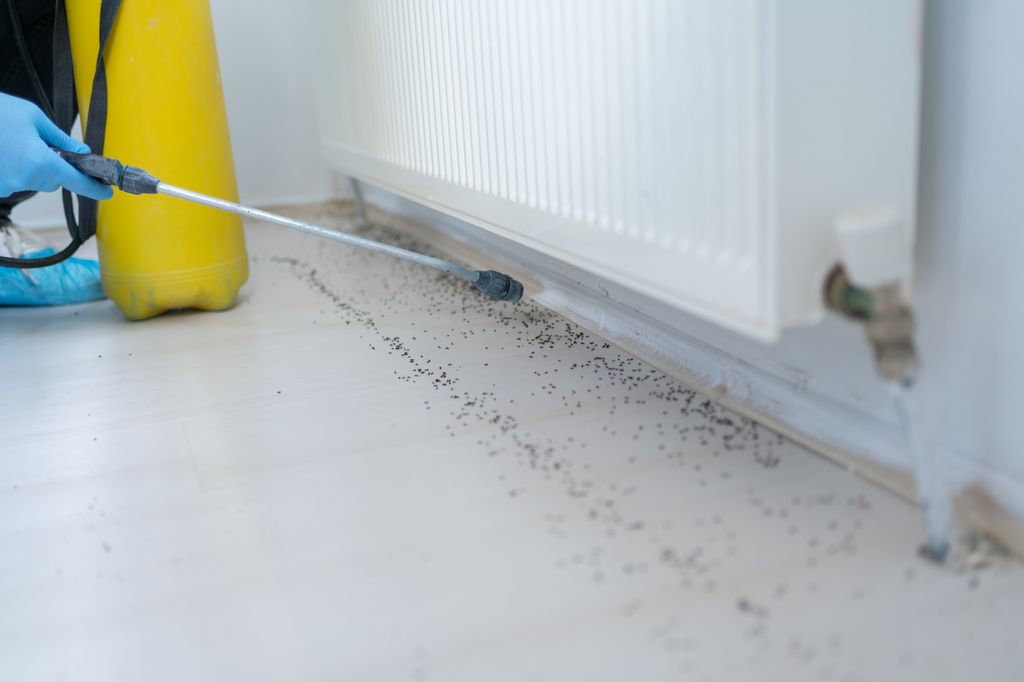
"Bins overflowing with food scraps or poorly stored takeaways give rats an endless buffet. The more food available, the bigger they grow. These attract rats even in rural gardens. Bird seed and kitchen scraps are high-calorie fuel.
"Climate shifts also mean fewer rats are dying off in cold months, allowing larger ones to survive and breed."
Bad news? Hulk-like rats live freely among us. Good news? Derek has saved the day by arming us with preventative measures and warning signs to keep on our radar. Deep breaths, everyone.