While it seems like we just got rid of summer’s pests – such as the flies buzzing around every fruit bowl and open window – autumn brings a whole new wave of unwelcome visitors. As the temperatures drop, all kinds of critters start seeking warmth and shelter indoors, turning your cosy home into primary real estate for everything from spiders to mice.
While some pests are just a nuisance, others can cause damage, trigger allergies, or even spread disease. Knowing which pests are most active in autumn can help you stay one step ahead – here are the 7 pests to keep an eye out for, and most importantly, how to keep them at bay.
Look out for signs of mice and rats in your home
Rodents (mice and rats)
In autumn, rodents seek warmth and shelter as temperatures drop and food outside becomes scarce. You may notice droppings around your house, hear scampering or scratching noises.
To deter them, seal any cracks or holes in your home, particularly around windows, doors, and other foundations, as these are common entry points for pests. Keep food stored in airtight containers and maintain a clean environment by regularly disposing of garbage and keeping the lid firmly closed on your bins. Staying on top of clutter, which can offer a prime nesting spot, is also vital.
While it won’t keep them away forever, a few sprays of peppermint oil can temporarily deter them due to its strong smell, giving you enough time to get everything in order – or if necessary, set some traps. Ensure that any essential oils used are always kept out of reach of pets, as many of them are considered toxic to cats and dogs. You can also soak cotton wool in these oils and place it at elevated entry points.
Cluster flies are noticeably different from common houseflies
Cluster flies
These pesky flies invade homes in autumn as they search for warm places to spend the winter. They tend to hibernate in large groups, rather than hovering around food or waste like houseflies. Cluster flies are large in size and known for their sluggish flight pattern – quite different from the frantic movements of common houseflies.
Cluster flies are particularly drawn to south-facing windows because of their warmth, and enter your home through cracks in walls, windows, and doors. Sealing any crevices in your home is your best bet to prevent them, but consider using fly screens on areas you’re particularly concerned about.
Strong smells can also deter them; you can make an at-home vinegar spray or raid your essential oil collection for scents like eucalyptus or lemon. Insecticide sprays can also be effective – just be sure you’re spraying away from any furry friends, and air out the room afterwards.
A simple homemade trap can help rid your home of wasps
Wasps
Wasps become more erratic in autumn as their food sources dwindle and their colonies die off. They may enter your home in search of sugary substances, especially near open food or rubbish bins, or even the fallen fruit from your deciduous fruit trees.
Citronella or clove candles can help mask food smells and deter wasps from gathering in your space. You can also make a homemade wasp trap in an old plastic bottle by mixing a sugary liquid, like fruit juice, with a drop of dish soap, and placing it near where wasps might be congregating.
If you have a visible wasp nest outside, targeted chemical sprays can help, but make sure to only use these in the early morning or evening when wasps are less active, and keep children and pets away. If in doubt, call pest control to safely dispose of it.
You may also like
Experts advise capturing and releasing these ladybirds
Harlequin ladybirds
While many of us might not consider ladybirds ‘pests’, harlequin ladybirds are an invasive species that out-compete native ladybirds for food and can harm biodiversity. While it can be hard to tell these pests apart from other ladybirds, they are usually larger with more variable markings, from shades of orange and yellow to having more or fewer than the typical seven spots seen on native ladybirds.
Harlequin ladybirds will often seek somewhere warm to hibernate in groups, clustering around south-facing windows or walls. While they can be a nuisance, official guidance from the Royal Horticultural Society advises capturing and releasing them, as they’re too widespread for killing them to make a difference, and you may risk harming native ladybirds.
Sealing entry points and reaching for strong-scented essential oils again, like peppermint, are your best bets to try and deter these ladybirds from entering your home.
Citrus peels can help to deter ants from your home
Ants
While typically associated with the pests that make an unwelcome appearance at your summer garden parties, ants may appear in autumn as they forage for food indoors ahead of the colder weather. You’ll likely spot trails in kitchens or near any food sources. Heavy rain can also force them indoors, so take extra care to store food in airtight containers and clean up crumbs in wet weather.
As well as staying on top of kitchen messes, tidying up your garden and removing typical autumn debris, like piles of leaves, can ensure these ants don’t have potential nesting spots near your home. Disrupting ants’ pheromone trails is the best way to remove them from your home. If you don’t want to use essential oils, try placing citrus peels or sprinkling cinnamon near entry points – both have strong, natural smells that confuse their scent trails and send them packing.
Expect to see more crane flies as the temperatures turn
Crane flies
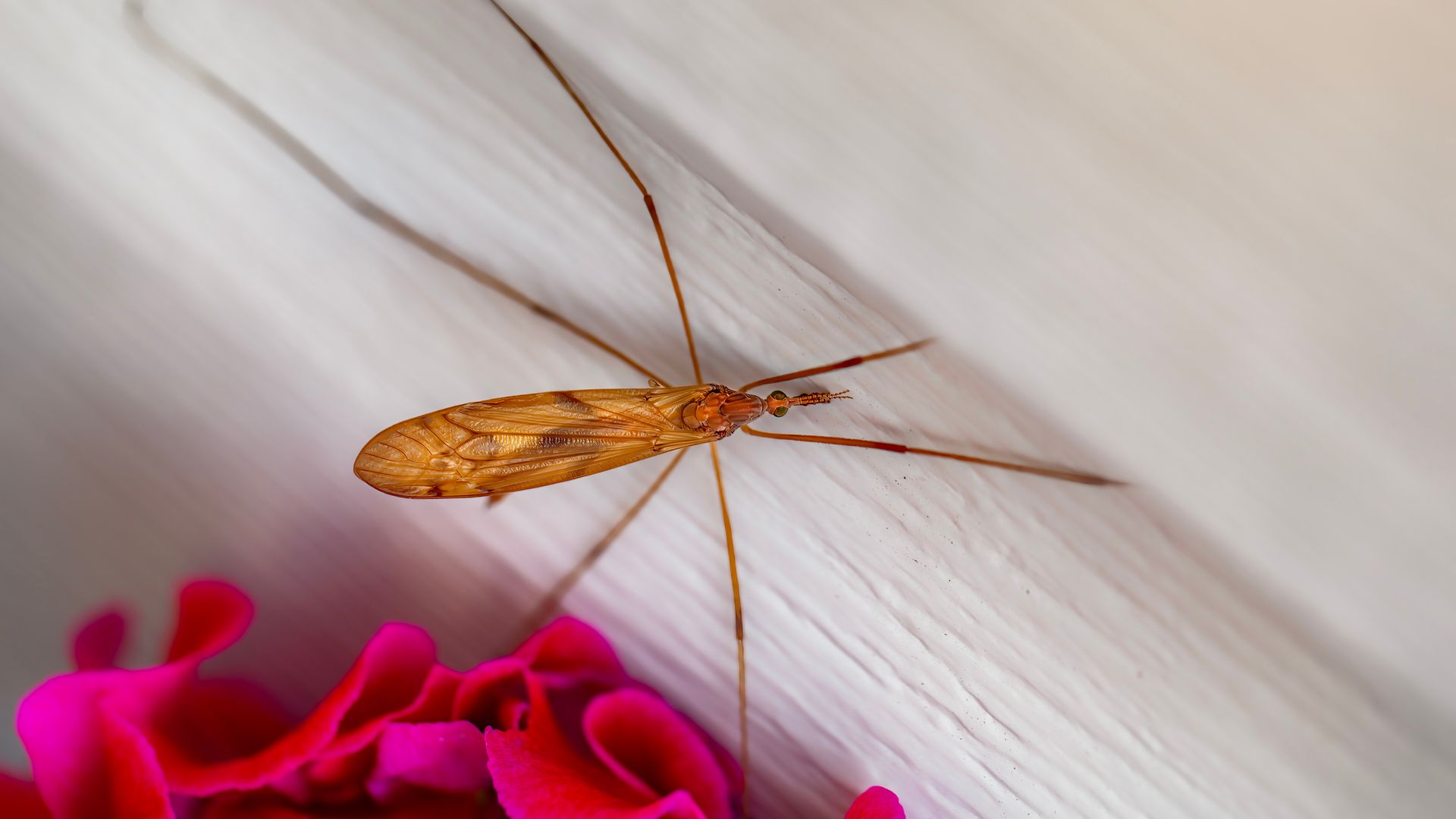
Unfortunately for your home, autumn is peak mating season for crane flies, the long-legged insects often mistaken for mosquitoes or even spiders. While they’re harmless, their clumsy flight and tendency to gather around lights can make them a nuisance indoors.
To keep them out, close your windows and doors when it starts to get dark outside, or employ insect screens to prevent them from gravitating to your indoor lights. Switching to yellow-toned bulbs can help reduce the number of crane flies around your home, as the warmer light falls outside the range most insects are sensitive to – making it much less attractive to them.
If you’re looking to remove them from your home, you can catch and release them (or try to shoo them outside), since they don’t reproduce indoors because they need moist soil to lay their eggs.
Unfortunately moths love your wool jumpers just as much as you do
Moths
Autumn often brings an increase in moth activity as these nocturnal insects are drawn to the warmth and light of homes. While most moths are harmless, some species, like the common clothes moth, can cause damage by laying eggs on natural fibres, leading to larvae that eat through your clothes.
To keep moths at bay, it's helpful to keep your doors and windows shut as soon as it gets darker outside, to prevent them from flying towards your indoor lighting. If you're concerned about particular fabrics, such as wool and cashmere, be sure to store these in airtight containers or breathable garment bags. Moths also particularly hate the scent of cedarwood, so try placing some cedar balls in wardrobes, drawers, or storage boxes to deter these pests from your natural fibre clothes.