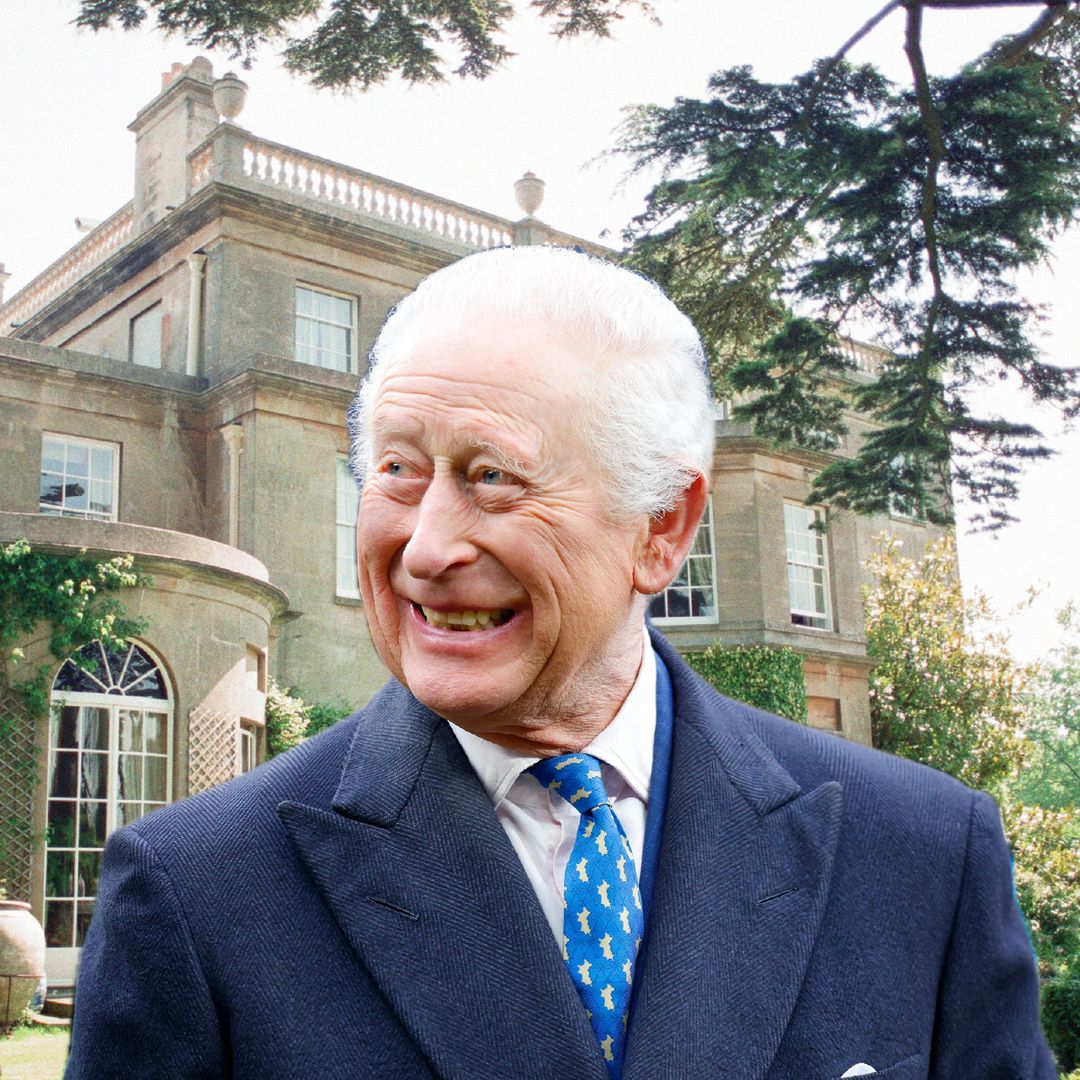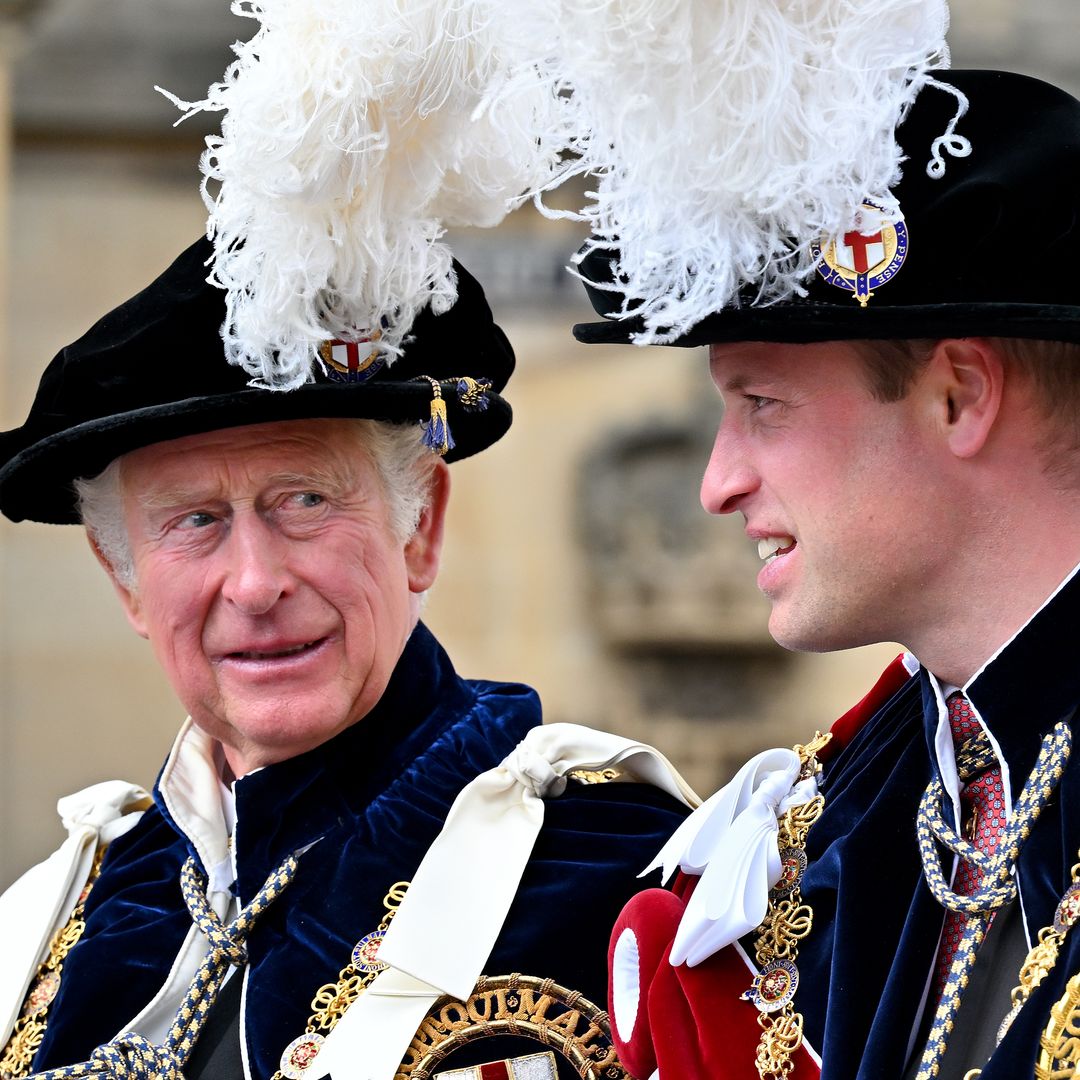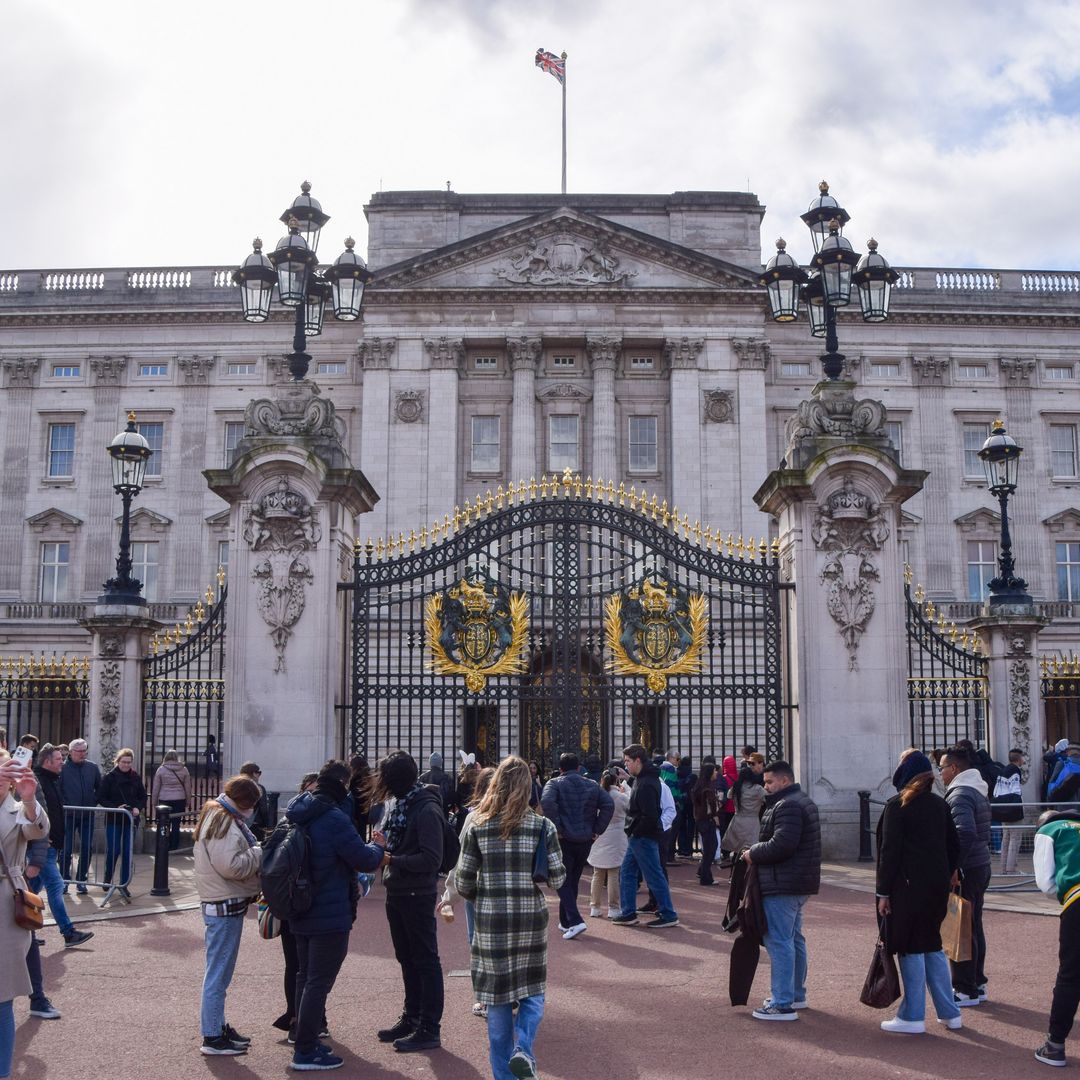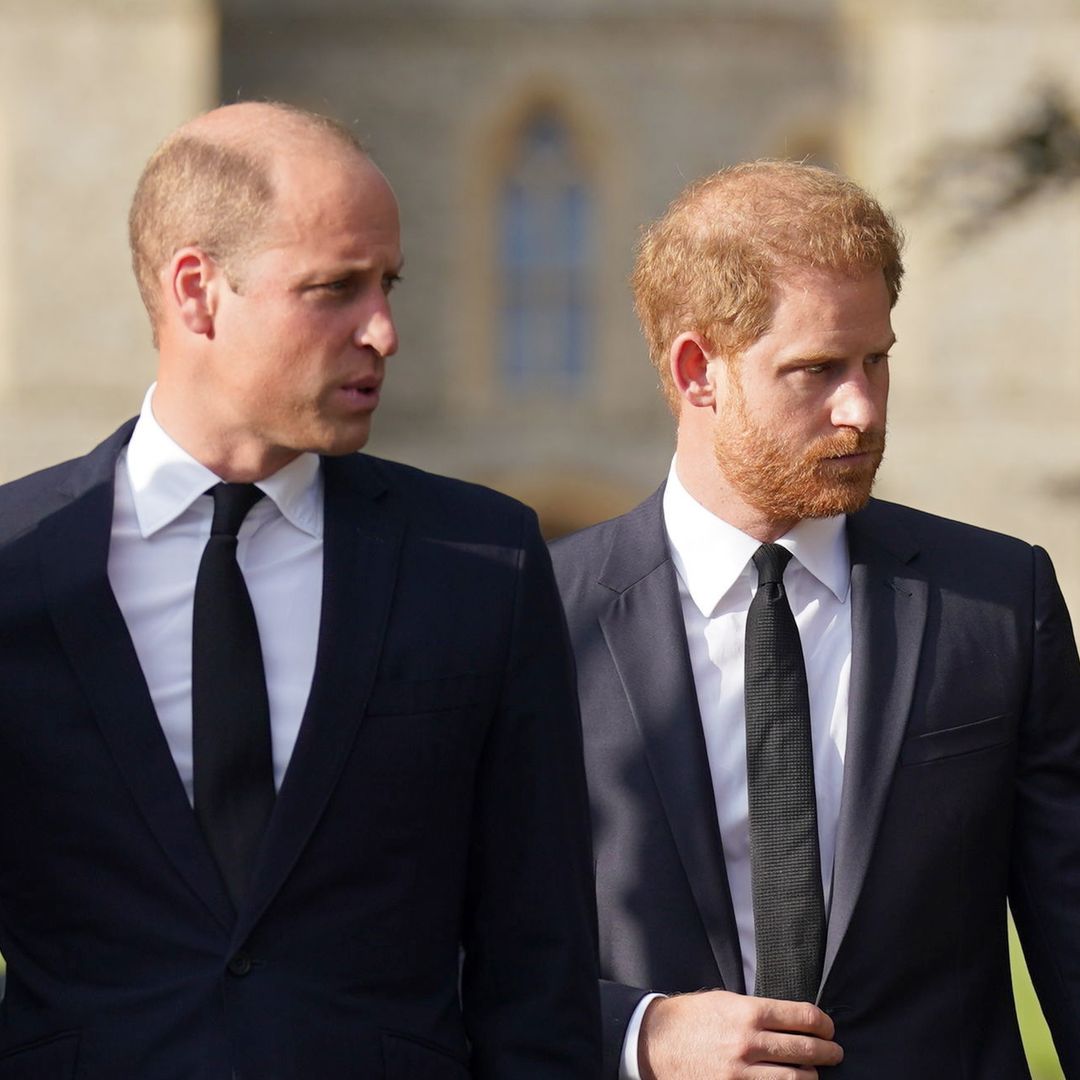

Since Andrew Mountbatten-Windsor's Royal Lodge lease drama, attention has turned to other royal family members and their property arrangements with the Crown Estate. The spotlight is on where the royals live and what they pay towards their sprawling homes...
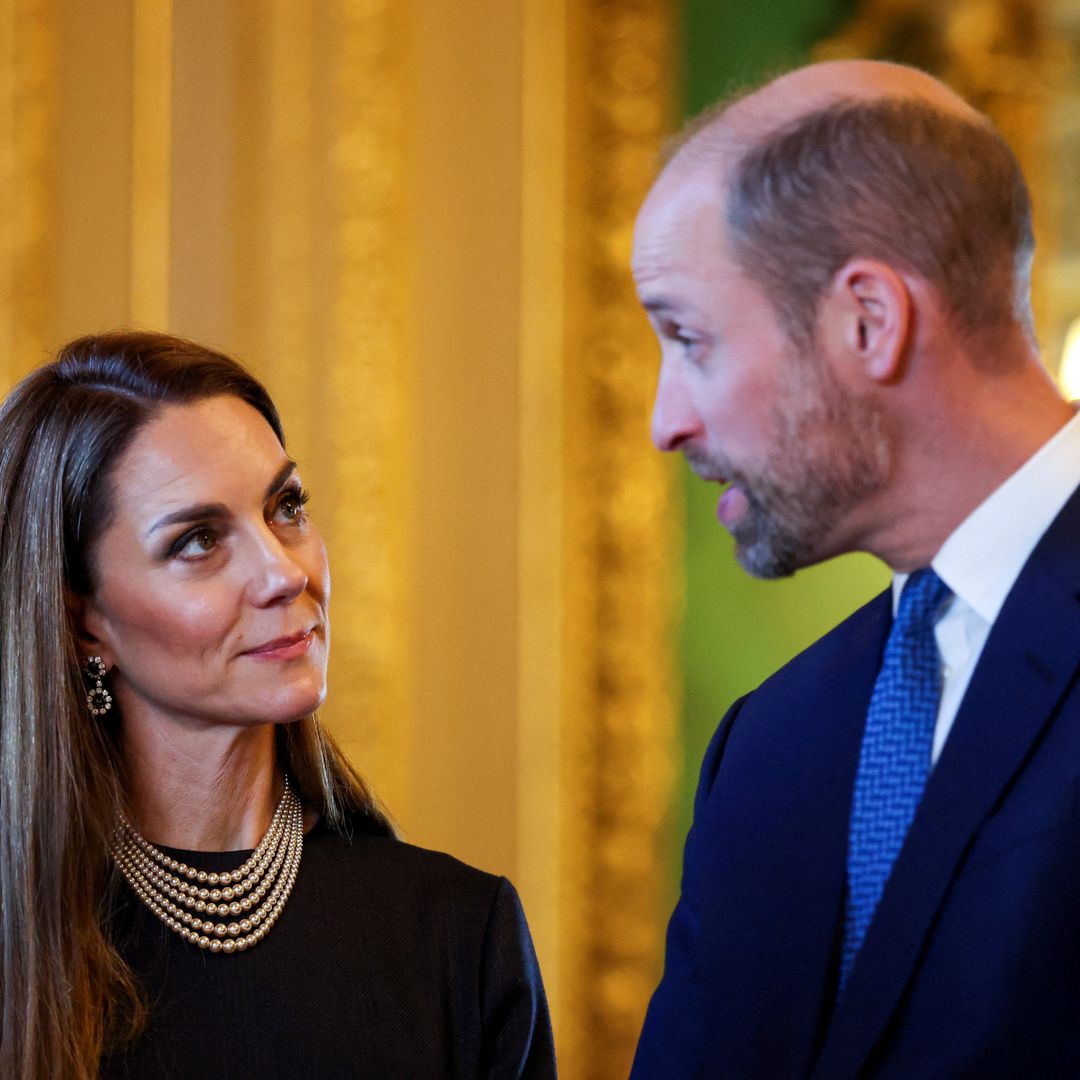
It has now been revealed, for example, that Prince William and Princess Kate are paying the "market rate" rent for their new home, Forest Lodge instead of Andrew's notorious peppercorn rent' agreement. Also, did you know that Prince Edward has a similar set-up to his disgraced brother? But if you're still wondering what royal leases are and how they really work, we've got you. HELLO! has called in the help of an expert – allow Bryan Johnston, property litigation partner at law firm Dentons.
Royal leases are no different from other leases. There is no legally defined concept of a 'royal lease' – it is not a formally recognised category of holding land. The term is, however, used to refer to a lease of land that has a royal connection.
What makes these arrangements interesting is who the landlord often is. Royal residences like Royal Lodge sit on land owned by the Crown Estate, a vast public property portfolio managed entirely independently of the monarch. Its income goes straight to the Treasury, not the King.
The Crown Estate is not restricted to leasing land to members of the Royal Family. It has a vast property portfolio and leases to all sorts of commercial, agricultural and residential tenants. Its assets range from property in London's Regent's Street to the UK seabed out to 12 nautical miles.
Similarly, the Duchies of Lancaster and Cornwall lease land they own to various tenants.
Legally speaking, the terms of a royal lease are not fundamentally different from the lease of any flat or house across the country. The glamour of the address may change, but the legal principles do not.
There are limited 'royal properties' available, such as those on the Windsor estate. The Crown Estate owns this land and therefore if Royal Family members wish to live there, they will have to take a lease of the property from the Crown Estate.
It allows Royal Family members to occupy prime residences in convenient locations, without the Crown Estate parting with the freehold ownership of nationally important land.
Many long residential leases, royal or otherwise, run for decades or even centuries. In essence, a tenant pays an upfront premium in return for a long 'slice of time' during which they can enjoy the home. Leases of 99, 150 or even 999 years are common.
Royal leases follow the same pattern - long terms, agreed between the parties, and tailored to the property and circumstances.
You may also like
A peppercorn rent means the tenant has paid a significant upfront sum when agreeing the lease, so the ongoing rent is purely nominal, sometimes literally stated as 'a peppercorn, if demanded'. The landlord receives its value at the outset.
Technically, payment of the peppercorn is legally enforceable, though I don't think any tenant – royal or otherwise – has ever lost sleep over this obligation.
A market rent, by contrast, means the tenant pays no large premium at the beginning. Instead, they pay regular rent, just like any ordinary tenant.
Royal leases vary because each one is negotiated individually. For instance, when Andrew Mountbatten-Windsor took on the lease of Royal Lodge, he was required to fund major works to the house. This investment formed part of the value he provided in exchange for the lease.
The same thing that happens to anyone else.
If a tenant, royal or not, fails to meet the obligations in their lease – such as paying sums due, repairing the property, or complying with conditions – the landlord can take action.
That may involve requiring the tenant to put things right or, in more serious cases, seeking to end the lease altogether.
Save for the sovereign immunity enjoyed by the King, there is no special civil immunity for members of the Royal Family. A breach is a breach.
Forfeiture is a draconian remedy that allows a landlord, be it the Crown Estate or any other landlord, to end the lease during the term as a result of a tenant's breach.
If the landlord exercises a right of forfeiture, the lease ends and the landlord is entitled to recover possession and kick the tenant out.
The Crown Estate is then free to let the property to another tenant, subject to any claim for relief from forfeiture by the tenant whose lease has been forfeited.
Forfeiture is mostly used in commercial situations. In practice, forfeiting a residential lease is very difficult, and the law heavily protects residential occupiers. It is usually a last resort rather than a common outcome.
LISTEN: Inside the full inquiry into royal rents
There is no loophole that allows a tenant – royal or otherwise – to surrender a lease.
A surrender of a lease can only happen if both landlord and tenant agree to end the lease early. There is no automatic right for a tenant to walk away from their lease obligations. A surrender will only take place if the landlord agrees to it, and it can request a surrender premium (i.e. a payment) in order to obtain its agreement.