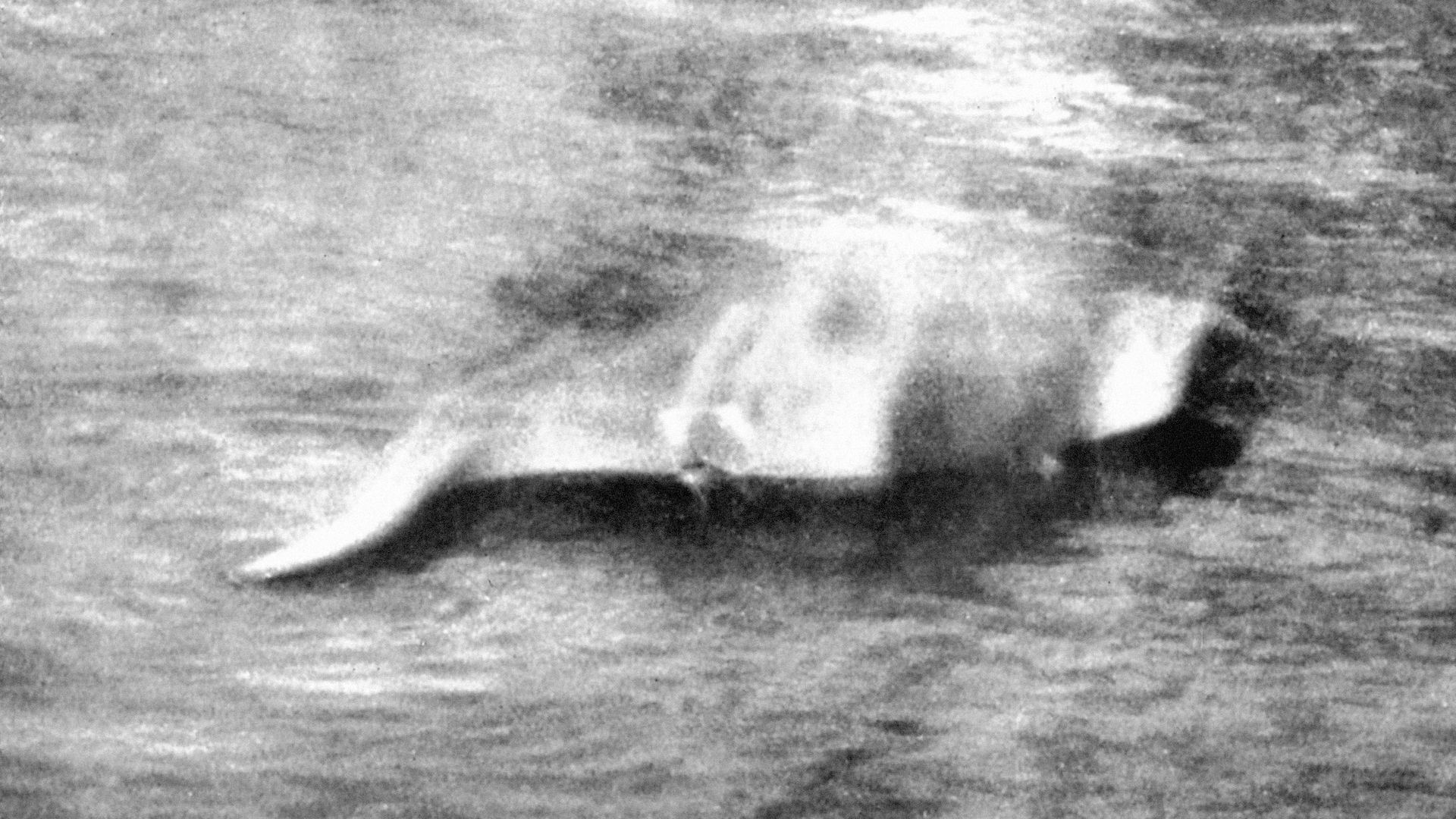

In terms of legendary myths that have gripped us for decades, the Loch Ness Monster has earned her spot near the top of the list. What began as a blurry, black-and-white image of a serpentine-like shape rising from the still waters of the Scottish lake quickly evolved into one of the world’s most fascinating mysteries. Believed to be the first-ever photograph of Nessie, the image, taken by Hugh Gray in 1933, ignited a global obsession with the sea monster that supposedly lurked beneath the surface of Loch Ness, turning Nessie into a cultural icon and sparking heated debate between believers and skeptics alike.
92 years on from the iconic photo, the story behind that single frame continues to be scrutinised and questioned – yet the snap sparked a frenzy that still draws thrill-seekers to Loch Ness in search of the elusive cryptid today. We’re taking a look at how this snapshot came to be, the decades-long debate around its legitimacy, and why Nessie’s legend continues to captivate imaginations nearly a century later.
 © Getty Images
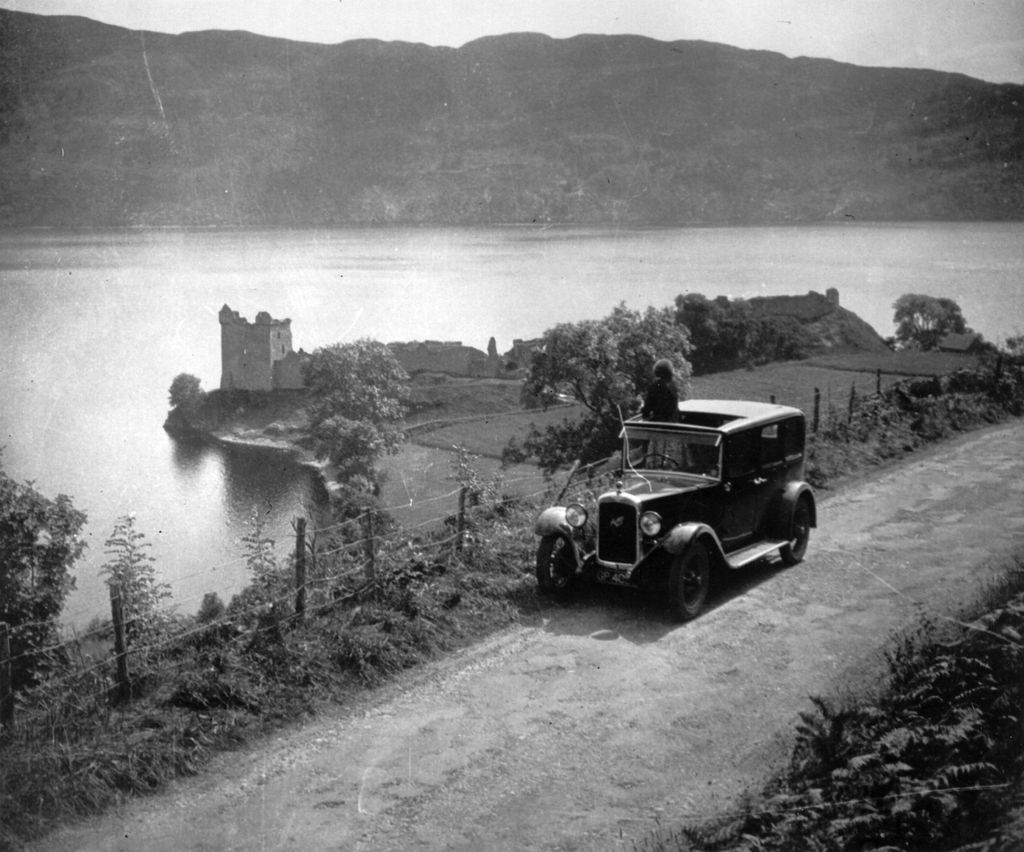
The banks of Loch Ness in 1930
The legend of Nessie
Though Hugh Gray’s 1933 image is widely regarded as the first alleged photo of the Loch Ness Monster, sightings of the mysterious creature date back centuries, with the earliest recorded encounter being recorded 565 AD. According to Scottish folklore, a cryptid similar to a plesiosaur dwelled in the murky depths of the Scottish loch – a lake that holds the largest volume of freshwater in the British Isles, plunging to a staggering 230 metres at its deepest point.
For centuries, Nessie’s story remained largely local folklore, known mainly to Highland residents, with most sightings being reported by locals. That all changed with a single photograph in 1933, which brought the creature into global consciousness and transformed it into the world’s most famous cryptid.
 © Bettmann Archive
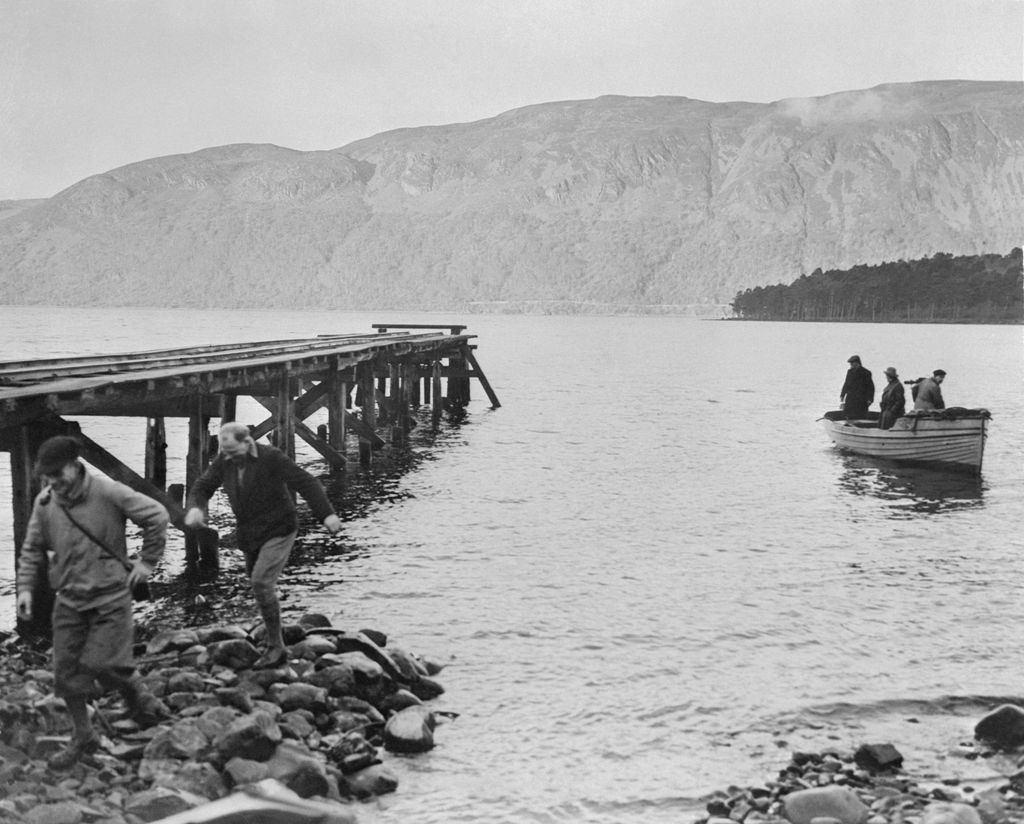
A search party looking for Nessie in 1933
Taking the picture
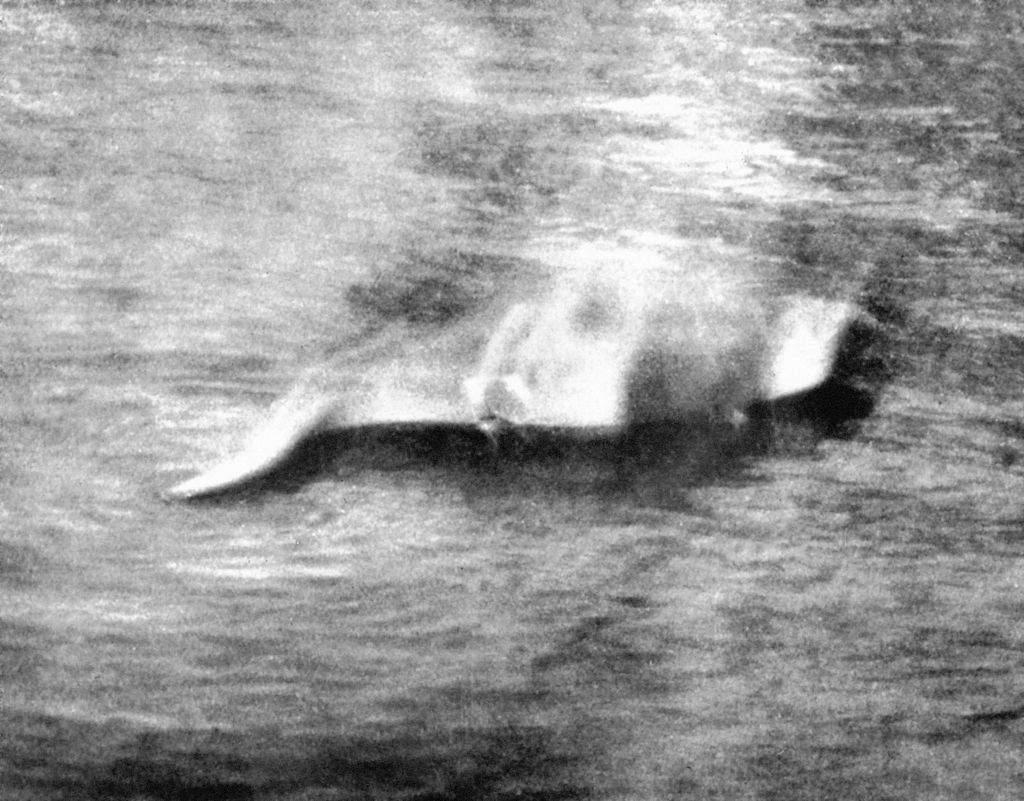
The photograph was captured by Hugh Gray, a Scottish aluminium-works employee who lived near Loch Ness and enjoyed regular walks along the Foyers River. Following his usual Sunday church service, Hugh stepped out on his routine walk and reported spotting a strange shape bobbing above the water’s surface, quickly snapping several images.
The shape, described by Hugh to the Scottish Daily Record as “an object of considerable dimensions”, followed several other reported Nessie sightings that year. A visiting Londoner, George Spicer, reported a “large creature with a long, wavy, narrow neck” that crossed in front of his car, while local hotel manager Aldie Mackay told of a “whale-like fish” spotted in the loch.
“I did not see any head, for what I took to be the front parts were under the water, but there was considerable movement from what seemed to be the tail, the part furthest from me," Hugh told the paper. The object only appeared for a few minutes then sank out of sight."
 © Mirrorpix via Getty Images
Hugh's original image
The photo
The image divided opinion from the start – its blurry quality left it open to much interpretation, with some arguing that it was local wildlife, floating debris, or even Hugh’s own Labrador with a stick in its mouth. Supporters pointed out the long-necked, humped-back outline, similar to that of a prehistoric plesiosaur, as confirmation that the image captured the local monster; it was around this time the name “Loch Ness Monster” began to take hold.
Hugh Gray, a respected local employee, was widely believed to be honest and unlikely to fabricate the sighting, lending credibility to the picture in the eyes of many. His image also went on to spark a tourism boom, further supported by the infamous “Surgeon’s Photograph” taken in 1934, and the legend quickly became intertwined with Scotland’s cultural and economic identity.
 © Getty Images
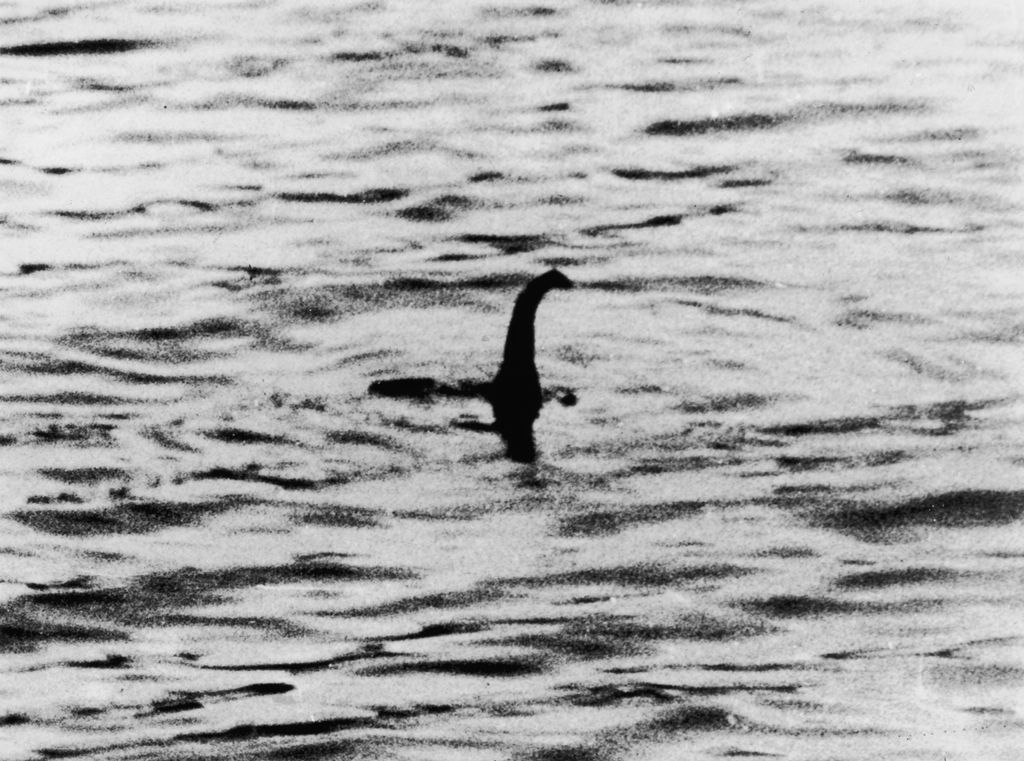
The photo, seen here, is widely regarded as the definitive Loch Ness Monster picture
The “Surgeon’s Photograph”
The most famous picture of the Loch Ness monster, which captured worldwide attention, appeared in the Daily Mail just five months after Hugh’s image was published. Taken by London gynaecologist Robert Kenneth Wilson and dubbed the “Surgeon’s Photograph”, it was far clearer than the original and widely accepted at the time as more credible evidence of Nessie.
Sixty years later, the photo was exposed as a hoax. Marmaduke Wetherell, who had been embarrassed by his employer, the Daily Mail, after claiming to have found Nessie’s footprints (later identified as a hippo foot from an umbrella stand), sought revenge. Along with a few accomplices, he staged the photograph by attaching a monster-like neck to a toy submarine and capturing the shot. As a respected surgeon, Robert’s involvement lent the image additional credibility.
Christian Spurling, a sculptor who helped construct the model, confessed to the hoax on his deathbed in 1994.
 © AFP via Getty Images
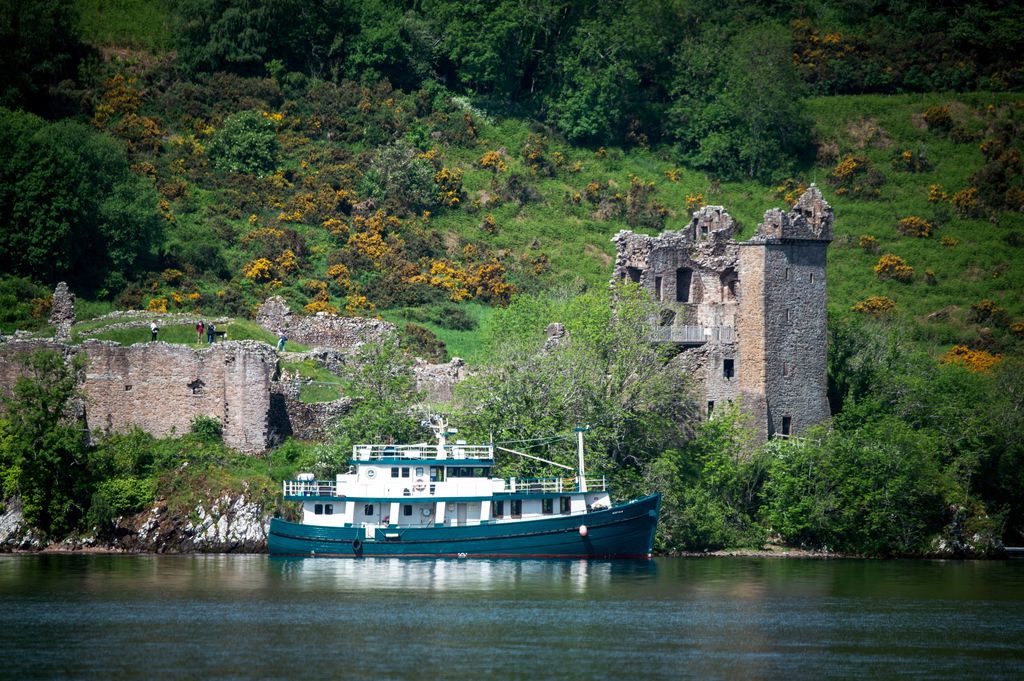
One of many Nessie-hunting voyages now available in the Highlands, 2024
The impact of Hugh’s image
Unlike the “Surgeon’s Photograph”, Hugh’s image has never been outright debunked, leaving it shrouded in mystery nearly a century later. It kicked off the modern era of Nessie hunting, inspiring countless visitors, amateur researchers, and thrill-seekers to scour Loch Ness in the hopes of catching a glimpse of the creature.
While we still don’t know what the shape depicted in the image is – and likely never will – it helped transform local folklore into a global phenomenon, cementing Nessie’s place in cultural history.