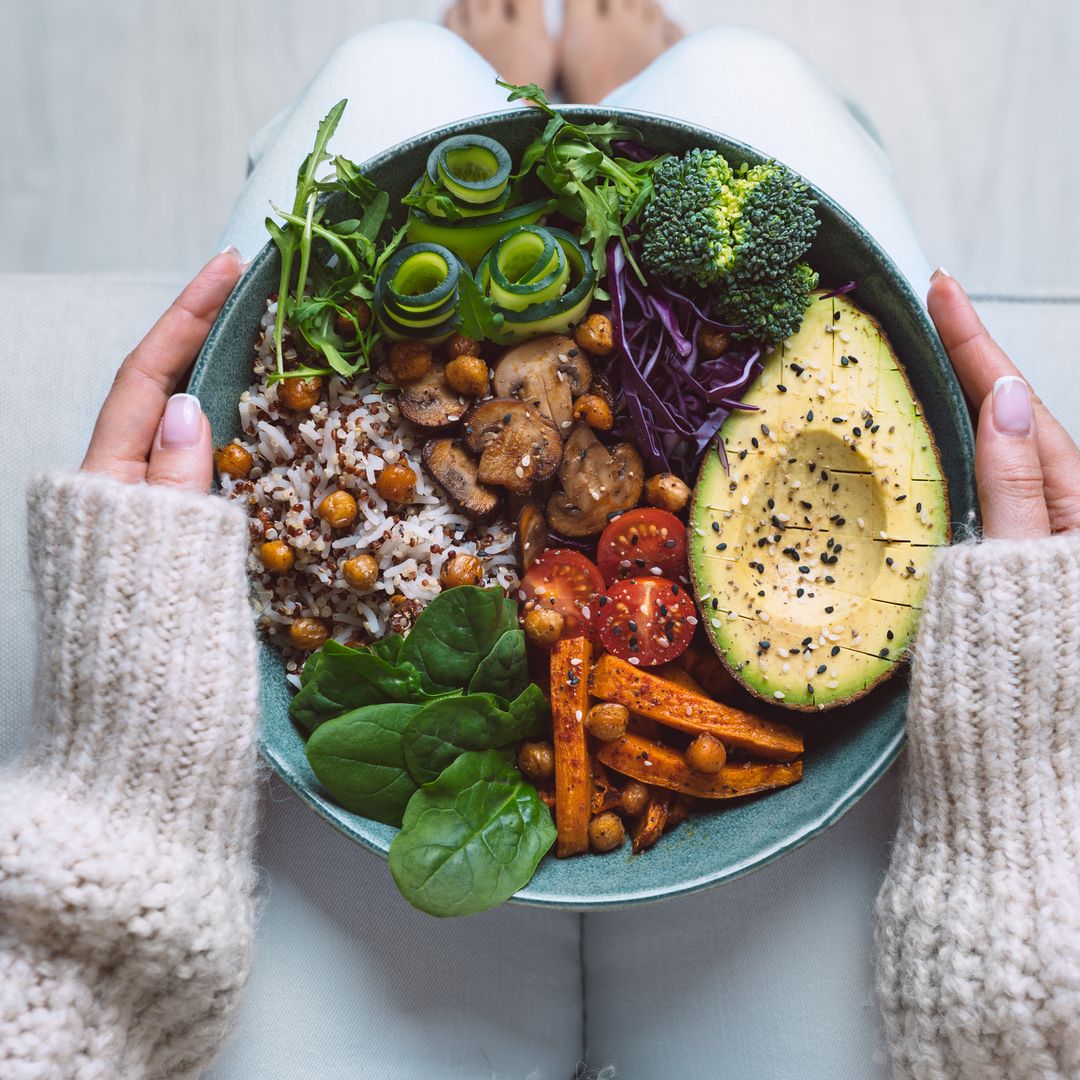
From cutting out carbohydrates to eating a high-protein diet, there are a lot of mixed messages about how adjusting the macros of the food we eat can help with weight loss. But with macronutrients playing such an important role in the body, could the balance of food groups that we consume have a bigger impact on our weight and energy levels than we realise? And what role do micronutrients play? As a health and nutrition coach, I’ve learned that the food we eat each day plays a huge role in how we look and feel, so here’s everything you need to know…
What are macronutrients?
Macronutrients are the three main types of nutrients your body needs in large amounts: carbohydrates, protein and fat. They provide the body with the energy it needs to keep systems and muscles working, to repair and grow, and create hormones. Each macronutrient offers something different, so we need to be consuming all of them daily for optimum health.
 © Getty Images
What are micronutrients?
Micronutrients are the vitamins and minerals our bodies need. We may need them in smaller amounts than macronutrients, but they are no less important, as they can support everything from our immune system and nervous system to growth and cognitive function. Unlike macronutrients, micronutrients don’t provide any calories, but deficiencies can cause problems throughout the body. Essential micronutrients include iron, vitamin A, vitamin D, iodine, folate and zinc.
What do carbohydrates do for the body?
 © Getty Images/iStockphoto
Carbohydrates provide our bodies with energy by breaking down into glucose to fuel cells. Many sources of carbohydrates also provide dietary fibre to support digestion and gut health, and can influence neurotransmitters in the brain, such as serotonin, otherwise known as the ‘feel good chemical’.
Does counting macros support weight loss?
Many popular diets focus on macros, often advising people to reduce their carbohydrate consumption and consume more protein and healthy fats in order to lose weight. For example, the Atkins Diet recommended slimmers consume no more than 20 grams of carbohydrates a day in the initial phase, the equivalent of one small potato or half a cup of cooked pasta.
 © Getty Images
This may be effective in shedding excess weight, but over time it may create nutritional deficiencies if there isn’t a focus on the overall quality of the diet, and ensuring adequate intake of micronutrients, including vitamins and minerals such as zinc, iron and magnesium. You may also find that you experience lower energy levels and feel sluggish or constipated when drastically cutting down on carbohydrates.
If you’re trying to lose weight, I would advise you to look beyond simply what the scale says and take a healthier and more sustainable approach. Adjusting your macros to reduce your carbohydrate intake will likely be effective for weight loss, but it’s important not to demonise healthy carbohydrates, including whole grains and fruits and vegetables, all of which provide an array of micronutrients and fibre, which aid healthy digestion and will also help you to feel fuller for longer.
The reality of dieting
Studies show that 95 per cent of diets fail, with only five per cent of people who lose weight through dieting managing to keep it off for more than two years. This is why I recommend making healthy eating a lifestyle choice rather than restricting foods or constantly counting calories or macros vs micros, and thinking about your diet in terms of what you can add rather than what to cut out.
Diversifying your diet, consuming 30 different plants a week and eating the recommended 30 grams of fibre a day can not only support slow and steady weight loss if you are carrying excess weight, but will also help you to feel good and enjoy food in the process.
Macros and Micros: The Mediterranean Diet
 © Getty Images
The Mediterranean Diet is an example of healthy eating that focuses on both macros and micros for a diet that you can follow for life. This is one of the best anti-inflammatory diets you could consume, with a mix of lean proteins, healthy fats and whole foods with no need for restriction.
While ultra-processed ingredients and refined carbohydrates are off the menu, the focus on eating fresh, home-cooked foods will transform your health and well-being, provide a sustainable energy boost and also support weight loss if that is your aim.