Sultry eyes, crimson lips, and endless alluring intrigue – the femme fatale became a mainstay of Old Hollywood cinema, shaping female power on screen and paving the way for some of history’s most iconic actresses to grace our screens. Whether you’re a dedicated vintage film fan or only familiar with household names like Marilyn Monroe, chances are you’ve either seen these legendary ladies before or felt the echo of their influence on cinema – but what happened to these trailblazing actresses after their Hollywood heydays?
From the industry’s transition to “talkies” in the ‘30s to the glamorous golden age of the ‘40s and ‘50s, actresses like Rita Hayworth and Barbara Stanwyck commanded screens with their charisma, elegance, and magnetism. We’re taking a look at the lives behind the legends – including the film icon still reigning today – and exploring the enduring impact of Hollywood’s most iconic femme fatales.
 © Getty Images,Bettmann Archive
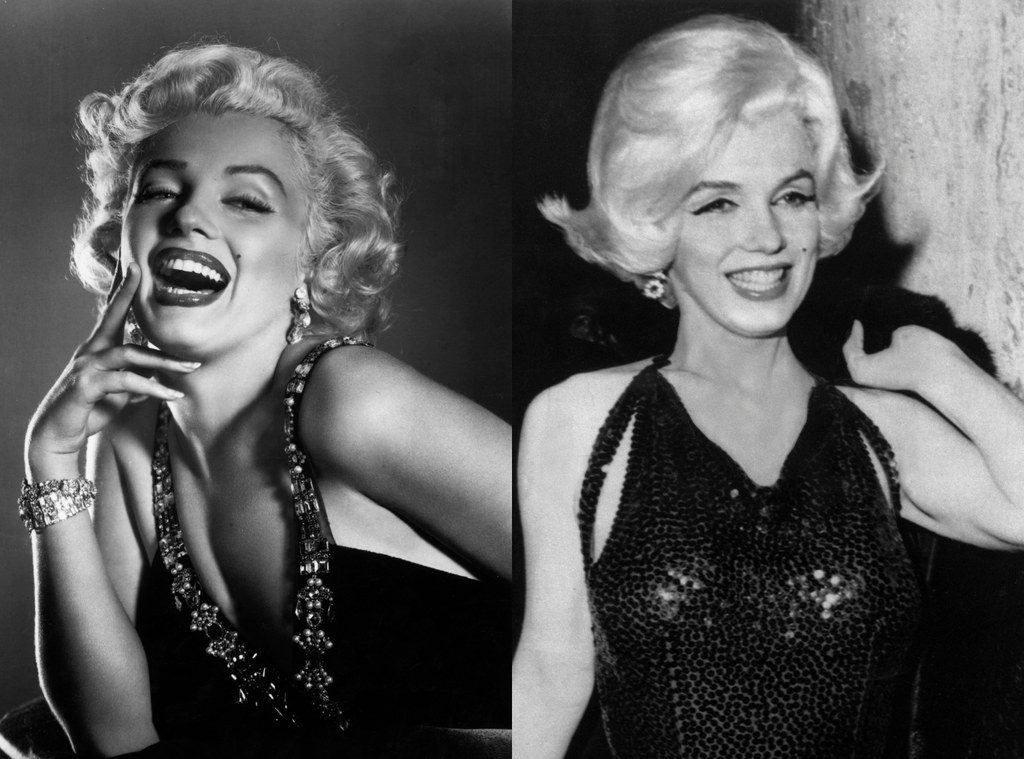
Marilyn worked to improve women's standing in the film industry
Marilyn Monroe
The definitive Hollywood bombshell, Marilyn Monroe transformed from Norma Jeane into the world’s most famous movie star. With her platinum curls, distinctive breathy singing voice, and comedic sparkle, she turned films like Gentlemen Prefer Blondes (1953) and Some Like It Hot (1959) into cultural landmarks, redefining what it meant to be both glamorous and vulnerable on screen.
The legendary starlet famously became disillusioned with her carefully crafted persona and fought to be taken seriously as an actress. She founded her own production company, Marilyn Monroe Productions, in 1954, which produced the smash-hit rom-com The Prince and the Showgirl (1957). Her untimely passing in 1962 at just 36 years old, which was ruled a “probable suicide” from a sleeping pill overdose, remains one of Hollywood’s most poignant mysteries. Decades later, Marilyn is still remembered for her inimitable screen magic as well as her tireless quest to improve women’s standing in the industry.
 © Getty Images,Bettmann Archive
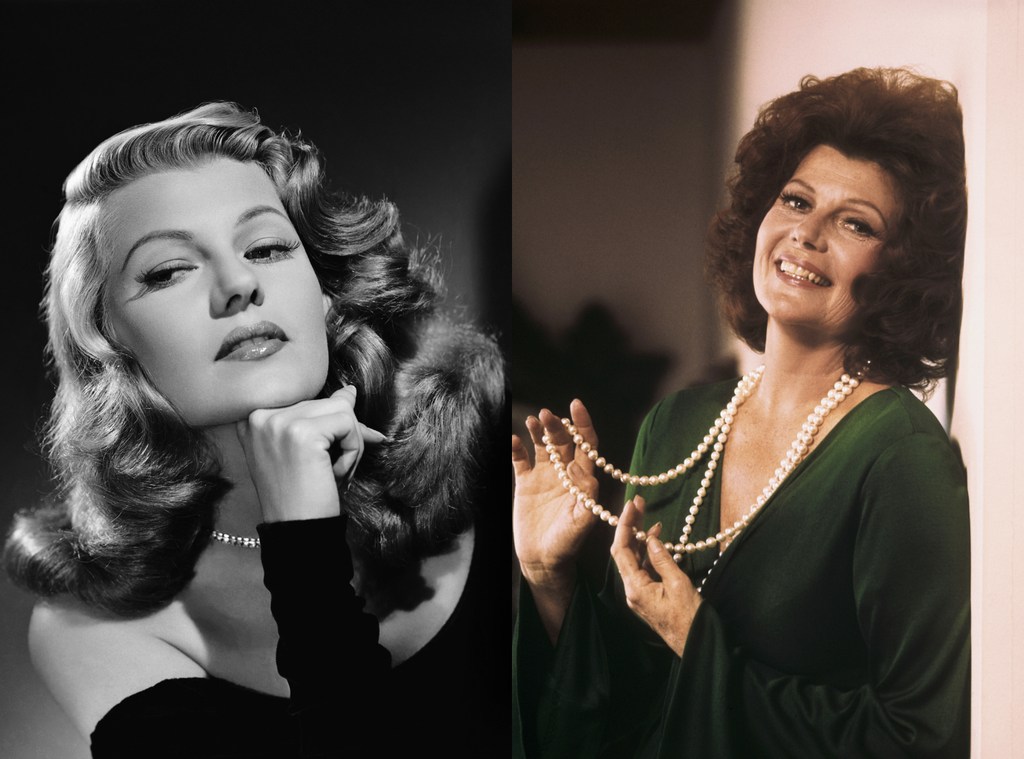
Rita was dubbed the "Love Goddess" for her legendary femme fatale roles
Rita Hayworth
Originally born Margarita Cansino, Rita Hayworth used her family dance background and natural beauty to transform into a Hollywood legend. She was even dubbed the “Love Goddess” by the media for her alluring screen presence. Aside from being the number one pin-up girl for GIs in World War II, Rita’s screen heyday in the 1940s was filled with noir classics like Gilda (1946) and The Lady from Shanghai (1947), which forever cemented her as the ultimate femme fatale.
After a legendary career and five marriages – from actor Orson Welles to Prince Aly Khan – Rita revealed her early-onset Alzheimer’s disease diagnosis in the 1980s, which resulted in her death in 1987 at age 68. She’d taken a step away from Hollywood in the ‘70s but remained a darling in the public eye, especially after becoming one of the first stars to publicly share her diagnosis. Her death drew attention to Alzheimer’s, which was little known at the time, and even increased research funding in memory of the irreplaceable film noir star.
 © Getty Images,WireImage
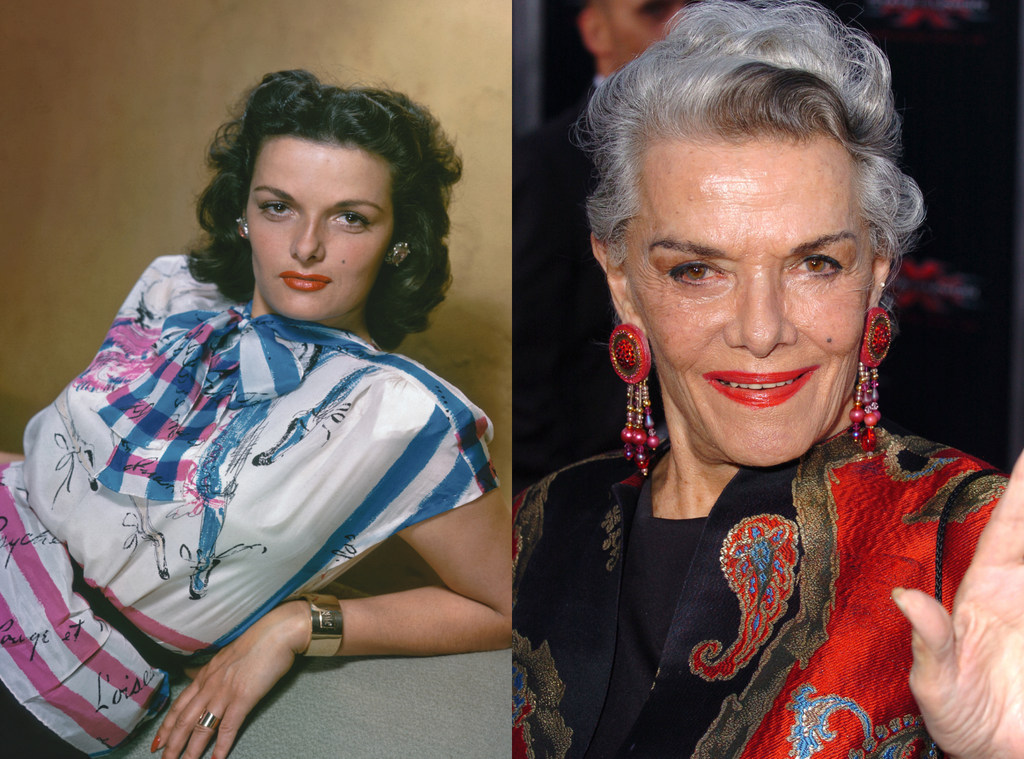
Jane founded a film production company
Jane Russell
A ‘40s legend for her role in The Outlaw (1943), which dubbed her the year’s “most exciting new screen star”, Jane Russell instantly became a figure of sultry sophistication and was one of Hollywood’s most sought-after actresses. She carried this fame into the ‘50s, where she famously starred alongside Marilyn in Gentlemen Prefer Blondes (1953). Like her co-star, she also founded a film production company with her first husband, footballer Bob Waterfield, that saw the striking star utilise her fame to mobilise women in the industry.
Jane went on to pursue singing, a lifelong passion of hers, even performing on variety shows like The Ed Sullivan Show. Though she retired from films in the ‘70s, she made the odd guest appearance on TV shows like Hunter (1986), as well as the soap opera The Yellow Rose (1983). The silver-screen muse passed away in 2011 at the age of 89, leaving behind a legacy as one of Hollywood’s most enduring icons.
 © Bettmann Archive,Ron Galella Collection via Getty Images
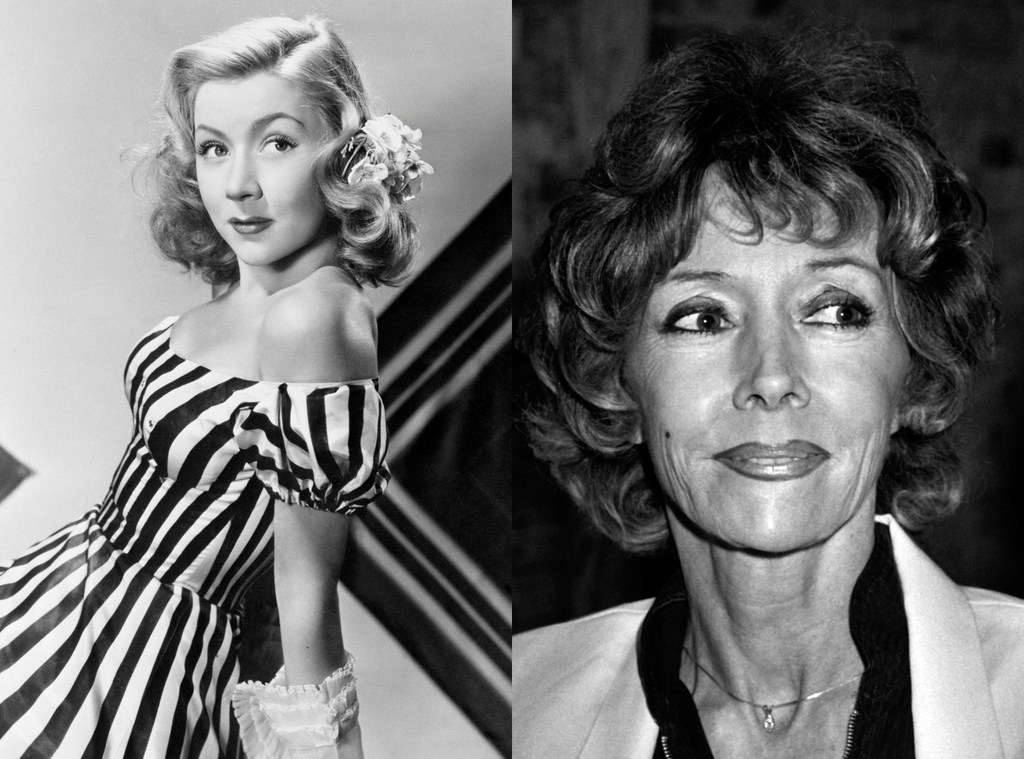
Do you recognise Gloria from It's A Wonderful Life?
Gloria Grahame
While she may be best known – especially around the holiday season – for her role as the flirty Violet Bick in It’s A Wonderful Life (1946), the Christmas hit helped launch Gloria Grahame later into film noir superstardom. She earned an Academy Award nomination for her role in the crime noir Crossfire (1947) and clinched the award for The Bad and the Beautiful (1952); the same year, she starred opposite Joan Crawford in Sudden Fear (1952), which became her most-beloved noir appearance.
After a series of scandals in the mid-50s – from marrying her former stepson to plastic surgery that reportedly affected her speech – Gloria’s Hollywood career largely came to an end, pushing her towards smaller supporting roles. After a battle with breast cancer, she continued performing until her health sharply declined in 1981. She was rushed back to New York from the UK, where she was performing in a play, and passed away that same day at just 57 years old. Though her film career was short, the star carved out a reputation as one of Hollywood’s most successful femme fatales of all time.
 © Corbis via Getty Images,WireImage
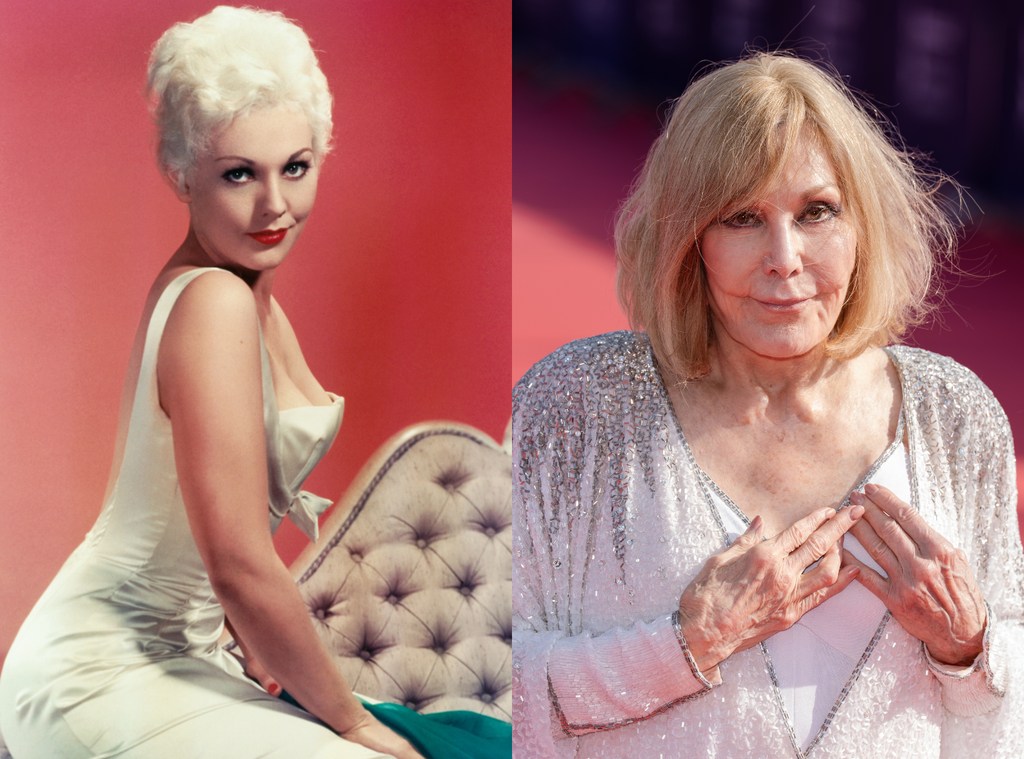
Kim recently received a major award at the Venice Film Festival
Kim Novak
Rising to fame in the ‘50s, Kim Novak was envisioned to be the decade’s answer to Rita Hayworth for Columbia Pictures and someone who would generate the same box-office success as Marilyn for 20th Century Fox. With her enigmatic persona and stunning beauty, Kim burst onto the scene with lead roles in the noir films Pushover (1954) and The Man with the Golden Arm (1955). The starlet ended up going from strength to strength, most famously with her career-defining role in Alfred Hitchcock’s Vertigo (1958).
Despite her early career triumphs, Kim largely withdrew from Hollywood in the ‘60s. “I had to leave to survive,” she later told People. "I lost a sense of who I truly was and what I stood for”. After balancing sporadic acting roles with hobbies like painting and horse riding, Kim retired after Liebestraum in 1991. At 92 years old, the legendary star recently received the Lifetime Achievement Award at the Venice Film Festival.
 © Getty Images
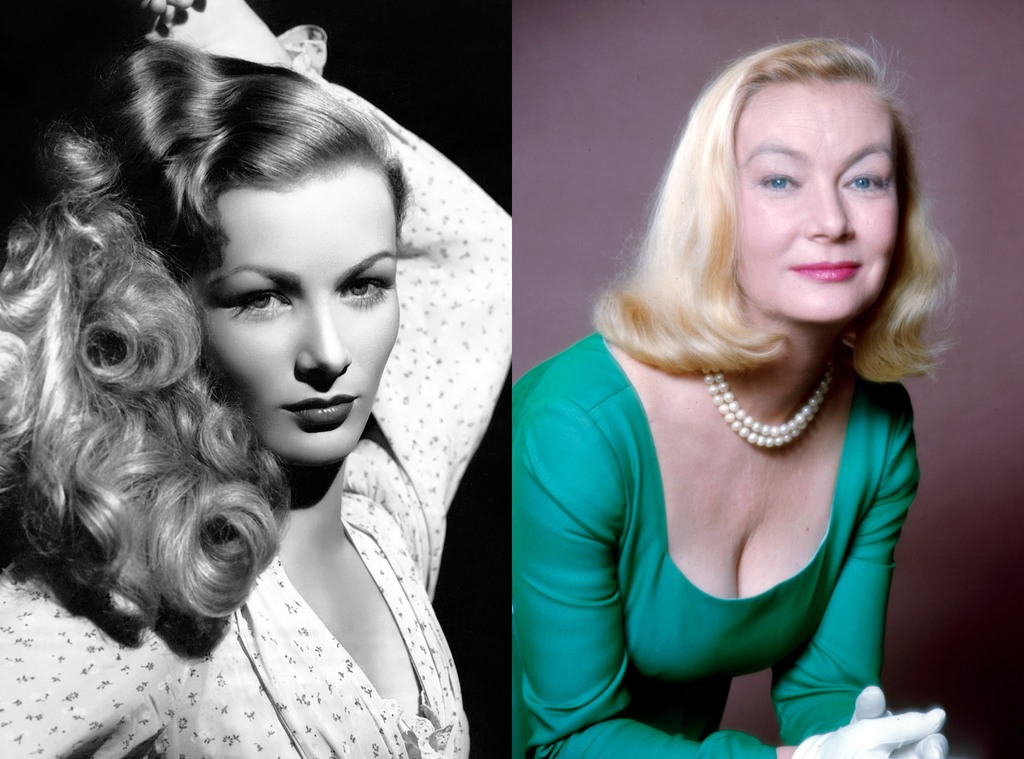
Veronica had one of the most iconic looks in Old Hollywood
Veronica Lake
Known for her icy allure and signature peek-a-boo hairstyle – so iconic that the U.S. government pleaded with her to change it, as female factory workers were getting their hair stuck in machinery – Veronica Lake was the definitive screen siren of the ‘40s. Alongside actor Alan Ladd, she dazzled as the leading femme fatale in films like This Gun for Hire (1942) and The Blue Dahlia (1946). Equally compelling in comedies like I Married a Witch (1942), Veronica’s balance of striking seduction and down-to-earth charm made her Hollywood’s go-to actress of the decade.
By the end of the ‘40s, Veronica’s career faltered due to alcoholism; the star’s signature look had also begun to go out of fashion, and she allegedly dealt with mental health issues like childhood schizophrenia, reported by The New York Times. After 15 years away from the screen, Veronica returned for Footsteps in the Snow (1966), but later passed away in 1973 at just 50 from hepatitis. Her imprint on the film noir genre remains inimitable.
 © VCG Wilson/Bettmann Archive,Getty Images
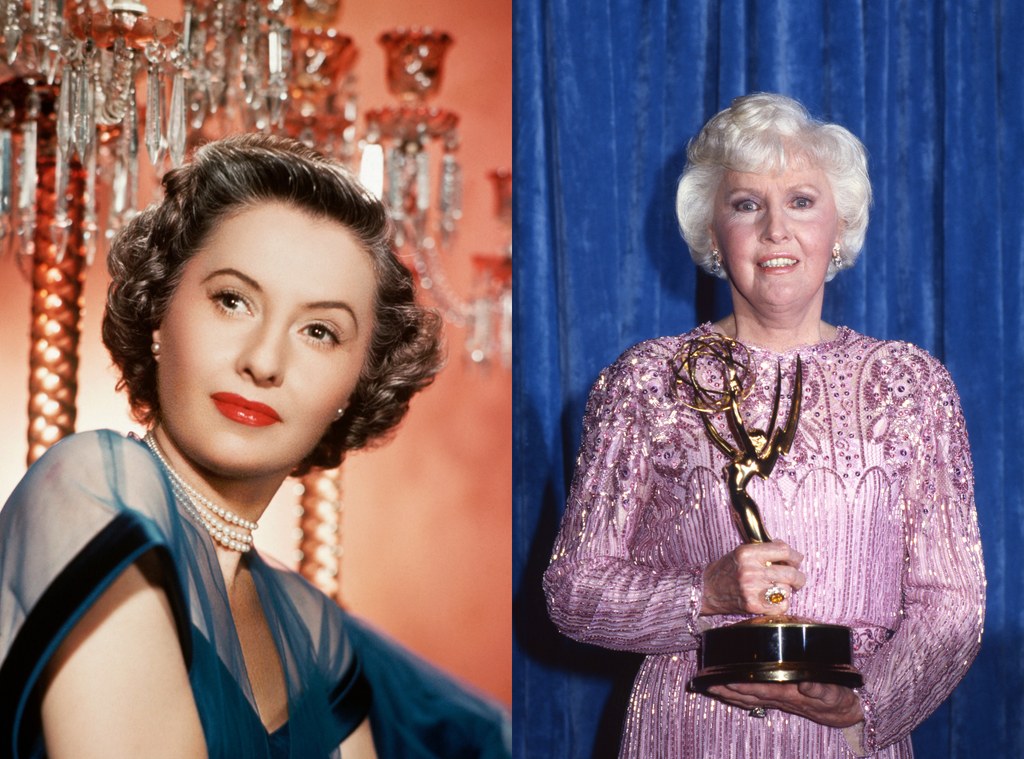
Barbara's career spanned half a century
Barbara Stanwyck
Originally a Ziegfeld girl in the ‘20s at age 16, Barbara Stanwyck swapped Broadway acclaim for silver screen stardom, becoming one of the original actresses in talking pictures. From Ladies of Leisure (1930) to the salacious Baby Face (1933), she also became a staple of Hollywood’s Pre-Code cinema era (1929–1934), characterised by lax enforcement that allowed references to sexuality and social taboos. The highest-paid actress in the US by 1944, her infamous role in the noir Double Indemnity (1944) earned her one of four Academy Award nominations for Best Actress.
As film roles dwindled in the ‘50s, Barbara continued her showbiz reign with a successful transition to TV, appearing in the Western series The Big Valley (1966) and starring in her own drama series The Barbara Stanwyck Show (1961). After a career spanning half a century, Barbara earned an Honorary Oscar in 1982. The multihyphenate star passed away in 1990 at age 82, leaving an enduring mark on Hollywood history.
 © Bettmann Archive,Getty Images
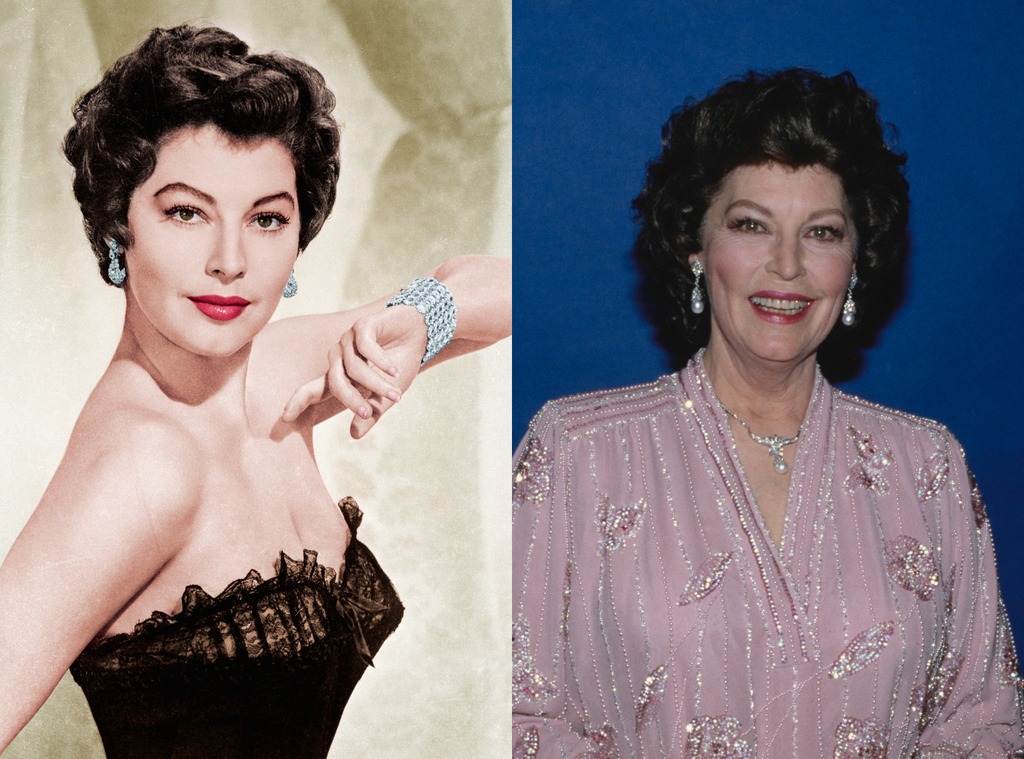
Ava remained firmly in the showbiz spotlight
Ava Gardner
Rising from humble beginnings in North Carolina, Ava Gardner’s smouldering beauty made her a shoo-in to be a femme fatale of Hollywood’s Golden Age. From noir film The Killers (1946) to dramas like The Barefoot Contessa (1954), Ava brought the classic archetype to different genres and became one of the quintessential screen sirens. Off screen, her high-profile marriages to Mickey Rooney, Artie Shaw, and Frank Sinatra fuelled her legendary status and intrigue.
While some Old Hollywood starlets found themselves sidelined from the industry as they grew older, Ava managed to remain in the Hollywood spotlight for nearly her entire life. Her last credited role was in the TV movie Maggie (1986), which occurred the same year she suffered a stroke. The film luminary passed away in London four years later at age 67, and a blue plaque was erected at her residence in Knightsbridge to commemorate her legacy.