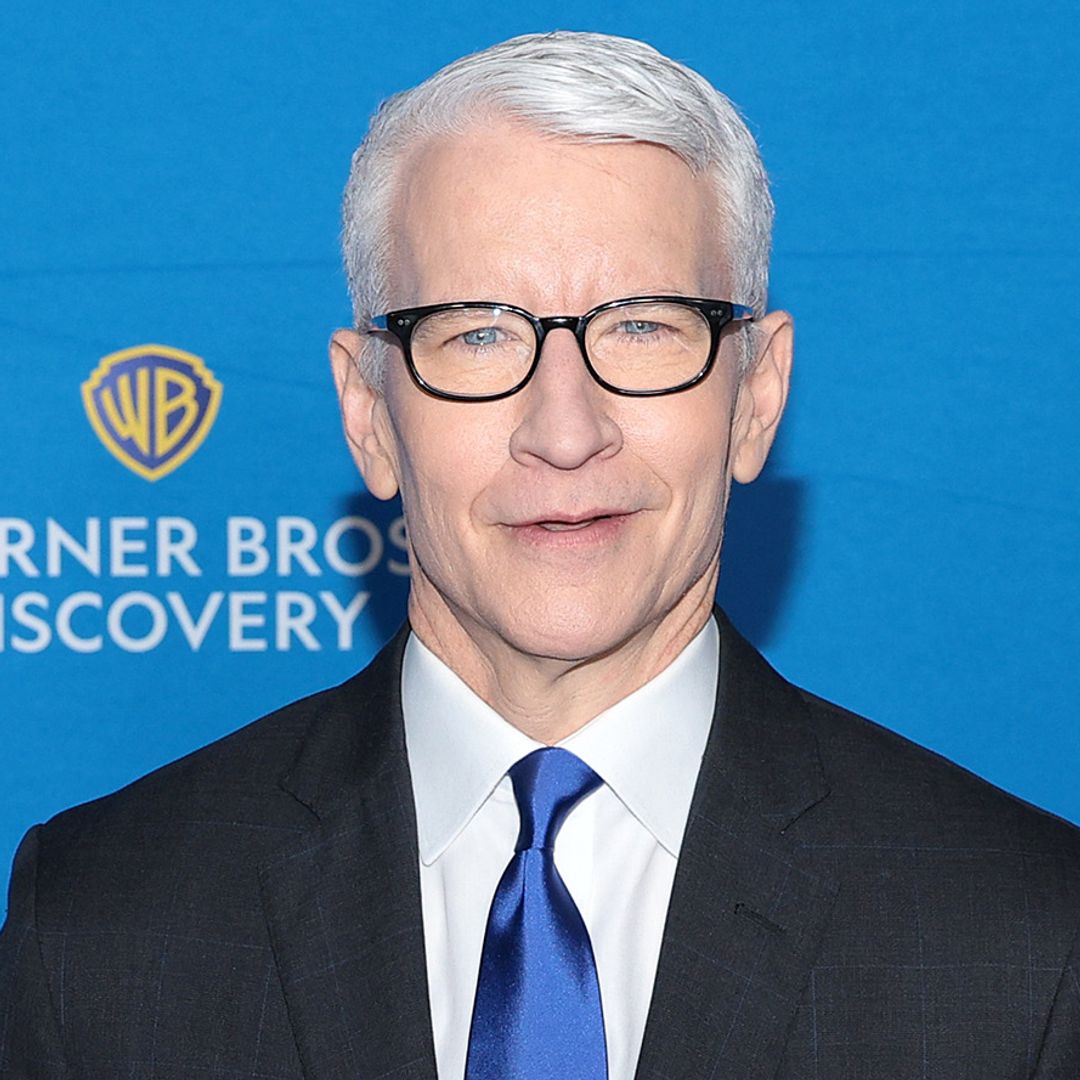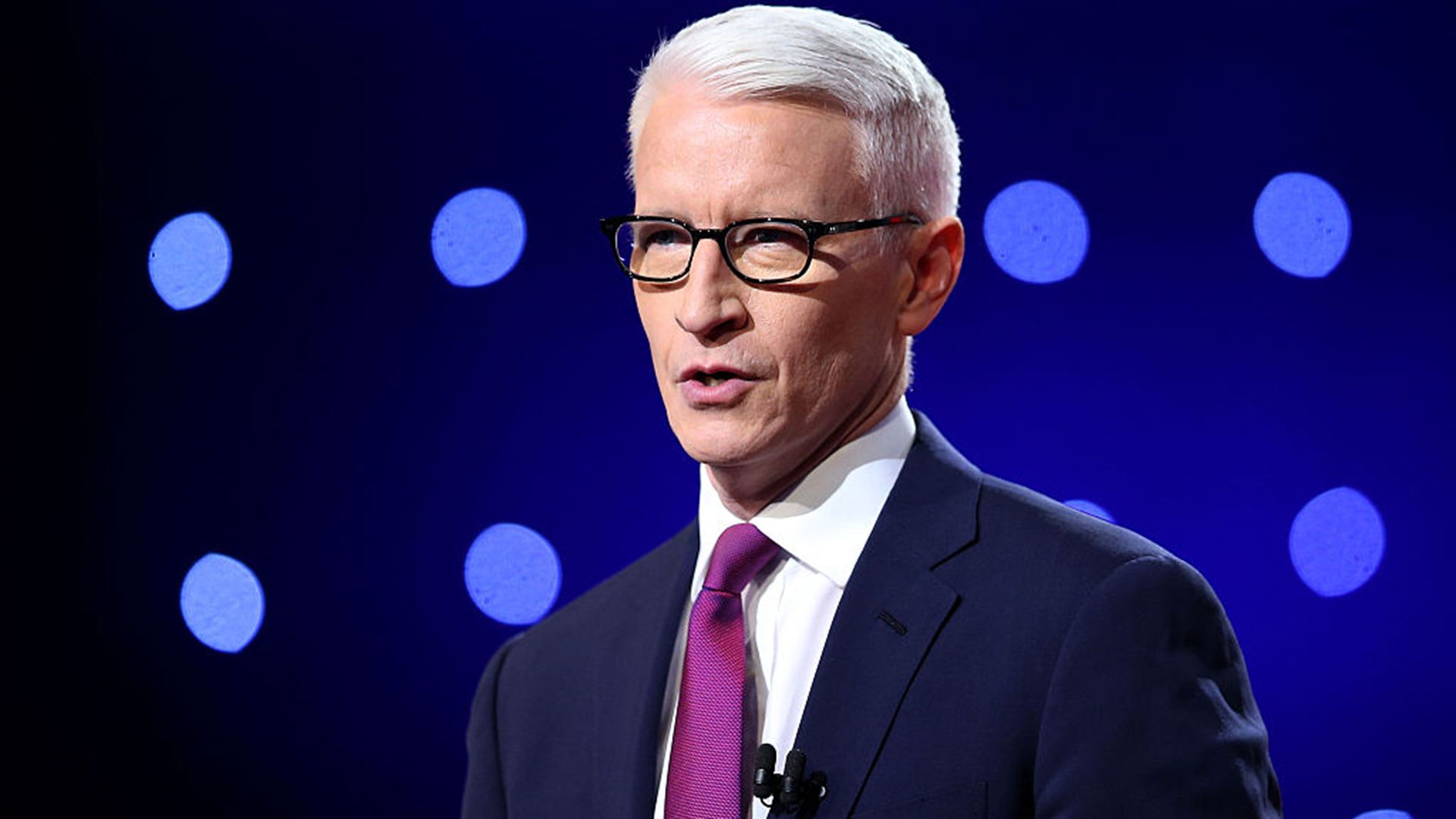

Anderson Cooper is staying with CNN, at least for the foreseeable future!
Per Variety, the popular news anchor, 58, recently signed a new deal with Warner Bros. Discover, CNN's parent company, to remain with the network, although CNN and Anderson himself haven't commented on the matter.
 © Getty Images
The news comes as a surprise not just due to a push for more digitized and streaming content as linear news production takes more of a backseat in the new year, but also amid recent shake-ups in the broadcast news world.
When it comes to CNN itself, anchor Jim Acosta started off the year by announcing his decision to leave, plus Amara Walker soon after. Donald Trump and other government officials have also exhibited some hostility toward broadcast networks in recent months, especially with another show that Anderson works with, CBS' 60 Minutes.
 © Getty Images
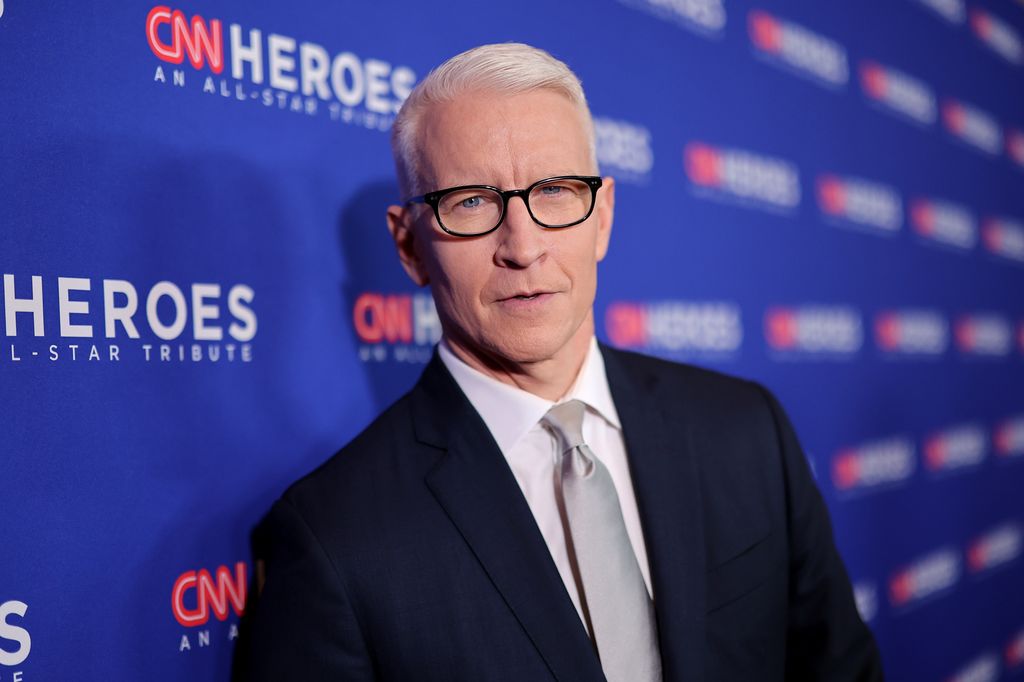
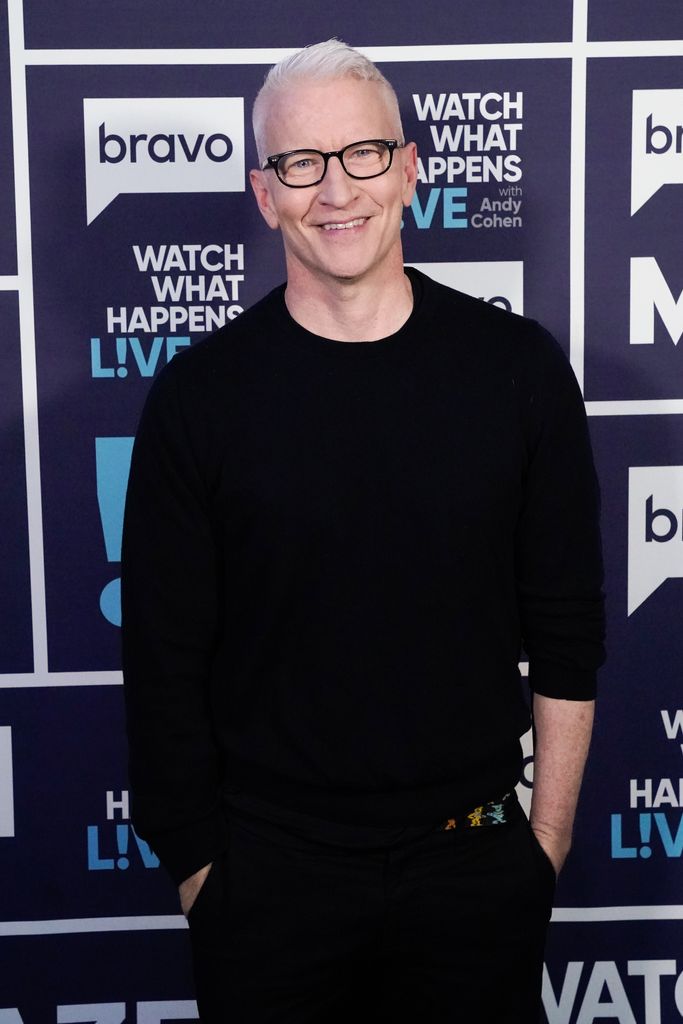
The veteran anchor, however, remains a popular figure with audiences even with reducing primetime viewership (reportedly having dropped as much as 42% in the third quarter, per Nielsen), thanks to his show Anderson Cooper 360°, his regular election night coverage, his New Year's coverage (coming soon, check out his dynamic with his usual co-host Andy Cohen in the video below...), and his podcasts The Whole Story and All There Is.
The latter is a podcast that explores Anderson's grief through conversations with others, famous or not, about their own grief, how they deal with their emotions, and finding solace. The anchor lost his father, Wyatt Cooper, when he was just 10 years old, and his older brother Carter committed suicide when Anderson was 21.
Speaking with Next Avenue, the father-of-two commented on having conversations about grief and tragedy on the air as a host for CNN and CBS while balancing it with personal conversations on his podcast and off-screen. "I know what it's like to have cameras pointed at you when the worst thing in your life has happened."
 © Getty Images
He recalled: "My brother jumped off a balcony in front of my mom, which was a very public suicide in New York in the hot summer of July 1988. It was on the front page of The New York Post for days, and reporters were camped outside my mom's house. I had cameras pointed at me when I was going to see my brother's body at the funeral home, at his wake."
"I know what that feels like, and it doesn't feel good," Anderson continued. "I never wanted to ask somebody that question: 'Well, how does it feel when your child's just been killed in this school shooting?' I mean, that's a question that should never be asked."
 © Getty Images
He explained that the purpose for his interviews isn't to garner an "emotional response," but rather to "listen and learn," plus finding connection through their shared experiences.
"To me, the only thing that has helped me is learning from other people who are experiencing, have experienced and continue to experience loss and grief."