
Are you ready to see Frances "Baby" Houseman again?
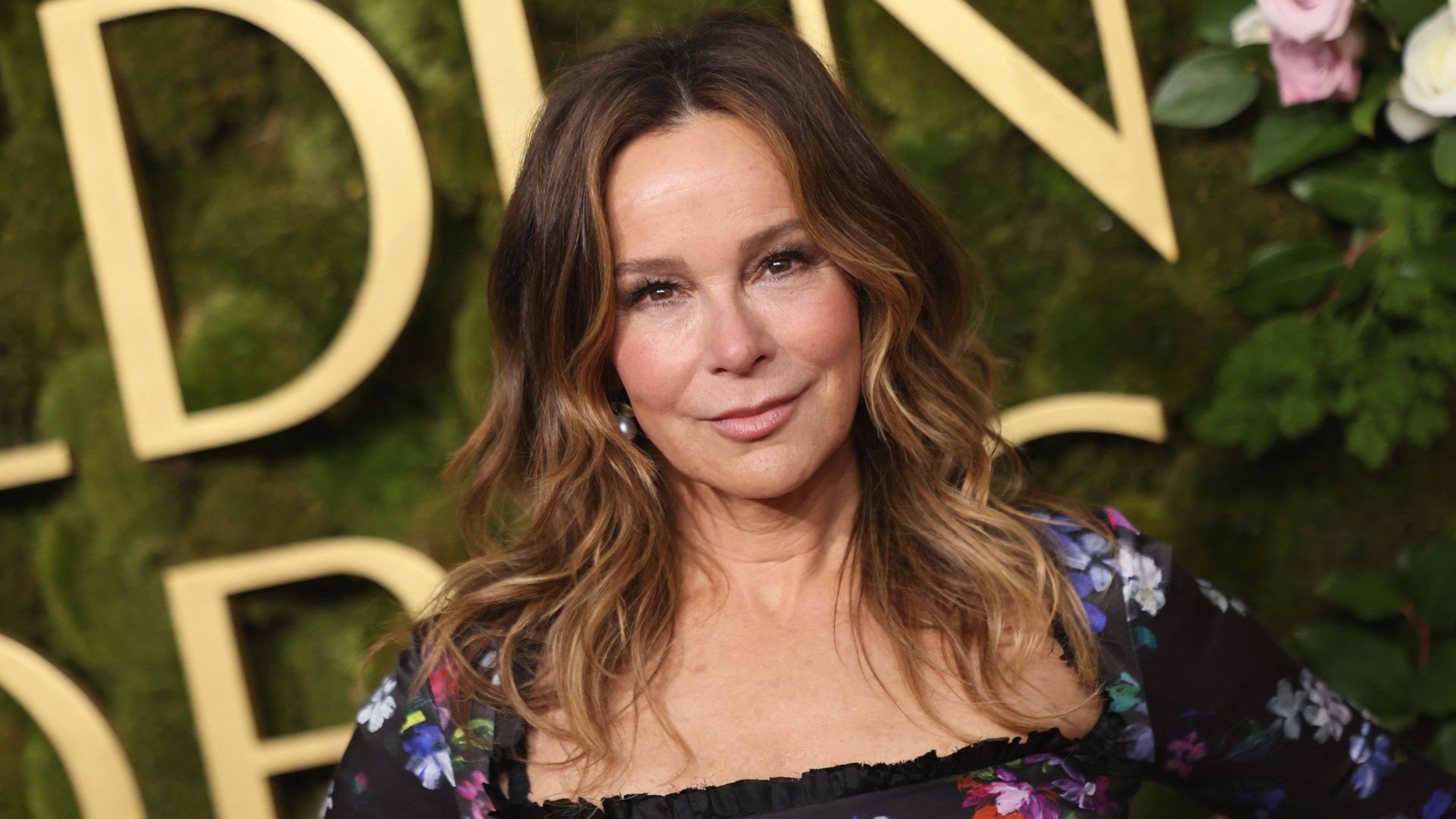
In time for the 40th anniversary of the legendary Dirty Dancing, its lead star Jennifer Grey has finally signed on to film a sequel, with production expected to start later this year.
The original movie, which grossed over $214 million worldwide, first premiered on August 21, 1987, and starred the late Patrick Swayze, who passed away aged 57 in 2009, as well as Kelly Bishop and Jerry Orbach, who passed away aged 69 in 2004.
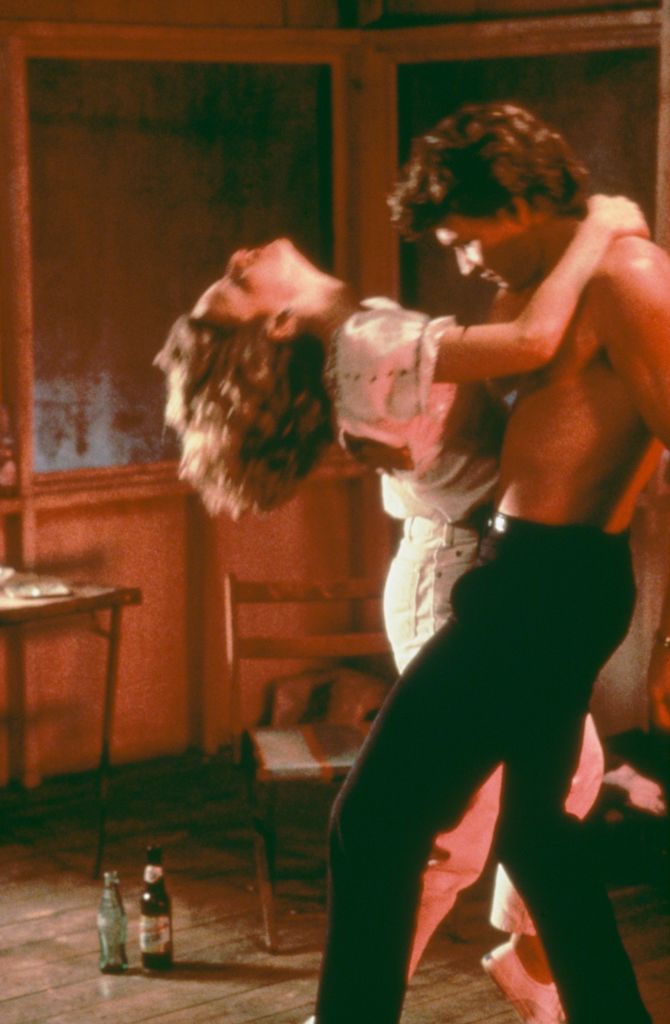 © Getty Images
Lionsgate confirmed news of the sequel on Tuesday, January 27, revealing Hunger Games and Crazy Rich Asians producers Nina Jacobson and Brad Simpson are at the helm, with Dying for Sex screenwriter Kim Rosenstock set to write the film.
"The role of Baby has held a very deep and meaningful place in my heart, as it has in the hearts of so many fans over the years," Jennifer said in a statement.
"I've long wondered where we might find Baby years later and what her life might be like," she added, teasing a possible theme for the sequel: "It's taken time to assemble the kind of people that I felt could be entrusted to build on the legacy of the original film," she then explained.
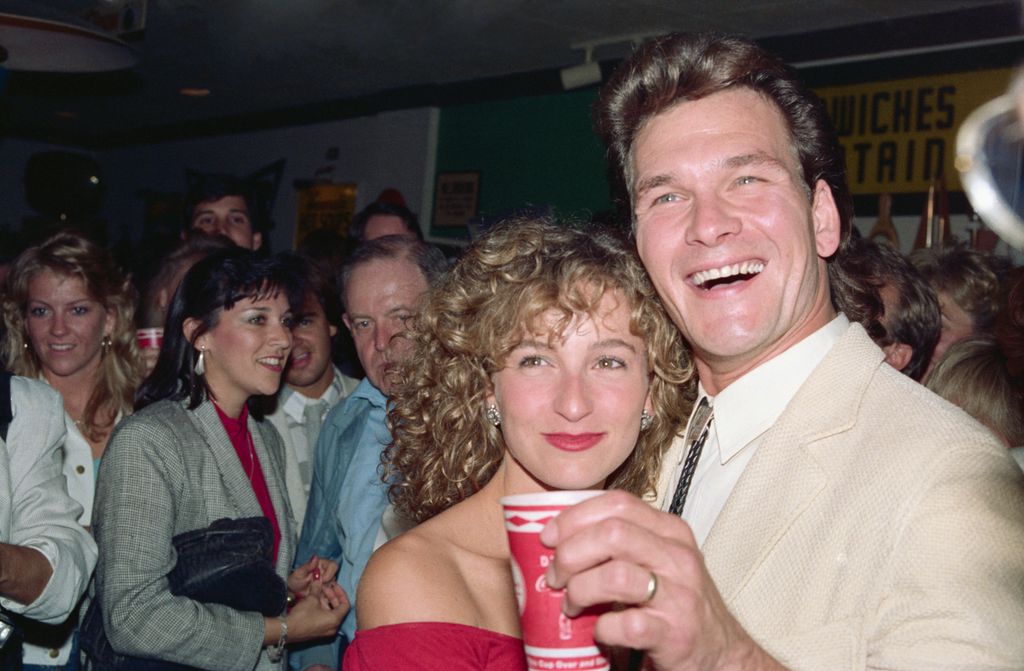 © Getty Images
"I'm excited to say that it looks like the wait will soon be over," she emphasized.
Nina, who is producing the film alongside Brad, shared how Dirty Dancing is "that rare film that is as emotional, exhilarating and rebellious today as it was the year it was released."
"To be able to work with Jennifer Grey and Lionsgate on the sequel is a genuine joy for Brad and me. We feel so fortunate to have been invited back to Kellerman’s for one more dance," she added.
Jennifer has also signed on as an executive producer. She has for several years publicly expressed her hopes of continuing the Dirty Dancing story with a sequel, however in 2020, when she first teased the project was in the works, she maintained it would not be the same without Patrick.
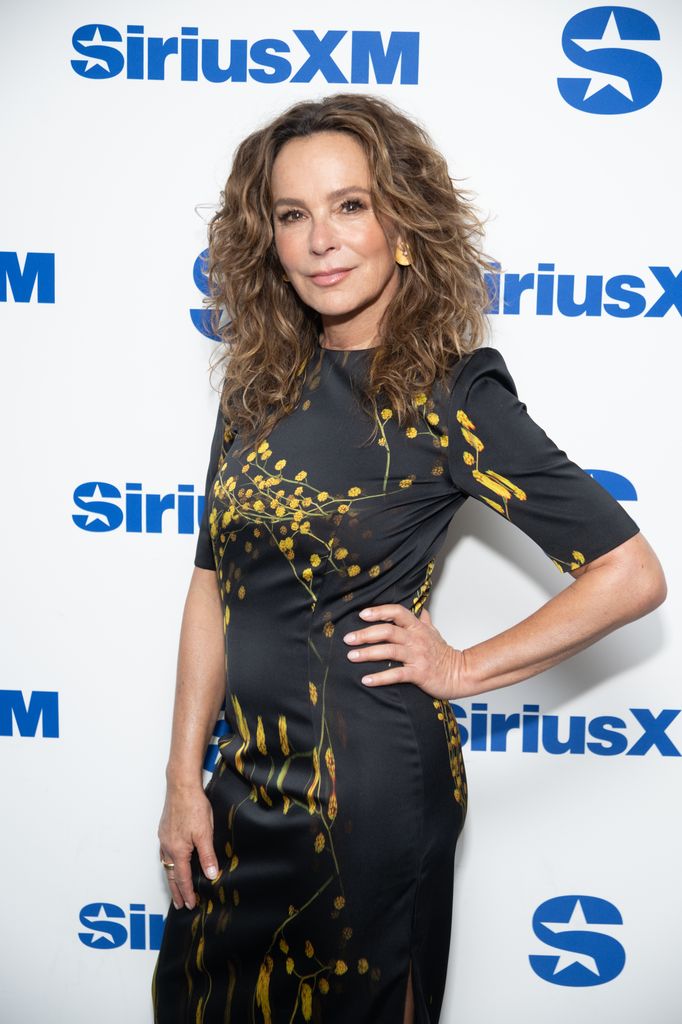 © Noam Galai
"All I can say is there is no replacing anyone who's passed — you never try to repeat anything that's magic like that," she told People at the time, adding: "You just go for something different."
Also reflecting about the film's enduring popularity, she noted that "its appeal was that it was very genuine and simple," and that: "It was about innocence and the way that innocence is lost and how people explode into a different iteration of themselves."