

For even the most seasoned sportspeople, motivating yourself to work out when a heatwave hits can be incredibly difficult.
As someone who's in my final week of the 'Couch to 5K' training scheme, I wouldn't exactly call myself an experienced runner, and approaching the most difficult stages of the plan in the middle of a heatwave hasn't been easy.
 © Getty Images
However, with a couple of changes to my running attire, my preparation and my time management, I've managed to make the whole process a lot more manageable.
Here are the ways that I've adjusted my training plan for a heatwave, which might come especially handy if you're a newer runner like myself.
Change the time you train
It's a simple change, but even shifting your routine around the times when it isn't going to be as hot can make such a difference. And the running experts agree.
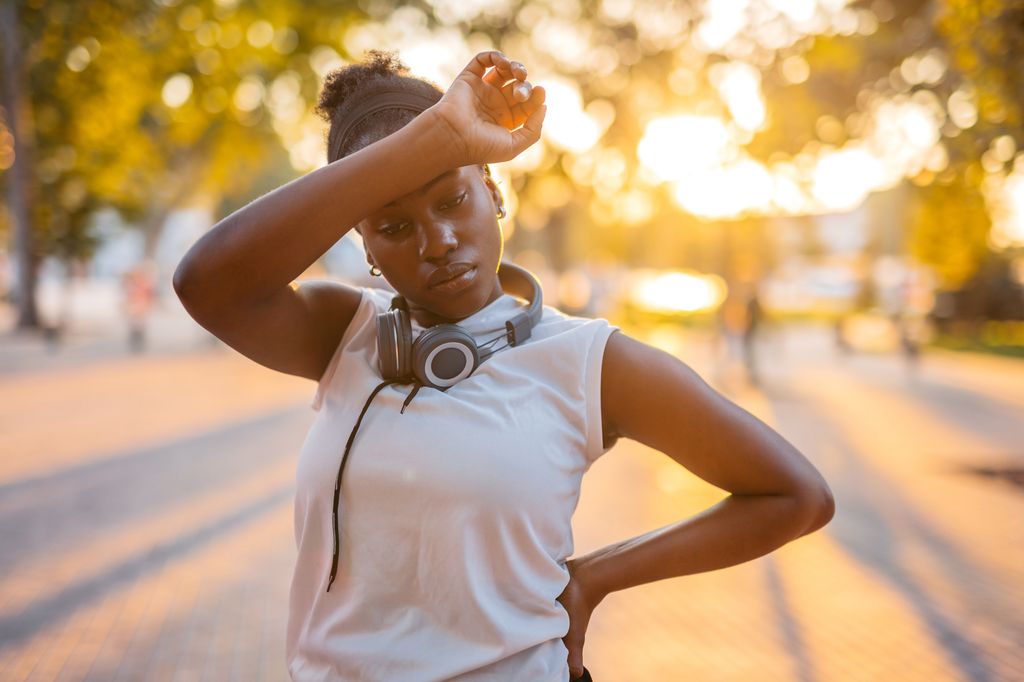
Abbie Watkins, personal trainer at OriGym, says it will "make the conditions more manageable" if you run at a time with "cooler temperatures, lower sun exposure and potentially more wind".
 © Getty Images
"Just like you wouldn’t sunbathe during the hottest part of the day," she adds, "you shouldn’t train and push your body physically either. Generally, between 10 am and 4 pm, the temperature, UV rays, and humidity are at their peak.
"This means that dehydration, sunburn, and heat exhaustion are all going to be more common at this time."
I've started running earlier in the morning, before it gets too hot, at around 7 am, or a couple of hours after dinner in the late evening – whichever time the forecast tells me will be cooler!
Moisture-wicking clothing is more vital than ever
If you've been running for a while, you've definitely prepared for this, but in a heatwave, it's more essential than ever to wear the right gear for your run.
 © Getty Images
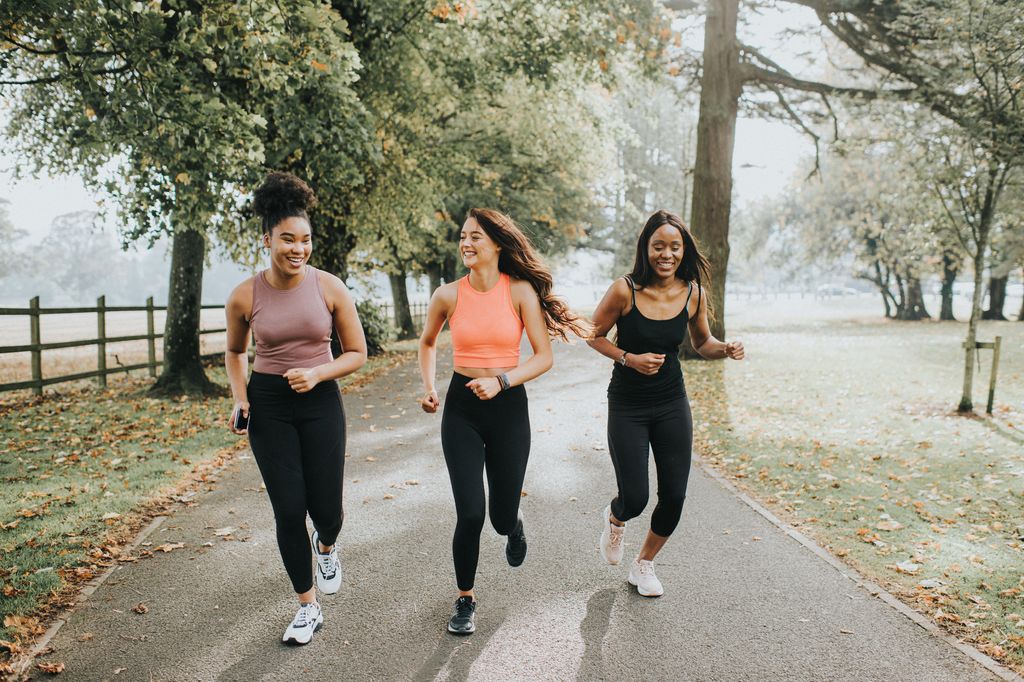
Clothing made from materials such as nylon, polyester, merino wool and bamboo is a lot more sweat-wicking and breathable compared to cotton, which can trap moisture close to your skin, leaving you feeling damp and hot.
It sounds simple, but I found that running in my old, raggedy cotton T-shirts on their last legs was not a good way to send them off, as I'd always come back from a run feeling heavy and drenched in sweat.
Give your body the time to acclimatise
Trying to carry on your routine with the same intensity in the midst of a heatwave will just leave you feeling more exhausted.

Abbie says: "Your body will be used to the weather you have at home, so whether it’s a random heatwave or going abroad that’s causing you to train in higher heat, the reason it becomes more difficult is that your body is not used to it."
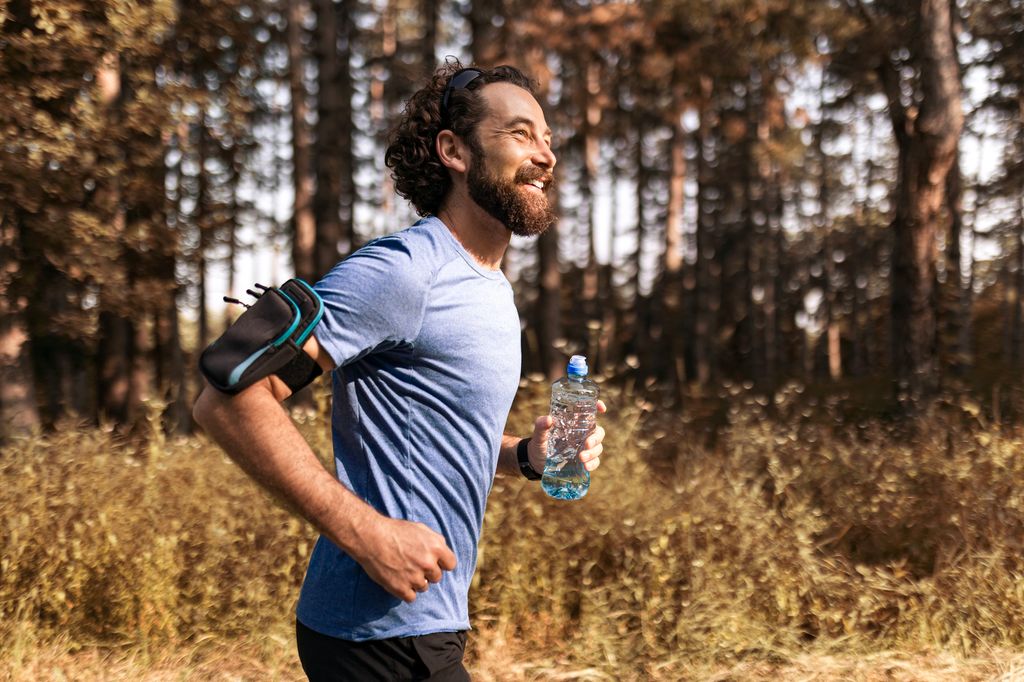
The personal trainer also suggests reducing the intensity and volume of your workouts, as this can "help decrease performance dips and reduce the risks of premature fatigue and heat-related illnesses".
 © Getty Images
I found that going for long walks, or much slower runs, when the temperature drastically changes, was a good way to keep active and motivated in the heat without pushing my body to its limits.
Above all, the personal trainer stresses the importance of hydration, both before and after your workout, which will reduce your chance of cramping hugely.