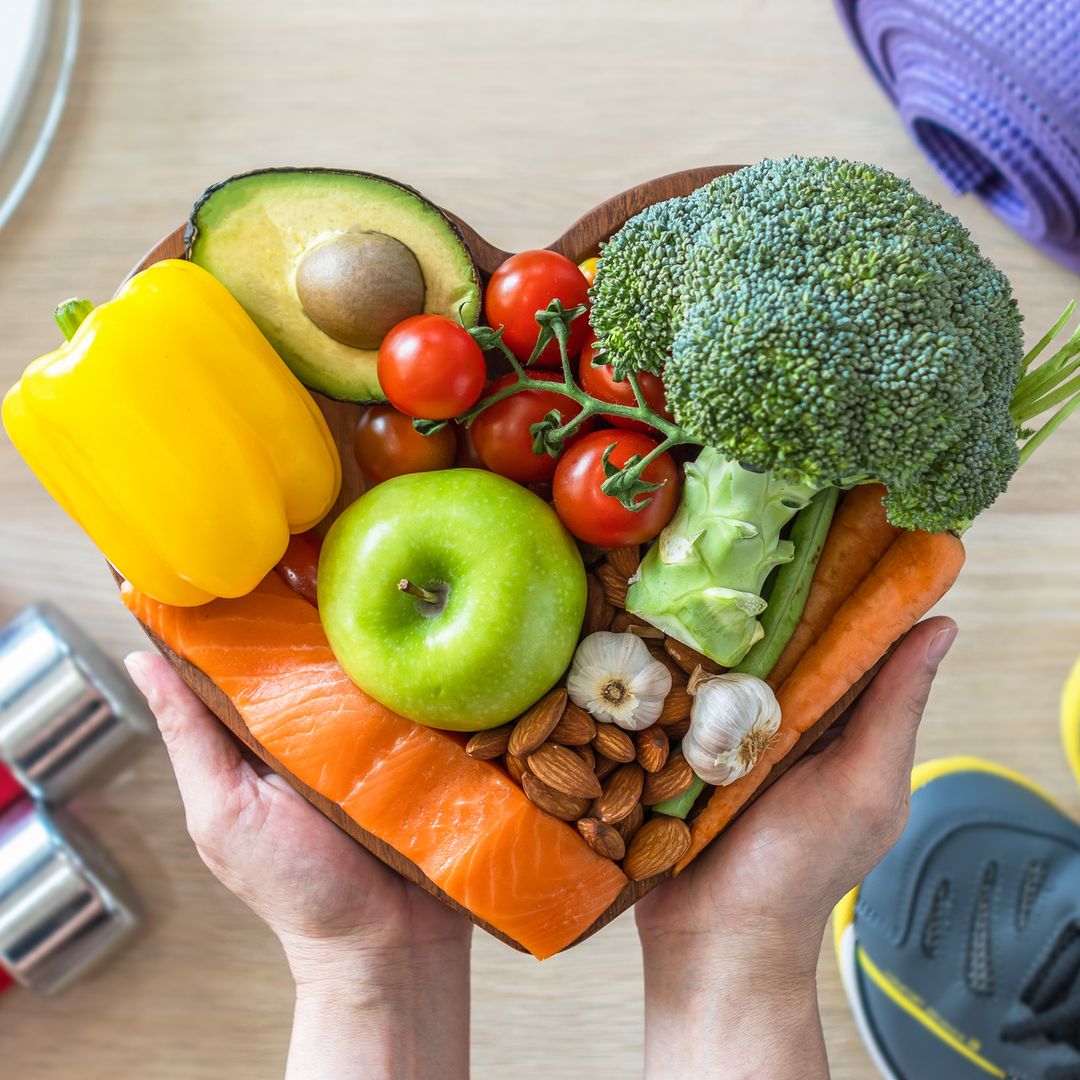

Flying abroad for a summer holiday is my idea of a good time, but being on the plane itself has many drawbacks that I'd rather avoid.
One of which is how flying makes me feel bloated and sluggish. It's for this reason that I tend to avoid plane food. However, if skipping a meal is not your preference, there are ways to mitigate the dreaded post-flight bloat.
According to Kyle Crowley, a nutritionist and Chief Product Officer at Protein Works, and Hip Pop, a gut-friendly food and drinks company, avoiding certain foods while flying is going to ensure your symptoms are reduced.
They also shared which foods and drinks we should be eating instead.
Click through the gallery to find out…
 © Getty Images
Why we bloat on a plane
Firstly, it's crucial to understand why we bloat when we fly. According to Kyle, it's a "perfect storm" of dehydration, inactivity and gas expansion.
"Bloating during air travel is a common complaint, and it's largely due to changes in air pressure. When you're flying, the air pressure is lower than what we're used to on the ground, and that change has a direct effect on the gases in your body.
Any air trapped in your digestive system will naturally expand in response to this cabin pressure drop. Just like a balloon inflates. This can stretch the gut and lead to bloating, tightness, or cramping, especially in people with more sensitive digestion or conditions like IBS.
"The cabin environment is also extremely dry, which increases your risk of dehydration.
"Dehydration can slow down digestion and contribute to sluggish bowels, both of which can leave you feeling more bloated.
"Let's not forget about prolonged sitting, which further reduces gut motility and blood flow to the digestive organs."
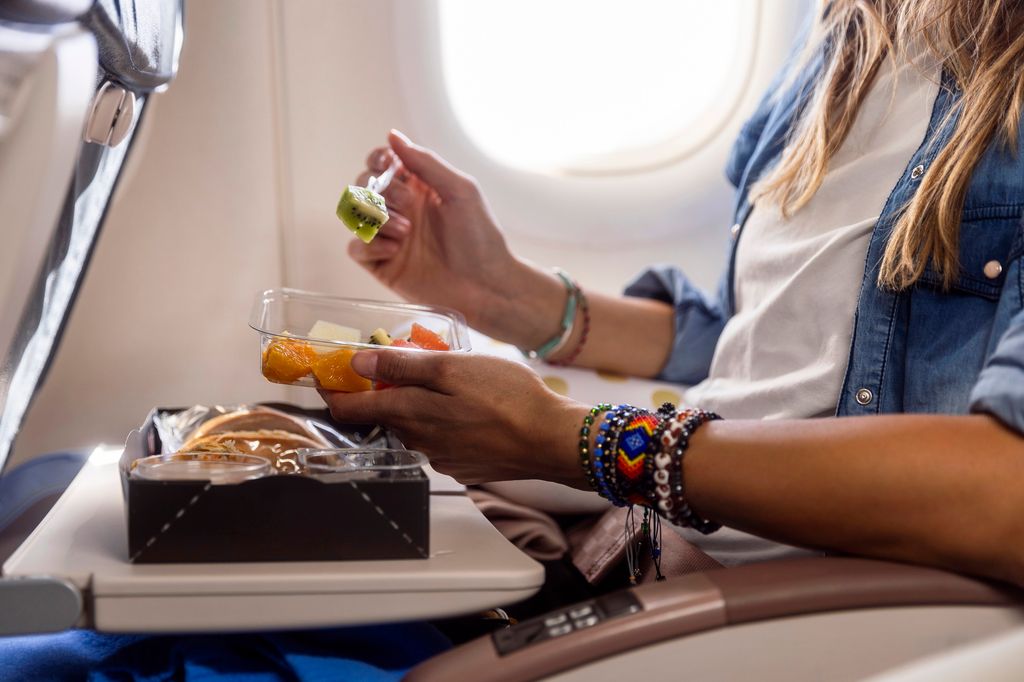 © Getty Images
What to eat before you fly: Water-rich fruits and vegetables
Kyle says that having water-rich fruits and vegetables in your food plan will help.
"Refreshing and water-rich foods such as watermelon, cucumber, and celery are a must in summer months. They're packed with water to keep you hydrated and, in turn, bloat-free.
"Consuming foods rich in water content can help maintain hydration levels and fulfil your daily fluid requirements. This can prevent water retention and relieve bloating associated with dehydration."
 © Getty Images
Probiotic-rich foods and drinks
Kyle says the same goes for probiotic-rich foods and drinks. "Yoghurt and kefir are a spa day for your gut, packed full of probiotic benefits. These fermented goodies help to balance your gut flora and keep bloating at bay.
"Even drinks like kombucha, fermented tea with natural probiotics. can help prep your system ahead of a flight, especially when taken regularly as part of a balanced diet."
 © Photo: iStock
Ginger and peppermint
Fancy a cuppa on board? Opt for a herbal rather than your regular brew and you'll thank yourself, according to Kyle.
"Ginger and peppermint are the dynamic duo for digestion. Each of these natural ingredients is beneficial on its own, but together they create a powerful debloating and detoxifying combination.
"Peppermint tea is a popular herbal remedy for various digestive issues, while ginger can reduce fermentation and other causes of bloating and intestinal gas. Enjoy the best of both worlds in one drink!"
 © Getty Images
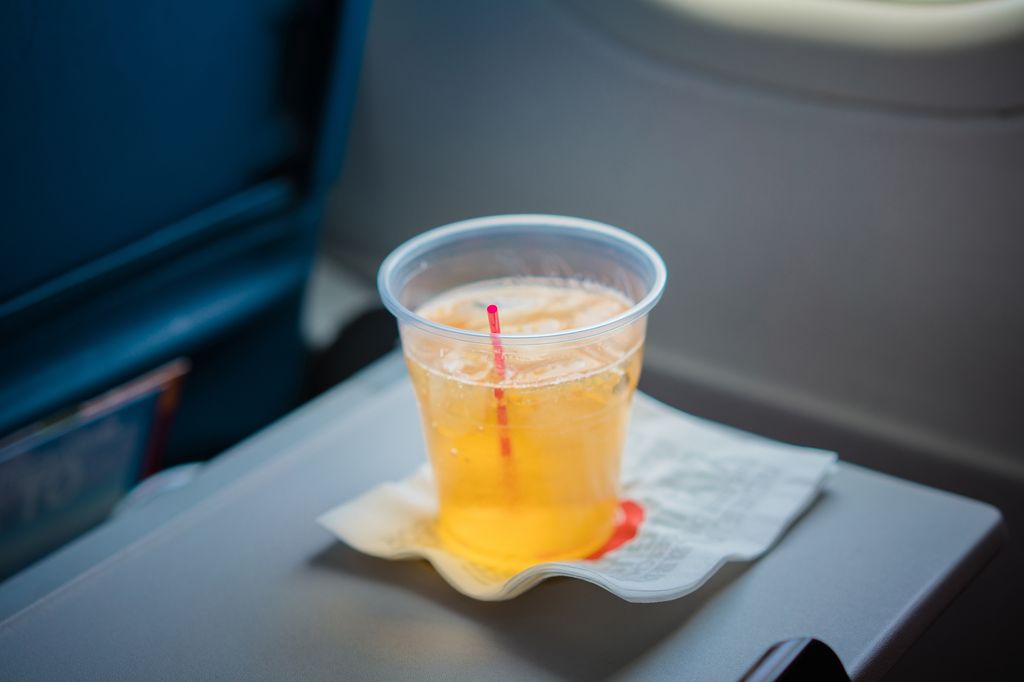
Travel bloat triggers to avoid: Alcoholic beverages
We all love a tipple on a flight to kick off the holiday, but it's likely what's causing the bloating. If you're willing to deal with the bloat rather than sacrificing a glass of champers, who are we to judge?
But if you're desperate to swerve the bloat, then swerving the booze is the first point of call.
"Alcohol is one of the main drinks to be mindful of when flying, especially if you're prone to bloating," says Kyle.
"Not only is it inflammatory and irritating to the gut lining, but it also dehydrates you, which is something that's already a risk in the dry cabin air."
 © Getty Images
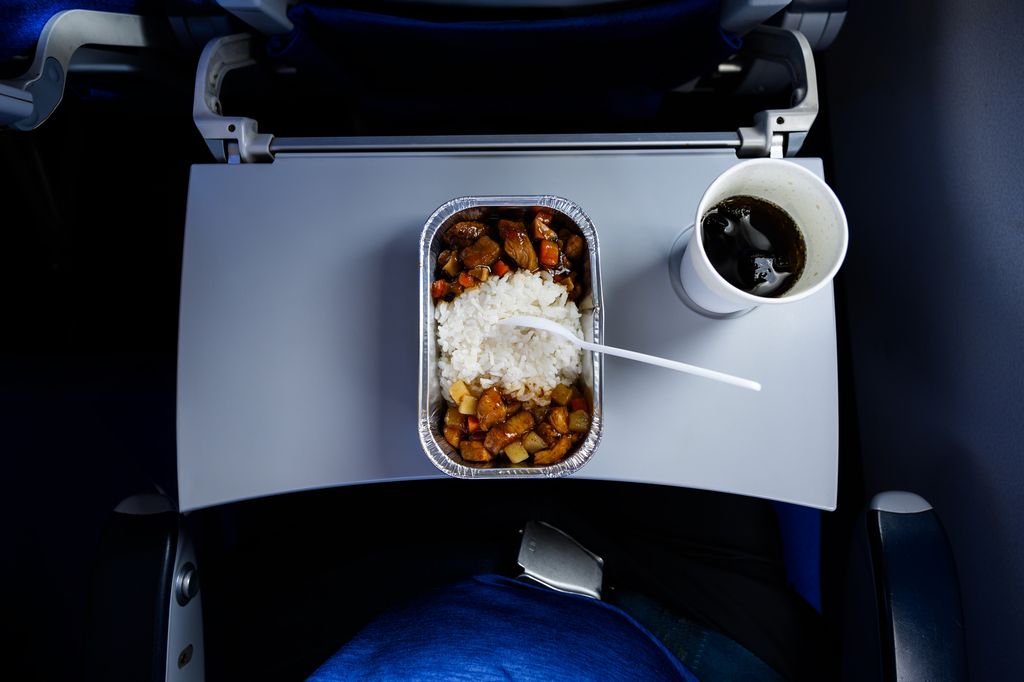
Processed foods
It might be a large umbrella term, but being mindful of proceeds, particularly ultra-processed, can make all the difference.
"Ultra-processed foods are often packed full of salt, a mineral that, when consumed in excess, can make the body retain water, making you feel more bloated.
"Sugary foods and snacks such as sweets and chocolate can break down in your body to further cause gas."
 © Getty Images
Dairy products
While fermented foods like yoghurt and kefir are great for our gut, other dairy products might be a bad choice.
This is because, even on the ground, many people find it difficult to digest dairy products (same).
"Despite being a nutritious source of both protein and calcium, many people find it difficult to digest dairy. About sixty-eight per cent of people worldwide are lactose intolerant, meaning they can't digest lactose - the sugar in milk, leading to bloating.
"Opt for lactose-free alternatives if dairy gives you trouble."