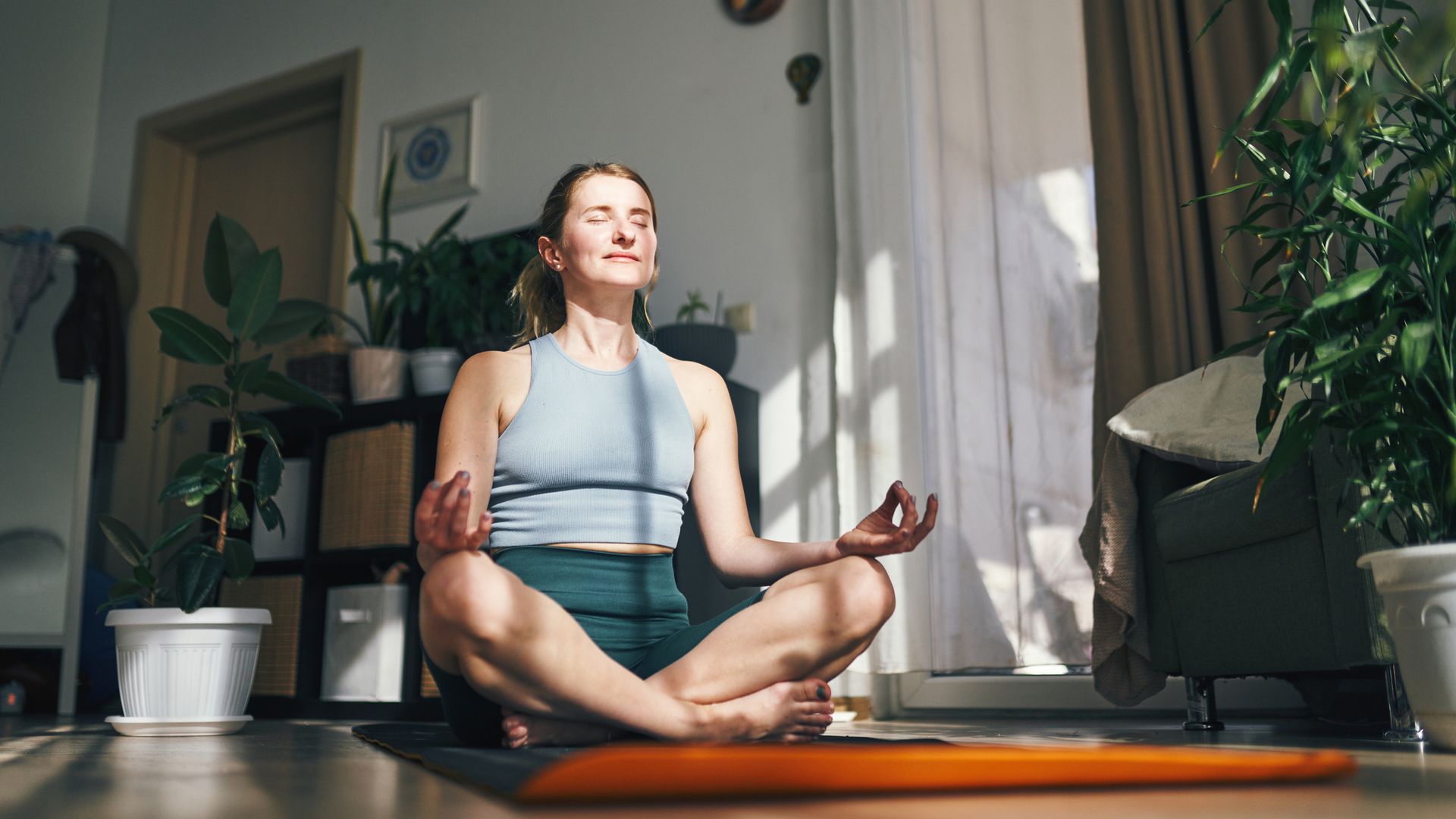
A show of hands, please: who has ever tried, or vowed to try, meditation and sufficiently given up almost immediately? You're not alone. There have been plenty of times where I've felt overwhelmed, stressed and anxious and told myself to give meditation a go, only to feel like I was "doing it wrong" and stopping pretty quickly. Those who have managed the art of meditation, or indeed perform guided sessions, agree that it's tricky for beginners to nail down, but once people find their groove, it has an abundance of benefits for our mental health and overall well-being.
If you're determined to weave meditation into your life more, here is our guide of tips and hints from experts, life coaches, and breath therapists to get started, and the reasons why it's so crucial for lowering stress and improving our focus. Not only that, but we also break down why so many often find it difficult to meditate.
Benefits of meditation
Self-Discovery and Empowerment Coach Aura E. Martinez explains that meditation is like hitting reset for your mind. With everyday lives feeling busier by the minute, thanks to juggling school runs, busy jobs and an overall decreased work-life balance, stress has become a common occurrence for many of us, meaning a 'reset' could be what most of us need.
"Meditation is so beneficial because it trains your mind to slow down and notice what is going on inside you. For my clients, I've seen it reduce their anxiety, improve their sleep, and even help them respond more thoughtfully in challenging situations."
Nakita Devi, a Certified Breath Therapist and Somatic Meditation Teacher at Limitless Living, agrees. "Meditation has been a practice for cultures and people all over the world for centuries due to its holistic benefits," she says. "Physically, it has been proven to reduce stress and inflammation. It also promotes better sleep, focus, memory, immune function, and heart health. In other areas of the body, meditation has been shown to support the nervous system and emotional regulation, as well as increasing awareness, compassion, resilience and presence."
Why is it so difficult to meditate?
Now that we know the benefits of mediation expand mental, emotional and physical health, it's important to understand why it's often difficult to undertake, especially for those who are inexperienced. Kate McCauley, CEO at Danu, Founder of The Champion Within, who coaches meditation to clients in the academic, athletic and corporate spaces, notes that most people find it difficult to meditate at first because they don't truly know what it is.
"Most people think meditation means they have to 'stop thinking', but that's impossible. Your brain will wander, and that's completely normal. Meditation is about noticing when it drifts and gently bringing it back without judgment. Easier said than done, but over time, you get better. It is a practice. This is why you hear people say, 'I practice meditation.' Meditation is like strength training for your brain. Over time, it literally rewires your brain to be calmer, clearer, and more present. But, just like working out your body at the gym, it takes time to see results."
Do we have to meditate every day?
Experts agree that there is an element of personal choice when it comes to answering this question. The short answer is 'no', but most who coach meditation and are aware of the benefits of meditation would recommend everyday practice, as even just a few minutes can have hugely positive effects. Nakita explains: "For beginners, practising every day may be tricky, so we recommend meditating whenever possible; this may be a set time and place, e.g. on a mat first thing in the morning, or it may be whilst commuting or doing another task like exercising or showering. Most importantly, building a habit of non-attachment to your practice and its outcomes is what can create the greatest benefits."
The 9 steps to beginning meditation...