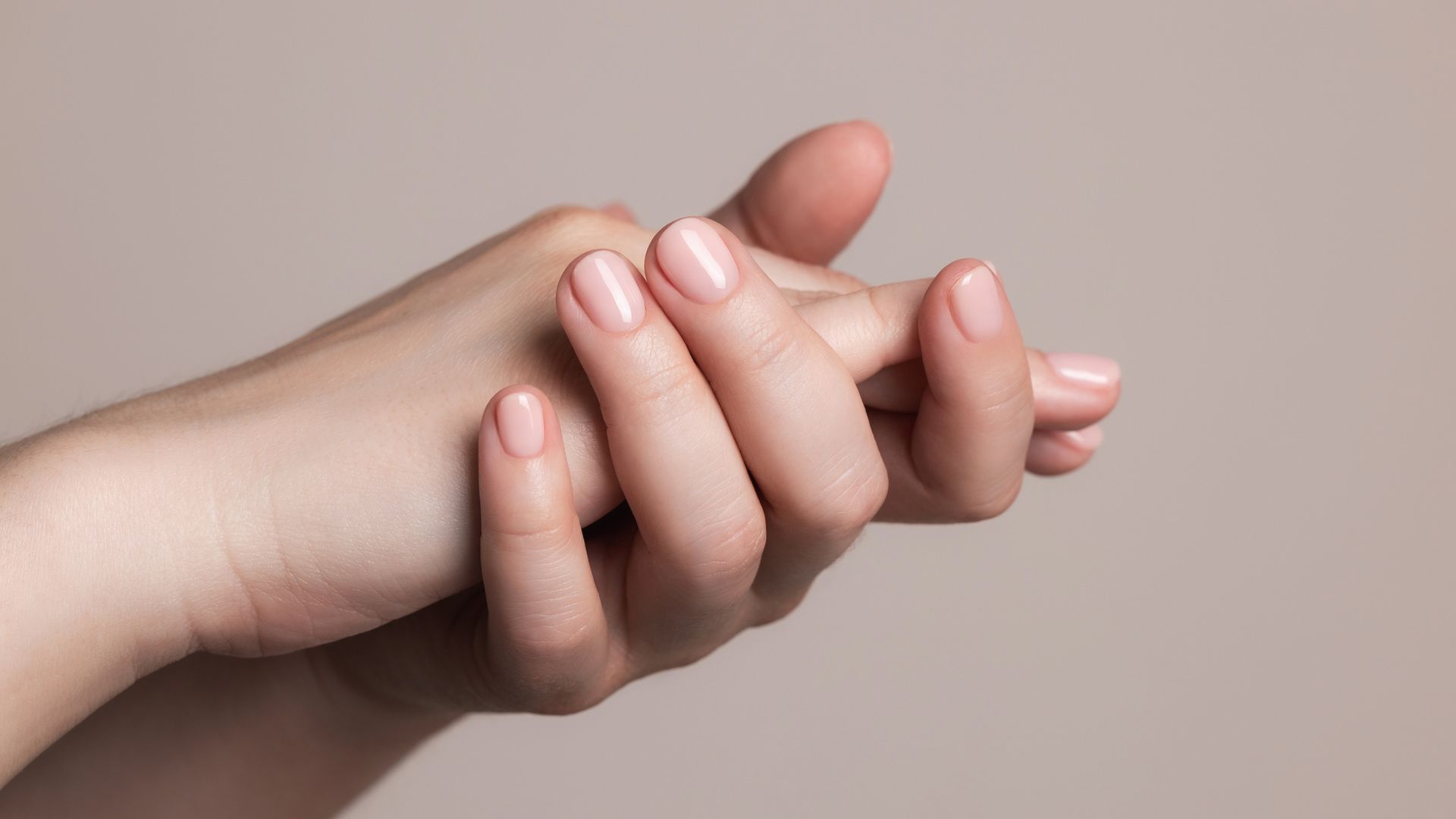

Breaking a nail might sound like a first-world problem but keeping our nails healthy and strong is more important than many might think. Sure, when our nails look their best, it's aesthetically pleasing and a confidence booster; however, keeping our nails in the best condition also protects our fingers from injury and infection while ensuring adequate hygiene. Our nails are also indicators of underlying health conditions, so the importance of paying them some attention goes beyond vanity and fashion trends.
Dr Maria Knobel, Medical Director of Medical Cert UK, spoke to HELLO! about how we can keep our natural nails in tip-top condition. From what we should be eating to boost strength and hydration, to busting myths about the cuticles, Maria has all the information you need to know about our nail health.
How to strengthen natural nails for a flawless finish
Maria explains that, like hair, the main protein in nails is keratin, so to ensure the health of our nails, we need to consider how to boost our keratin levels. "Keratin is produced in the nail matrix, and its structure depends on amino acids, iron, zinc and biotin. If there is a deficiency of any of those substances, keratin cells will be weaker and will create thinner, brittle or ridged nails," she told HELLO!.
There are plenty of keratin supplements on the market that aim to provide a healthy dose of keratin and biotin to promote the growth and strength of hair and nails. However, if supplements aren't your bag, Maria states we can boost keratin with our diet. "To make sure you get enough amino acids, iron, zinc and biotin, you need to be eating foods such as eggs, beans, leafy greens, nuts, and oily fish. All of these support keratin production and improve nail strength. Omega-3 fatty acids have also been shown to help maintain the lipid barrier that binds the keratin layers together so that they are less prone to splitting."
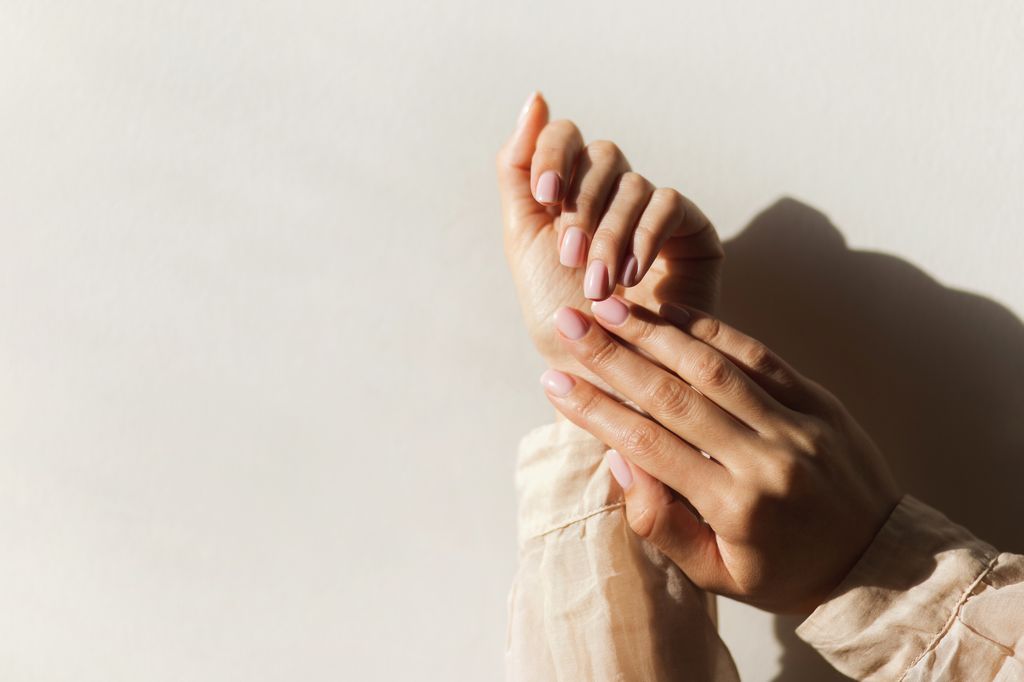
In addition to our diet, there are everyday practical methods to ensure our nails are strong and protected against breakage, infection and damage. The American Academy of Dermatology (AAD) notes that keeping nails away from water (as much as possible) will promote strength. "Too much water exposure can weaken your nails, causing them to split, peel, or break. To prevent this, wear gloves when cleaning or washing dishes, and make sure to moisturise after hand washing."
Not only that, but moisture is bad news for potential infection. They write: "Bacteria and fungi thrive in a moist environment. By maintaining clean, dry nails, you prevent bacteria from growing underneath your nails."
 © Getty Images
The truth about 'protective' cuticles
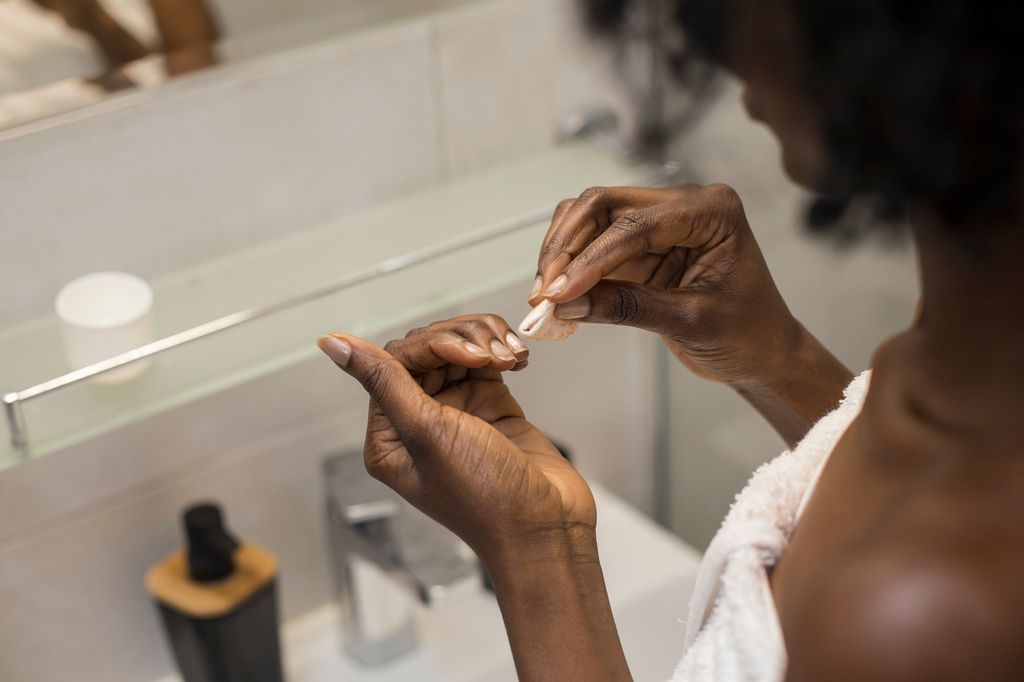
If you've ever had your nails done professionally, you might be aware that many perform cuticle treatment to either remove the skin or push it back gently to achieve a 'clean' look. However, the cuticles are more important than you might realise. Maria tells HELLO!: "The cuticle is a strip of skin at the base of the nail, and it acts as a natural barrier that seals the area between the nail plate and skin."
She adds: "This seal is very important to new nail cell development. If the cuticle is cut away or pushed back too aggressively, that barrier is broken, and if bacteria, fungi or other microorganisms gain access to the nail matrix, where new nail cells are formed, it could lead to infection. Pathogens can now invade the matrix area and lead to infection, like paronychia, which leads to symptoms such as swelling, pain and distorted nail growth."
 © Getty Images
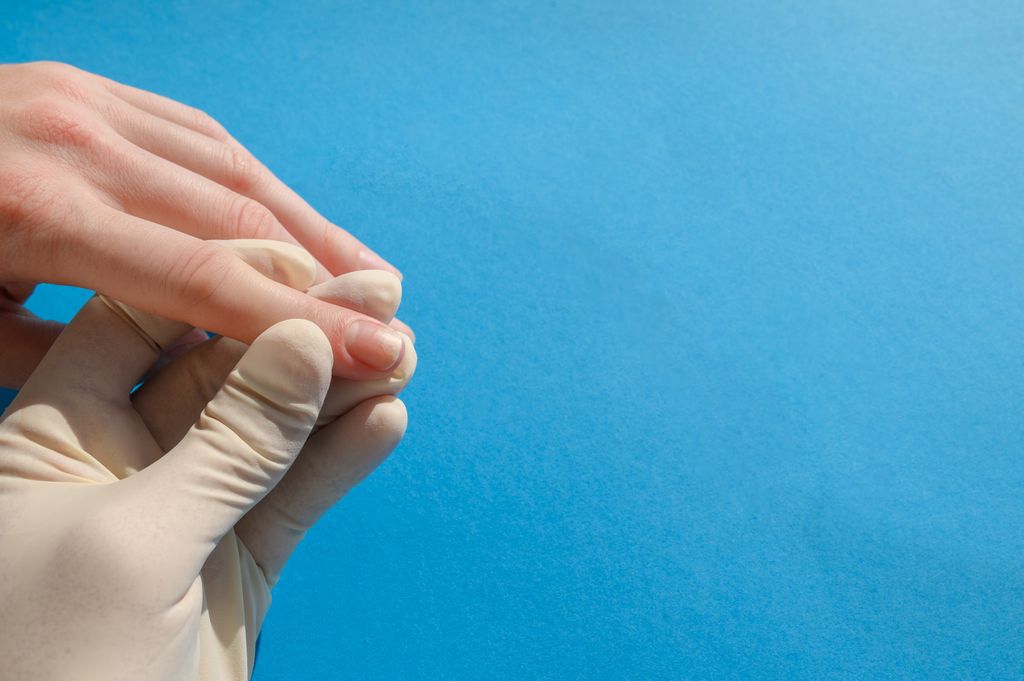
If in doubt, leave the cuticle intact, Maria advises. "Cutting or forcing the cuticle breaks that natural seal. Instead, hydrate it daily with oils such as jojoba or vitamin E oil. The oils penetrate the cuticle and replenish the natural lipids, thereby keeping the tissue soft and preventing tiny cracks from forming. A hydrated cuticle will remain supple and provide a strong barrier, which directly contributes to smooth and healthy nail growth."
 © Shutterstock / Yury Nikolaev
How to protect the toenails
Our hands and fingers naturally encounter surfaces more frequently than our feet, thanks to shoes and socks often acting as physical barriers, so ensuring clean hands and nails is essential to avoid germs and bacteria. But our toenails are also important. The ADD advises that trimming toenails regularly reduces the risk of trauma and injury, thus infection. "When toenails are thick and difficult to cut, soak your feet in warm salt water. Mix one teaspoon of salt per pint of water and soak for 5 to 10 minutes."
They add: "Avoid 'digging out' ingrown toenails, especially if they are infected and sore. If you are suffering from an ingrown toenail, see a dermatologist for treatment. And wear shoes that fit properly, alternating which pair of shoes you wear each day."