For decades, the menopause and perimemopause were shrouded in silence, myths and misinformation, but we're finally realising that this vital stage in our lives deserves to be viewed with transparency, facts and confidence.
Andrea Carucci, an author, nutritionist and naturopath with over 25 years of experience in integrative health, explores this period of change through her writing, aiming to provide us with the keys to navigating it with a focus on well-being, balance and fulfilment.
"My grandmother once told me something I have never forgotten: 'There are no limits. There are only unanswered questions - go and find them.' And so I did," she says. "That phrase taught me that this stage isn't about giving up or settling; it's about rediscovering yourself with a new and deeper perspective...
"Yes, there will be moments of fear and change, but once this stage has passed, many women experience a sense of greater clarity, freedom and fulfilment. That was, without a doubt, the most liberating advice I ever received."
During this midlife journey, she explains, even our oestrogens "change". Oestradiol - the hormone associated with fertility and the constant 'giving' to others - no longer dominates. Instead, oestrone takes centre stage. "This is a form of oestrogen that invites you to look after yourself and turn your gaze inwards."
 © Getty Images
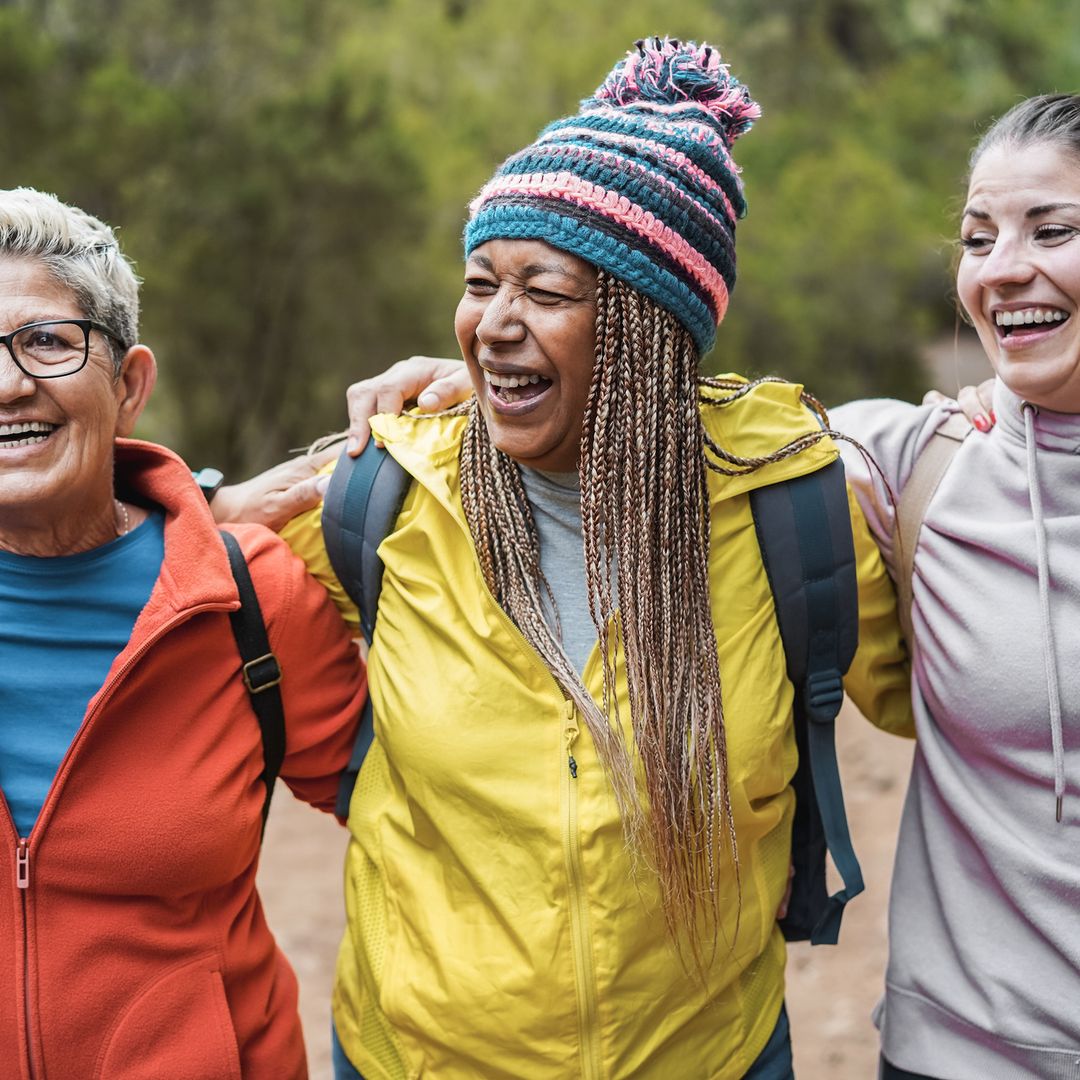
The expert calls this shift "profound". "You move from nourishing the outside world to reclaiming your centre - to listening to yourself and choosing yourself. It is also a time to reconnect with friends, because now more than ever, a community of women enhances your well-being, influences your hormones and reflects your worth."
"We have to talk about the menopause - if we don't, women will continue to believe that suffering is an inevitable part of this transition, when it really doesn't have to be"
Whether you're a younger woman who is worried about menopause, or a mid-lifer in the thick of it, your questions are answered as the expert shares her insights in this informative Q&A.
It finally seems that the conversation around the menopause is opening up, breaking taboos and moving beyond the stigma. There's still plenty of work to do, but why do you think this shift is happening now?
"Because we are finally finding our voice. We needed to speak up about this stage of life and move past the myths we were told for years - for instance, the idea that we peak aged 30. For a long time, we were told that everything after that would be a decline. But that idea no longer represents who we really are.
"We're starting to speak out from a position of science, experience and empathy. And because we're living longer, we are better-informed, more connected and more self-aware. The silent revolution began within our bodies and is now becoming visible in our conversations, our decisions and how we experience this stage of life.
"The most damaging myth of menopause is the idea that it marks the end of everything that matters... We're conditioned to believe that being 30 is the ideal, so turning 40 or 50 feels like a trauma"
"I recently read something that deeply moved me: in some indigenous cultures in Northern Argentina, menopausal symptoms are known as 'the calling of the goddess who is about to manifest.' That perspective changes everything. It reminds us that this stage is not a decline, but an initiation - a doorway to a new purpose.
"In many cultures, reaching the menopause means becoming a 'wise woman.' We've been rejecting that concept without realising that this is exactly where our true power begins: when we stop being what is expected of us and start being who we truly are."
 © insta_photos
Are women now more aware that we reach midlife with greater knowledge and wisdom?
"Not necessarily. While there is certainly better access to information now, there is still, unfortunately, a significant lack of understanding regarding the menopause and perimenopause. When I began researching this topic in depth over five years ago, there was scant research available.
"I will tell you something that still surprises me: the post-menopausal woman remains one of the greatest mysteries to science. It was incredibly difficult for me to find rigorous studies, and many questions still remain unanswered.
"At this stage, oestradiol - the hormone associated with fertility and the constant 'giving' to others - no longer dominates. Instead, oestrone takes centre stage. This is a form of oestrogen that invites you to turn your gaze inwards"
"Even so, I am convinced that new research avenues are possible, and they are beginning to be explored now that women are gaining more ground in scientific fields. Regrettably, along the way, we've abandoned many traditional practices - particularly in how we eat and look after ourselves - that once helped to make this transition much smoother... We continue to eat in a way that plays havoc with our hormones."
Is 40 a good age to start thinking about all of this?
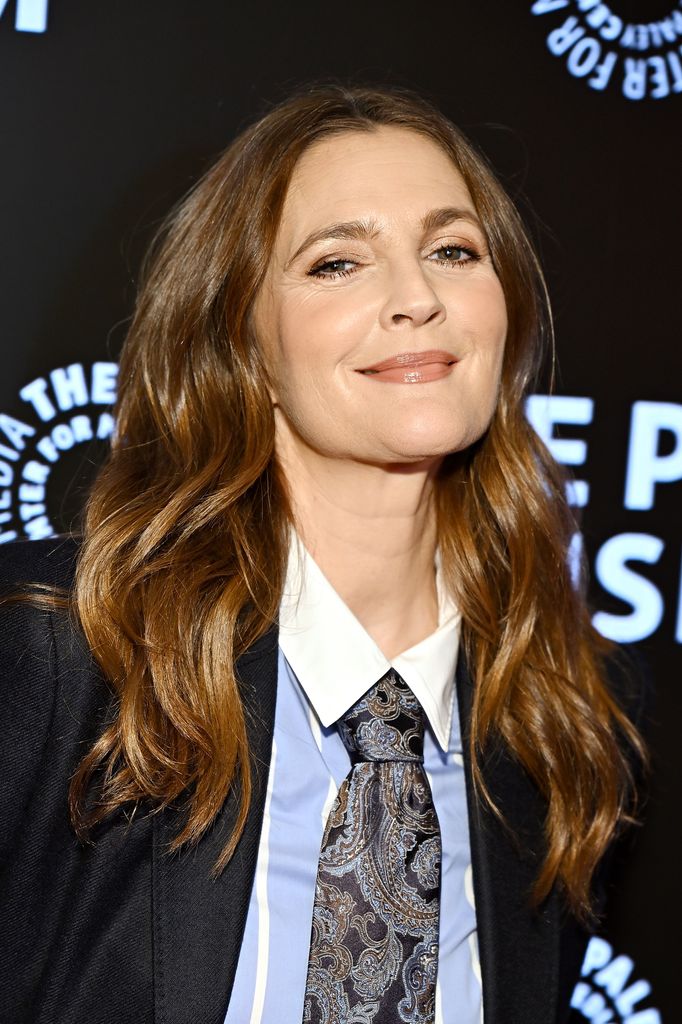
"It's the perfect age. At 40, we are far from 'old'; we're at a vital turning point for prevention, a time to strengthen our foundations, both physically and emotionally. Admittedly, when I was in my 40s, I didn't want to know anything about the perimenopause or the menopause. It felt too far off, and I thought I had enough to deal with simply entering a new decade.
"But menopause doesn't happen overnight and you can experience symptoms up to ten years beforehand - the real priority must be prevention. You should be looking after your bone health and muscle mass, and focusing on nutrition, long before you hit 40."
 © Getty Images
What do you think is the most common question women ask themselves when entering the menopause?
"I think the first question they ask is: 'What is going to happen to me?' It is perfectly normal to fear the unknown. You might know that your mother went through it - whether for better or worse - but you have no idea what your own experience will be.
"Now, every time I see a woman over the age of 80, I feel a deep sense of admiration for her wisdom.... They have so much to share - so many secrets that could make our own lives easier... We simply have to learn to listen to them to discover the goddess within ourselves"
"Then the next big question arises: 'Are the signs and symptoms that I'm having actually normal?" When those bouts of irritability strike, it's easy to feel as though you’re going mad. But no, you're not going mad. You're navigating a highly complex transition that affects your entire system - not just your hormones, as we have been led to believe.
"According to the latest research, these changes begin at a neurological level and subsequently affect the hormones. Understanding that is key to moving past the fear and handling this stage with greater awareness and the right tools."
Is there a question we don't quite dare to ask out loud?
"Perhaps the question many women find hardest to put into words is: 'What is going to happen to my sex life?' Sometimes they don't even frame it as a question; instead, they feel a sense of worry, fear or even sadness surrounding the changes in their intimate health - such as dryness, discomfort, pain or low libido.
"Many assume these changes are permanent - that there is no turning back - making it very difficult to discuss even with their partners or a healthcare professional.
"Deep down, they also wonder if this metamorphosis will lead to a version of themselves they won't recognise anymore. That prospect can be so frightening that they often cannot bring themselves to say it out loud."
 © WireImage
What would you say is the most damaging myth that still persists today?
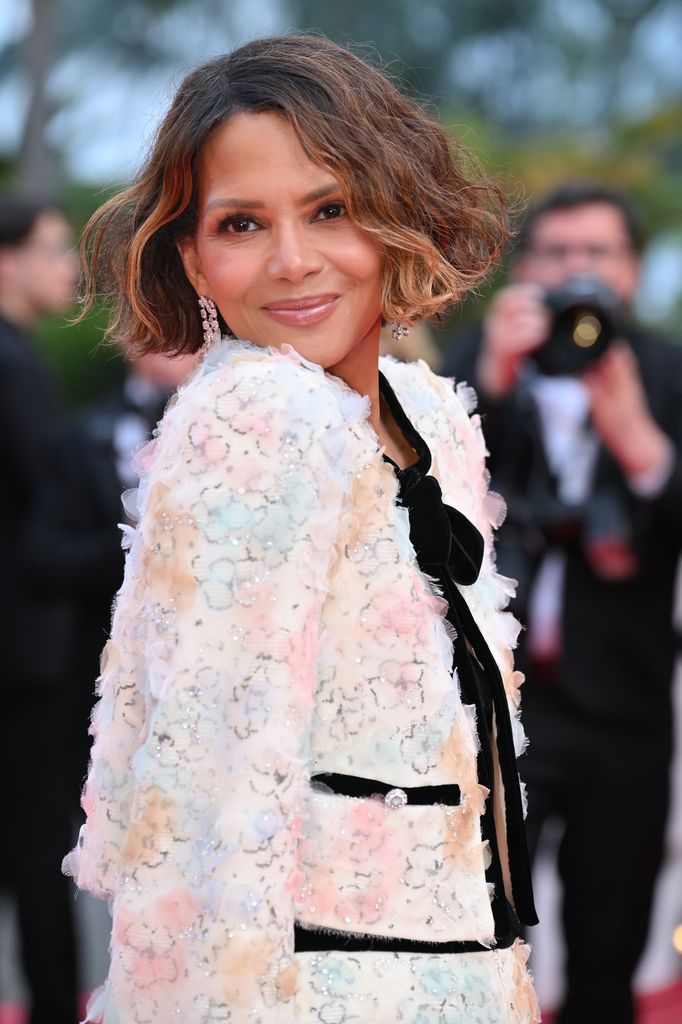
"The idea that the menopause marks the end of everything that matters. That is entirely false. It's not the end of desire, femininity or feeling good; it is simply the start of another cycle. The map may change, but the destination remains the same.
"We live in a society that continues to reinforce the notion that the female ideal is rooted in our 30s and our fertility, which is a profound mistake. This isn't just a hormonal shift; it's a change of purpose. One of the greatest misconceptions about women is the belief that they become 'empty' after the menopause, when in reality, this is when their most vital role begins: that of passing on culture and wisdom.
"Most of us reach this stage carrying a heavy burden of inherited myths and fears. But the menopause is not the end of anything: it's a profound shift that invites us to listen to ourselves like never before"
"The belief that you simply 'run out' of hormones betrays a significant lack of understanding of our own menstrual cycles. Throughout any given month, your hormone levels are never static; there are certain days when you actually have lower oestrogen levels than a woman who has reached the menopause. We're already accustomed to these fluctuations - we just didn't realise it."
Almost nine out of ten women experience symptoms, yet many suffer in silence.
"Yes, and it's a matter of urgency; silence doesn't just isolate us; it makes us ill. It leads many women to receive incorrect diagnoses or medication they don't need. Talking, sharing and understanding - these are forms of medicine in themselves.
 © Getty
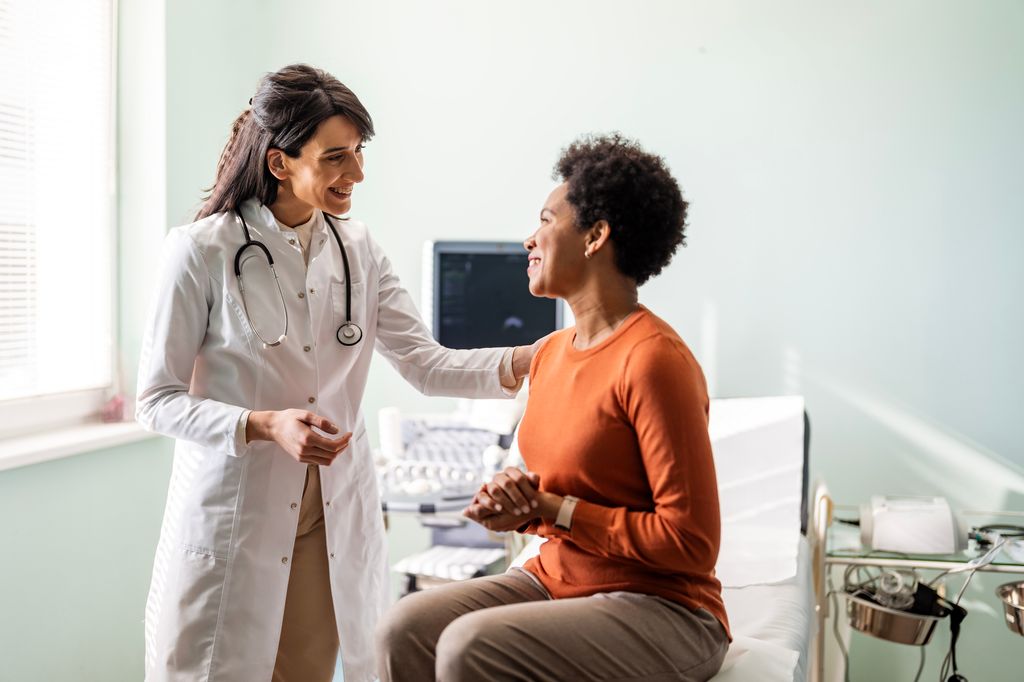
"It's estimated that over 70% of women do not consult a healthcare professional when this stage begins. Of those who do, nine out of ten are already experiencing symptoms. We have to talk about this - if we don't, women will continue to believe that suffering is an inevitable part of this transition, when it really doesn't have to be.
"Historically, we've avoided the topic out of fear of being judged or rejected. We've all heard the derogatory terms that were, and still are, used to describe this life stage. It's essential for society as a whole, including medical professionals, to be better educated.
"If a woman cannot identify that her symptoms stem from the menopause, she risks being misdiagnosed or given unnecessary treatments. Often, what she actually needs is tailored, accessible support and the right tools to manage these changes."
Has your own view of the menopause evolved since you first began your research?
"Enormously. I've never believed that women are somehow flawed for going through the menopause; I have always maintained that nature is incredibly wise. But my perspective shifted when I discovered the work of pioneering researchers who demonstrated that this transition is, in reality, a neurological and systemic metamorphosis - and that the hormonal changes are actually a consequence of that.
"Initially, my research focused on hormones, but I instinctively felt there was another path to explore. And I was right. The female body is extraordinary, yet it has been chronically under-researched; we still have so much to discover. The more I learned, the more I understood that the body isn't simply 'breaking down' - it is reorganising itself. That process requires patience, respect and the right tools - not punishment.
 © Shutterstock / Pixel-Shot
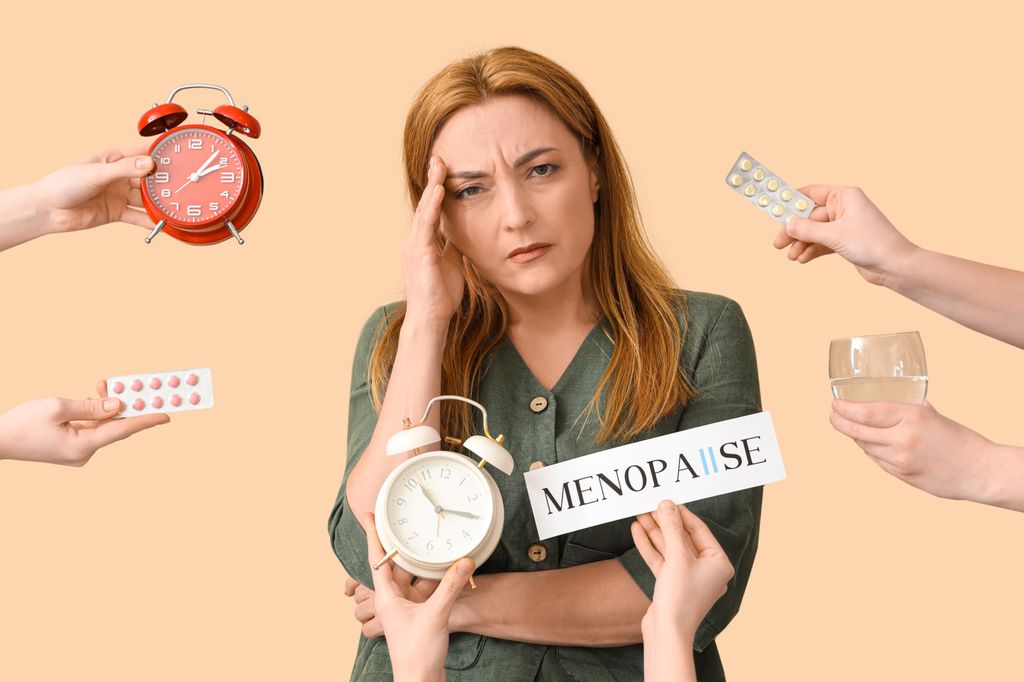
"Once you pass those twelve months without a period that officially mark the menopause, you transform from a chrysalis into a butterfly. You develop a potential that you couldn't have even grasped before. It is no coincidence that in many cultures, women look forward to reaching this stage because it's when they are recognised as 'the wise ones': the keepers of culture. To me, that is the most beautiful role of all."
Why do you think the menopause has been such a taboo subject for so long, even among women themselves?
"Because we were taught that our value was intrinsically linked to being young, fertile and compliant. Talking about the menopause was synonymous with talking about 'the end.' It was associated with old age, with being cast aside by society.
"In fact, the first studies I read actually categorised post-menopausal women as 'small men,' which couldn't be further from the truth. We remain cyclical beings; ask any woman who no longer has a period and she will tell you that not every month feels the same.
"The problem is a historical lack of study; there has been a reluctance to truly examine what happens to our hormones during this stage. It is also likely that we still lack the sophisticated technology required to fully understand it. This is precisely why it has remained such a shrouded subject.
"In many cultures, women look forward to reaching this stage because it's when they are recognised as 'the wise ones'"
"Initially, there was much talk of the 'Grandmother Hypothesis' [a theory that postmenopause is designed for women to care for kin] but we are not merely grandmothers or aunts. According to research, we are the transmitters of culture. Nature has chosen us to outlive men for a reason. We are finally finding our voice, and it was high time we spoke out about this stage and moved past the myths suggesting our peak is at 30."
What do you think of the clichéd phrase, "It's just your hormones"?
"We know now that menopause is about so much more than just hormones. Our entire body undergoes a transformation at this stage. We move from depending on a major hormonal factory - the ovaries - to that production being taken over, albeit to a lesser extent, by the adrenal glands. It is precisely these glands that we need to strengthen and look after from this point onwards. This transition doesn't only involve an endocrine shift; it is also a complete recalibration of the nervous system, metabolism, gut microbiota, the liver... our very way of inhabiting our own bodies."
 © Getty Images
You also maintain that the menopause isn't the end of anything, but rather the beginning of a LOT. What are these 'beginnings', and why do we find it so difficult to positively view this new chapter?
"It is the dawn of a completely new stage of life. We're conditioned to believe that being 30 is the ideal, so turning 40 or 50 feels like a trauma. But we are a different generation: we look after ourselves, we go to the gym, we eat better and we remain engaged with fashion and self-expression. That is perhaps why we are the first to talk about this so openly.
"And this is only the beginning. We leave fertility behind to prolong our lives so that we can pass on culture, experience and wisdom to the generations that follow, reaching far beyond just our own children or nieces and nephews. Each of us holds a piece of the puzzle that society needs in order to move forward."
In a world that still associates female ageing with loss, how can we collectively change that narrative?
"Talking about the menopause with pride, and understanding it as something far more profound, is what will eventually demystify that sense of loss. When we begin to speak more openly about how fulfilled many women feel after the menopause, this time will finally be seen for what it truly is: an extremely enriching time of life.
 © Getty Images
"Now, every time I see a woman over the age of 80, I feel a deep sense of admiration for her wisdom. I have always respected these women, but I now feel an even greater need to listen to them. They have so much to share - so many secrets that could make our own lives easier. They are here - we simply have to learn to listen to them to discover the goddess within ourselves."
What do you think is the smallest change that can have the greatest impact on the well-being of a woman going through the menopause?
"Access to information is the smallest change with the most significant impact. When we understand exactly what is happening to us, we stop being afraid. Knowing how to take action hands back control, and that is where the real transformation begins."
What would you say are the fundamental lifestyle pillars for navigating this stage of life?
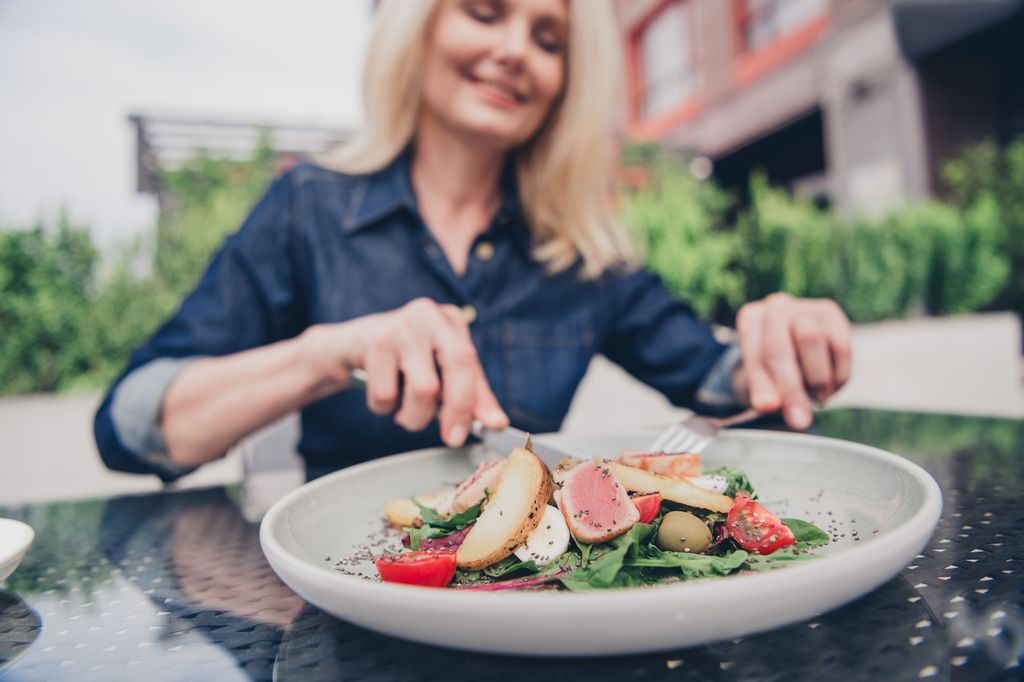
"Eating correctly is vital to support both hormonal and physical shifts. However, it isn't the only factor; if we aren't resting properly, if we aren't managing our stress or if we are living disconnected from our natural rhythms, nothing else will truly work. Exercise, particularly conscious movement, helps us integrate these changes and keep the body active.
 © Getty Images
"Deep sleep, sun exposure and a respect for our circadian rhythms are essential for maintaining balance. Eating well, moving, resting, managing stress, getting enough natural light and respecting our internal body clock are not isolated actions - they are an ecosystem. When they are in alignment, they completely transform the experience of going through this stage of life."
What would you say to a woman who has just been told she has entered the menopause and feels lost or frightened?
"I would tell her that she is not alone, and that her feelings are entirely valid. Most of us reach this stage carrying a heavy burden of inherited myths, silences and fears. But the menopause is not the end of anything: it's a profound shift that invites us to listen to ourselves like never before. If there is confusion or fear, it is simply because no one prepared us for it.
"Eating well, moving, resting, managing stress, getting enough natural light and respecting our internal body clock are not isolated actions - they are an ecosystem. When they are in alignment, they completely transform the experience of going through this stage of life"
"And yet, this can become one of the most lucid, free and powerful periods of life, provided we have clear information, the right support, and, above all, if we stop fighting against our own bodies. You are not broken; you're transforming. Start by giving yourself permission to get to know yourself from a completely different perspective."
About the expert:
Nutritionist and naturopath Andrea Carucci is author of the Spanish language books SOS, Menopause is on the Horizon, What Do I Do Now? (SOS, menopausia a la vista, ¿y ahora qué hago?) and The Fertility Kitchen (La cocina de la fertilidad).