
What we eat is our first line of defence against disease. It’s a message championed by clinical nutritionist Ángela Quintas, who helps us answer some of the most pressing questions on three major health challenges: how to control inflammation, the reality of weight management and why we must stabilise those insulin spikes.
We know it's important to take control of our health, but why do you think it is so difficult for us to do so?
"Taking control of our health is a challenge because it involves going against deeply ingrained habits. Our relationship with food is not just biological; it's also emotional and social.
"Our lifestyles don't always make it easy for us to make healthy choices: advertising bombards us with ultra-processed treats, our fast pace of life means we grab fast - and less nutritious - options for meals, and wider food culture doesn't always prioritise health.
"Our brains seek quick rewards, and sugar and ultra-processed foods give us instant gratification. Breaking those habits requires awareness, planning and perseverance. But when we do manage to make changes that we can stick to, the benefits become so obvious that it's worth the effort."
Why is changing our eating habits so complicated?
"Modifying our diet is complicated because it involves both a physiological and a psychological change. Not only do we have to get used to new flavours and textures, but we must also learn to manage emotions like stress or anxiety without resorting to food.
"A diet based on controlling insulin and dampening inflammation is much more powerful for weight management than reducing calories"
"Every day I see people who think changing habits means sacrifice and restrictions, when in reality it's about learning to eat in a balanced and enjoyable way. Dietary changes have to be done gradually and also need to be adapted to the individual; it is not realistic to go from an unhealthy diet to a perfect one overnight."
Can diet influence health problems, both physical and mental?
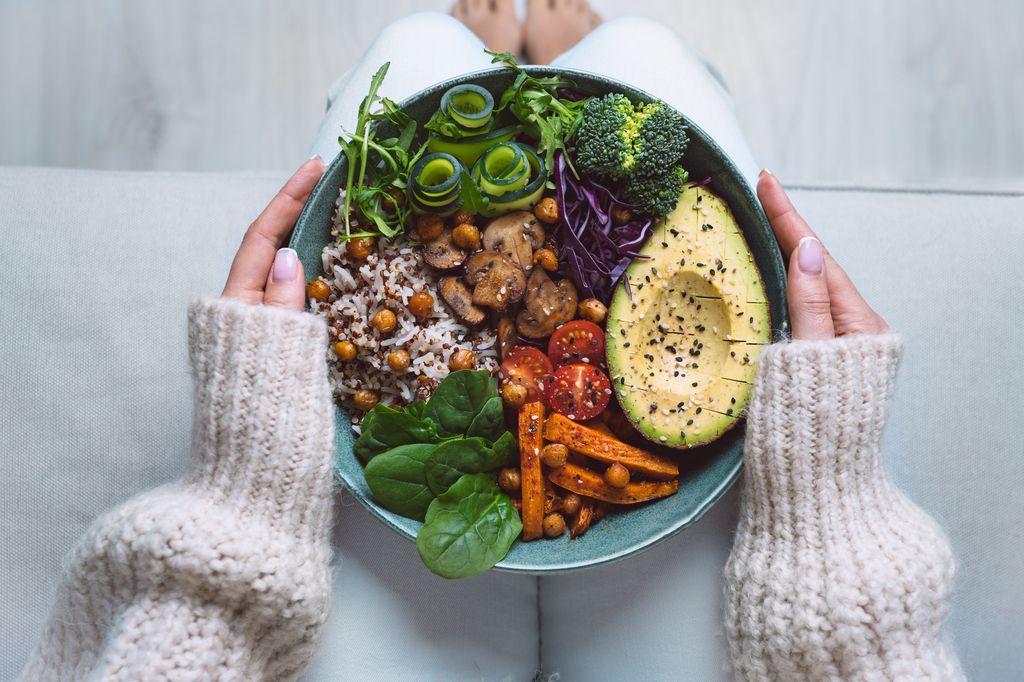
"Yes, very much so. Diet influences chronic inflammation - something that's behind a lot of diseases, like diabetes, cardiovascular disease or obesity. It also influences your mental health.
"For example, consuming too much sugar and processed foods can cause insulin spikes that affect your mood and energy. In contrast, a diet rich in essential nutrients favours the production of serotonin and dopamine, which are fundamental for mental well-being."
 © Getty Images
What are the main concerns that your patients raise in your practice?
"The most common concerns I hear are about weight management, anxiety around food, and how inflammation impacts our health. Many people come to me thinking they simply need to eat less to lose weight, but the real secret lies in balancing nutrients and keeping insulin levels stable.
"I’m also frequently asked how to maintain a healthy diet without it getting in the way of social plans or the daily juggle. Ultimately, eating well shouldn't feel like a chore; it should be a way to enhance your life, not restrict it."
Do women continue to be the demographic most preoccupied with healthy eating and weight?
"Yes, women still face considerably more pressure regarding their appearance and what they eat, especially as they navigate the menopause. However, the gap is closing; more men are now prioritising their metabolic health.
"For many women, weight loss is complicated by hormonal changes and underlying inflammation. To address this effectively, we have to look at how the metabolism functions and how insulin levels directly dictate how the body stores fat."
Why do you think we have finally started to give importance to controlling inflammation?
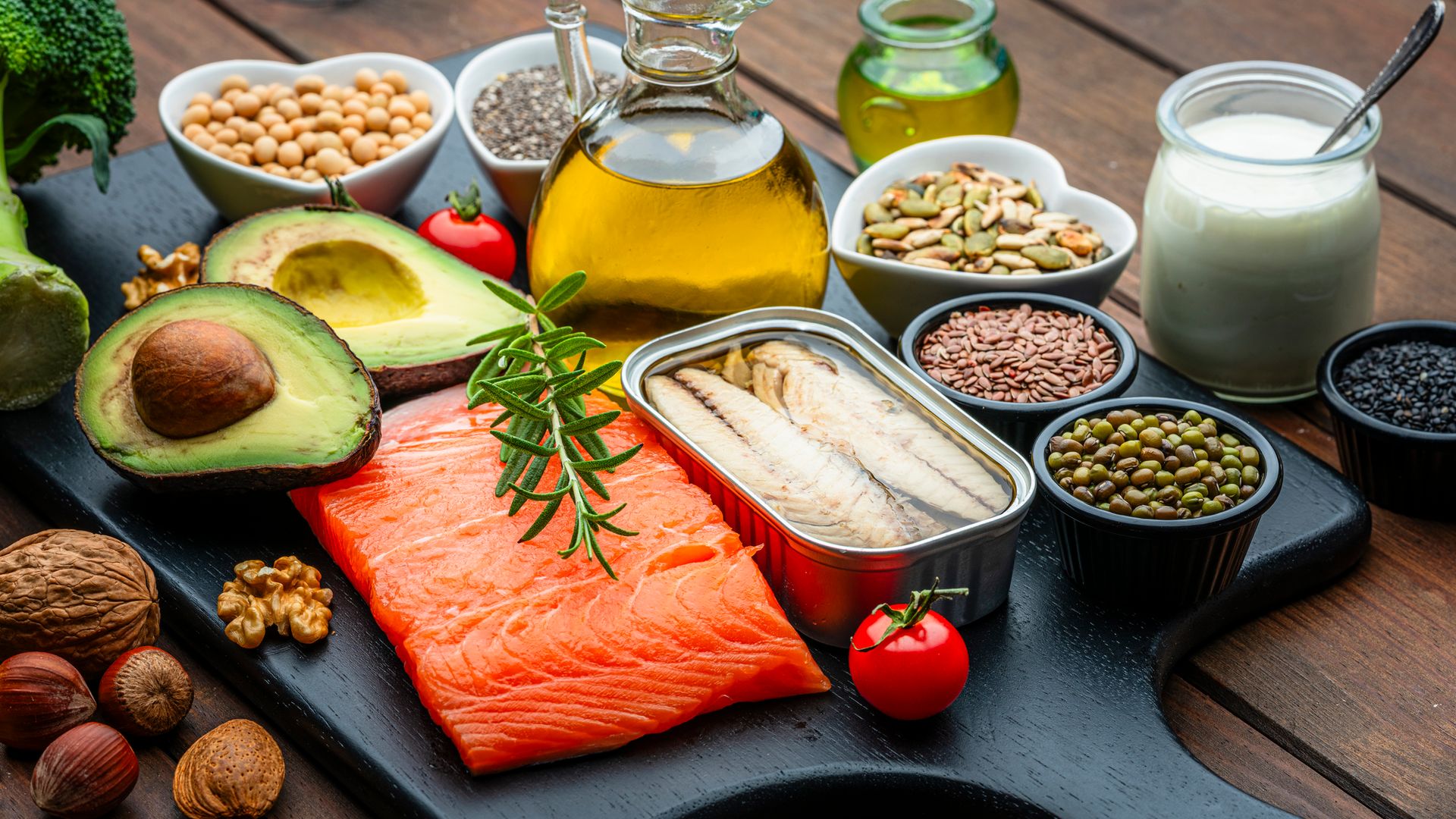
"Because we now understand that chronic inflammation doesn't just affect weight - it's a major risk factor for a lot of diseases… There's also a greater awareness these days of how diet can help reduce inflammation. For example, an anti-inflammatory diet rich in omega-3 fatty acids, fibre and antioxidants can help improve your health overall."
 © Getty Images
What are the biggest food myths that still seem to stick around today?
- "Calories are the be-all and end-all." In reality, the quality of what you eat is far more important than just the number on the packet.
- "You have to cut out carbs to lose weight." It’s not about avoiding them; it’s about choosing the right complex carbohydrates and pairing them properly.
- "Fats make you fat." Healthy fats are actually vital for a thriving metabolism and hormone health.
- "Healthy eating is boring." It really doesn't have to be. Nutritious food can be incredibly flavourful.
We're constantly bombarded with nutrition advice these days - do you think we’ve reached a point of information overload?
"Absolutely, and that’s exactly where the confusion stems from. We’re seeing so many contradictory messages and fleeting fads that simply aren't backed by science.
"My top tips for managing insulin spikes include prioritising quality proteins and healthy fats, cutting back on refined carbohydrates, and being more intentional about how you structure your meals throughout the day"
"The real challenge now is learning how to cut through the noise to distinguish between evidence-based advice and pure marketing hype. We need to get back to core nutritional principles that are tailored to the individual, rather than chasing 'magic bullets' or extreme, restrictive diets."
Does healthy eating have to feel like a punishment?
"Absolutely not. The secret lies in mastering a bit of meal prep - creating a well-structured weekly plan and a fuss-free shopping list that helps you stay on track while celebrating the natural flavours of real food… It’s not about what you do on one specific day, but the habits you repeat throughout the year. A healthy diet doesn't have to be strict or monotonous; it’s about finding a balance and making conscious choices you can actually stick to in the long run."
What’s your take on the current buzz around "superfoods" like kefir, turmeric, quinoa and soy?
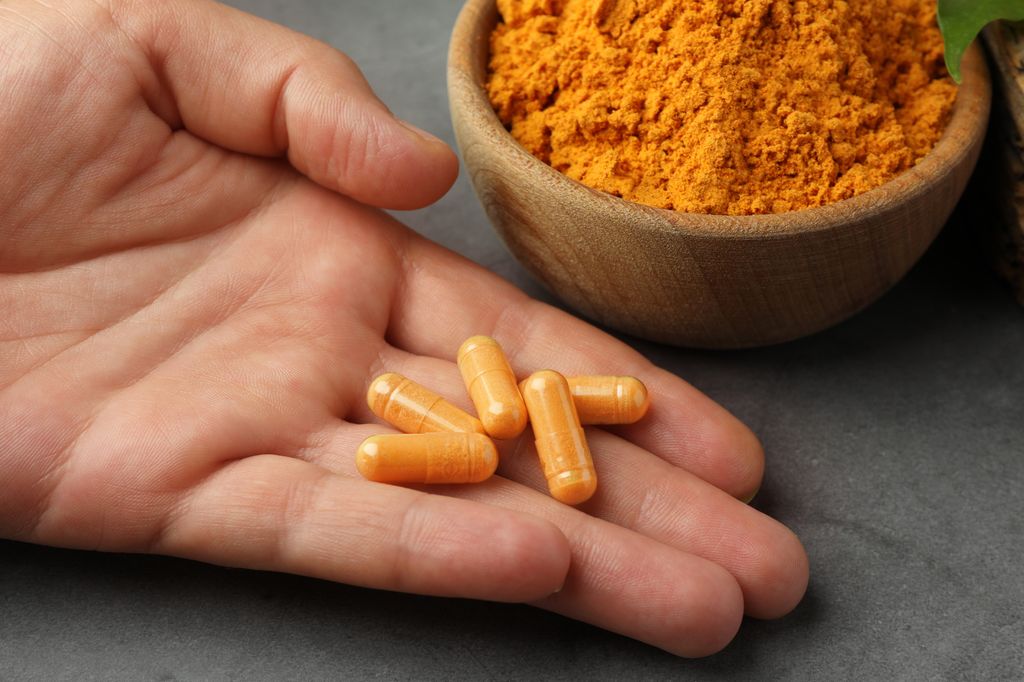
"The surge in popularity for these ingredients really shows how much more health-conscious we’ve become. Many of them absolutely live up to the hype: kefir is brilliant for supporting a healthy gut microbiome, turmeric is a potent natural anti-inflammatory, and quinoa is an excellent complete plant-based protein. Soy, too, provides phytoestrogens, which can be particularly beneficial during the menopause.
 © Getty Images
"However, it’s important that we don’t get sidetracked by 'fashionable' labels. No single ingredient is a magic bullet; the real priority should always be a diverse, balanced diet based on high-quality whole foods that meet your specific needs."
Is it difficult to get insulin spikes under control?
"It's actually quite straightforward once you know the basics. The secret lies in smart food choices and, more importantly, how you pair them… My top tips include prioritising quality proteins and healthy fats, cutting back on refined carbohydrates, and being more intentional about how you structure your meals throughout the day."
Do you think earlier generations actually had a better diet than we do today?
"It depends on how we look at it. Previous generations certainly ate more seasonally, with a diet rooted in fresh produce and far fewer ultra-processed foods (UPFs). That said, they didn't have the wealth of nutritional science we have today, and many habits from that era were far from healthy. Today, we have an incredible variety and knowledge at our fingertips, but information overload and a fast-paced lifestyle can be real pitfalls. The goal should be to marry the best of traditional eating with the precision of modern science."
You've noted that you're seeing diet-related health issues in younger and younger patients. Why do you think this shift is happening?
"It’s a deeply concerning trend and one that is inextricably linked to modern eating habits. We are seeing a marked rise in insulin resistance, chronic inflammation, and digestive disorders in patients at increasingly younger ages.
Inflammation is another 'invisible iceberg' - its damaging effects can go unnoticed until it's too late
The main culprits are the over-consumption of UPFs, energy drinks, and refined sugars, combined with a more sedentary lifestyle. Because nutrition is our primary tool for disease prevention, educating children about food is now more vital than ever."
Should we finally ditch the calorie counting?
"Yes - it’s a concept that has become outdated. We now know that 100 calories of veg doesn't affect the body in the same way as 100 calories of highly refined snacks. Instead of counting every bite, we should be looking at nutrient density and metabolic health… A diet based on controlling insulin and dampening inflammation is much more powerful for weight management than reducing calories."
 © Getty Images
What advice would you give to someone who finds themselves eating as a way to cope with anxiety?
"Emotional eating is an incredibly common struggle, and it's often rooted in physiological imbalances - specifically with insulin, inflammation or the gut microbiome. There are some core strategies that I recommend."
- Focus on protein and healthy fats: "Ensure these are the stars of every meal to keep hunger under control."
- Stop the blood sugar roller coaster: "Minimise sugars and refined carbohydrates."
- Identify the 'why': "Learn to distinguish between physical hunger and emotional hunger and look for alternative strategies such as practising mindfulness, light exercise or breathing techniques."
- Meal prep for success: "Plan meals to avoid falling into impulsive cravings."
- Nurture your gut health: "Look after the gut microbiota, as it has a direct impact on mood and anxiety."
About the expert:
A chemist and clinical nutritionist with over 20 years of experience, Ángela Quintas specialises in human nutrition and the microbiota, having completed her doctoral studies at the Complutense University of Madrid. She is author of the Spanish-language book, From Your Mouth To Your Health (De la boca a tu salud).