
As the darkness settles in, outside the temperature drops and inside, the central heating powers up, keeping houseplants alive can feel more like a seasonal sport than a beloved hobby.
However, the arrival of winter doesn’t have to mean waving goodbye to your favourite indoor potted greenery.
A collection of shade-loving plants exists that are perfectly happy to hunker down in darker corners and chilly rooms, and that thrive where other plants would struggle.
These winter-proof additions to your household bring life, colour and a welcome dose of calm to even the darkest months.
That's why HELLO! has asked the experts for their advice on the best foliage to keep around for winter so that you don't have to dig any deeper yourself.
Best low-light plants for dark winter rooms
Don't count out your ability to look after foliage in the winter just yet, as even in the gloomiest corners, life can thrive if you pick your plants carefully.
Low-light plants are great at growing in shady spots and will do well even in rooms with very little sunlight and cooler temperatures. Guy Barter, RHS Chief Horticulturist, suggested investing in plants with "larger green leaves to capture what light there is". He added a list of such plants, that included:
- "Chamaedorea elegans - parlour palm
- Chlorophytum comosum ‘Variegatum’ variegated spider plant
- Epipremnum aureum - Ceylon creeper
- × Fatshedera lizei - lush and ivy like
- Ficus elastica - the famous Indian rubber tree
- Philodendron scandens AGM (heart-leaf)
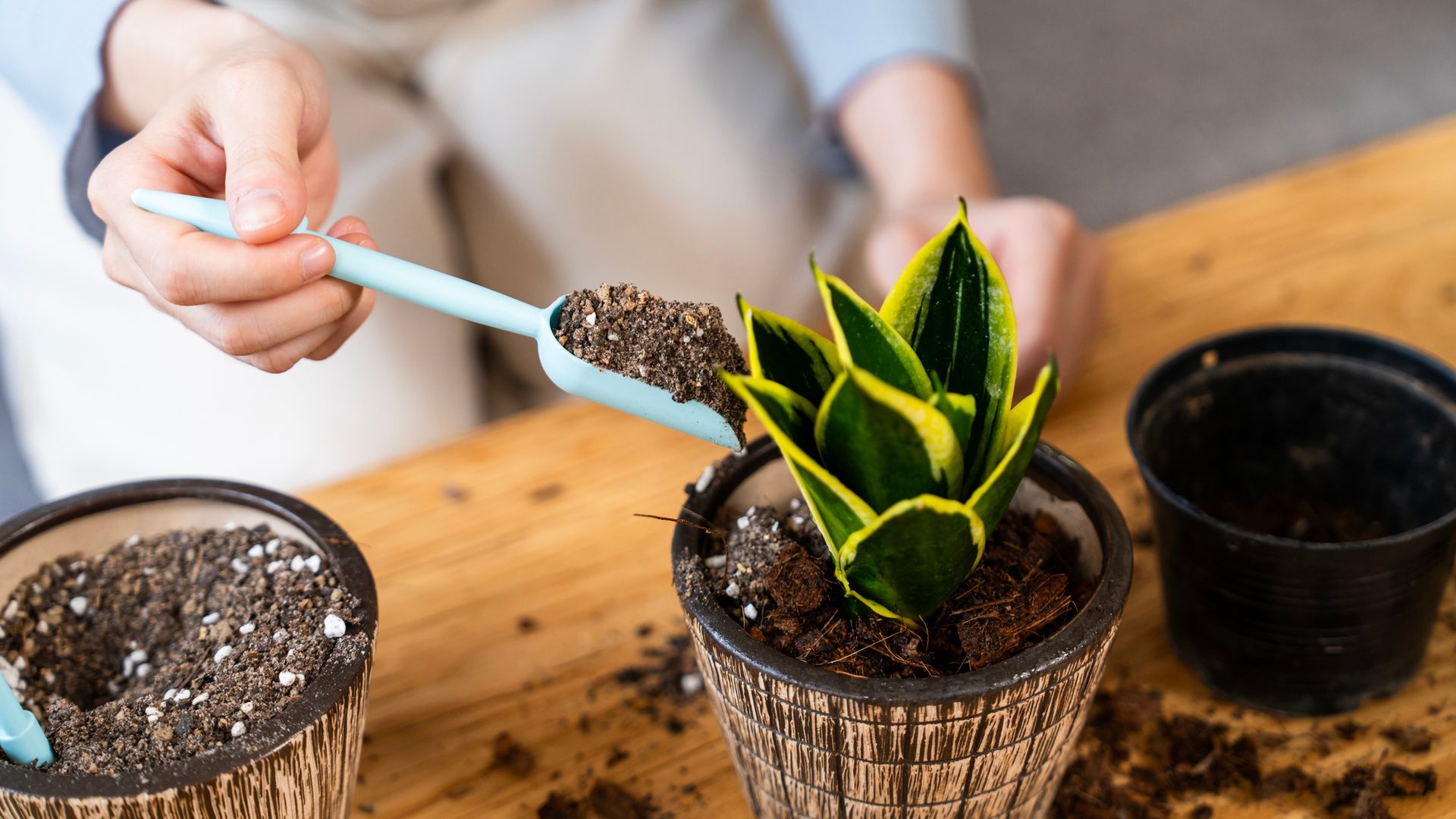
- Sansevieria trifasciata or snake plant
- Senecio macroglossus ‘Variegatus’ - ivy like, Natal ivy
- Syngonium podophyllum - arrowhead plant"
Together, this selection of plants will bring a breath of freshness and an injection of colour to spaces that might otherwise feel cold and bare.
I know from experience that adding a few of the above plants to corners around the house can make the space feel warm and vibrant all winter long - when we need that cosy feeling the most.
 © Getty Images
Plants that tolerate dry indoor heating and low humidity
Similar to low-light plants, there are a select few indoor options that can tolerate conditions affected by central heating and dry air.
These include:
- Snake plant (Sansevieria)
- ZZ plant (Zamioculcas zamiifolia)
- Spider plant (Chlorophytum comosum)
- Succulents (but it's worth noting they do require a bright window spot)
- Rubber plant (Ficus elastica)
Once you help them along with a little extra water, this list should be good to thrive through the harsher months and keep your living room looking lush with green life.
How to position your plants for maximum winter light
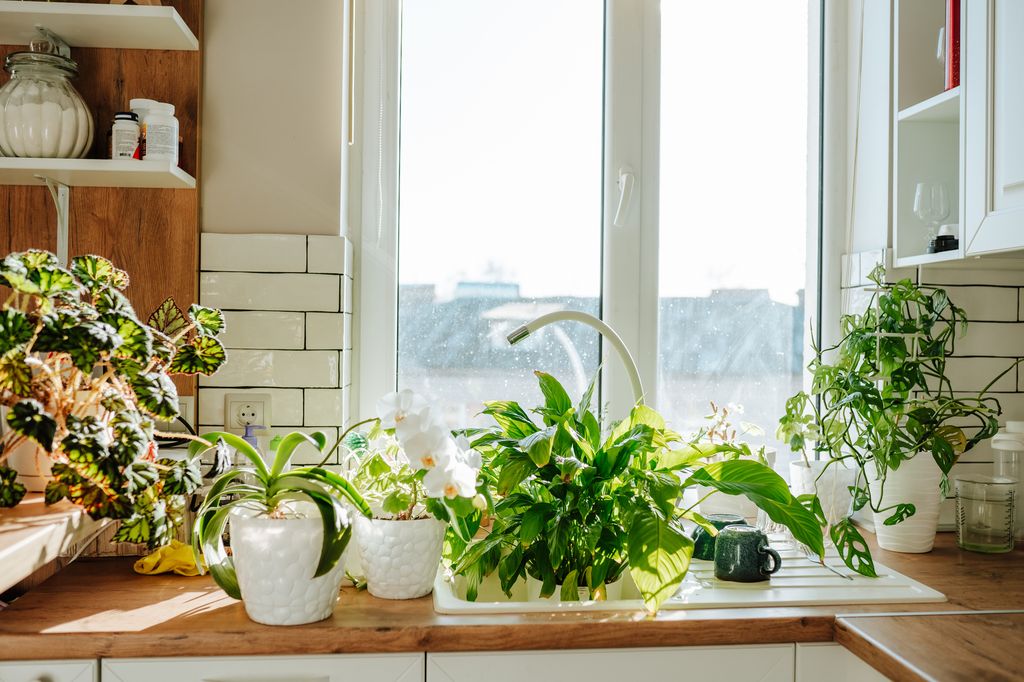
Once you have made your selections, the next thing you need to think about is where you're going to build your indoor garden to make the most of your space.
An important thing to remember is winter light and where it is most likely to shine through in the room during the day.
The Royal Horticultural Society offered some advice on how to best position your plants in winter so they can make the most of the little sunshine we get during these months.
They suggested: "Position plants with white-variegated leaves in a bright spot, as they contain less chlorophyll.
"Move houseplants to south- or west-facing window sills in winter, when sunlight is weaker and the days are shorter, to ensure they get enough light."
It is a good idea to place sun-loving plants, like succulents and cacti, near east or south-facing windows so they can catch morning or afternoon sun.
Low-light favourites like ZZ plants, pothos, and cast-iron plants can thrive a few feet away from the window.
However, one rule goes for all plants, and that is to keep them away from cold drafts or radiators, which will inevitably dry them out.
Rotate them every week so all sides get light evenly and consider using reflective surfaces, like mirrors or light-coloured walls, to bounce extra light onto your greenery.
Guy also added: "Look for south facing windows, east or west will do at a pinch and position plants close the glass, but beware frosty nights is not double glazed - move them back for the night inside the curtains."
Why houseplants struggle in winter
Winter can be extremely tough on houseplants with shorter days meaning less sunlight and dry indoor air from heaters sapping any available moisture from the air.
Chilly drafts can stress even the hardiest greenery and on top of that, many plants naturally slow their growth in these months, making them more sensitive to overwatering or neglect.
 © Getty Images
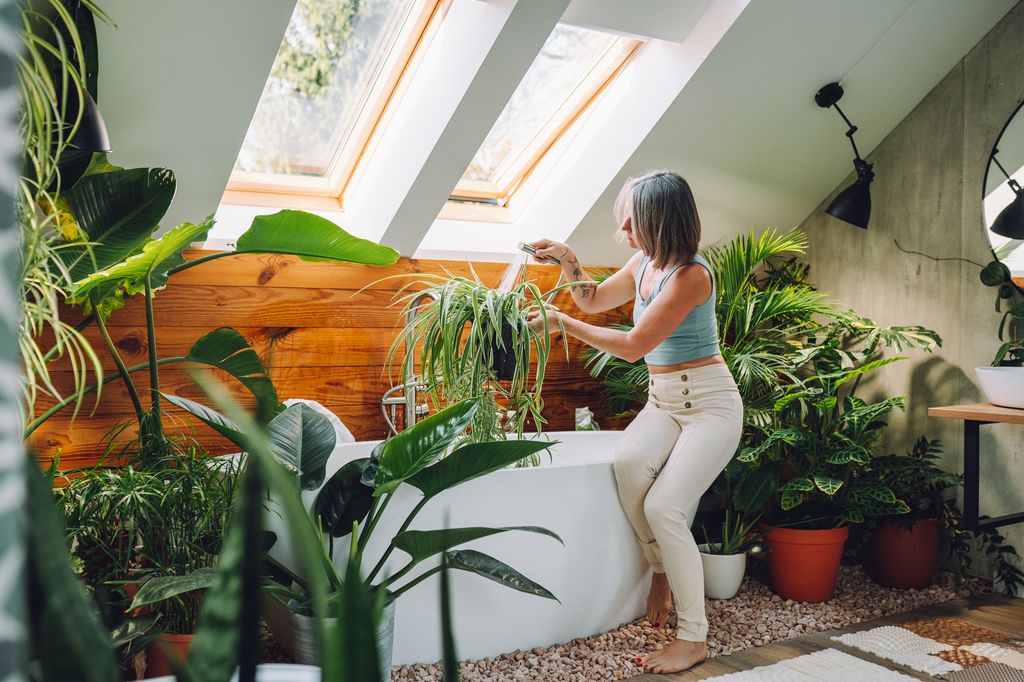
But all is not lost, as a few tweaks can help them thrive. Implement things like cutting back on watering, keeping plants away from cold windows or hot radiators, rotating them for even light, and boosting humidity with a pebble tray or small humidifier.
With a little extra attention, your beloved plants can stay vibrant all season long, regardless of the conditions beyond the windowpane.
Guy highlighted: "Give them as much light as reasonably possible and go easy on the watering - they won't lose much water particularly if you keep them in a cool, unheated but frost free, reasonably bright room which is much less likely to stress them than hotter darker conditions. Consider the LED lights sold to aid houseplants."