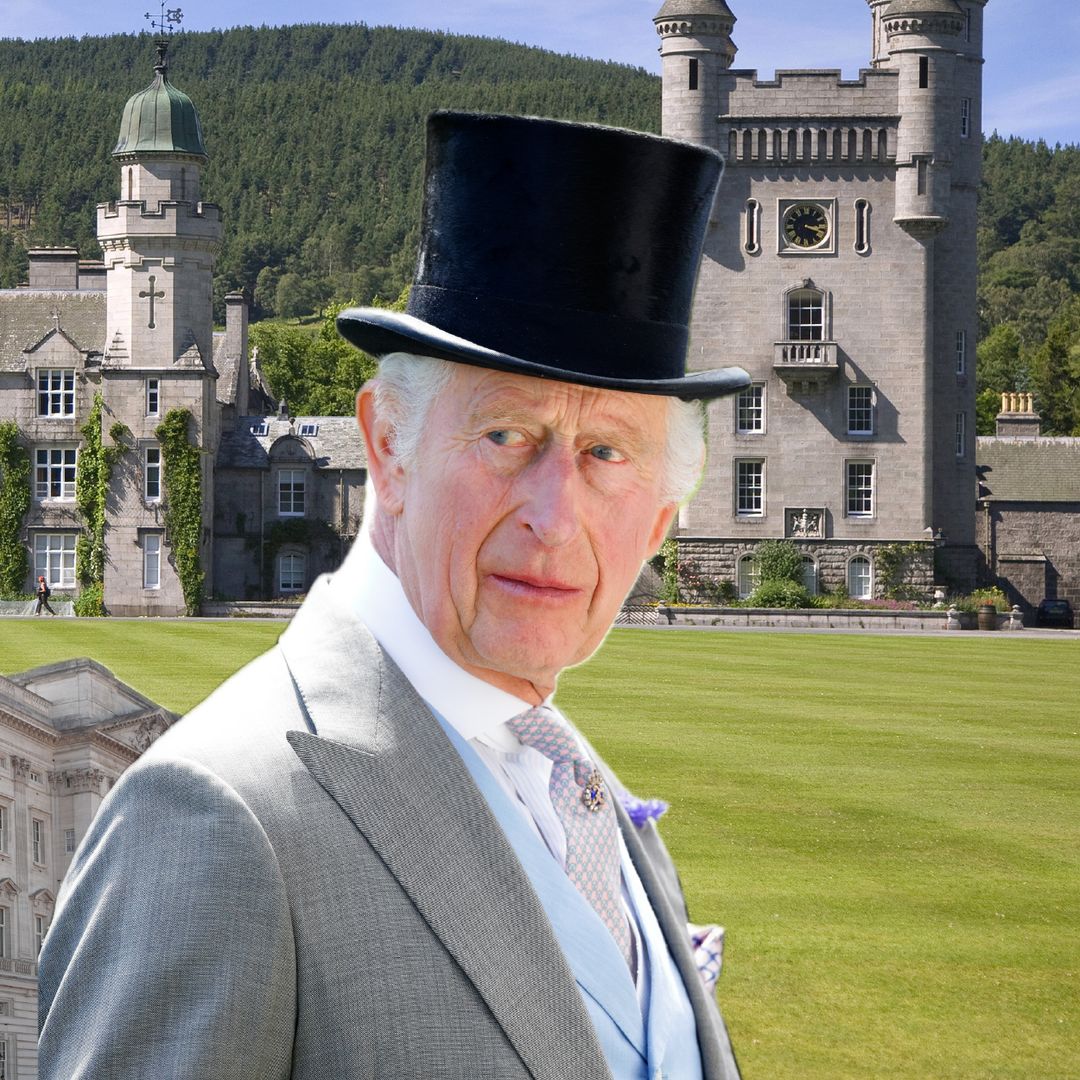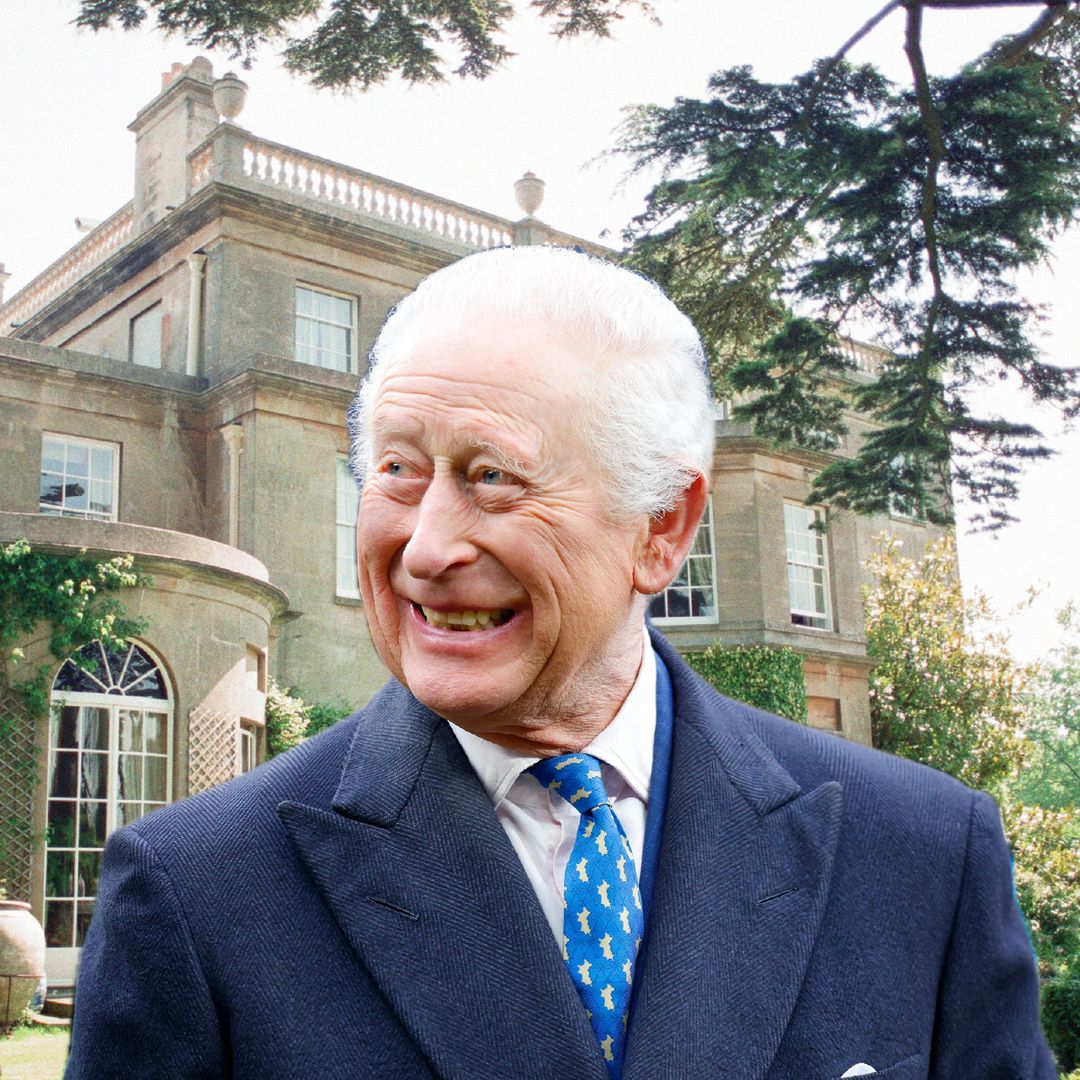

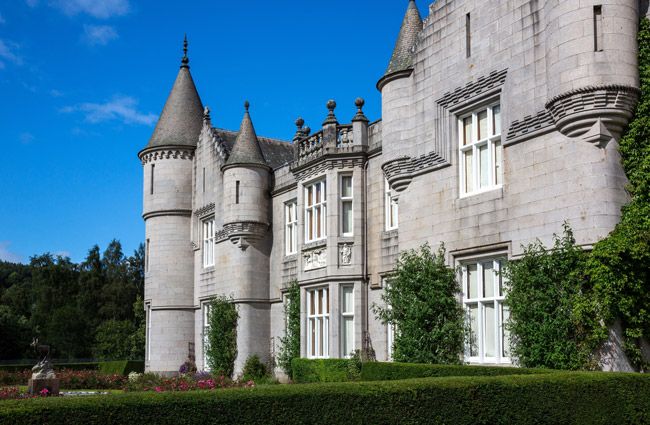
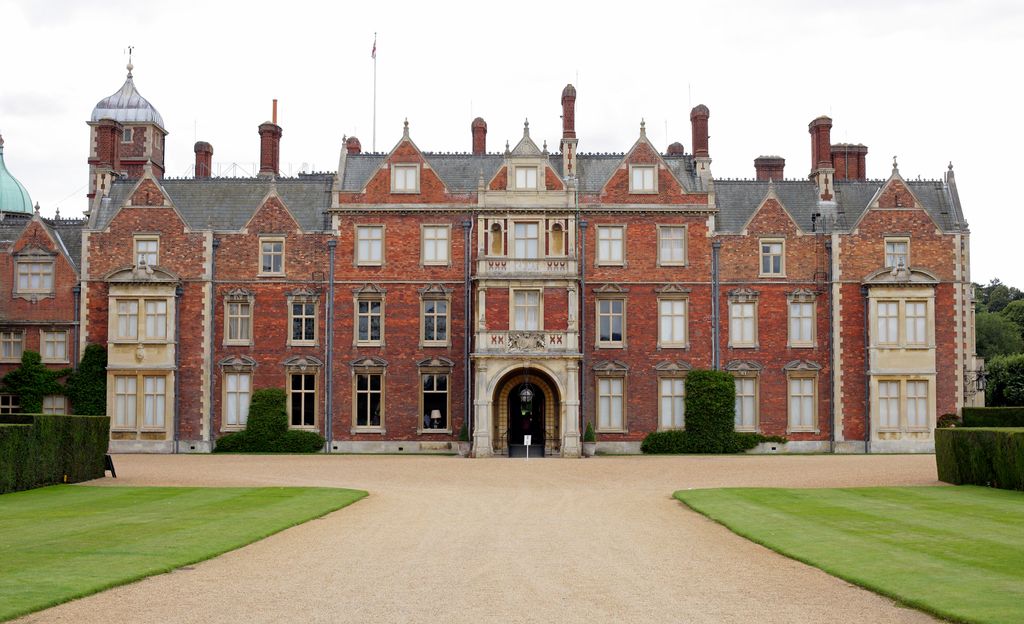
His Majesty King Charles III owns arguably some of the most splendid homes in the UK – including Balmoral Castle and Sandringham Estate - and he also presides over other incredible royal residences like Buckingham Palace and Kensington Palace, as they are owned by the Crown Estate. However, these stunning properties could land him a hefty tax bill under the government's new plans.
Earlier this month, Chancellor Rachel Reeves outlined her new tax plans, which include a High Value Council Tax Surcharge, coined a "mansion tax", on residences worth more than £2 million. "Fewer than 1 per cent of properties in England are expected to be above the £2 million threshold," the government states, but the monarch is likely to be one of the affected ones as he has some pricey properties that will fall into this new category. Charles will likely have to fork out these costs for his private residences, Balmoral Castle and Sandringham estate, for example.
What is the 'mansion tax'?
The recurring annual charge will be based on the property's value in 2026, but it will not come into force until April 2028.
This will be an additional fee on top of the existing council tax liability, and four different tiers. The lowest band of £2 million, for example, will have a £2,500 fee, whereas owners can expect to pay up to £7,500 for a £5 million property.
 © Getty Images
David Little, Partner in financial planning at wealth management firm Evelyn Partners, tells us: "The proposed levy, between £2,500 and £7,500 every year, doesn’t have any carve outs or tax breaks for wealthy owners just because they are 'royal'. It’s a political and perceptual shift: the monarchy has long operated with special tax arrangements but the new rules treat their high-value property ownership like any other owner. That means the King’s private property tax exposure looks set to increase materially, even if the sums are seen as 'small change' in terms of the overall royal wealth.”
It is still unclear whether residences under the Crown Estate and the Duchy of Cornwall will also be affected by this bill, and we may not know until the 2028 Sovereign Grant report is released, as this is a document which clearly outlines all royal expenses.
How much tax does the royal family pay?
While it is not obligatory for the royals to declare how much tax they pay, King Charles has chosen to do so in the royal family's annual report. In fact, it is not a legal requirement for the monarch to pay any tax, but he does so voluntarily. In the 2024/2025 report, it was revealed that His Majesty has paid £1.9 million in "rates and council tax".
 © ZUMA Press Wire/Shutterstock
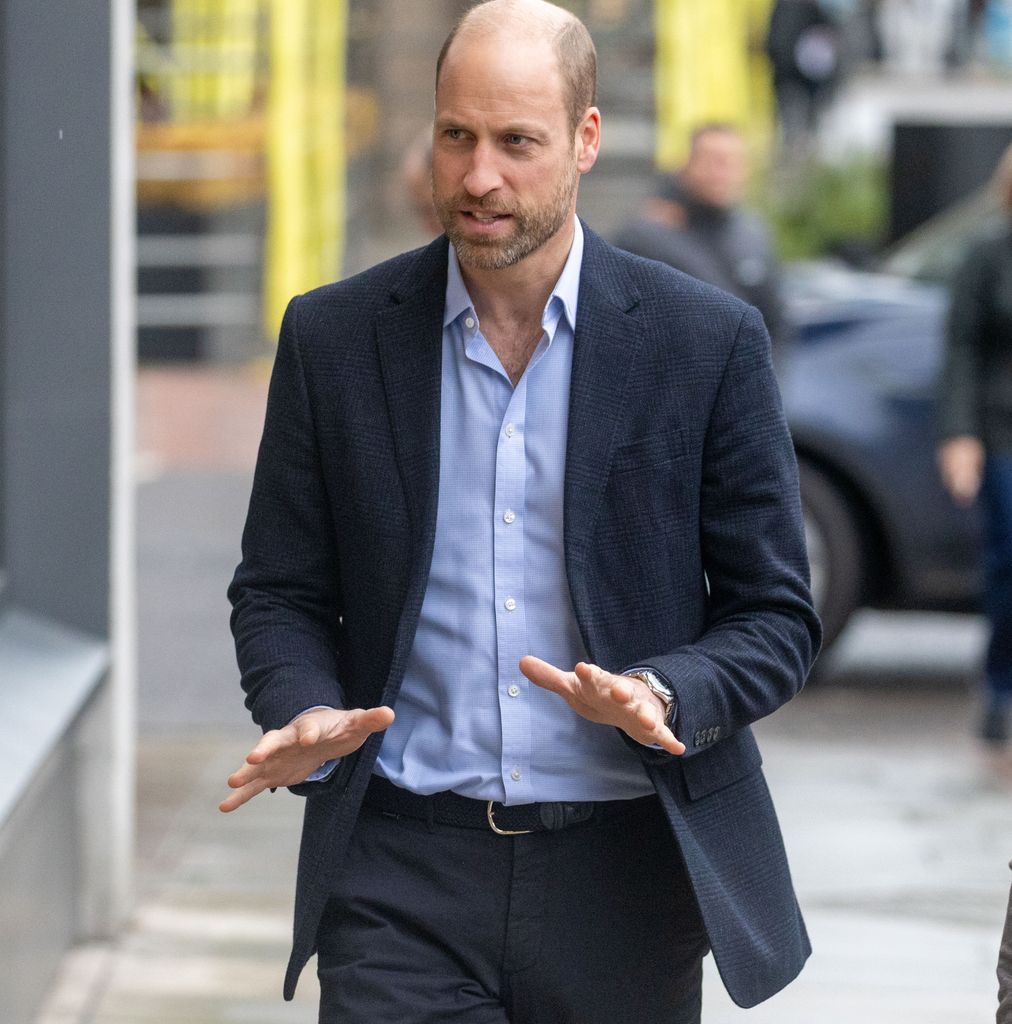
Meanwhile, Charles' eldest son, and heir to the throne, Prince William, has chosen to keep his tax bill secret. The Prince has opted not to disclose how much he pays, but his private secretary Ian Patrick has said: "The Prince of Wales pays the highest rate of income tax."