
Adopting an animal in need is a wonderfully noble and heartwarming gesture.
However, as with most things, there is much to be considered, and, according to a new report in the BBC, inadequate adoption via importation is on the rise.
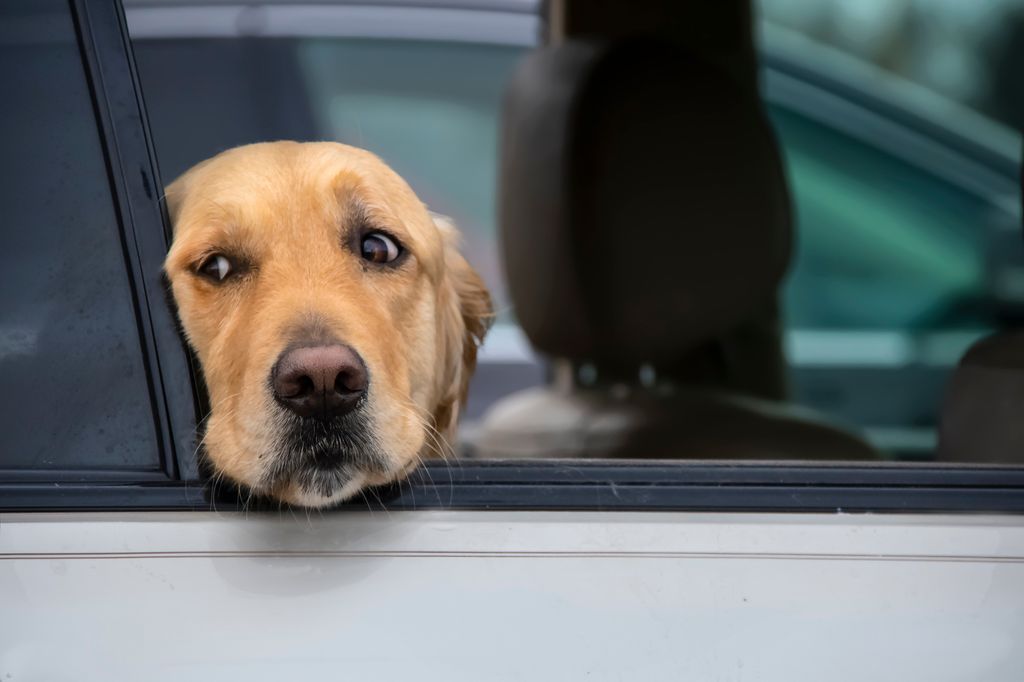
The RSPCA has, in fact, called for all dog rescue organisations to be licensed amid the growing number of dogs that are being imported from abroad, posing risks to health and behavioural temperaments.
The BBC interviewed a spokesperson for the charity, who has heard from countless British owners who have adopted dogs from countries including Romania, Ukraine and North Macedonia and faced problems regarding "infectious diseases and aggressive behaviour".
David Bowles from RSPCA told the BBC it was becoming a problem he likened to "Deliveroo for Dogs."
He explained that the RSPCA's major concern is that "these dogs are essentially ticking time bombs – coming over, not being health tested. Diseases are now coming in through these dogs."
 © Getty Images
Rising issue of importing dogs and 'profound' consequences
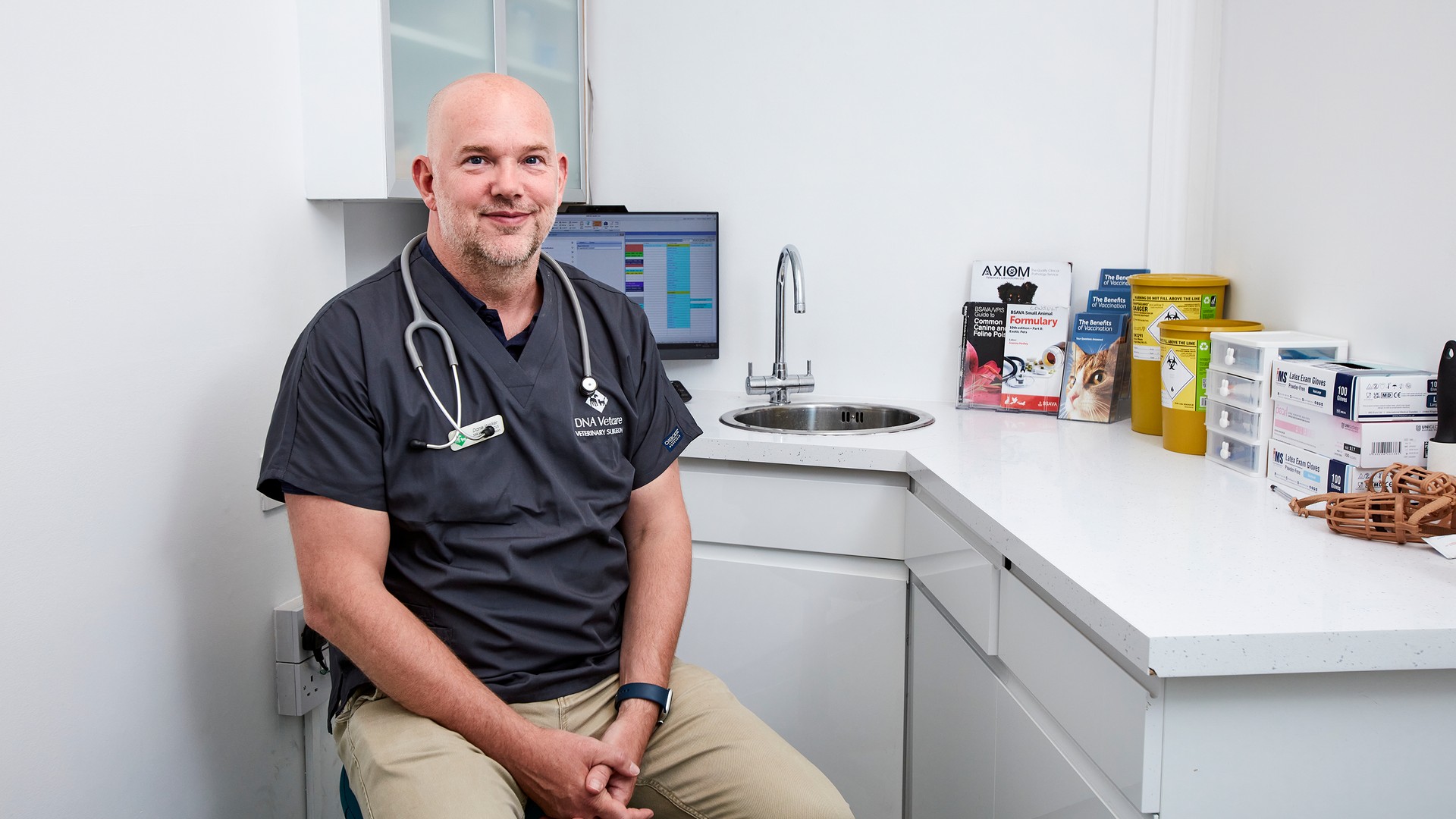
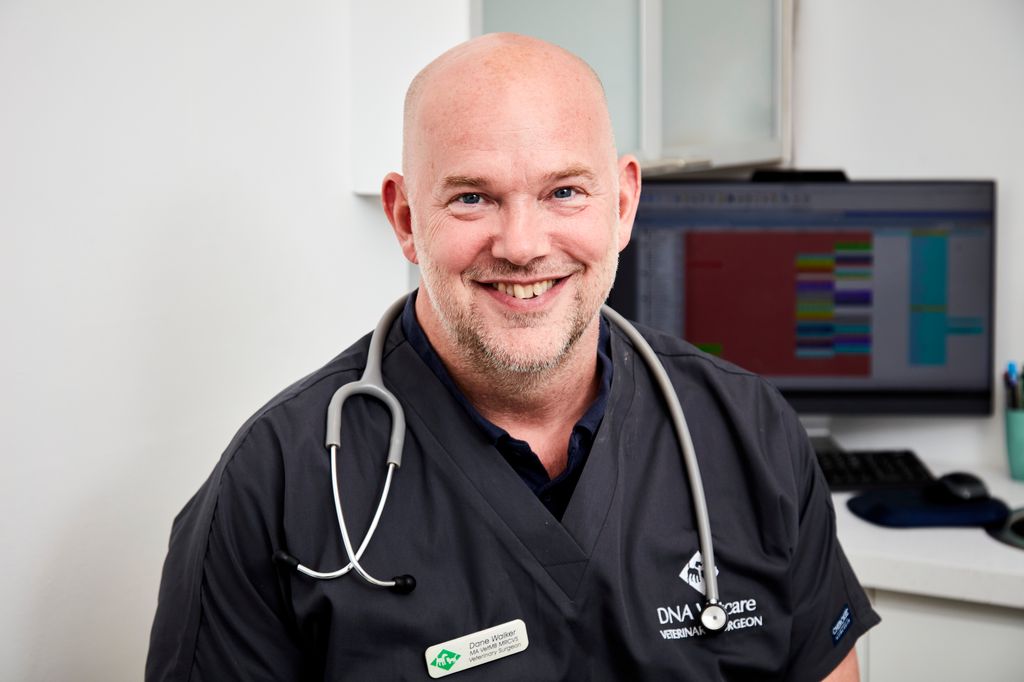
HELLO! spoke to Dane Walker, veterinarian and founder of independent UK veterinary group DNA Vetcare, who echoes concerns raised by the charity.
"The desire to offer a second chance to a rescue dog from overseas is heartfelt and admirable, but it must also be responsible. Without proper safeguards in place, the growing practice of importing dogs from abroad is putting people, pets, and the UK's animal health status at serious risk," he said.
 © Mike Grimbleby
Along with other animal medical professionals, Dane is seeing the negative effects of the rise on the front line.
"It's a reality we're seeing more frequently in our practices: dogs arriving with serious infectious diseases such as Brucella canis, Leishmania, and - though we've not yet had any reported cases in the UK - the threat of rabies. These are not theoretical risks. They are real, and their consequences can be profound."
 © Getty Images
The illnesses caused by improper importation
Dane explained the medical complications further, and it's not only the dogs that can be affected, but also humans they encounter.
"Brucella canis is a zoonotic disease, meaning it can be passed from dogs to humans. It can lead to chronic illness in people and is notoriously difficult to treat or manage. The infection poses a particular danger to veterinary staff who are routinely exposed to bodily fluids, as well as to well-meaning owners."
Dane added: "Leishmania is another disease we're seeing with increasing frequency in imported dogs. It often requires lifelong treatment and careful monitoring, which can be emotionally and financially demanding for adopters."
What's the solution?
Dane told HELLO! why the problem is happening, and clarified what should be done instead.
"One of the most concerning issues is the continued use of the incorrect import pathway. Many dogs are brought into the UK under the pet travel scheme, which is not legally appropriate for rescue animals. The correct route is via the Balai Directive, which exists precisely to reduce the risks associated with rehoming imported animals."
He added: "The Balai Directive requires additional veterinary checks, health certification, and proper record-keeping before a dog is imported. It ensures that rescue animals have been examined, tested, and transported safely and legally.
 © Getty Images
"When this process is bypassed, the risk of importing disease increases significantly, and vital traceability is lost."
Dane and RSCPA both view that regulations are in dire need of strengthening.
"We must strengthen protections. Proper import protocols, mandatory testing for diseases like Brucella canis, behavioural evaluation, and long-term support for adopters are essential.
"Rehoming dogs should never be treated like ordering a parcel online - these are complex, sentient beings with individual needs. Helping animals in need should never come at the cost of public health or animal welfare."