Afraid of flying? Pilot sets record straight on 'learned fear' of flying and gives verdict on 'safest seats' theory
An Airbus A320 captain who helps people overcome their fear of flying explains what causes this anxiety and what really happens behind the scenes during a flight
High profile airline disasters sometimes can make it seem that flying is more dangerous these days. Planes might statistically be one of the safest modes of transport on the planet, but not everyone always perceives it that way.
You may also like
While some are perfectly content taking a nap or watching in-flight movies, others are gripped to their seats - if they even get on a flight at all.
There are a whole host of common phobias, and aerophobia is one of them. And when it comes to anxiety about flying there's an endless list of questions one might have.
Do pilots experience fear? Can the fear of flying really be overcome? Are there more plane crashes now than before, or is that just because of what we see on the news? And are those safety instructions at the beginning of a flight really that important?
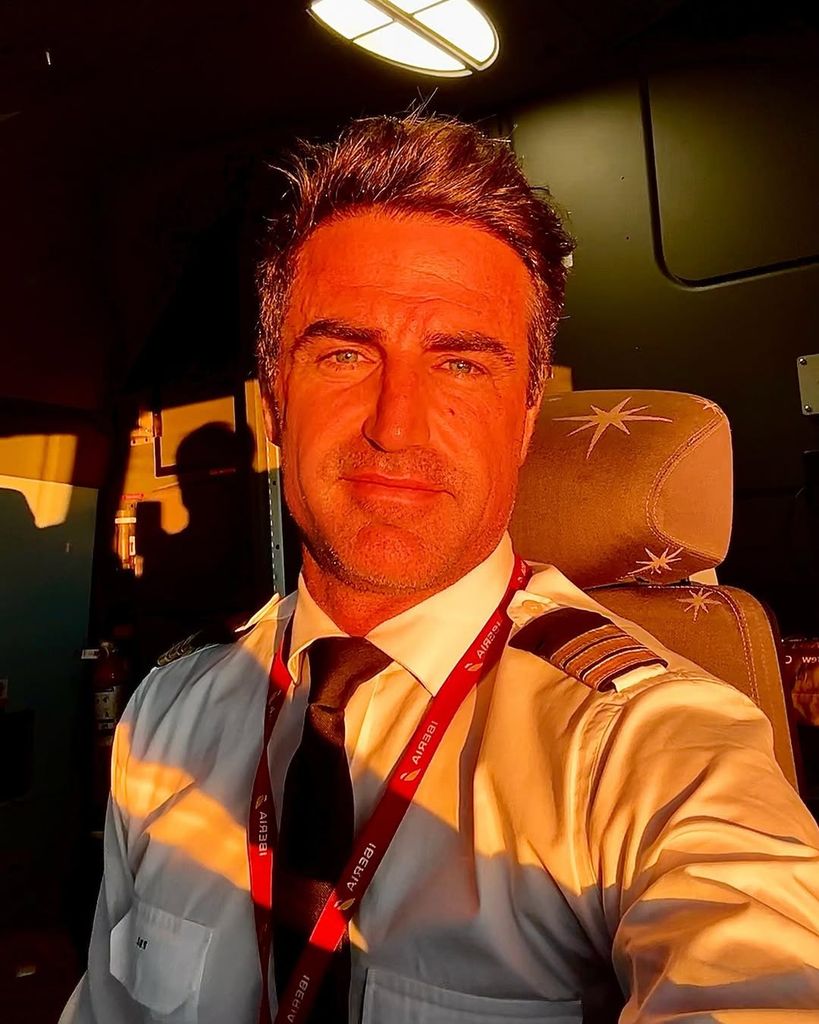
Airline pilot Perico Duránis the fight safety expert we needed to answer all of these questions and more. An Airbus A320 Captain with over 25 years of experience as a commercial airline pilot, he also spends much of his time outside the cockpit helping people who are afraid to fly, both on his Instagram page and his own Spain-based online academy.
'Flying is incredibly safe; what fails sometimes is your perception,' says Captain Perico Durán
With guidance and advice, he's helping those who suffer with fear of flying, helping them understand everything from how a plane works to how they can boost their confidence and overcome their anxiety. The good news is that it's never too late to learn.
Perico, how did your interest in helping people overcome their fear of flying begin?
After so many years of flying, I started receiving a lot of messages from people who suffered every time they had to get on a plane. They told me their stories, how they would shut down, their desire to travel, but also their anxiety, their panic attacks… And I realized they didn't have a trustworthy place to turn to.
Is flying safe?
Yes. It's even safer than most people imagine. Aviation is the safest industry in the world. Everything is planned and reviewed again and again: from the design of the planes to the procedures we pilots follow. Flying is incredibly safe; what fails sometimes is your perception.
So, is the fear of flying irrational?
It's a fear that isn't based on real danger, but on how we perceive it. I don't like to call it ‘irrational’ because that invalidates what someone is feeling as real. But it can be described as a learned fear. And what is learned can be unlearned.
How did you start helping people with a fear of flying?
I started sharing videos on social media. Explaining how a plane works, what turbulence is, how we prepare for each flight… I wanted to demystify something that, from the outside, can seem very complex. And little by little, a community fighting against the fear of flying began to come together.
Yes... I have hundreds of success stories. People who write to me saying: “I flew after years [of not travelling by plane] and enjoyed it.” Others who did it with anxiety, but with pride. There isn't a single magic formula, but with knowledge, proper tools, and support, you can regain peace of mind. And with it, freedom.
Are there more plane crashes now than before?
No. There are far fewer. What happens is that now, with social media and the news, any incident spreads in seconds. But the reality is that aviation has never been as safe as it is today.
Perico Durán is an Airbus A320 Captain with over 25 years of experience as a commercial airline pilot
I don't like to call fear of flying 'irrational' because that invalidates what someone is feeling as real
Who’s more afraid to fly, men or women?
Both experience it, but often women express it more openly and ask for help sooner. There are men who also suffer from it, but they tend to hide it more because they’re embarrassed.
And children? How can we reassure them if they’re afraid to fly?
With our own attitude. If we as adults transmit calm, children can feel it. We need to normalise flying, explain what's going to happen in basic terms, and turn it into a positive experience. Sometimes children's fear is just a reflection of ours.
How do pilots experience fear? Do they ever feel it?
Fear is a human, and necessary, emotion. Nobody wants a reckless pilot who is never afraid. It’s precisely fear, well understood, that makes us prudent, follow procedures, and not get too overconfident. The important thing is how [fear] is managed.
In our case, that fear is covered with layers: years of instruction, a lot of flight hours, constant training, experience, teamwork… All of that turns that emotion into something that works for us - which keeps us vigilant but doesn't impede us.
How important are the safety instructions at the beginning of the flight?
Very important. Even if you've flown a hundred times, it's worth listening to them. Each plane can have its peculiarities. Knowing how to act, where the life vest is, or how to put on the oxygen mask can make a difference if something happens.
To reassure children who are afraid, adults need to transmit calm. 'Sometimes children's fear is just a reflection of ours'
You may also like
Is it true that some seats are safer than others?
No, that's not true. All seats meet the same safety standards. The plane is designed to protect all passengers, wherever they are.
And besides, having that mindset doesn't help. Choosing a seat based on "just in case something happens" feeds the idea that something might happen. It's not a good strategy from a mental point of view.
What does make sense is choosing a seat that makes you feel more comfortable: aisle if you need to move around, window if you like to see outside, near the wing if you prefer less movement… But not for safety, because all seats are safe.
What are the trickiest moments of the flight?
Takeoff and landing are phases that require more attention from the crew. But not because they’re dangerous, but because they’re the most dynamic phases. Everything is planned, and we follow very strict procedures.
How do pilots prepare for emergencies?
We train and are tested in simulators every six months. We practice what to do in complex situations, from technical problems to bad weather. Everything is controlled. And we don't fly unless we are 100% ready.
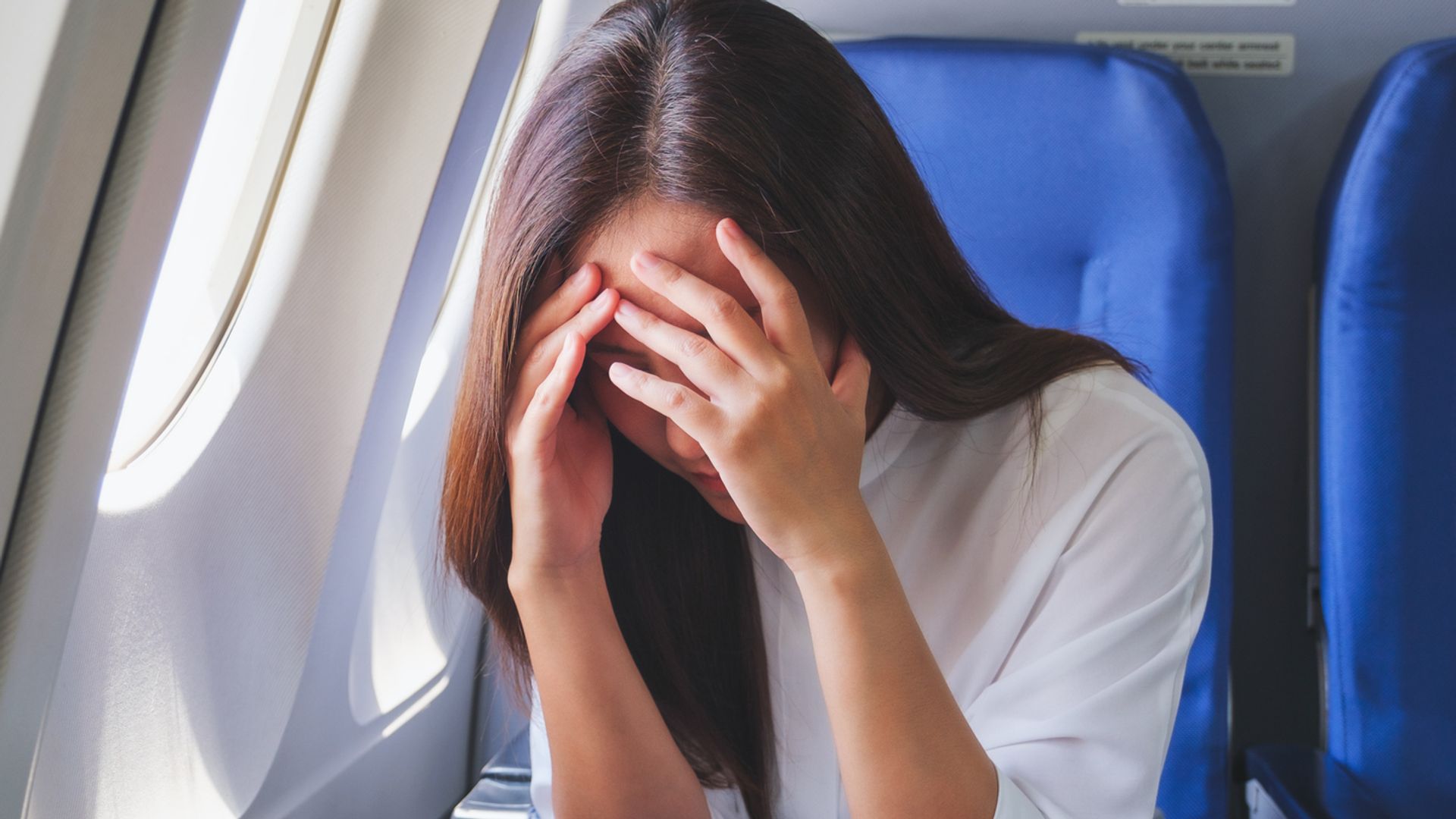
What happens if someone has an anxiety attack during the flight?
The cabin crew is trained to help in those situations. They know what to do, how to calm the passenger, and activate, if necessary, a fast protocol: seek medical or psychological support among the passengers and coordinate everything with us in the cockpit. Panic attacks are pretty common and is managed routinely. The important thing is to know that you’re not alone and that there’s a team ready to help you if you need it.
Experts have revealed that many people avoid long-haul travel due to the fear of jet lag. Here's what's really happening to your body and how to overcome it…
From scorching city breaks to sub-tropical beach climates, three HELLO! journalists who love travel have shared their favourite places to visit in winter...
The "Like a Virgin" singer stunned fans with her 'glowing' appearance on a holiday trip to Morocco with her son Rocco, daughters, Mercy, Stella, and Estere.
Natural art, ocean-inspired design and plastic-free luxury? Yes please! Step inside the stunning transformation of this Fuerteventura wellbeing retreat...

 © Getty Images/iStockphoto
 © Getty Images
 © Instagram / @pericoduran
 © Getty Images